Pelargonium (Caudex) Care Guide | Inverted Growing Cycle, Summer Drought Management & Propagation Methods
Comprehensive guide to cultivating caudex Pelargonium. Covers adapting to the inverted growth cycle of summer dormancy and fall-winter-spring growth, displaying techniques to enhance the ornamental value of the swollen caudex, drought management in summer, fertilization schedules, and practical propagation methods via seed and cuttings.
Key Takeaways
Comprehensive guide to cultivating caudex Pelargonium. Covers adapting to the inverted growth cycle of summer dormancy and fall-winter-spring growth, displaying techniques to enhance the ornamental value of the swollen caudex, drought management in summer, fertilization schedules, and practical propagation methods via seed and cuttings.
Related Species
What is Pelargonium (Caudex)?
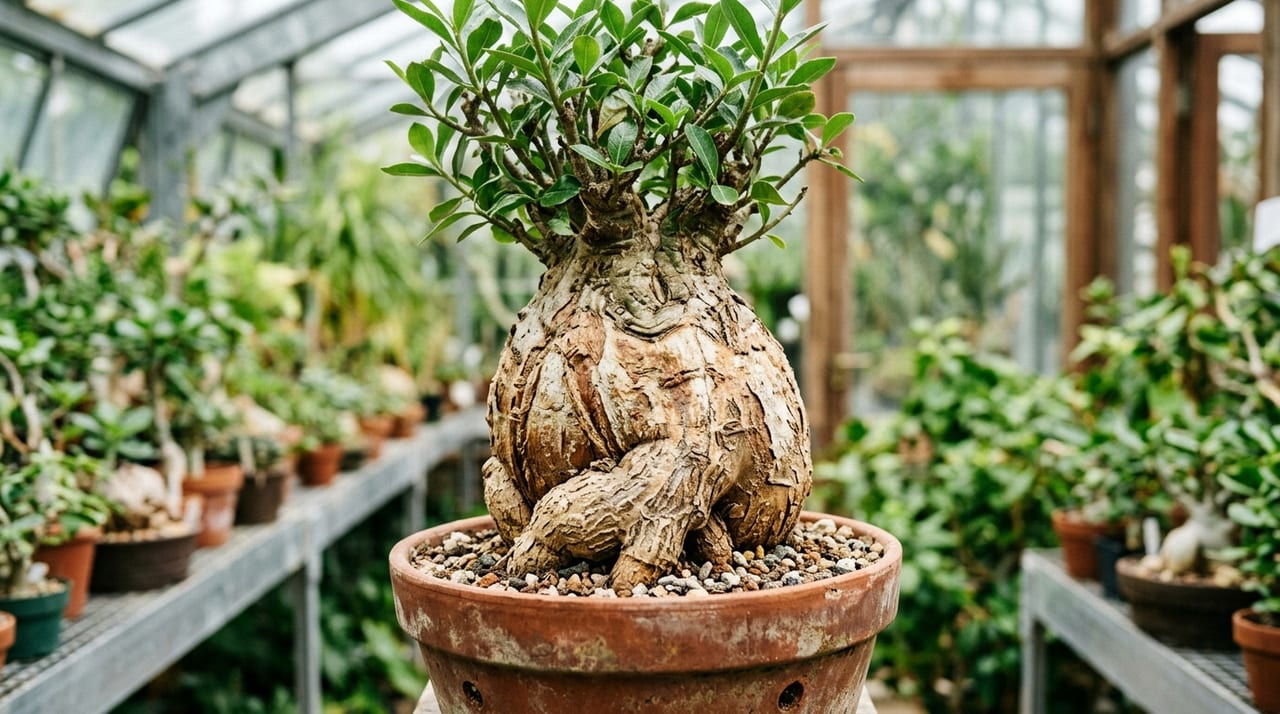
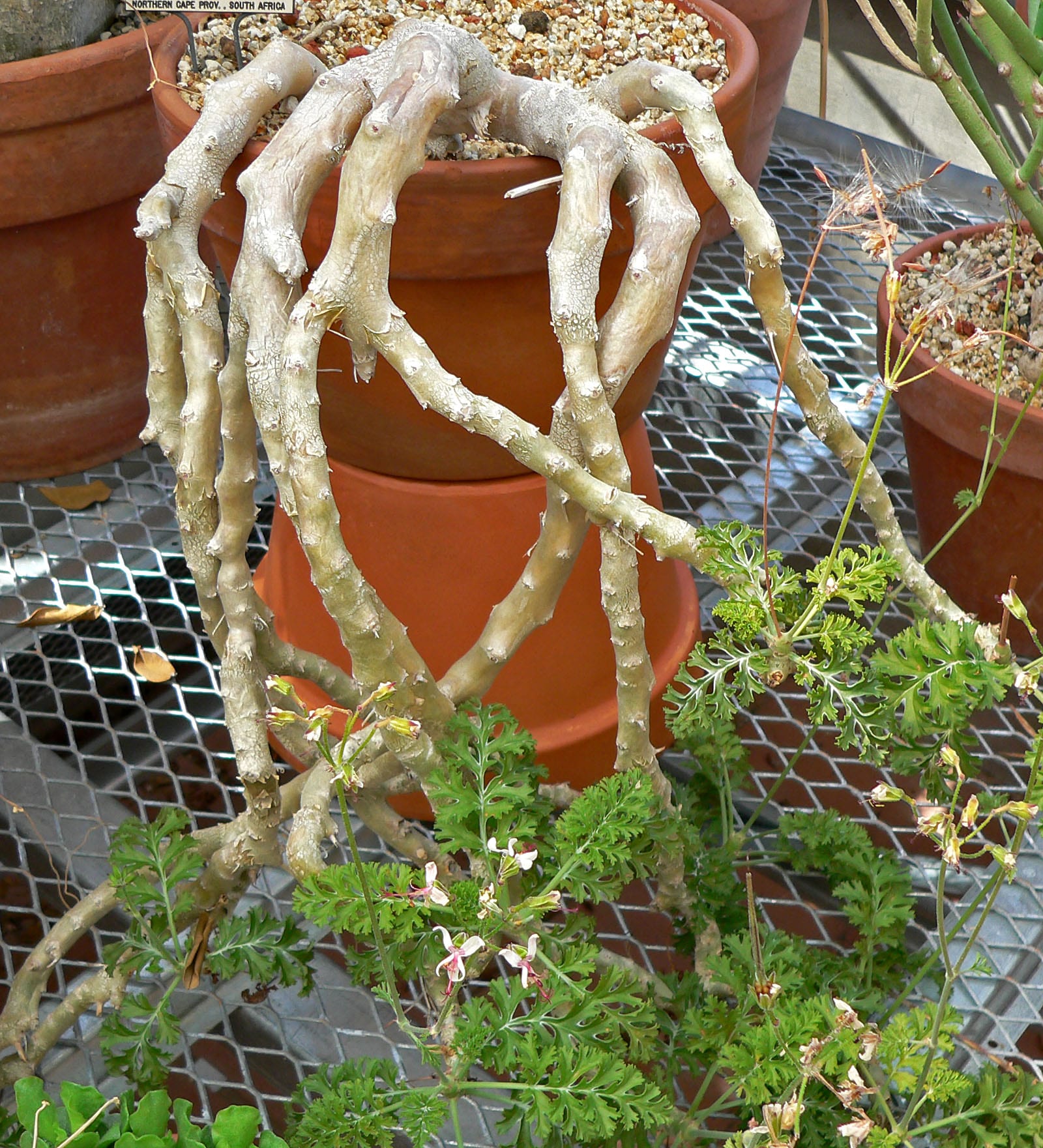
Caudex Pelargonium refers to a group of species within the Geraniaceae family genus Pelargonium characterized by remarkably enlarged caudex (the swollen base of the plant). Unlike common "geraniums" known as flowering plants, the caudex becomes woody and bulb-like, with thick trunks and stems in a distinctive form, making them popular among succulent and caudex plant collectors.
Representative species include Pelargonium triste, Pelargonium carnosum, and Pelargonium oblongatum. Most originate from the Cape region of South Africa and are adapted to climates with distinct dry and wet seasons.
Growing Cycle and Seasonal Management (Most Important)
The defining characteristic of caudex Pelargonium is possessing an inverted growth cycle where summer in Japan is dormancy (corresponding to the dry season) and fall through spring is the active growth period. Without understanding this distinction and treating it like ordinary plants, the most common failure is root rot from over-watering in summer.
Seasonal Growth Conditions
| Season | Growth Stage | Management Points |
|---|---|---|
| Fall (Sep–Nov) | Growth begins | Resume watering once leaves emerge; begin fertilizing |
| Winter (Dec–Feb) | Active growth period | Provide adequate sunlight; water once weekly |
| Spring (Mar–May) | Flowering & late growth | Enjoy blooms while gradually reducing water |
| Summer (Jun–Aug) | Dormancy | Withhold water or provide minimal water 1–2 times monthly (just enough to prevent shriveling) |
Understanding this inverted cycle is the key to successful Pelargonium cultivation.
Recommended Growing Environment
Environmental Parameters (Growing Period)
| Item | Recommended Value |
|---|---|
| Sunlight (growing season: fall–spring) | Direct sun 4–8+ hours |
| Sunlight (dormancy: summer) | Partial shade or 50% shade cloth |
| Temperature (ideal range) | 5–25°C |
| Minimum temperature (cold tolerance) | Around 0–-3°C (varies by species) |
| Watering (growing season) | Approximately once weekly when soil is dry |
| Watering (dormancy) | 1–2 times monthly with minimal water (just enough to prevent caudex & stems from shriveling) |
Choosing Soil and Containers
Caudex Pelargonium is very susceptible to root rot; highly draining soil is essential.
Recommended Soil Mix
- Akadama (small grade): 30%
- Hyuga pumice: 30%
- Lava rock (small grade): 20%
- Perlite: 20%
Container Selection
| Container Type | Characteristics |
|---|---|
| Terracotta pot | Highest air porosity; dries quickly and effectively prevents root rot |
| Black plastic pot (slitted) | Low cost; heat retention keeps soil warm during growth period |
| Shallow/flat pot | High visibility of caudex; enhances ornamental appeal |
Drainage holes are essential. Never allow water to pool in the saucer—this is fundamental to preventing root rot.
Watering Management
The key to watering Pelargonium is maintaining clear distinction: water adequately during the growing season and withhold water almost completely during dormancy.
Watering During Growing Season (Fall–Spring)
- Confirm the soil is completely dry (insert a finger to the first knuckle to check)
- Water thoroughly until it drains from the bottom
- Immediately empty any water that collects in the saucer
- Allow the soil to dry quickly in a well-ventilated location
Summer Dormancy Management
- Stop watering once leaves drop and the plant enters dormancy
- If the caudex begins to shrivel even with complete drought, provide minimal water 1–2 times monthly
- High heat and humidity cause rot (avoid direct summer sun)
- Ideally, keep the plant in a cool, shaded indoor location or under a shaded eave during summer
Fertilizer Management
Fertilization Schedule
- Growing season (fall–spring): Liquid fertilizer 1–2 times monthly (diluted to half strength)
- Flowering period: Use fertilizer high in phosphorus and potassium (flowering formula) to enhance bloom
- Summer dormancy: Do not fertilize
Excess nitrogen promotes leaf growth at the expense of caudex development. Choose a balanced fertilizer or one higher in phosphorus and potassium.
Propagation (Seed & Cuttings)
Seed Propagation
Sow Pelargonium seeds in fall (September–October).
- Soak seeds in water overnight to improve germination
- Sow in clean, well-draining soil mix (mixed with vermiculite)
- Cover with soil 2× the seed thickness
- Keep soil uniformly moist and cover with plastic wrap or a lid to maintain humidity while waiting for germination (2–4 weeks)
- After germination, gradually reduce moisture while managing
- Once 2–3 true leaves appear, repot into regular soil mix
Cutting Propagation
- Cut a healthy stem 5–10 cm long during the growing season
- Let the cut dry for 3–5 days to form callus
- Insert into dry soil mix (hyuga pumice and vermiculite)
- Keep watering minimal until roots appear (4–8 weeks)
Displaying the Caudex & Training Techniques
The primary ornamental feature of caudex Pelargonium is the swollen caudex.
- Progressively expose the root collar in an "aerial root" style to enhance the display
- When repotting, gradually plant higher to expose more of the root collar
- Use shallow containers to showcase the caudex beauty
- During dormancy, the plant drops leaves, exposing just the caudex—a beauty in itself
- During the growing season, delicate feathery leaves and small flowers adorn the caudex, creating seasonal contrast
Common Problems & Solutions
| Symptom | Cause | Solution |
|---|---|---|
| Summer: caudex soft & discolored | Overwatering in summer causing rot | Remove rotted portions, dry, and repot in fresh dry soil |
| Fall: no leaves appearing | Prolonged dormancy or root issue | Give minimal water and check root condition |
| Growing season: sudden wilting | Root rot or over-drying | Check soil and roots; treat accordingly |
| Leaves: white powdery coating | Powdery mildew | Improve air circulation and apply fungicide (e.g., potassium bicarbonate) |
| Base: white scale insects | Scale insect infestation | Treat with an insecticide or remove by hand |
| No flowers | Insufficient light or nutrition | Ensure adequate sunlight and use phosphorus-rich fertilizer to promote flowering |
Summary
Caudex Pelargonium captivates succulent and caudex collectors with its unique inverted growth cycle and beautiful swollen caudex. As long as you observe summer drought conditions, they are hardy and sustain long-term cultivation; they also reward you with delicate flowers during the winter-spring blooming period. Because supply is limited, obtaining them directly from growers expands your options. When selecting healthy seedlings or young plants, we recommend confirming the firmness and absence of damage to the caudex, as well as checking root development.
Species-Specific Characteristics & Selection Tips
Caudex Pelargonium encompasses many species, each with distinct characteristics. For beginners, we recommend starting with species that are relatively hardy and easier to obtain.
Comparison of Representative Species
| Species | Caudex Form | Leaf Characteristics | Availability |
|---|---|---|---|
| P. triste | Spherical to flattened | Finely cut, lace-like | Moderate |
| P. carnosum | Swollen stems | Succulent, thick-textured | Somewhat difficult |
| P. oblongatum | Elongated horizontally | Shallow-cut leaves | Relatively easy |
| P. crassicaule | Woody thick trunk | Fine leaves, deciduous | Expensive, difficult to find |
Enjoying the Flowers
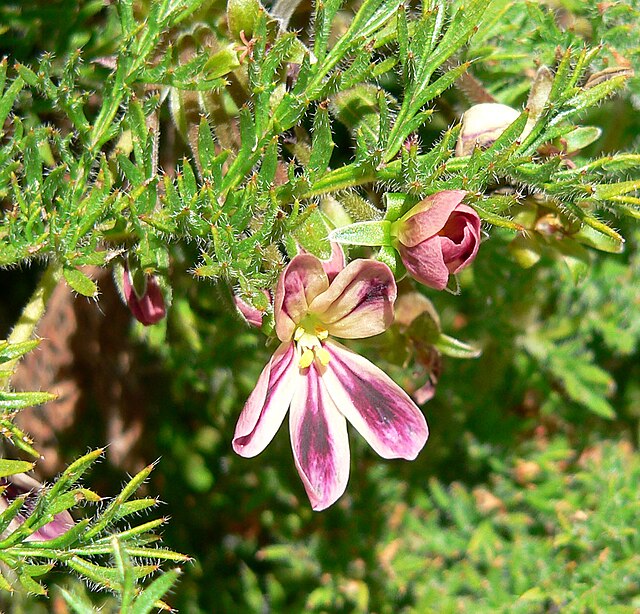
Most caudex Pelargonium species bloom during the winter-spring growing season. Though small, the flowers are colorful and create a uniquely beautiful display when combined with the caudex.
Flower Characteristics of Major Species
- P. triste: Dark purple to brown five-petaled flowers that release a sweet fragrance at night (the species name "triste" means "sad" and refers to the flower color)
- P. carnosum: Clusters of white to pale pink small flowers
- P. oblongatum: Cream to yellowish five-petaled flowers
After flowering, seeds develop; you can either collect them to try propagation or remove the spent flowers early to conserve the plant's energy.
How to Identify Healthy Plants at Purchase
When purchasing Pelargonium directly from growers, assessing the health of the caudex is the most critical checkpoint.
- Caudex firmness: Is it hard and firm? (Soft tissue indicates possible rot)
- Wounds & cuts: If there are cuts, is callus tissue properly formed?
- Root development: Are there visible roots or root traces?
- Leaves & stems: During the growing season, do leaves and stems look vibrant?
- Mold & pest traces: Check for white mold or insect marks on the caudex or roots
The best time to purchase is fall (the start of the growing season), when you can most easily assess plant condition.