Caudex Plant Price Guide | Market Prices and Buying Options for Popular Species
Explains the typical price ranges for popular caudex plants like Pachypodium and Adenium, and the price differences between wild-collected and seedling plants. Also introduces how to choose reliable sellers and precautions for imported plants.
Key Takeaways
Explains the typical price ranges for popular caudex plants like Pachypodium and Adenium, and the price differences between wild-collected and seedling plants. Also introduces how to choose reliable sellers and precautions for imported plants.
Related Species
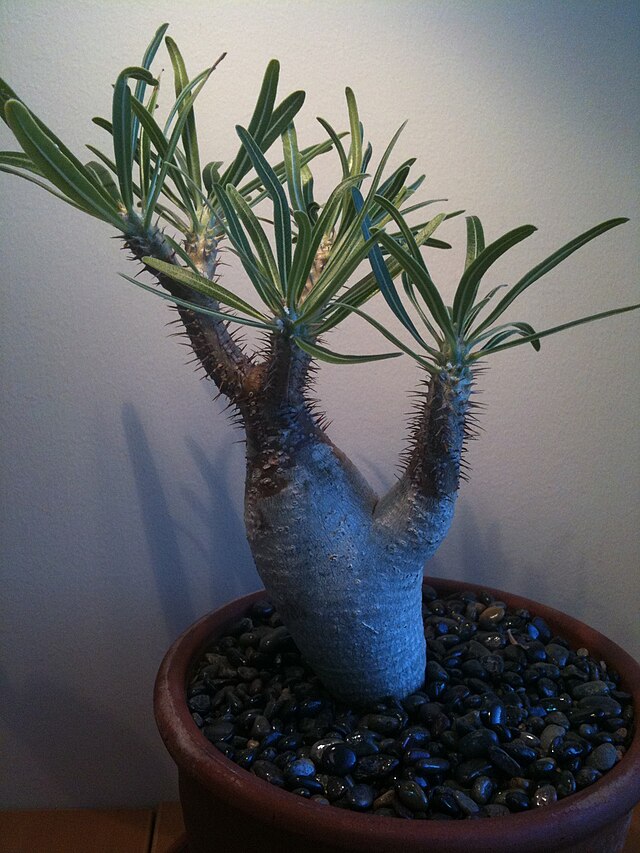
Why Do Caudex Plant Prices Vary So Much? Key Points to Understand Before Knowing the Market Price
Upon entering the world of caudex plants (caudex), the first thing that strikes you is the wide variation in prices. For the same species, you can find everything from seedlings costing a few hundred yen to mature specimens selling for hundreds of thousands of yen—a confusing situation for first-time buyers.
Behind this price diversity lies a characteristic unique to caudex plants. The caudex (swollen base) develops slowly over many years, so larger specimens represent many years of cultivation condensed into a single plant. Additionally, some species have extremely limited global distribution, and rarity directly translates to price. Furthermore, even within the same species, each plant's form and branching pattern is unique, and collectors are drawn to the one-of-a-kind value of "a silhouette that will never appear twice."
Understanding the market price correctly is important not only for purchasing at a fair price but also for identifying bargains and avoiding overpaying. If you'd like to get a better sense of your budget including monthly maintenance costs, checking How Much Does It Cost to Grow Caudex Plants? Explaining Monthly Running Costs will help minimize surprises after purchase.
Five Key Factors That Determine Price
Multiple elements combine to determine the price of caudex plants. Clarifying these before purchase will help you judge the reasonableness of a price yourself.
① Rarity and Distribution Volume The fewer specimens that appear on the market, the higher the price. For example, Pachypodium gracilius, which is particularly popular among Pachypodium species, often sees demand exceeding supply, and well-formed specimens especially command high prices. In contrast, Adenium is widely cultivated from seed domestically, making it relatively easy to obtain and prices remain stable.
② Caudex Size and Years of Cultivation The diameter and weight of the caudex are proof of cultivation years. Specimens over 10 cm in diameter typically require a minimum of several years to over 10 years of growing from seed. It is natural that this time investment is reflected in the price.
③ Individual Tree Form and Branching Character Even among plants of the same species and size, specimens with unique silhouettes or well-balanced branching patterns command a premium. Aesthetic evaluation of "how impressive is it" is a major factor influencing the caudex plant market.
④ Origin and Plant Source Prices and characteristics differ depending on whether the plant is wild-collected (WC) or seed-grown (seedling). Details are explained in the next section.
⑤ Health Status and Care History The fullness of the roots, the color and luster of the leaves, and any signs of pests or disease directly affect ease of cultivation after purchase. It is only natural that healthy specimens command an appropriate premium, and you cannot simply say that a low price means a good deal.
Understanding the Difference Between Seedling Plants and Wild-Collected Plants (WC)
When shopping for caudex plants, you will inevitably see the terms "seedling" and "WC." Knowing this distinction is essential not only for price judgment but also to avoid legal risks. For a more detailed comparison of selection methods, see Imported vs. Domestically Grown Caudex Plants | Points for Choosing.
Seedling Plants (Seed-Grown)
Plants grown from seed by domestic and international growers. In recent years, seed cultivation and growing techniques domestically have improved, and the distribution of high-quality seedling plants has increased.
- Import permits and related documents are often not required, making them easier to obtain
- Because they have already adapted to cultivation environments, they are easier to manage after purchase
- Prices tend to be stable, and many seedlings fall into price ranges accessible to beginners
Wild-Collected Plants (WC)
Specimens developed over decades in their natural habitats. The impressive caudex form is a charm unique to WC plants, but there are several important considerations.
- Many species are regulated under CITES (Convention on International Trade in Endangered Species), making verification of legal import documents (appendix documents, export permits, etc.) essential
- Plants may be weakened by stress during collection and transport, and careful attention is needed immediately after purchase
- Purchasing a plant with incomplete documentation can expose you to legal risks
When purchasing, always confirm with the seller whether the required documents are present, and if there is any doubt, it is wise to refrain from purchasing.
Price Range Guidelines for Popular Species
Market prices fluctuate depending on the season and plant condition, but generally the following price ranges are formed. Use this only as a reference, and compare multiple listings when actually purchasing.
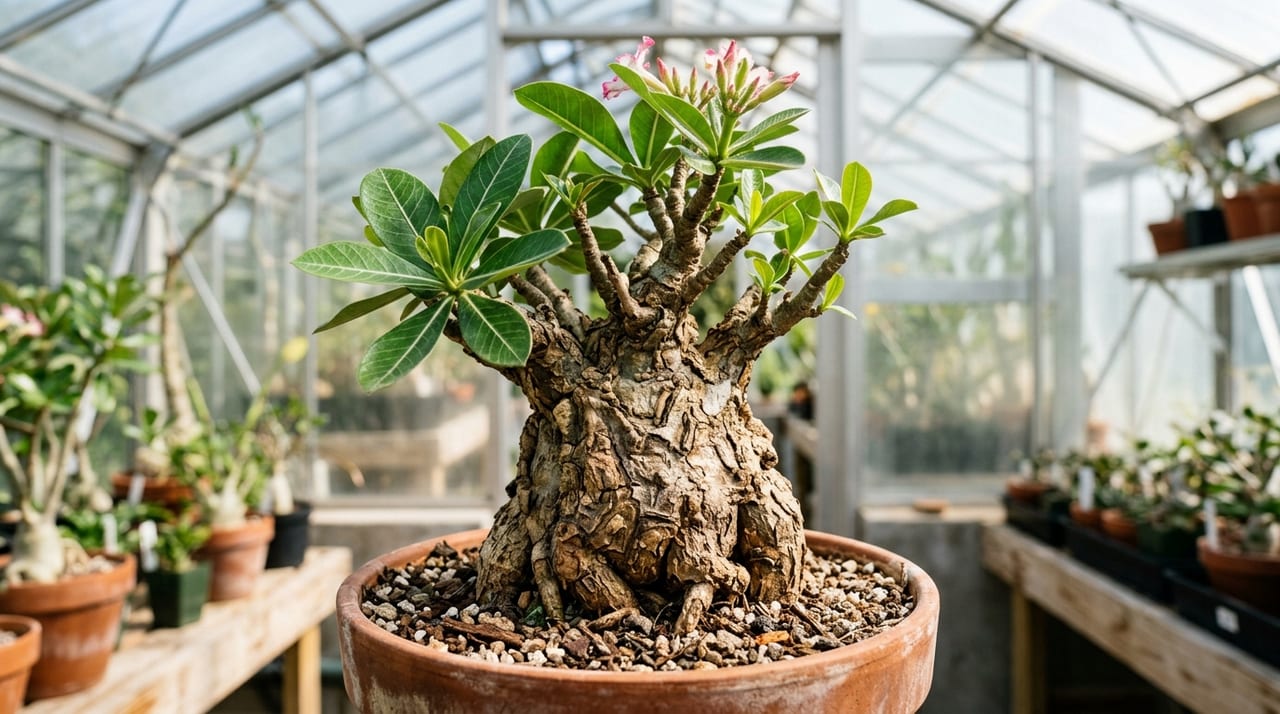
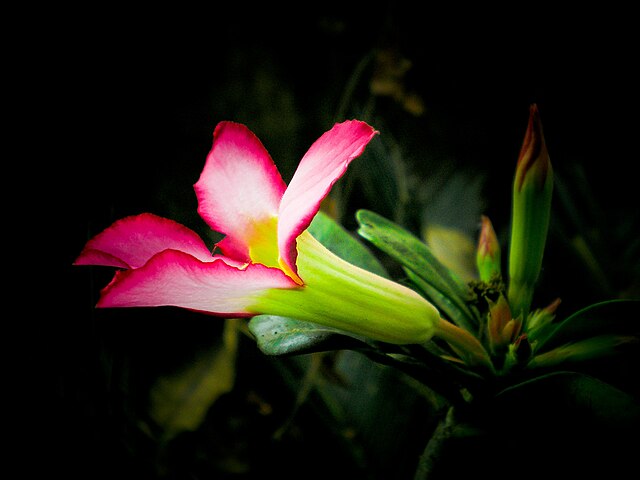
Adenium (Desert Rose) Small seedlings can be obtained for a few hundred to a few thousand yen, making it a popular introductory caudex plant. Large, well-formed specimens can reach the tens of thousands of yen range. The beauty of its flowers is also a major appeal.
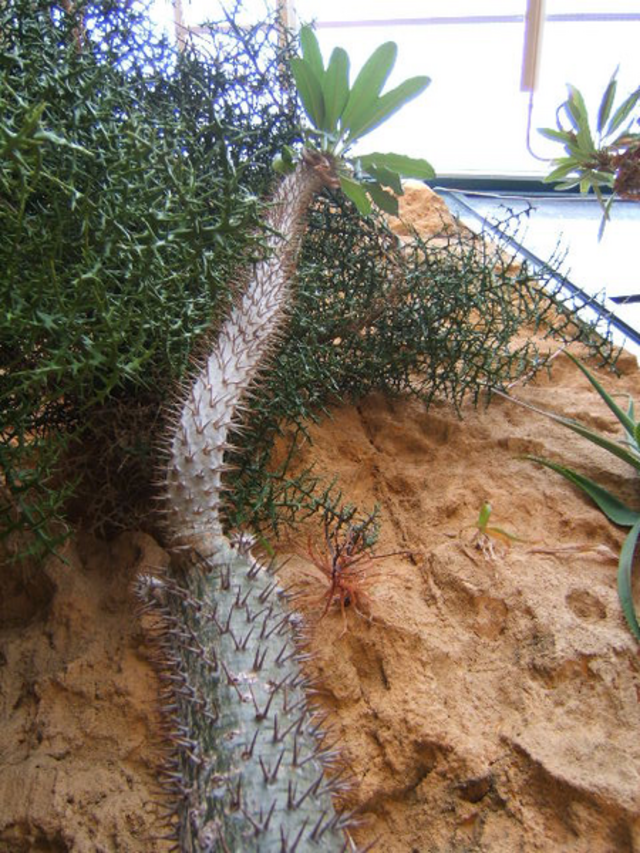
Pachypodium Gracilius Among caudex plants, this is especially popular, characterized by its plump caudex. Seedling specimens start at a few thousand yen, and healthy medium and large specimens can reach tens of thousands to hundreds of thousands of yen. For details on cultivation, see Pachypodium Gracilius Growing Guide.
Dioscorea (Tortoise Shell Plant) A winter-growing species with an armor-like caudex that creates a unique appearance. Larger caudexes are valued more highly, and demand fluctuates between the dormant period (summer) and growing period (winter).
Tylecodon and Bolusanthus Genera Many rare species for enthusiasts are included. Because distribution is limited, when you find a good specimen, it is recommended to use that price range as your baseline for judgment.
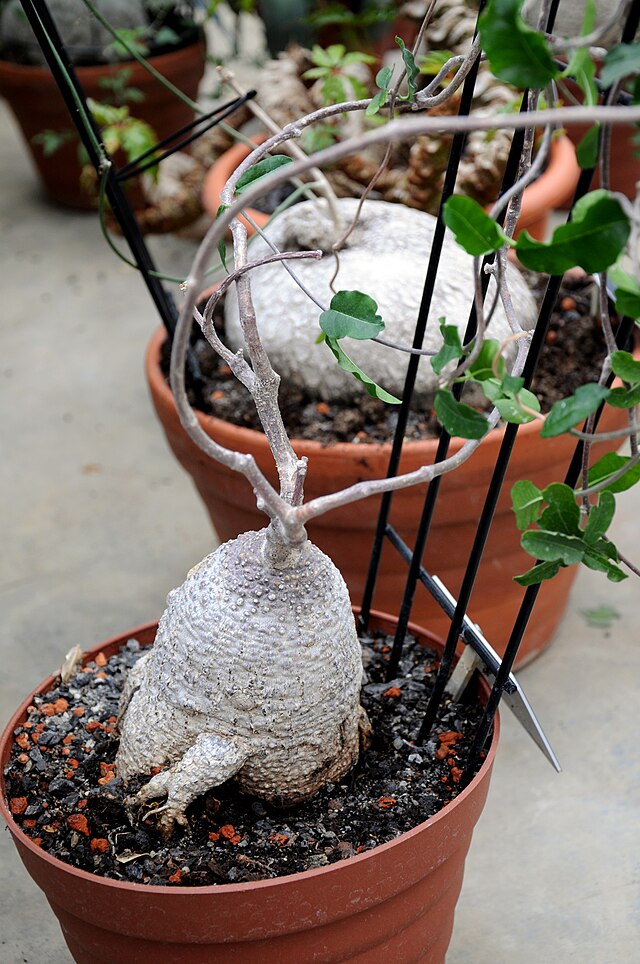
Fockea Edulis (Martian) Appreciated for its unique form and recommended as an introductory species. Relatively easy to obtain, with a wide range of prices available.
Practical Pointers for Successful Purchases
Now that you know the market price, here are points to keep in mind when actually purchasing.
Compare Multiple Routes Price differences emerge for the same species depending on the sales channel—whether through secondhand apps, auctions, specialty shops, or grower direct sales. By comparing multiple information sources, you will naturally develop a sense of the market.
Check the Seller's Cultivation History and Care Environment In what environment was it grown, and for how many years? If you can learn the watering frequency and type of soil used, it becomes easier to plan your post-purchase care strategy. Conscientious sellers are more likely to openly share this kind of information.
Purchase at Peak Season Most caudex plants are actively growing from spring through summer. At this time, plants are in good condition, and you have a good chance of enjoying growth soon after purchase.
Beginners Should Start with Seedling Seedlings Rather than investing in expensive large specimens, it is recommended to first accumulate cultivation expertise with small seedlings. If you fail, the economic damage is minimal, and the joy when you succeed is magnified.
GrowerDirect's Safe and Secure System
On GrowerDirect's Caudex Plant Category, growers list plants directly, eliminating middleman markups and making fair-price purchases possible.
Through the seller messaging feature, you can verify in advance detailed cultivation history, care environment, and the presence or absence of CITES documents. To prevent mismatches like "it wasn't what I expected," don't hesitate to ask about any concerns.
Additionally, GrowerDirect places a strong emphasis on transparency of seller information, and a ratings and review system makes it easy to find reliable growers. Whether you're purchasing caudex plants for the first time or you're an experienced collector, GrowerDirect is a platform where you can transact with peace of mind.