[Beginner's Guide] How to Grow Caudex Plants: An Introduction
For beginners looking to start growing caudex plants. A comprehensive guide covering soil composition, watering and dormancy management, light and temperature control, root development care, and recommended beginner-friendly species such as Pachypodium and Adenium.
![[Beginner's Guide] How to Grow Caudex Plants: An Introduction](https://img.botachoku.com/column-images/caudex-market-value-guide/hero-1783926105707.jpg)
Key Takeaways
For beginners looking to start growing caudex plants. A comprehensive guide covering soil composition, watering and dormancy management, light and temperature control, root development care, and recommended beginner-friendly species such as Pachypodium and Adenium.
Related Species
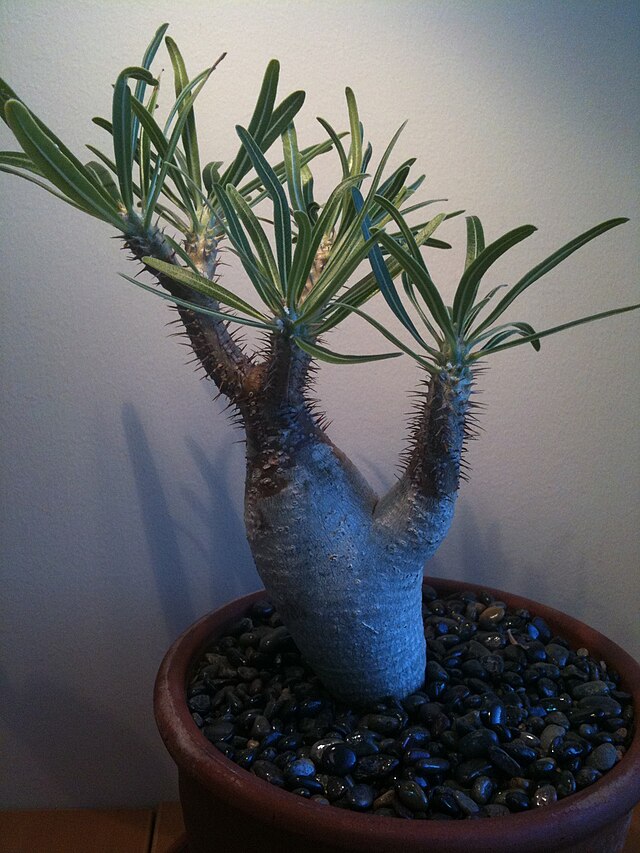
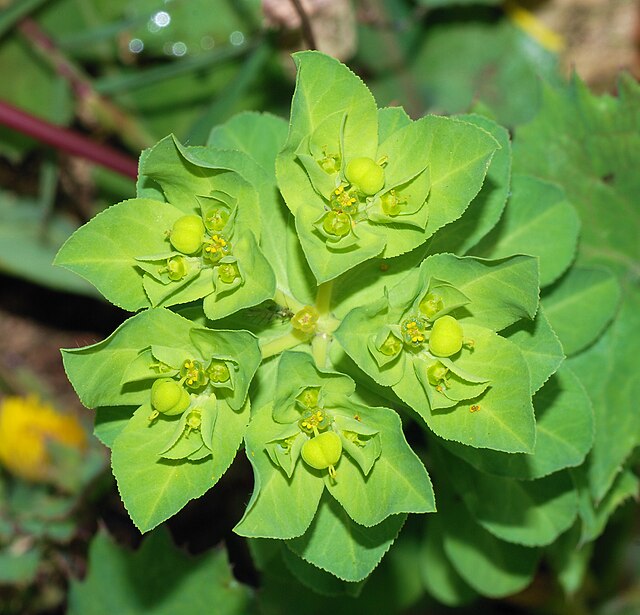
What are Caudex Plants? Their Appeal and Characteristics
Caudex plants are a general term for plants that store water and nutrients in thick, swollen stems or roots. Having evolved in harsh environments such as Madagascar, the arid regions of Africa, and the Arabian Peninsula, they possess a unique form and striking presence. Their sculptural silhouettes are also popular as interior décor, and in recent years they have become a particularly sought-after category among foliage plants.
The greatest appeal of caudex plants lies in their "uniqueness"—each individual plant has its own distinct character. Even within the same species, the shape of the caudex varies greatly depending on growing conditions and age, making it a joy to cultivate your own singular plant. Additionally, many caudex plants are hardy and long-lived once you master proper care, making them enjoyable for both beginners and advanced growers alike.
Choosing Soil and Preparing Pots
The most important aspect of growing caudex plants is choosing the right "soil." To recreate the environment of their native habitats, well-draining soil is essential. Water accumulating at the base of the plant makes root rot likely, and excess moisture during dormancy is particularly fatal.
Basic Soil Composition
- Red clay balls (small) 3 : pumice stone 3 : volcanic loam 2 : leaf mold 1 : charcoal 1 is a well-balanced standard mix
- An easy and recommended approach is to start with a commercial succulent potting mix and add an additional 20–30% pumice stone or volcanic loam to improve drainage
- Lay a thick layer of pot shards or stones at the bottom of the pot and ensure the drainage holes do not become clogged
Choosing a Pot
Terracotta and unglazed clay pots have high breathability and soil dries quickly, making them well-suited to caudex plants. Plastic pots are lightweight and easy to handle, but soil dries more slowly, so reduce watering frequency accordingly. Choosing a pot with future aesthetics in mind—as the caudex grows larger—adds to the enjoyment.
Watering and Dormancy Management
The most important aspect of caudex plant care is "disciplined watering"—watering generously during the growing season and drastically reducing water during dormancy is the key to maintaining healthy plants. Caudex plants fall broadly into two categories: "summer-growing" and "winter-growing," so be sure to identify which type your plant is. For a detailed dormancy schedule broken down by species, see Caudex Plant Dormancy Management Guide.
Summer-Growing (Pachypodium, Adenium, etc.)
| Season | Watering Guide |
|---|---|
| Spring–Fall (Growing Season) | Water thoroughly once soil is completely dry. Water should flow out the bottom of the pot |
| Winter (15°C and below) | Withhold water completely. Do not panic if leaves drop—the plant is not dead |
Leaf drop in winter is a sign of dormancy. While withholding water, some growers mist the soil surface lightly once a month, but complete water withholding is the standard approach and works fine.
Winter-Growing (Dioscorea elephantipes, Tylecodon, etc.)
| Season | Watering Guide |
|---|---|
| Fall–Spring (Growing Season) | Water thoroughly once soil is dry |
| Summer (Dormancy) | Withhold water once leaves drop. Keep in cool shade while dry |
These plants follow the opposite cycle to summer-growing types, so overwatering in summer causes root rot. Even if the plant appears inactive during hot summer months, this is normal dormancy.
Light and Temperature Management
Provide Abundant Sunlight
Most caudex plants thrive in bright light; without sufficient light, they become etiolated (spindly and stretched), losing their beautiful form. Ideally, grow them outdoors in a bright, sunny location. If growing indoors, place them on a south-facing windowsill and supplement with a grow light if needed.
Overwintering Temperature Control
Most summer-growing caudex plants are cold-sensitive and are in danger below 10°C. Move them indoors once nighttime temperatures begin dropping below 15°C. Even indoors, avoid placing them where direct heat from radiators or heating systems causes sudden drying. Windowsills get cold at night, so move plants slightly away from windows after dark for extra safety. Changing growing conditions can encourage pest issues, so consult Caudex Plant Pests and Diseases Guide to learn early detection tips.
Seedlings or Wild-Collected Plants: Which Should You Choose?
When purchasing caudex plants, you often encounter the terms "seedling" and "wild-collected." Understanding this distinction helps you choose the plant that suits you best.
Wild-Collected Plants
These are plants grown over decades in their native habitats such as Madagascar, prized for their impressive caudex forms and commanding presence. However, roots are lost during import, so they require special "root-development care" after purchase. This care demands delicate control of temperature, humidity, and light, requiring some experience. Prices are typically high.
Seedlings
These are plants grown from seed within Japan. Because they are already adapted to Japan's climate from the start, care is stable and no root-development management is needed. Prices are also generally more affordable than wild-collected plants, and seedlings are strongly recommended for beginners. The joy of cultivating a unique shape from a small seedling is incomparable.
5 Beginner-Friendly Recommended Species
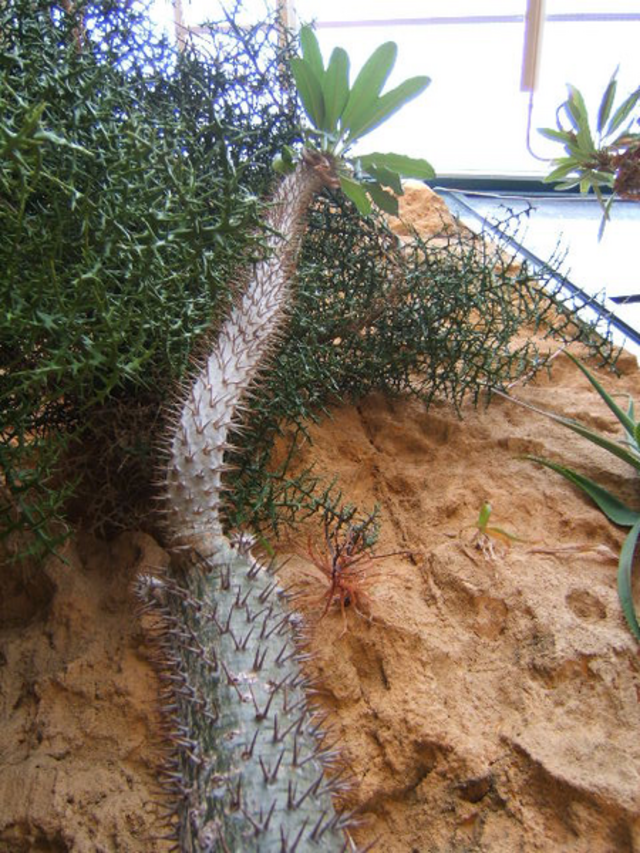
- Pachypodium gracilis — Characterized by a round, plump caudex and thin branches. The quintessential caudex plant, widely available and easy to find
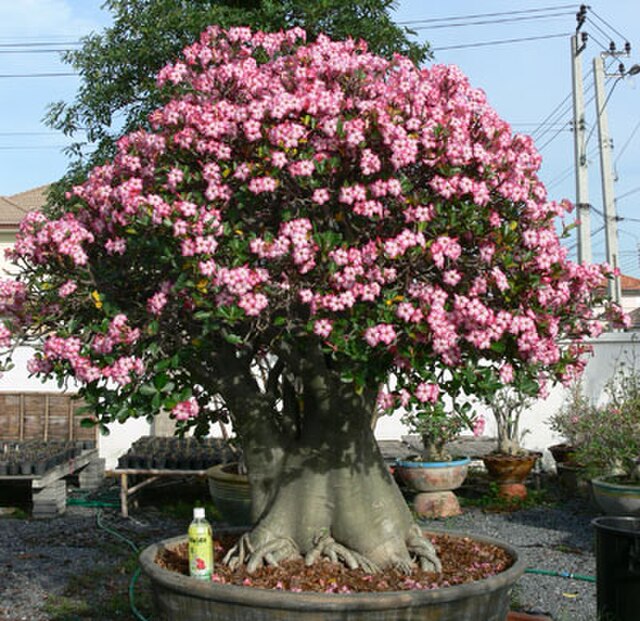
- Adenium arabicum (Desert Rose) — Features a full trunk and vibrant flowers. Heat-tolerant and well-suited to outdoor summer care
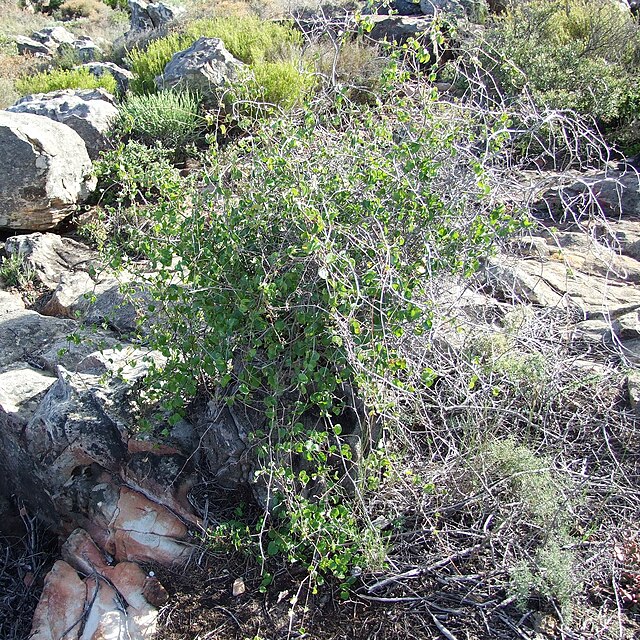
- Dioscorea elephantipes (Elephant's Foot) — Distinctive caudex with a tortoise-shell-like textured pattern. A winter-grower that is dormant in summer
- Euphorbia guillauminiana — Long, slender stem creates a unique character. Hardy, easy to grow, and highly collectible
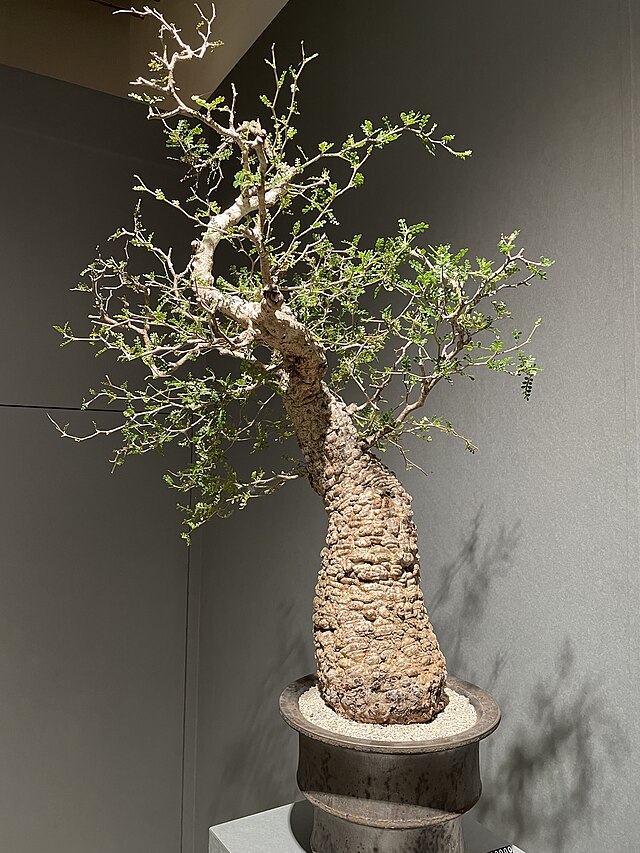
- Operculicarya decaryi — Beautiful balance between a woody stem and fine foliage. A popular species enjoyed with a bonsai sensibility
GrowerDirect's Safety and Assurance
GrowerDirect is a platform where you can purchase caudex plants directly from growers. We have implemented the following systems to ensure beginners can confidently acquire caudex plants:
- Abundant Seedlings: We carry many seedlings grown in Japan's climate that are easy to manage, so you can start growing them immediately without root-development care
- Direct Grower Contact: You can ask sellers directly about root condition, current growing conditions, watering history, and more, so you understand the plant's status before purchase
- Growing Support: You have access to expert growers who can advise on dormancy management, soil selection, and other care questions after purchase
- Fair Pricing: Because there are no middlemen, you get quality plants at fair prices that reflect their quality
- Vetted Growers: GrowerDirect features vetted domestic growers and enthusiasts, so you can discover rare varieties not found in conventional shops
Caudex plants are "living sculptures" that bring years of enjoyment with proper knowledge and a little care. Start with an easy-to-grow seedling, and introduce its unique presence into your interior space.