Complete Guide to Growing Pachypodium rosulatum | A Caudiciform with Striking White Stems
We explain how to grow Pachypodium rosulatum. Covering differences from Gracilius, soil, watering, winter dormancy management, and tips for growing from seed—here's a complete guide to caring for this beautiful white-stemmed species so you can enjoy it for years.
Key Takeaways
We explain how to grow Pachypodium rosulatum. Covering differences from Gracilius, soil, watering, winter dormancy management, and tips for growing from seed—here's a complete guide to caring for this beautiful white-stemmed species so you can enjoy it for years.
Related Species
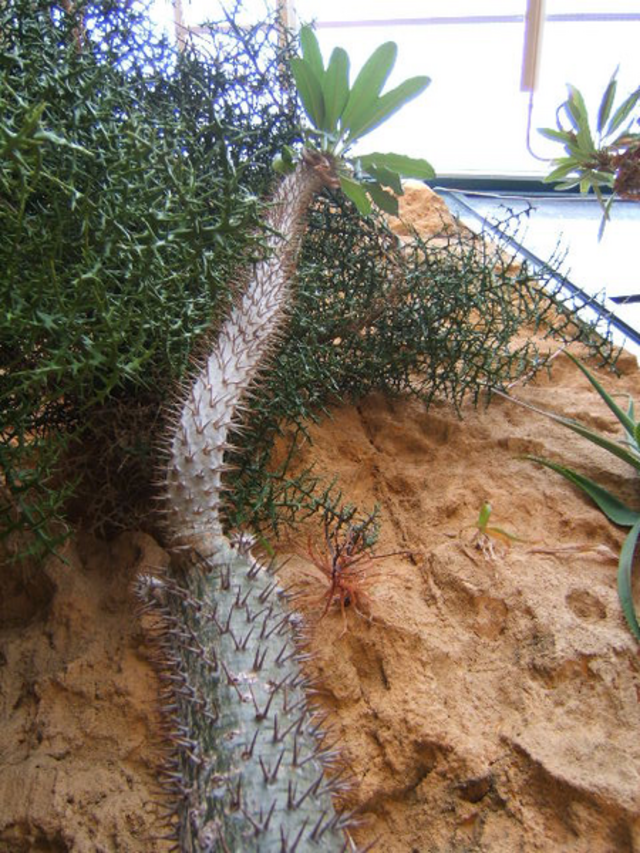
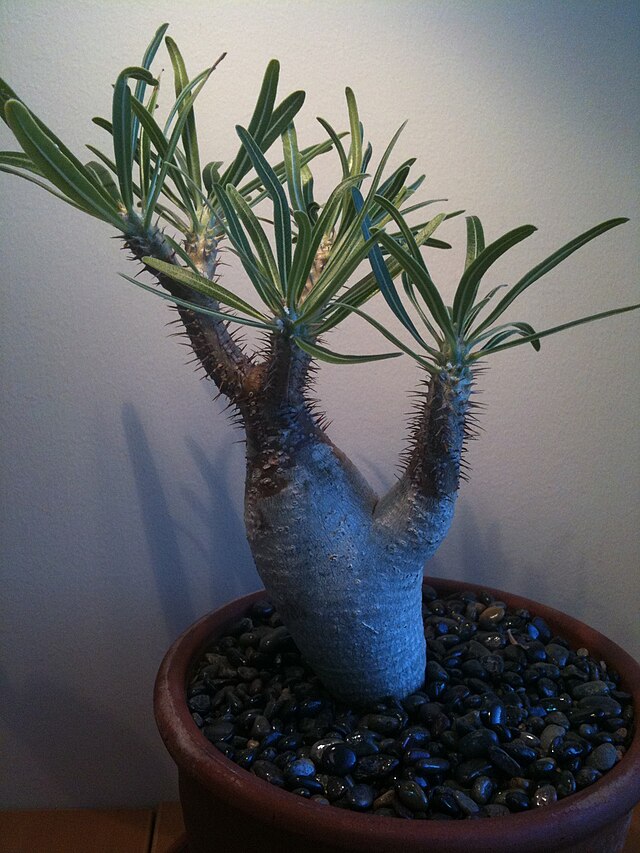
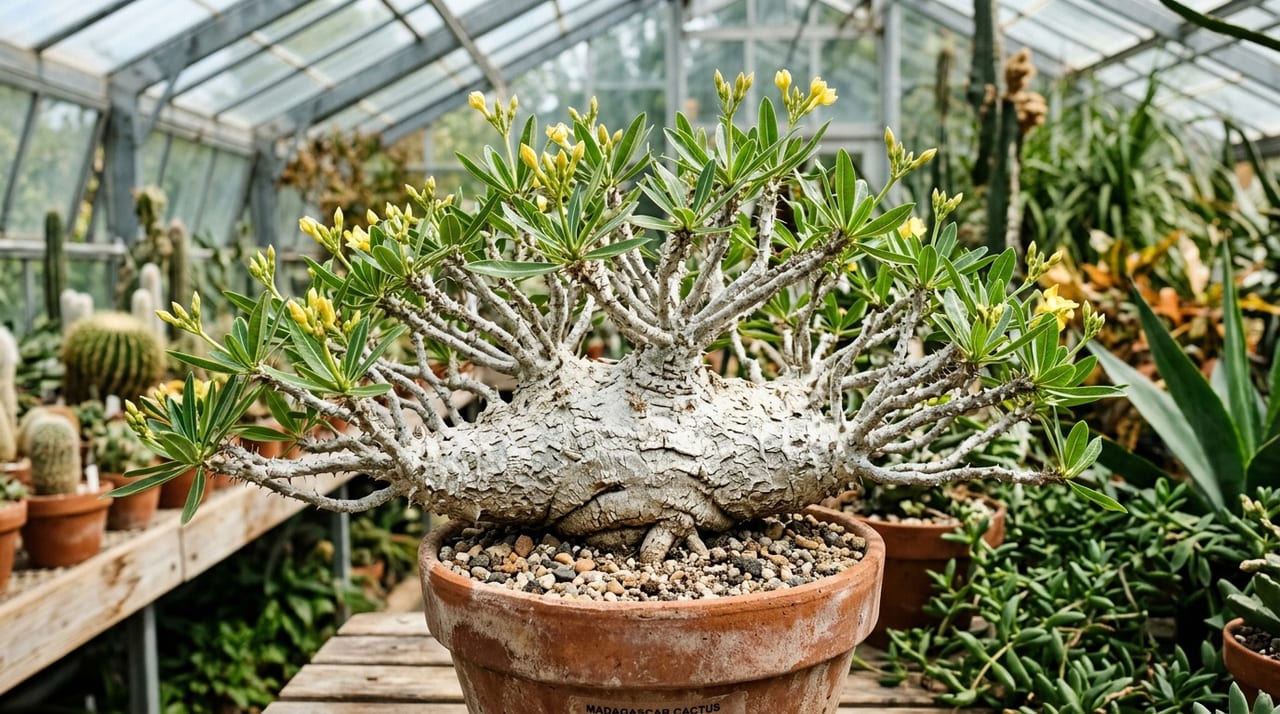
When we think of Pachypodium, Gracilius comes to mind first, but the genus also includes the captivating Pachypodium rosulatum. Native to Madagascar, at maturity it bears thick, flattened caudices topped with short branches spreading radially, producing yellow flowers in early summer. While less commonly available than Gracilius, it enjoys steady popularity for its distinctive form and abundant flowering.
Understanding the Differences from Gracilius
Although Rosulatum and Gracilius are from the same genus and visually similar, there are several clear differences.
| Item | Gracilius | Rosulatum |
|---|---|---|
| Stem form | Tends to grow upright and typically develops a bottle-like swollen shape | Spreads horizontally in a somewhat flattened manner; as it matures, typically develops fine branches in a fan-like arrangement atop a low caudex |
| Flower color | Yellow | Yellow |
Both Gracilius and Rosulatum bear yellow flowers, which makes them hard to tell apart by bloom, so the shape of the stem is the main identification point. The native habitats also differ slightly in elevation and climate; Rosulatum includes populations native to somewhat cooler environments, so it requires even more attention to summer heat and humidity than Gracilius does. Recognizing that different species within the genus have different requirements makes it easier to plan care when collecting multiple varieties.
Soil and Pot Selection
Like most caudiforms, root rot from excessive moisture is Rosulatum's greatest risk. Use hard-textured potting mixes such as akadama or kanuma as a base, then add 30–40% pumice or perlite, prioritizing drainage above all. Choose pots with good airflow, such as terracotta or slotted pots; using a pot one size smaller than the plant's root ball encourages water uptake and produces a more compact form. Plant with the caudex slightly above soil level to prevent it from being buried. When repotting, gently loosen the roots and be careful not to remove too much old soil; repot into fresh mix while keeping the root ball largely intact.
Watering and Seasonal Care
During the growing season from spring through autumn, water thoroughly until it drains from the pot's bottom once the soil surface is completely dry. While leaves are actively photosynthesizing, maintain a wet-dry cycle but avoid extreme drought. As temperatures drop in autumn and leaves yellow and fall, this signals time to gradually reduce watering frequency. During winter dormancy, essentially withhold water, allowing the stem to develop light wrinkles as it dries. Even with complete drought stress, the caudex retains stored moisture, so minor wrinkles are not a sign of death. Ideally, place the plant indoors on a bright windowsill where temperatures stay above 10°C. Since sudden temperature swings stress the plant, bring it indoors from outdoors earlier rather than later.
Growing from Seed and Growth Rate
Rosulatum is available as seed, which germinates readily when sown shallowly in clean soil at around 25°C. For 1–2 years after germination, seedlings have fine roots vulnerable to drought, so avoid total water stress and maintain slightly moist soil instead. Growth is slow; years pass before the caudex develops substantial bulk. Resist rushing and keep seedlings from stretching; growing them in bright light with long photoperiods produces compact, well-formed plants—the foundation for beautiful caudices later. Young seedlings are prone to leaf scorch from sudden direct sun, so acclimate them for a few months in bright dappled light before gradually increasing light intensity.
Managing for Blooms
Established plants produce flower buds from early to mid-summer, bearing yellow blooms. Flowering depends on sufficient light and whether the plant accumulated reserves by growing lush foliage the previous year. After flowering, seeds can be collected and, if successfully pollinated, offer the pleasure of growing new plants from seed. With its horizontal branching habit and yellow flowers—distinct from Gracilius—Rosulatum is well worth considering for anyone looking to diversify a caudiciform collection. To maintain good flowering, repeat the annual cycle of thoroughly withholding water during dormancy to rest the plant, then applying moderate fertilizer during the growing season to rebuild vigor.
Pests, Disease, and Damage
Rosulatum is relatively pest-resistant, but scale insects and spider mites may appear at branch bases in poorly ventilated conditions. Inspect the plant regularly, and remove any white cottony deposits promptly. Overwatering and root rot are the most serious concerns for caudiforms; if the stem or caudex suddenly softens or discolors, rot is advancing. If caught early, removing the affected tissue with a clean blade, drying the cut surface, and repotting into fresh soil can save the plant. Develop a habit of checking soil moisture with your finger before watering to catch problems early. Freshly repotted or recently shipped plants are especially vulnerable to root damage, so after purchase, water sparingly until the plant adjusts to its new home—patience and restraint are essential for long-term success.