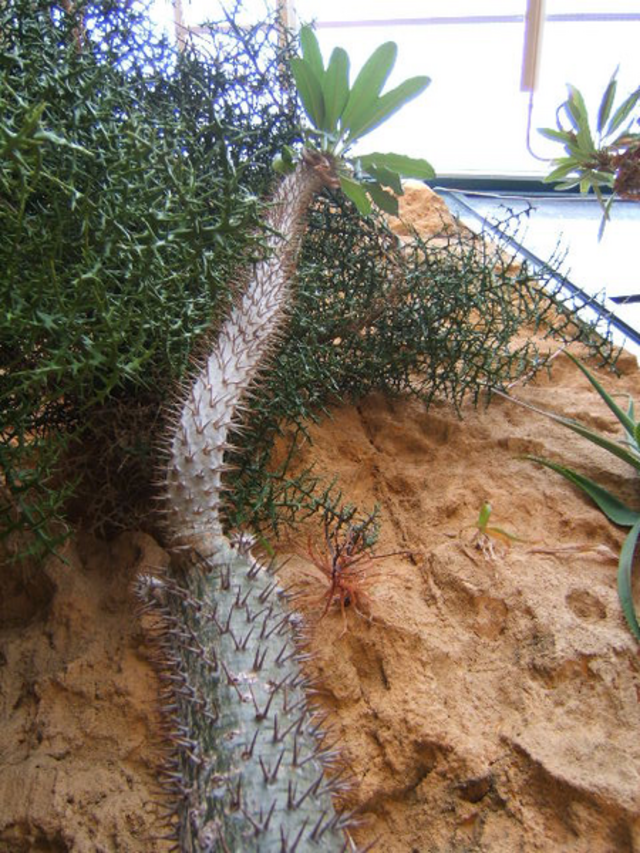
Source: Wikimedia Commons
Pachypodium
IntermediatePachypodium
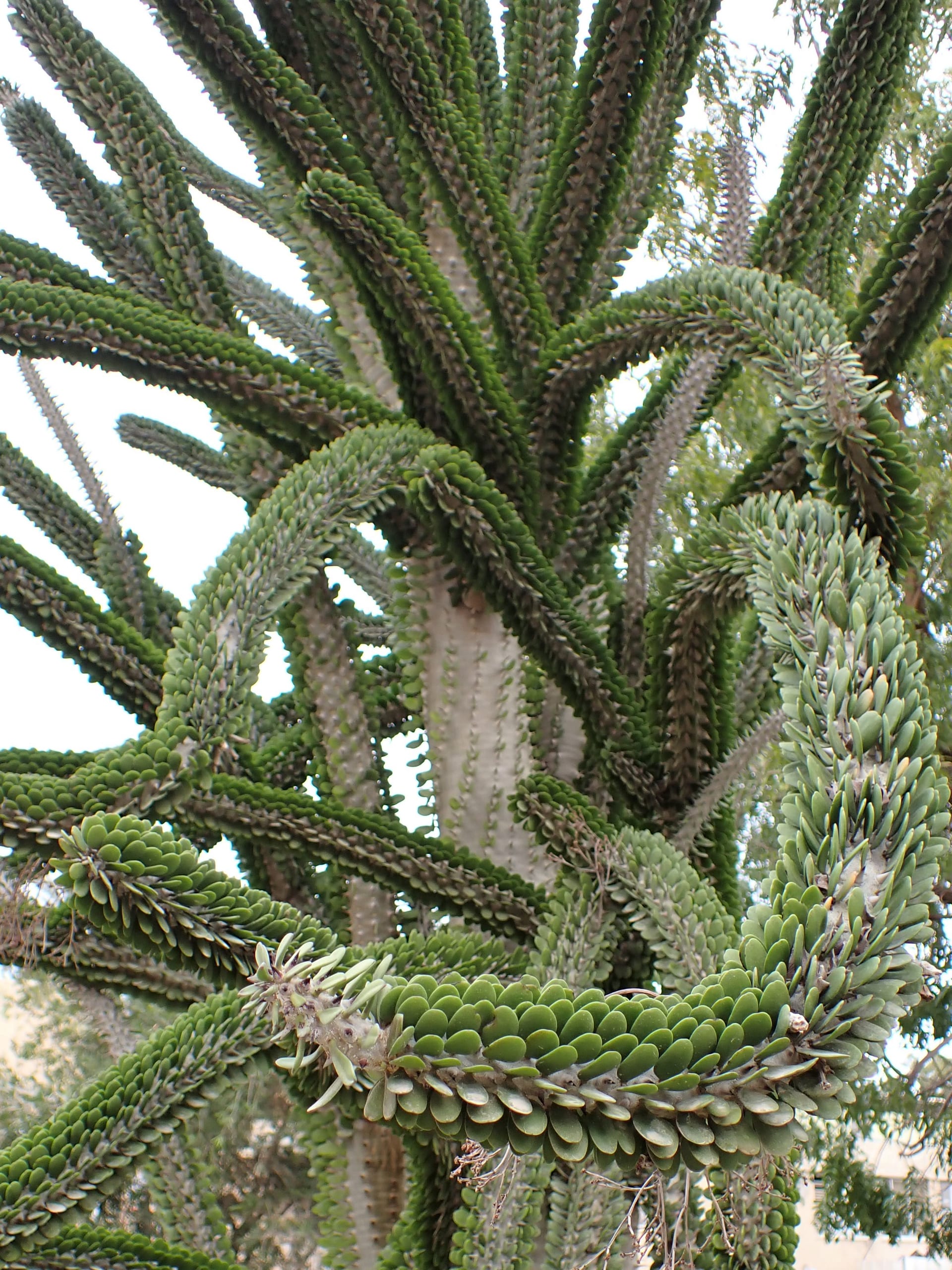
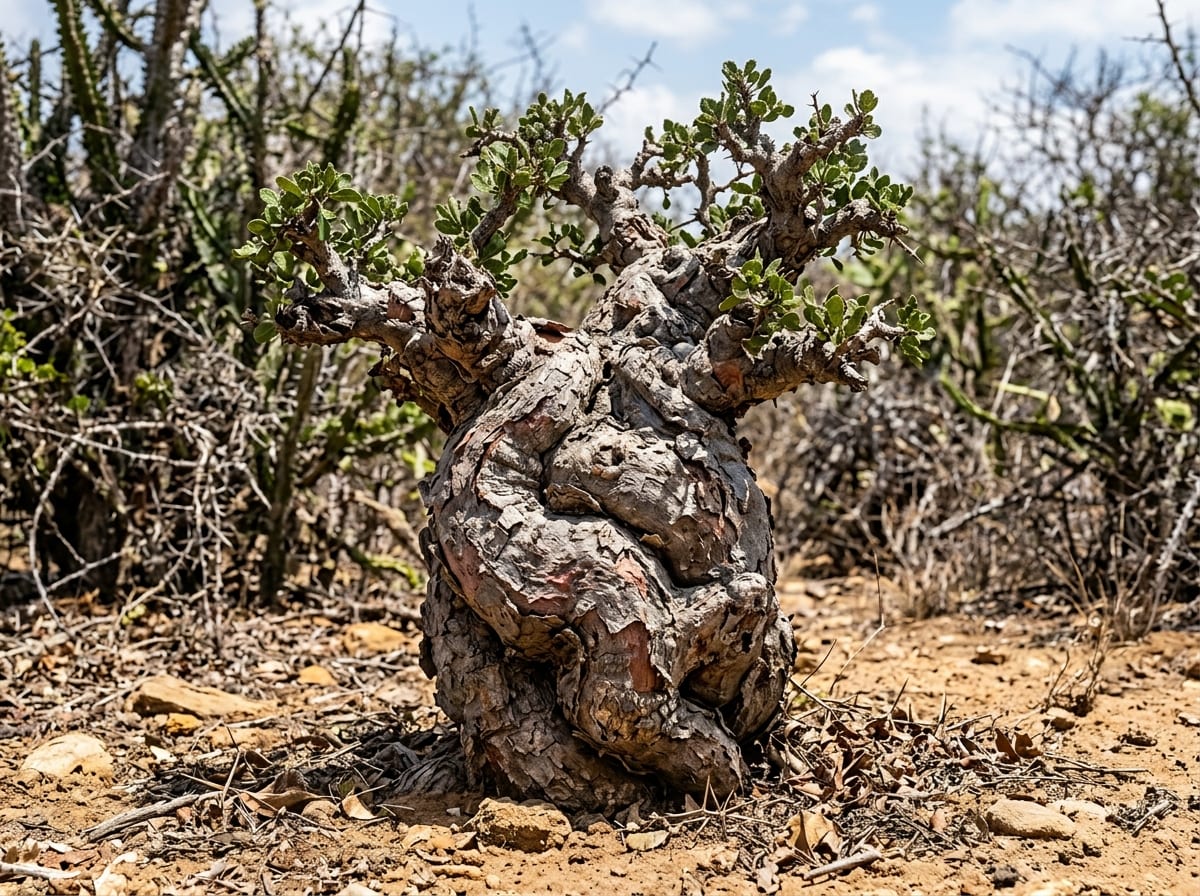
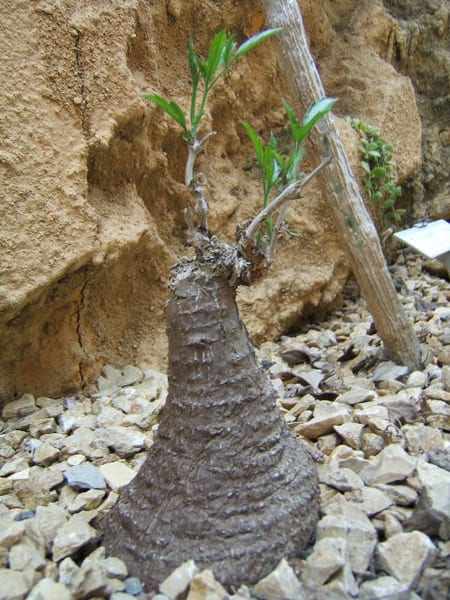
Caudex plant from Madagascar. Fascinating contrast between thick thorny trunk and small leaves. Rapidly growing popularity.
About
Pachypodium is a genus of succulent, spiny trees and shrubs in the family Apocynaceae, native to Madagascar and southern Africa. The genus is renowned in caudex and caudiciform plant cultivation for its dramatically swollen, water-storing trunks and stems. Prominent species include P. lamerei (Madagascar palm) and P. rosulatum var. gracilius (gracilius), the latter prized for its globe-shaped caudex. Growth is extremely slow; plants in cultivation may take decades to reach 30–100 cm. During the warm growing season, full sun and moderate watering are required. As temperatures drop in autumn, plants shed leaves and enter dormancy, during which water should be withheld. All species are listed under CITES appendices, restricting international trade.
Source: Wikipedia (CC BY-SA 4.0)
Lifespan of the Pachypodium
The Pachypodium lives 10-30 years.
Size of the Pachypodium
The Pachypodium grows to 10cm-1m (potted).
Temperature & humidity for the Pachypodium
The ideal temperature for the Pachypodium is 10〜40℃.
A minimum winter temperature of around 10°C must be maintained, necessitating indoor overwintering in temperate climates.
Basic Info
Origin
Madagascar and Africa
Lifespan
10-30 years
Size
10cm-1m (potted)
Temperature
10〜40℃
Humidity
30〜50%
Growing Tips
Light & Placement
Give it full direct sun during the spring-to-summer growing season. Without enough light the trunk stays weak and stretches, so keep it in a sunny spot outdoors.
Watering
Plenty during growing season. Complete drought in winter
Temperature & Overwintering
Keep between 10 and 40°C, never letting it drop below 10°C. In Japan, indoor management in winter is the norm.
Dormancy Care
As temperatures fall in winter it drops its leaves and goes dormant. Withhold water or give only a tiny amount, and resume watering once new growth appears in spring.
Soil & Repotting
Use a very fast-draining mix with plenty of pumice. Growth is very slow, so repot in the growing season only once the roots have filled the pot.
Notes
Growing from seed is popular. Seed freshness matters
Pachypodium FAQ
QWhat is the growing difficulty level for Pachypodium?
Intermediate. A variety suitable for intermediate growers. Requires some cultivation experience and knowledge of environment management. Pay careful attention to temperature and humidity control.
QWhat is the ideal temperature for Pachypodium?
The ideal temperature for Pachypodium is 10〜40℃. Avoid sudden temperature changes and maintain a stable environment.
QWhat is the lifespan of Pachypodium?
The average lifespan of Pachypodium is 10-30 years. With proper cultivation environment and nutrient management, you can keep it healthy for a long time.
QHow large does Pachypodium get?
The mature size of Pachypodium is 10cm-1m (potted). This may vary slightly depending on cultivation environment and individual differences.
QWhat is the typical price for Pachypodium?
The price of Pachypodium varies significantly by variety, characteristics, size, and lineage. Please check GrowerDirect's price guide for the latest market information.
Last updated: September 25, 2026
References & Sources
Edited & verified by: GrowerDirect Editorial Team
The classifications, regulations, and growing data on this page are created and verified based on the primary information database below.
Primary sources
Taxonomy & Authority
Accepted name: Pachypodium Lindl.
Authority databases: GBIF
Nomenclature follows global taxonomic authority databases.
Regulations & Conservation Status
Sources: CITES — Pachypodium spp. Appendix II
Regulations may change. Always verify the latest information with the relevant authorities.
Related Species
Find listings for this species
Related Articles
Pachypodium gracillis Care Guide | Growing Thick Caudex from Seed
A practical guide to caring for Pachypodium gracillis, a popular caudex plant. Covers seed propagation and cultivation, choosing the right soil and pots, summer growing season and winter dormancy management, and secrets to watering and fertilization for developing thick caudexes.
Pachypodium Species Guide | Characteristics and Differences of Gracilis, Brevicaule, and Baronii
A detailed introduction to the most popular Pachypodium species. This guide explains the characteristics and differences of Gracilis, Brevicaule, Baronii, Lamerei, and Horombense, along with cultivation tips for each.
Pachypodium Seed Propagation Guide | From Sowing to Germination and Growth
This guide explains how to grow Pachypodium from seed. We cover everything from sourcing seeds and sowing to managing germination, caring for seedlings, and the unique joys of seed propagation.
Rooting and Initial Care of Pachypodium Gracilius
Methods for encouraging root development in imported bare-root Pachypodium gracilis. Explains the preparation of pots, soil media, and temperature conditions; watering practices during rooting (maintaining primarily dry conditions); how to confirm successful rooting and interpret key indicators; initial post-rooting care; and seasonal management guidelines.
🩺 Common diseases
Can't find the plant you're looking for?
Post your wishes for free and growers with matching plants will contact you with introductions.