Pachypodium gracillis Care Guide | Growing Thick Caudex from Seed
A practical guide to caring for Pachypodium gracillis, a popular caudex plant. Covers seed propagation and cultivation, choosing the right soil and pots, summer growing season and winter dormancy management, and secrets to watering and fertilization for developing thick caudexes.
Key Takeaways
A practical guide to caring for Pachypodium gracillis, a popular caudex plant. Covers seed propagation and cultivation, choosing the right soil and pots, summer growing season and winter dormancy management, and secrets to watering and fertilization for developing thick caudexes.
Related Species
About Pachypodium gracillis
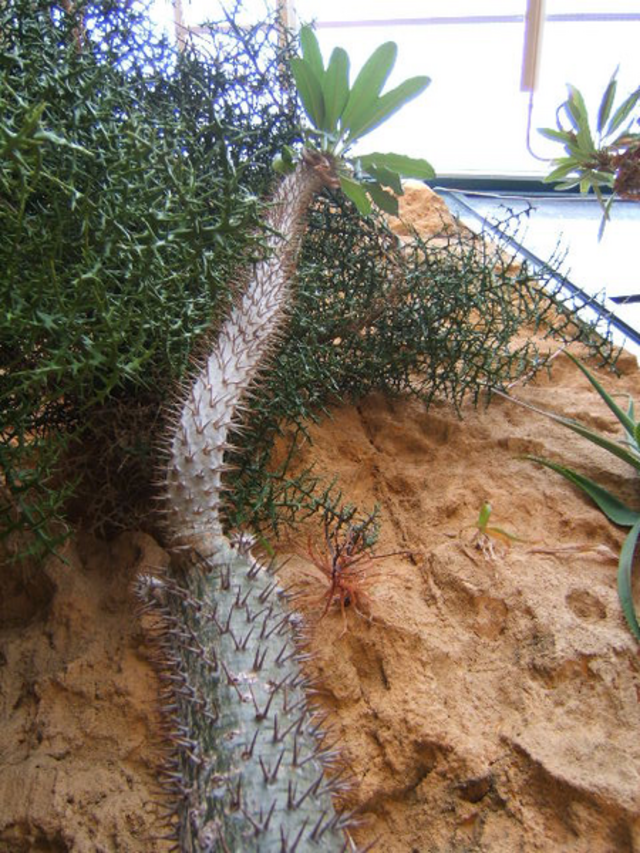
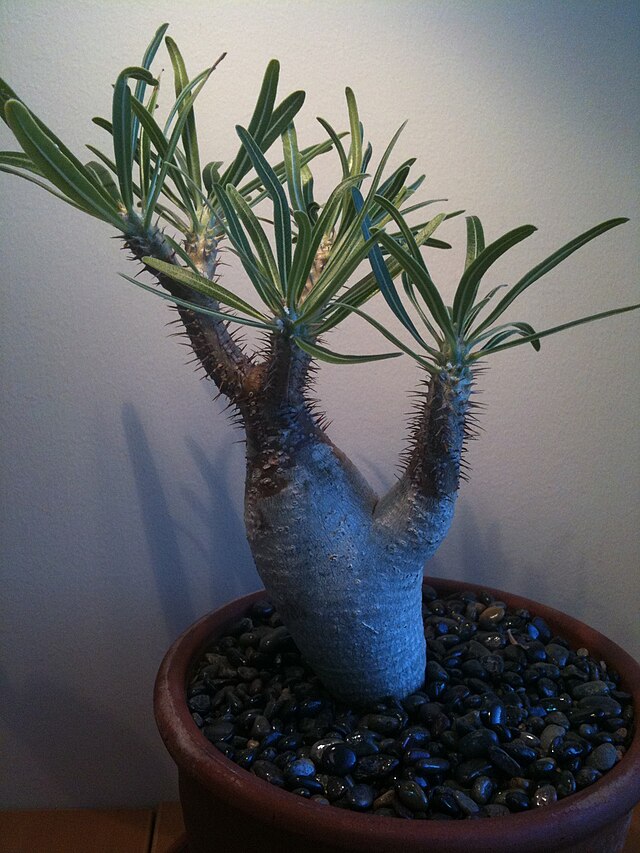
Pachypodium gracillis (Pachypodium gracilius) is a small caudex plant native to southern Madagascar, highly prized among caudex enthusiasts. It grows relatively quickly, and can form an impressive caudex within a few years from seed, making it widely cultivated by growers of all skill levels.
In its native habitat, it is adapted to an environment with distinct dry and rainy seasons, and understanding this growth cycle is key to successful cultivation. As wild plant imports have become increasingly restricted, seed propagation has become the mainstream method. With proper care, it can develop into a substantial caudex in 5–10 years.
Propagation from Seed
Pachypodium gracillis seeds have a relatively high germination rate and are well-suited to seed propagation. The ideal sowing period is spring to early summer (April–June), when temperatures can stably maintain 20°C or higher.
Fresher seeds have higher germination rates, and it is best to use seeds collected within one year. Soaking seeds in lukewarm water for 12–24 hours before sowing promotes germination. Use well-draining soil mix prepared by combining small-grain akadama soil and vermiculite in approximately a 7:3 ratio. Place seeds on the soil surface and cover lightly with soil.
Use the capillary watering method to keep soil consistently moist; germination typically begins within 1–2 weeks in temperatures of 25–30°C. Even after germination, maintain relatively high humidity for the first year and water before the soil dries completely to promote early growth. While some growers worry about stretching at this stage, Pachypodium gracillis can have its shape corrected through later management, so it is best to prioritize root and caudex development first.
Choosing Soil and Pots
Soil selection is extremely important for developing large caudexes. Pachypodium gracillis is a vigorous root-developer, and soil with excellent drainage and aeration is essential.
The recommended mix is small-grain akadama soil 40%, small-grain pumice 30%, leaf mold or coco fiber peat 20%, and charcoal or zeolite 10%. Some growers eliminate organic matter entirely, but for young plants especially, moderate organic matter promotes growth. However, as plants mature, increase the proportion of inorganic materials; ultimately shifting to a mix centered on akadama and pumice will produce a firm, compact caudex.
Choose deep pots to provide ample space for roots to develop downward. Plastic pots retain moisture well and promote growth, while clay pots dry faster and are better for developing firm caudexes. Using different pot types according to the growth stage helps achieve ideal form.
Repot every 2–3 years before the spring growing season. Break up the root ball slightly (about 1/3), remove damaged roots, and plant in fresh soil. After repotting, withhold water for about a week to allow cut roots to heal before gradually resuming watering.
Watering and Fertilization
To efficiently thicken the caudex, varied watering is key. During the growing season (April–October), water thoroughly until it drains from the pot bottom about 2–3 days after the soil dries completely. This "drought stress" triggers caudex thickening.
A common mistake beginners make is overwatering. When soil is constantly moist, the risk of root rot increases, and the caudex becomes waterlogged and lacks firmness. Watering when leaves just begin to wilt encourages the plant to store water, promoting caudex development.
During the growing season, fertilize 1–2 times per month using liquid fertilizer diluted to twice the recommended strength. Excess nitrogen promotes stretching, so choose a fertilizer with slightly more phosphorus and potassium. For flowering, emphasize phosphorus-rich fertilizers.
During dormancy (November–March), the rule is complete withholding of water; however, if cultivating with indoor heating, give only a light misting about once per month. Overwatering during this period weakens dormancy and harms next year's growth. For comprehensive dormancy management, see Caudex Plant Off-Season (Dormancy) Management Guide.
Light and Temperature Management
Pachypodium gracillis prefers strong light, and insufficient sunlight causes stretching and weak growth. During the growing season, keep in direct sun, ensuring at least 5–6 hours of daily light. However, intense western sun in mid-summer can cause leaf burn, so shading by about 50% from midday onward is safer.
For seedlings in their first 1–2 years, manage in lightly shaded conditions (30–50% shade) and gradually acclimate to brighter light for robust growth. Sudden environmental changes cause leaf drop and growth cessation, so transition seedlings outdoors gradually in spring.
Cold tolerance is relatively low; when minimum temperatures drop below 15°C, it defoliates and enters dormancy. Below 10°C, roots risk damage, so bring indoors by late autumn. In winter, keep in a bright south-facing window or similar location, maintaining temperatures above 5°C.
With heating, maintaining above 18°C in winter allows continued growth with leaves intact; however, some argue that letting plants experience natural dormancy cycles produces healthier long-term growth. Decide based on your growing space and goals.
Pest Control and Shaping
Pachypodium gracillis is relatively pest-resistant, but scale insects, spider mites, and aphids can occur. Poor ventilation in indoor settings makes spider mites especially likely, so regular misting and observation are important. Remove physically with a toothbrush when discovered, or use appropriate insecticide.
Root rot is the most serious concern, caused mainly by overwatering and low temperature. If the caudex softens or discolors, immediately remove from the pot, completely cut away rotted tissue, treat with fungicide, and dry. Light cases can recover, but prevention is paramount. For detailed treatment when root rot appears, see Complete Caudex Root Rot Treatment.
Shape the plant by pruning stretched branches or pinching tips to encourage branching. Prune early in the growing season and apply wound sealant to cut surfaces to prevent infection. Pachypodium gracillis tolerates hard pruning well.
Exposed-root cultivation is also popular, creating distinctive forms by gradually revealing the base at each repotting. Sudden exposure weakens the plant, so expose gradually over several years.
With proper care, Pachypodium gracillis reliably thickens its caudex each year and produces beautiful yellow flowers in spring. Growing from seed over 10 or 20 years offers the joy of developing a uniquely personal plant. Don't fear failure; observe the plant's response and find your ideal growing environment.
Rooting Management: The First Challenge with Bare-Root Plants
Imported bare-root plants arrive with no roots or roots trimmed short. Root establishment is the first and most critical step in Pachypodium gracillis cultivation. Failure here means plant death, so carefully set up the environment.
Basic Conditions for Root Development
- Temperature: 28–35°C is ideal. High heat strongly promotes rooting. Starting in the rainy season through summer raises success rates.
- Light: Place in a bright location; direct sun is acceptable. The plant's own photosynthesis to create energy is key to rooting.
- Bottom heat: Placing the pot on a heat mat warms the rooting zone and dramatically accelerates root emergence.
- Humidity: 75–85%. Enclosing in sealed plastic bags or cases is also effective.
Watering Approach
Historically, "complete withholding of water until rooting is confirmed" was standard; now, light misting or minimal watering while monitoring is widespread. Limit watering to a small amount at the plant base only after soil dries completely, and be careful to avoid overwatering and root rot. Using rooting promoters like oxybenzene (indolebutyric acid) or rooting hormone can increase success rates.
Signs of Rooting
When you lightly lift the plant and it feels anchored to the soil like a suction cup, that's a sign of rooting. New shoot emergence is strong evidence as well. Rooting can take 2–3 weeks in fast cases, or 3–4 months in slow ones. Continue observing without rushing.