Moringa Care Guide | The Appeal and Management of the "Tree of Life" Caudex Plant
Fast-growing Moringa, also known as the "Tree of Life." This guide covers the appeal of this caudex plant and key care points including seed propagation, placement, watering, and winter dormancy.
Key Takeaways
Fast-growing Moringa, also known as the "Tree of Life." This guide covers the appeal of this caudex plant and key care points including seed propagation, placement, watering, and winter dormancy.
Related Species
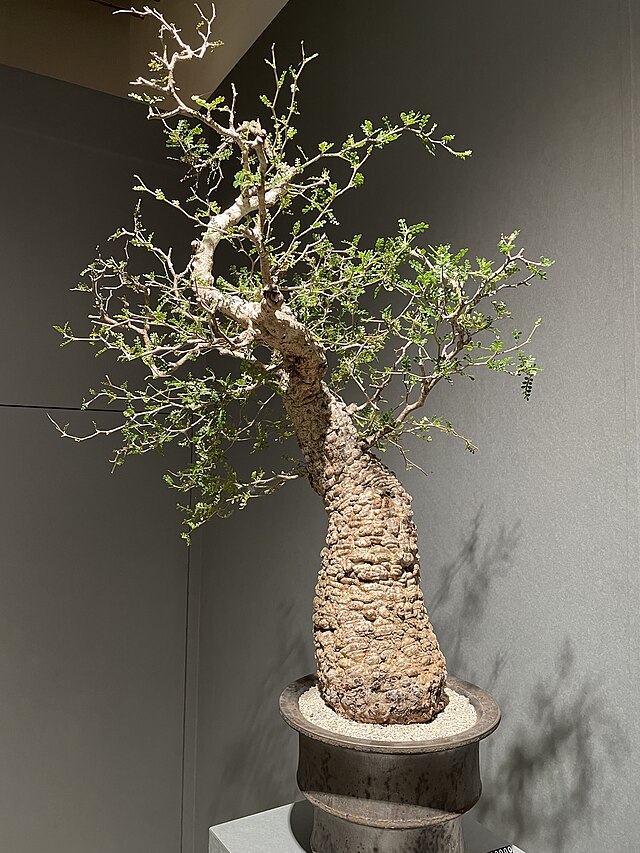
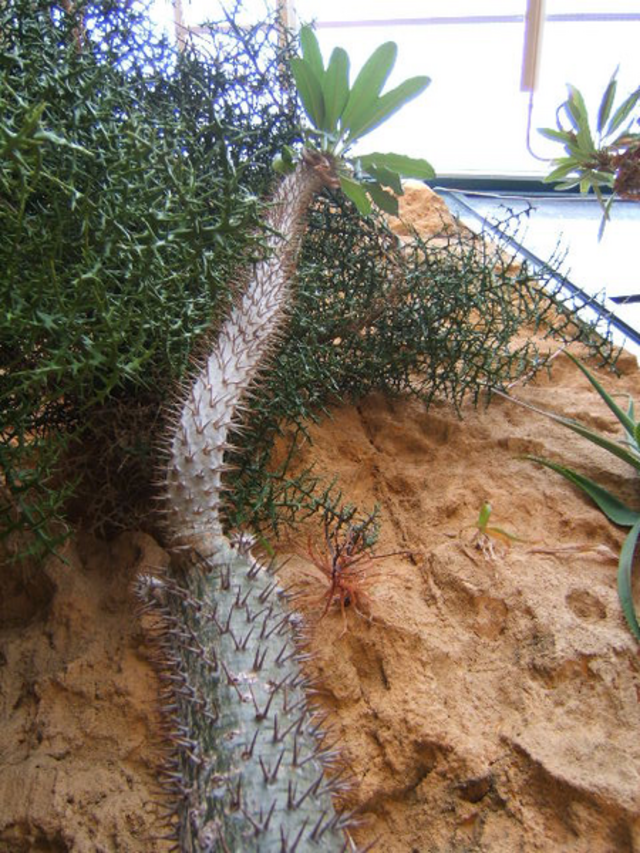
Moringa (Moringa oleifera) is a deciduous tree native to the arid regions stretching from northwestern India to the foothills of the Himalayas. Known as the "Tree of Life" and "Miracle Tree" because leaves, seeds, and roots are all rich in nutrients, its use as food and medicine has been widely documented since ancient times. In recent years, gardeners have discovered that when grown in pots, the base swells attractively to take on the characteristic form of a caudex (caudex plant), and it has become a popular addition to plant collectors' shelves. As a caudex plant with distinctive "dynamic growth" unlike Pachypodium or Adenium, this guide explains its appeal and care methods in detail.
Moringa's Ecology and Position Among Caudex Plants
Moringa is a deciduous tree classified in the Moringaceae family, genus Moringa, and can exceed 10 meters in height in its native habitat. Its most notable feature is its rapid growth rate—even when grown from seed, branches and leaves develop vigorously within just a few months. Like plants native to arid regions, it stores water and nutrients in its trunk and roots, which leads to the swelling of the base when grown in pots.
In the world of caudex plants, many types like Pachypodium gracilius or Operculicarya pachypus develop their thickened base slowly over many years. Moringa, by contrast, grows rapidly, allowing you to enjoy dramatic changes in the bulbous base in a relatively short period. As a caudex plant where you can visually experience vigorous vitality itself, adding it to your collection brings dynamic movement to your shelf.
When planted in the ground, the taproot tends to grow straight down, making it difficult to develop the rounded, caudex-like thickened base. Controlling the spread of roots through container cultivation is a prerequisite for achieving the characteristic caudex form.
Seed Sowing and Germination Tips
Moringa is commonly grown from seed and is one of the easier plants to source. Following the steps below will help ensure consistent germination rates.
- Since the seed coat is hard, soak seeds in clean water for one night (approximately 12–24 hours) before sowing to allow hydration.
- Plant at a depth of approximately 1–2 cm in well-draining soil mix (such as fine-grained akadama or seed-starting mix).
- Keep soil from drying out completely and place in a warm season when temperatures consistently exceed 20°C.
- With favorable conditions, germination occurs in approximately 1–2 weeks, followed by very rapid initial growth.
True leaves unfold rapidly after germination, so it is important to manage seedlings in a bright location from an early stage to prevent stretching. If you want to develop a thickened caudex base, using a smaller pot from the start to restrict root spread will influence the plant's final form.
Light, Watering, and Soil Management
Light
Moringa is a sun-loving plant. Outdoors, a location with full sun all day is ideal, and longer photoperiods promote a fuller trunk and a characteristically thick caudex form. When managing indoors, light through lace curtains is often insufficient; instead, place it in a south-facing window with direct sun or make a habit of taking it outside on sunny days for sun exposure. When moving outdoors in midsummer, gradually acclimate it to the sun over several days to prevent leaf scorch.
Soil and Watering
Prioritize drainage when choosing soil. Commercial houseplant potting mix alone may retain too much water, so a blend with added akadama (medium grain), pumice, and perlite to improve aeration and drainage is recommended.
The basic watering approach is to "water thoroughly only after the soil surface is completely dry"—a style with clear distinction between wet and dry. During the growing season the plant uses considerable water, but constantly wet conditions easily lead to root rot. Avoid leaving water standing in the saucer.
Fertilizer
During the growing season, apply slow-release fertilizer or diluted liquid fertilizer regularly to support vigorous growth. However, if you want to maintain a compact, caudex-like base, applying too much nitrogen-rich fertilizer will encourage excessive branch and leaf growth, leading to stretching. Adjust the amount conservatively while observing the plant's condition, managing it with the idea of encouraging nutrient storage in the trunk—this approach promotes a more balanced form.
Pruning and Tips for Promoting Caudex Development
Moringa's growth is extremely vigorous, so if left unpruned it will become overly dense. Regular pruning to shape the form is an important management task for enjoying it as a caudex plant.
- Heading-back pruning: Cutting back overgrown branches above a node encourages nutrient concentration toward the base, making the trunk more likely to thicken.
- Timing: Pruning during the growing season (spring through autumn) promotes rapid regrowth and fast recovery. Because of its fast growth rate, even aggressive pruning produces new growth relatively quickly.
- Pot size management: Frequently repotting into larger containers encourages root spread and inhibits caudex development. Carefully time upsizing and maintain a slightly root-bound state—this promotes thickening of the base.
Pruned branches can be used for cuttings. Though rooting success is somewhat unpredictable, placing cuttings in clean soil in a bright location may produce roots. Cuttings develop a thickened base less readily than seed-grown plants, but it is worth trying.
Winter Care and Dormancy Management
Moringa has low cold tolerance and enters dormancy by dropping its leaves when temperatures fall below 10°C. Leaving it outdoors in the cold will damage the plant, so bringing it indoors before temperatures drop is essential.
Winter care focuses on the following points.
- Location: Place in a bright, warm indoor window, minimizing exposure to low temperatures.
- Watering: After leaf drop, transpiration nearly ceases, so reduce watering frequency significantly and keep soil on the dry side. Water sparingly about once or twice per month when the soil surface is completely dry.
- No need for excessive worry: Even if all leaves drop and only branches remain, if the base is well-developed, the plant will typically leaf out again as temperatures rise in spring. Winter leaf drop is a normal dormancy response, so avoid the temptation to overwater.
Conversely, in warm indoor environments with stable temperatures, the plant may continue growing and retain its leaves even in winter. In that case, water more regularly while maintaining adequate light.
Combining Moringa with Other Caudex Plants and Enjoying Your Collection
Adding Moringa to a caudex collection brings dynamic movement to your entire display. Placing it alongside slow-growing varieties like Pachypodium gracilius or Operculicarya pachypus creates striking contrast, making each plant's distinct character stand out more vividly.
Moringa is also relatively easy to source and reasonably priced, making it ideal as a first caudex plant for beginners. Because growth changes are clearly visible, you can learn care techniques while growing it—a significant advantage.
The ability to use leaves as food is another distinctive feature of Moringa, offering a unique way to enjoy the plant—observing it for its form while using surplus leaves in daily life. It is a plant with a presence unlike any other, offering both the qualities of a superfood and the sculptural beauty of a caudex all in a single specimen.