Caudex Plant Growth Speed and Size | Guide to Growth Rates by Species
The growth speed of caudex plants varies greatly depending on the species and whether the plant is seed-grown or field-collected. Learn about the thickening rate of the caudex in popular varieties like Pachypodium and Adenium, plus tips to promote growth.
Key Takeaways
The growth speed of caudex plants varies greatly depending on the species and whether the plant is seed-grown or field-collected. Learn about the thickening rate of the caudex in popular varieties like Pachypodium and Adenium, plus tips to promote growth.
Related Species

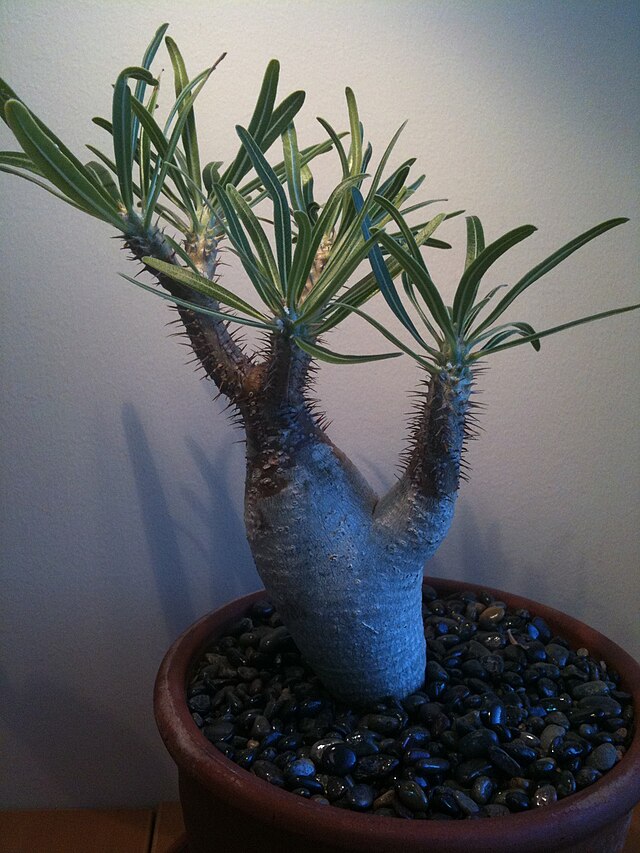
The appeal of caudex plants lies in their bulging, thickened caudex—the star of any collection. However, many people wonder "How fast do they grow?" and "How many years until they reach this size?" In reality, the growth speed of caudex plants varies significantly by species and is also influenced by growing conditions and care methods. Understanding how quickly your own plant grows is valuable both for appropriate management and for enjoying these plants over the long term. This article explains growth rate benchmarks for major species and practical tips for bringing out their full growth potential.
Growth Rate Guidelines by Species
Caudex plants show significant variation in growth speed depending on the species. Here is a summary of typical growth rates for representative species grown from seed.
| Species | Caudex Thickening Rate |
|---|---|
| Pachypodium gracilius | Approximately 1–2 cm per year (5–8 years from seed to exceed 10 cm diameter) |
| Adenium (Desert Rose) | Can thicken 2–3 cm per year; reaches an impressive size in 3–5 years |
| Operculicarya pachypus | Only a few millimeters per year (mature specimens often have histories spanning decades to over 100 years) |
| Boswellia neglecta tenuifolia | Similar to or slower than gracilius |
Pachypodium gracilius
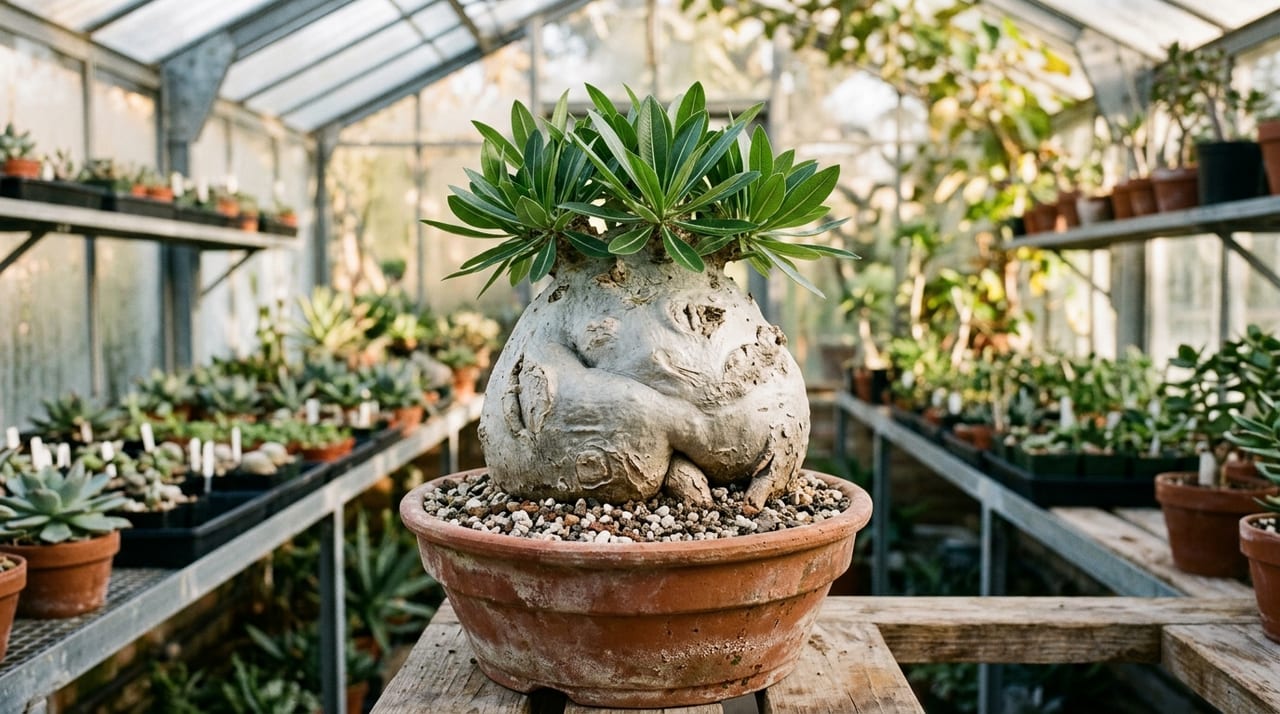
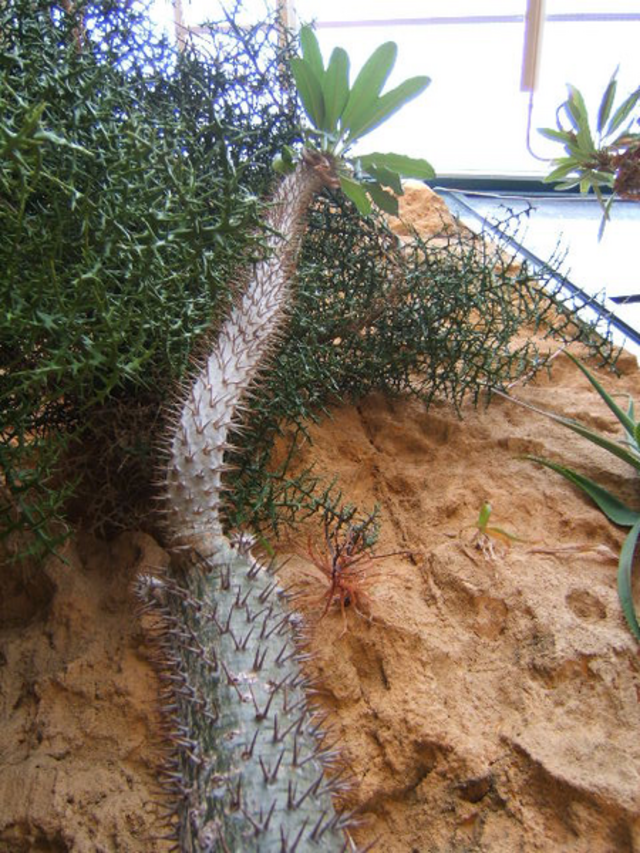
A popular species native to Madagascar, often chosen as a beginner's first caudex plant. When grown from seed, the caudex typically thickens at a rate of 1–2 cm per year, requiring 5–8 years to exceed 10 cm in diameter. In contrast, field-collected specimens from their native habitat often have histories spanning several decades or more, and their sturdy, weathered appearance is incomparable to seed-grown plants. Fundamentals of care are detailed in Pachypodium gracilius Care Guide.
Adenium (Desert Rose)
Among caudex plants, this species has relatively fast growth. With proper conditions, the caudex can thicken 2–3 cm per year, making it possible to develop an impressive-looking specimen in 3–5 years. The ability to increase branching through pruning and create a full, voluminous form is another of its appeals. Planning your pruning around Adenium's flowering period will also improve flower production.
Operculicarya pachypus
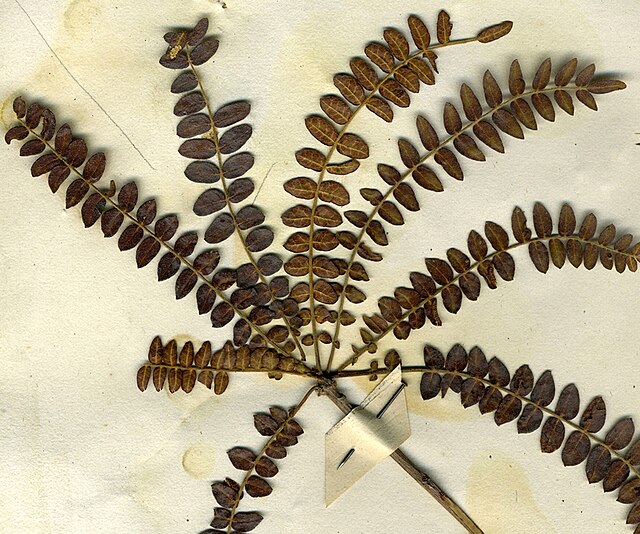
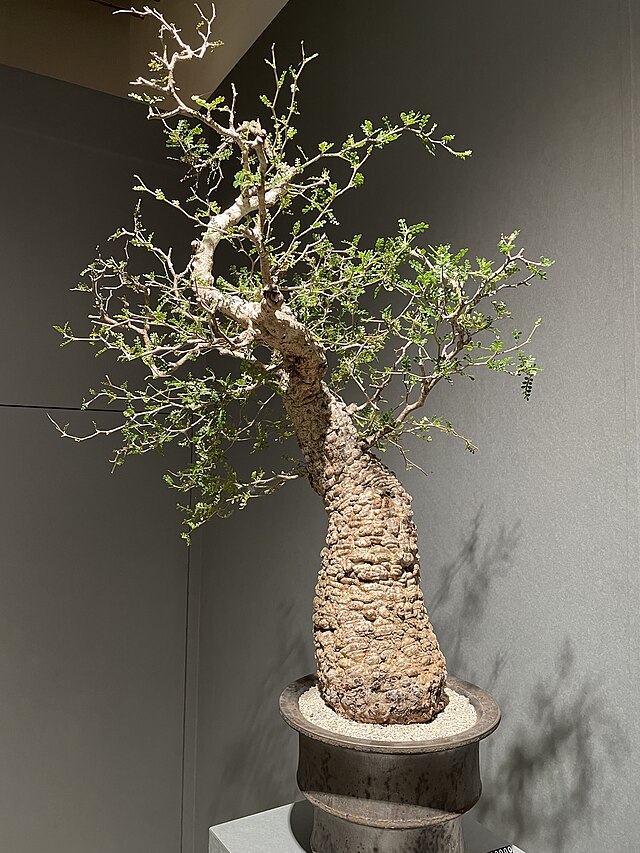
Known among Madagascan species for particularly slow growth. Caudex thickening often amounts to just a few millimeters per year, and mature specimens frequently have histories spanning several decades to over 100 years. Precisely because of this slow pace, large established specimens are prized for their rarity and value. See Operculicarya pachypus Cultivation Guide for detailed characteristics.
Boswellia neglecta tenuifolia
A species from Somalia and Kenya prized for its beautiful white bark. Growth is relatively slow, with caudex thickening at a pace similar to or slower than gracilius. It is highly drought-resistant, though it takes time to acclimate to Japan's hot, humid summers.
All these figures are merely guidelines and will vary significantly based on growing conditions such as light intensity, watering frequency, root health, and soil composition. With optimal conditions, growth may exceed these benchmarks; conversely, insufficient light or root-bound conditions will severely slow growth.
Seed-Grown vs. Field-Collected: Differences in Growth
Caudex plants fall into two broad categories—seed-grown and field-collected—which differ in their growth characteristics.
Seed-grown plants are naturally adapted to Japan's climate from the start, making their growth more stable. They require no complicated rooting procedures and thicken reliably. Their lower cost makes them ideal for beginners. Moreover, when raising a plant from seed yourself, there is the pleasure of managing the stem shape as it develops, creating a form uniquely your own. Reviewing seed germination procedures will give you extra confidence.
Field-collected specimens hold their greatest appeal in the distinctive character acquired through years in their native habitat. The texture, stem curves, and thickened caudex shaped by time cannot be replicated by a seed-grown plant—they possess a one-of-a-kind form. However, after importation, rooting must be managed carefully, and even after successful rooting, the plant may take 1–2 years to stabilize in Japan's climate. Management mistakes can result in plant death, so some experience is necessary.
For beginners, we recommend starting with an already-rooted, seed-grown plant. Once you gain cultivation experience and confidence, try your hand at field-collected specimen rooting procedures.
Cultivation Tips for Promoting Growth
Growth speed depends not only on genetic factors but significantly on daily care. By mastering the following points, you can bring out your plant's full potential.
- Maximize the summer growing season: When nighttime temperatures exceed 15°C—the main growth period—provide plenty of direct sunlight and adequate watering to promote caudex thickening
- Pot size and root space: Select an appropriately sized pot for your plant's size, and repot every 1–2 years to check root condition
- Use well-draining soil: Using highly draining soil based on Kanuma soil, pumice, and perlite significantly reduces root rot risk
- Manage winter dormancy properly: After the plant drops its leaves in autumn, switch to no watering or minimal watering, and proper dormancy management will result in stronger spring growth
Maximize the Summer Growing Season
Most caudex plants are summer-growing types, with the main growing season occurring when nighttime temperatures exceed 15°C. Providing abundant direct sunlight and adequate watering during this period promotes caudex thickening. In low-light environments, supplemental lighting with plant grow lights is also effective.
Pot Size and Root Space
Oversized pots encourage root binding, which hinders caudex thickening. Choose an appropriately sized pot for your plant and repot every 1–2 years. At repotting, inspect the roots and remove damaged or excessively tangled growth to improve absorption efficiency.
Use Well-Draining Soil
Most caudex plants originate from arid regions and are extremely sensitive to excess moisture. Using soil composed primarily of Kanuma soil, pumice, and perlite significantly reduces root rot risk. Avoid using commercial potting soil as-is if it retains too much moisture; blend it with sand or pumice instead. Refer to Caudex Plant Soil Guide for detailed soil composition.
Manage Winter Dormancy Properly
Summer-growing caudex plants drop their leaves in autumn and enter dormancy. During this period, resist the urge to water—switch to no watering or minimal watering. Proper dormancy management allows the plant to recharge, resulting in stronger spring growth. Detailed management procedures are compiled in Winter Dormancy Management Guide.
The Value of Growth Records: Documenting Change Through Numbers and Photos
Because caudex growth is so slow, changes are easy to miss without deliberate recording. For this reason, regular growth records are highly recommended.
Measure the maximum diameter of the caudex 1–2 times per year using calipers or a measuring tape, and keep a record along with photos taken from the same angle each time. This makes growth progress visible at a glance. Changes like "it was 8 cm last year but is now 9.5 cm" often go unnoticed without documentation.
Additionally, comparing growth data across years when you've changed care methods reveals how your cultivation approach affects results. Changes in soil composition, introduction of fertilizer, or relocation to a new spot—these adjustments will show up in your data and often lead to fascinating discoveries. Record-keeping transcends mere observation and becomes a real tool for steadily improving your cultivation skills.
Conclusion: Savoring Caudex Plant Growth at Your Own Pace
Caudex plant growth is never rapid, but precisely for this reason each change in a plant feels precious. Growth rates vary greatly by species, and even varieties like Pachypodium gracilius require years or more from seed to become a substantial specimen. Yet this makes the joy of cultivation all the greater.
The key to unlocking growth boils down to "maintaining healthy roots." With proper soil, appropriate pot size, a consistent watering rhythm, and sufficient light, your plant will reveal its full potential. Make daily observation and record-keeping a habit, and enjoy the long-term journey of watching your caudex plants thrive.
If you're looking for the right specimen, GrowerDirect connects you directly with specialist growers of caudex plants. After purchase, you can verify seeding dates and growth records, consult on care methods, and enjoy the assurance of growing with the support of your grower partner. Come find your perfect specimen on GrowerDirect.