How Much Does It Cost to Grow Caudex Plants? Breaking Down Monthly Running Costs
This guide explains the monthly running costs of maintaining caudex plants, including potting soil, pots, heat mats, and LED light electricity. We also compare the different initial investment costs between seedlings and wild-collected specimens.
Key Takeaways
This guide explains the monthly running costs of maintaining caudex plants, including potting soil, pots, heat mats, and LED light electricity. We also compare the different initial investment costs between seedlings and wild-collected specimens.
Related Species
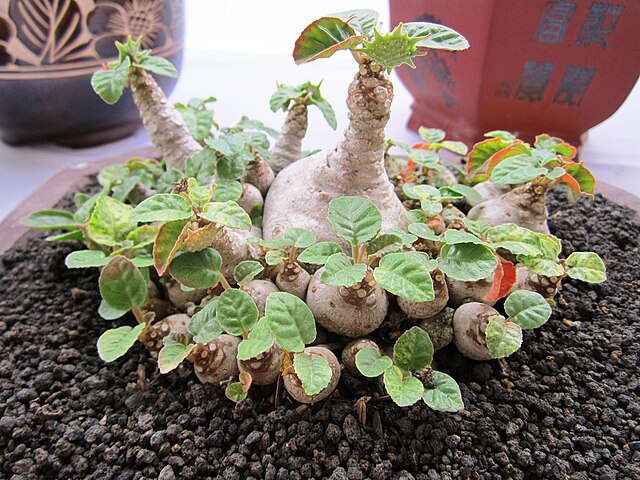
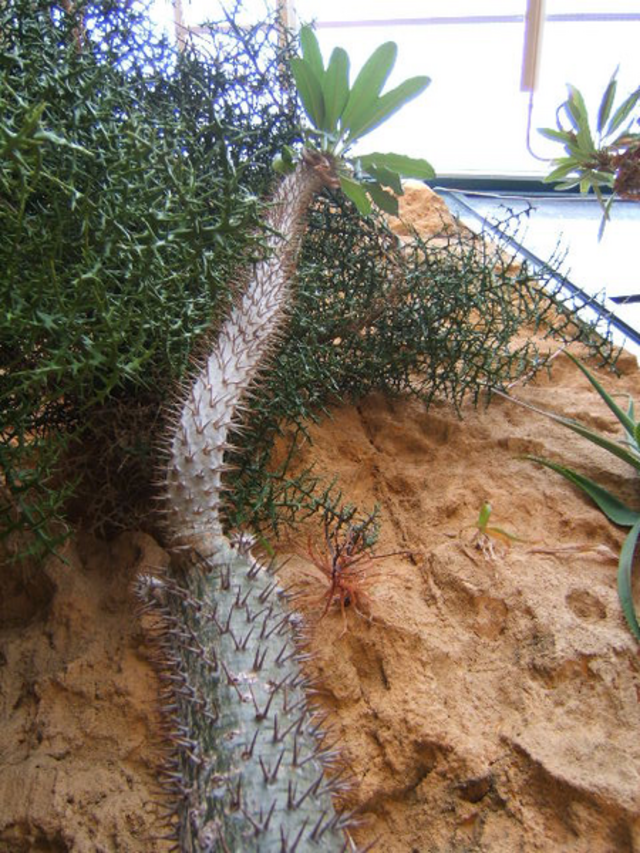
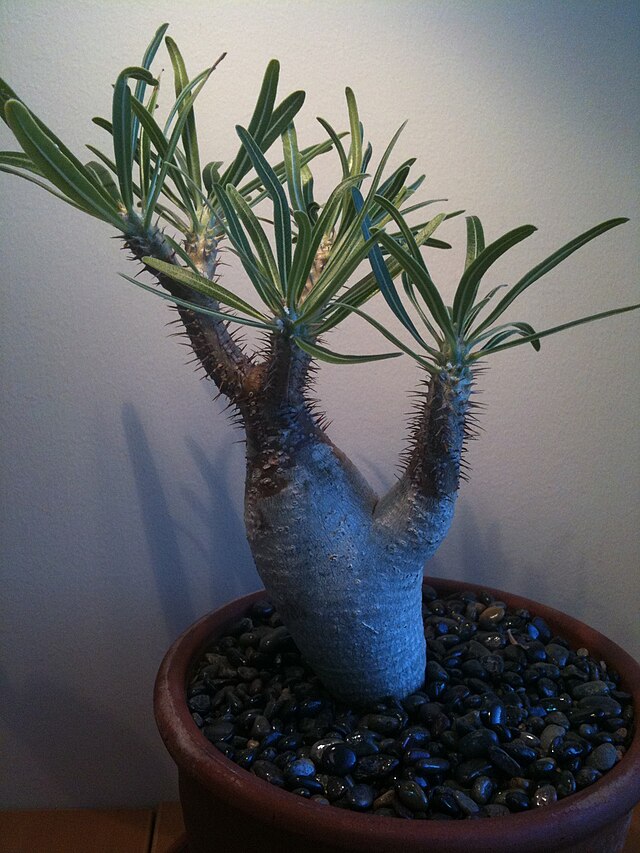
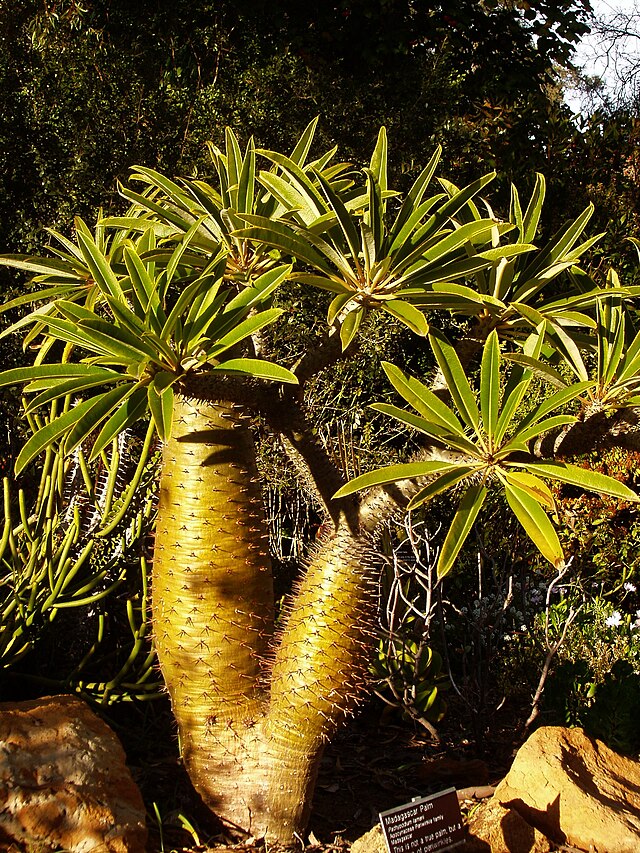
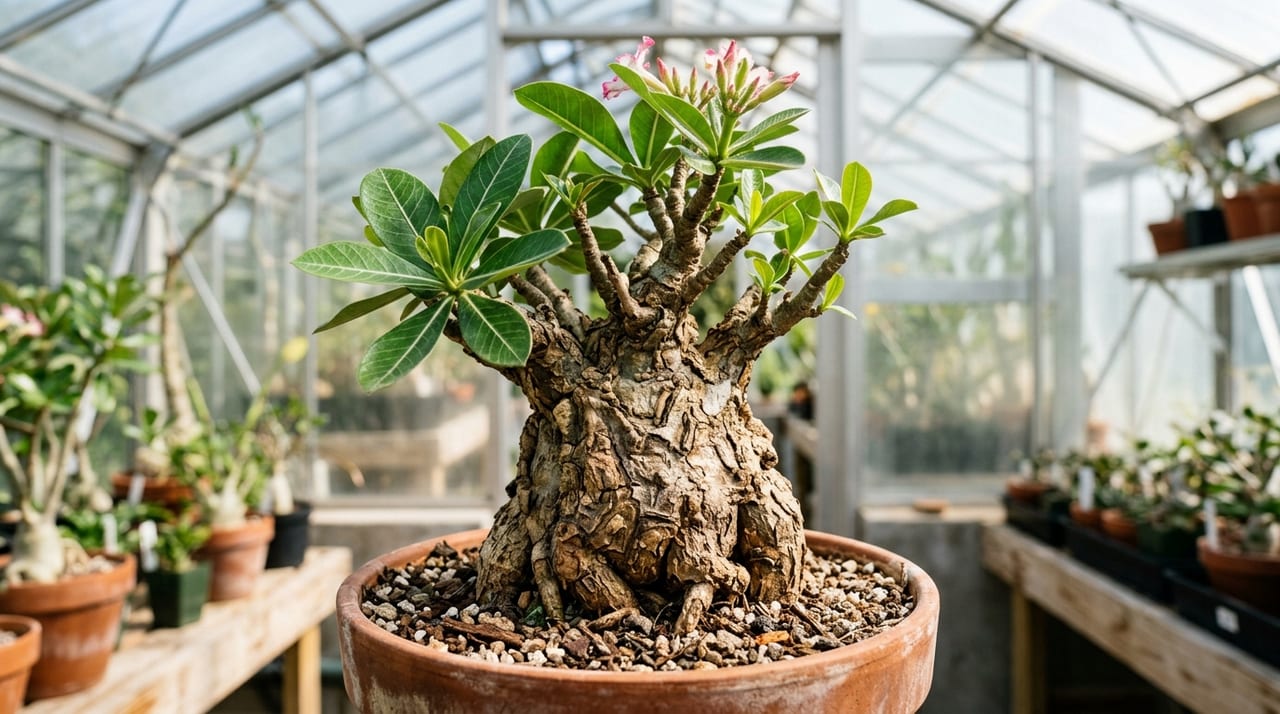
Caudex plants, with their unique forms and distinctive appearances, have been rapidly gaining popularity among enthusiasts in recent years. From Adenium to Pachypodium, Boswellia, and Dorstenia, the variety of species is truly diverse. However, many people hesitate to take the first step, uncertain about how much it will cost to grow these plants.
This article provides a thorough breakdown for those new to caudex cultivation, covering everything from the purchase price of the plant to equipment investment and ongoing monthly costs. By understanding costs upfront, you can build an environment that lets you enjoy these plants sustainably and without waste.
Initial Costs for Growing Caudex Plants: What's the Breakdown?
The startup expenses for caudex plants fall into two main categories: "the plant itself" and "equipment and materials."
Plant Prices
Caudex plant prices vary significantly depending on whether you choose seedlings or wild-collected specimens.
- Seedlings (domestically grown): Typically 1,000–5,000 yen. Small seedlings of Adenium obesum and Pachypodium gracile are available in this price range. While they take longer to mature, they're already acclimated to domestic conditions, making them easier to care for.
- Wild-collected plants (field specimens): 10,000 yen to several hundred thousand yen. Plants imported from their native habitats like Madagascar and South Africa have unique character and impressive presence, but come with higher prices and may require root development management.
- Rare species and large specimens: Popular rare varieties and mature large plants among caudex enthusiasts often exceed 50,000 yen.
For beginners, we strongly recommend starting with affordable seedlings. Not only are they reasonably priced, but you'll learn proper care from the ground up, minimizing failure risk.
Essential Equipment and Initial Investment
Caudex plants require similar care to other succulents, but indoor cultivation requires some specific setup.
- Pots: 1,000–5,000 yen. Terracotta pots prioritize breathability, while plastic pots are the standard budget option. Slotted pots are also effective for preventing root rot.
- LED lights: 5,000–20,000 yen. Essential for indoor cultivation with limited natural light. Models with high PAR values (photosynthetically active radiation) are most effective. Budget options often lack sufficient light intensity, so prioritize quality.
- Heat mats: 3,000–5,000 yen. Used for winter temperature management and promoting root development in wild-collected plants. Maintaining soil temperature at 25–30°C promotes healthy rooting.
- Potting soil (initial purchase): 500–1,500 yen. The standard approach is a well-draining blend combining kanuma soil, pumice, and akadama. Commercial cactus and succulent mixes also work well.
- Miscellaneous supplies (pot mesh, slow-release fertilizer, insecticide, etc.): 1,000–3,000 yen.
For a complete minimal equipment setup, expect an initial total investment of approximately 10,000–35,000 yen. If you already own some equipment, you may start with just the plant cost.
Understanding Your Monthly Running Costs
Once you've invested in equipment, you'll face ongoing monthly expenses. Here's what to budget for.
Electricity
- LED lights (12–14 hours daily): 500–1,500 yen per month. Costs vary with wattage and usage hours. Using timers for precise scheduling helps minimize electricity consumption.
- Heat mats (October–March): 300–800 yen per month. Since they're only used during winter, the year-round average is roughly 150–400 yen per month.
Materials and Consumables
- Liquid and slow-release fertilizers: 200–500 yen per month. Applied primarily during the growing season (spring to autumn); minimal use in winter.
- Potting soil replenishment: 100–300 yen per month (for replacements during repotting). Young plants typically need repotting once yearly, requiring fresh soil additions each time.
- Insecticides and fungicides: 0–200 yen per month. Only used if pests or disease appear.
Total monthly running cost estimate: Approximately 1,100–3,100 yen. During summer, heat mat expenses disappear, so electricity costs drop to a minimum.
Smart Cost-Saving Techniques
To enjoy more plants within a limited budget, try these practical money-saving strategies.
Reducing Purchase Costs
- Grow from seedlings: Significantly cheaper than wild-collected plants and easier to manage since they're already adapted to domestic conditions. You can save even more by growing from seed yourself.
- Group purchases and plant sets: Some growers offer multi-plant packages with reduced per-plant pricing.
Cutting Electricity Costs
- Use timers: Attaching timers to LED lights and heat mats lets you run them only during necessary hours. Preventing "always on" operation saves hundreds of yen monthly.
- Group plants together: Consolidating multiple caudex plants under a single LED light reduces per-plant electricity costs.
Getting Materials Affordably
- Buy potting soil in bulk: Large bags have a much lower per-unit cost than small packages and are more economical long-term.
- Start with plastic pots: While decorative pots are appealing, it's wise to master care techniques with plastic pots before upgrading to premium options.
Choosing Cost-Effective Species
To minimize initial investment while enjoying caudex plants, select species with excellent value for money.
- Adenium obesum (Desert Rose): Seedlings are inexpensively available, relatively hardy, and beginner-friendly. Beautiful flowers add ornamental value.
- Pachypodium lamerei (related to Madagascar palm): Fast-growing and displays characteristic caudex form quickly even from seedling stage.
- Dorstenia foetida: Compact, easy to grow, and affordable. Relatively easy to grow from seed, and rewarding to propagate yourself.
While rare species are tempting, mastering care with beginner-friendly species first prevents costly losses from failed experiments.
GrowerDirect's Safe and Reliable System
When buying caudex plants, sourcing healthy specimens from trustworthy sellers is crucial. GrowerDirect is a direct-sales platform connecting growers and buyers, with systems designed for secure and reliable transactions.
- Direct grower sales eliminate middleman costs: Purchasing directly from growers without intermediaries means you get high-quality plants at reasonable prices. The same quality specimens often cost significantly less than through traditional retail channels.
- Get growing advice directly from growers: Sellers are hands-on experts actively cultivating these plants. You can ask them directly: "What soil works best for this specimen?" or "How do I help it survive winter?"—making it easy for beginners to start with confidence.
- Abundant domestic seedlings: We offer a wide selection of healthy domestically grown seedlings, ideal for those wanting to avoid the root development risks of wild-collected plants.
- Transparent and secure transactions: Our payment processing and rating system ensure smooth transactions while preventing disputes.
Understanding caudex plant costs and selecting healthy specimens from trustworthy sellers is the first step to long-term enjoyment. Use GrowerDirect to make your caudex plant journey truly rewarding.