Complete Guide to Propagating Caudex Plants | Tips for Seed Sowing and Cuttings
An explanation of caudex plant propagation methods divided into seed sowing and cuttings. Detailed introduction to germination conditions for Pachypodium and Adenium, bottom watering management, and proper use of root-promoting agents.
Key Takeaways
An explanation of caudex plant propagation methods divided into seed sowing and cuttings. Detailed introduction to germination conditions for Pachypodium and Adenium, bottom watering management, and proper use of root-promoting agents.
Related Species
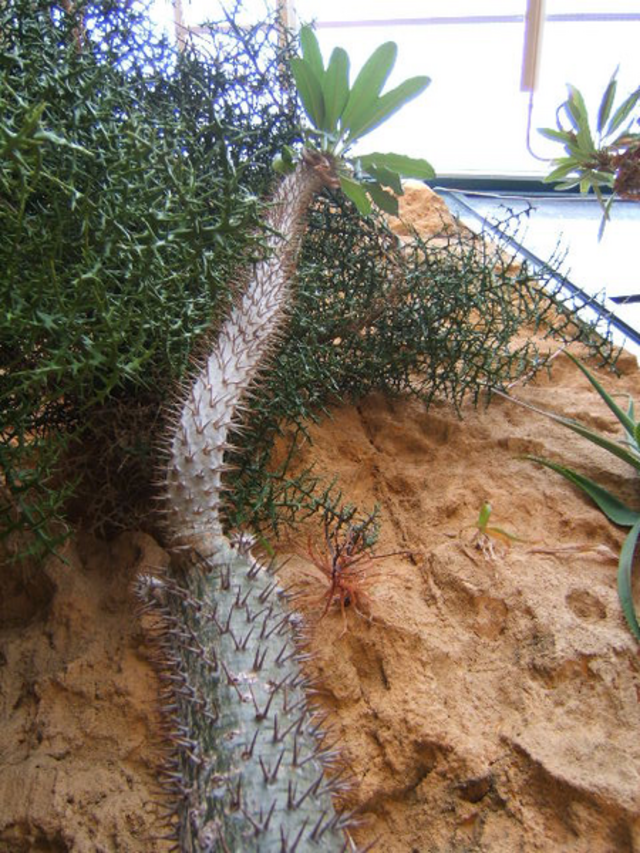
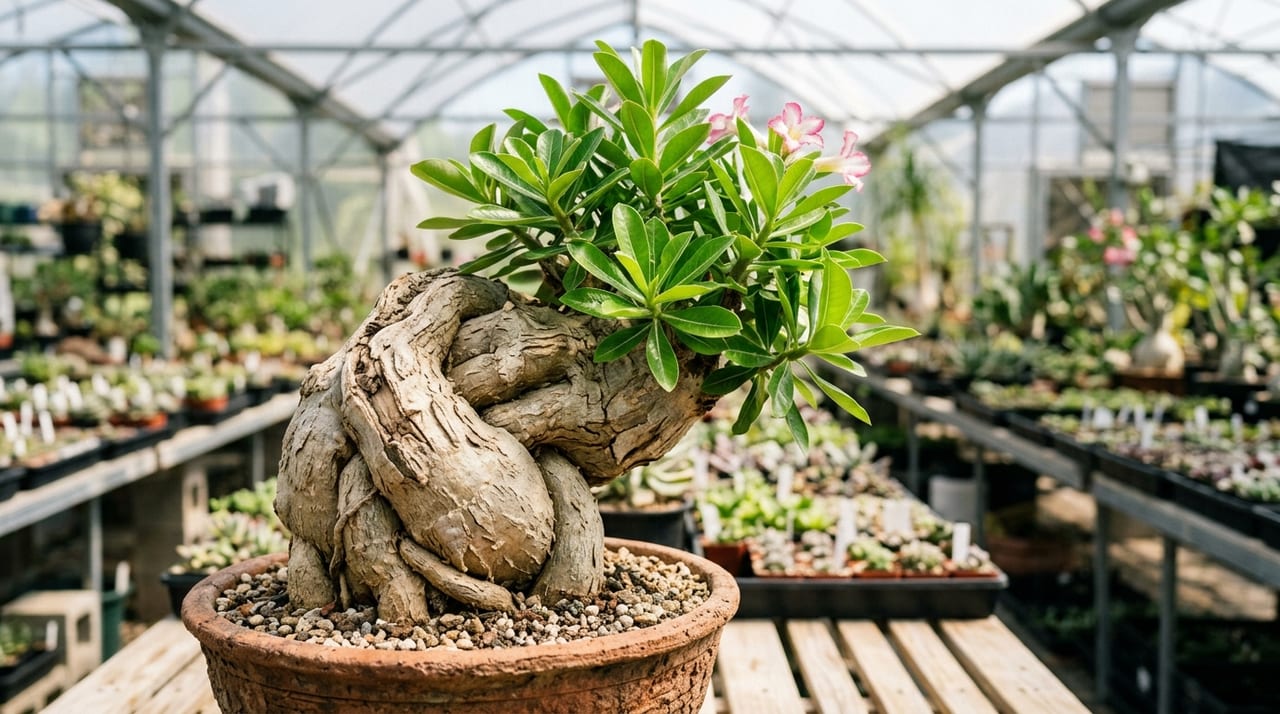
Caudex plants (caudiciforms), with their distinctive swollen stems and roots that store water and nutrients, captivate collectors around the world. In this category, with its rich variety of species such as Pachypodium, Adenium, and Operculicarya, seed propagation has become an especially rewarding way to enjoy these plants, allowing growers to cultivate specimens from seed. This article provides a thorough explanation of both seed sowing and cutting propagation methods, written so that beginners attempting to propagate caudex plants for the first time can easily understand the steps and techniques.
Caudex Plant Propagation Methods: Seed Sowing vs. Cuttings
There are two main methods for propagating caudex plants — seed sowing and cuttings. Which method you choose depends on the plant species and your goals.
| Method | Difficulty | Caudex Development | Suitable Genera |
|---|---|---|---|
| Seed sowing | Medium–High | Develops well | Pachypodium, Adenium (general) |
| Cuttings | Medium | Develops poorly | Some Adenium cultivars |
Seed sowing takes time, but its greatest advantage is the ability to enjoy the plant's characteristic caudex form as it naturally develops. Growing a plant from seed also creates a deep attachment throughout the cultivation process. By contrast, cuttings propagate quickly and are effective when you want to preserve flowering branches from rare varieties. However, cutting-grown specimens rarely develop prominent caudex swelling, so they are best regarded as "propagation stock" rather than as centerpieces for a collection.
Basic Steps for Seed Sowing
1. Preparing Soil Mix and Tools
To maximize germination rates, clean soil with high drainage is essential. A standard mix consists of fine-grade pumice, perlite, and small-grain akadama soil in equal proportions. Sterilize the soil mix with boiling water or microwave heating before sowing to eliminate harmful fungi and bacteria. Shallow plastic trays or small plastic pots are convenient and easy to handle.
2. Seed Pretreatment
On the day before sowing, soak seeds in 25–30°C lukewarm water for 24 hours. This softens the seed coat and promotes water absorption. If seed disinfection is desired, after soaking apply Orthocide 80 WP registered for flowers and ornamental foliage plants at 0.2–0.4% by weight of seeds (Daconil is registered for flowers and ornamental foliage plants only as a 1,000-fold dilution spray against leaf spot diseases; seed soaking use is not listed on the label).
3. Sowing and Bottom Watering
Place seeds on the soil surface and press lightly — there is no need to bury them deeply. After sowing, place the tray in a shallow water reservoir and maintain the soil in a constantly moist state using bottom watering. Cover the tray with plastic wrap or a clear lid, maintaining a temperature of 25–30°C and high humidity; Pachypodium typically germinates in 3–7 days, while Adenium germinates in 5–10 days.
Source: MAFF Pesticide Registration Database (Orthocide 80 WP) / MAFF Pesticide Registration Database (ST Daconil 1000)
Post-Germination Care: Three Key Points to Avoid Failure
Key Point 1: Continue Fungicide Application to Prevent Mold
Even after germination, be vigilant against rot (damping off). Spray a diluted fungicide solution with a mist bottle 1–2 times per week, keeping the area around seedling roots clean. If white mold appears, remove it promptly to prevent spread to neighboring seedlings.
Key Point 2: Ensure Adequate Light
Direct sunlight is harmful to newly germinated seedlings, but insufficient light causes etiolation (weak, elongated growth). Applying LED grow lights for 12–14 hours daily is recommended. If using natural light, place seedlings near a bright window, shielded by a thin curtain to avoid direct sun exposure.
Key Point 3: Gradually Transition Away from Bottom Watering
After 1–2 months of germination, when true leaves begin to unfold, gradually reduce bottom watering and transition to conventional overhead watering. Water when the soil surface is dry and 1–2 days have passed. As growth progresses, creating a clear wet–dry cycle promotes nutrient accumulation in the caudex.
Cutting Propagation Methods and Precautions
Adenium propagates relatively easily from cuttings. The key to success is thorough drying.
- Sterilize pruning shears with alcohol before cutting branches
- Allow cut surfaces to dry thoroughly in a shaded, well-ventilated location for 5–7 days, allowing callus to form
- Insert cuttings into dry pumice-based soil (without watering)
- Do not water for 2–3 weeks after insertion; wait for root formation
Begin giving small amounts of water once rooting is confirmed. Note that Pachypodium has an extremely low cutting success rate, so seed propagation should be your only method. The white sap from cut surfaces is toxic; wear gloves when handling cuttings.
Seed Freshness and Source Determine Success
No matter how carefully you sow seeds, low seed viability results in poor germination. Caudex plant seeds lose germinating power as time passes after collection, making it crucial to know "when the seeds were harvested."
Key points for obtaining reliable seeds include:
- Collection year and month are clearly stated
- Parent plant variety and origin information are provided
- The seller is an active grower who actually cultivates the species
- Customer reviews and track record are verifiable
When importing seeds from overseas, plant quarantine procedures are required, so beginners should obtain seeds domestically from trusted specialist growers.
GrowerDirect's Safe and Reliable System
Finding quality seeds and seedlings is one of the biggest hurdles when taking up caudex propagation. GrowerDirect serves as a specialized platform where growers and buyers connect directly, solving this challenge.
- Transparent collection information: Growers document seed collection timing and parent plant specifications
- Seedling growth records: You can confirm how many years old seed-grown plants are and under what conditions they were cultivated
- Direct consultation with specialists: Ask growers directly about propagation questions and the causes of failures
- Reduced counterfeit and poor-quality risk: Seller ratings and track records are accumulated, ensuring high reliability
Even for your first seed sowing attempt, having access to fresh seeds and advice from experienced growers significantly increases your success rate. Start by searching GrowerDirect for your preferred varieties and reach out to growers for cultivation advice.