Complete Guide to Choosing Caudex Plants as Gifts | Recommended Varieties by Occasion and How to Include Care Notes
A guide to choosing caudex plants as gifts organized by occasion. We introduce how to select varieties based on the recipient's cultivation experience and how to include care notes for long-term enjoyment.
Key Takeaways
A guide to choosing caudex plants as gifts organized by occasion. We introduce how to select varieties based on the recipient's cultivation experience and how to include care notes for long-term enjoyment.
Related Species

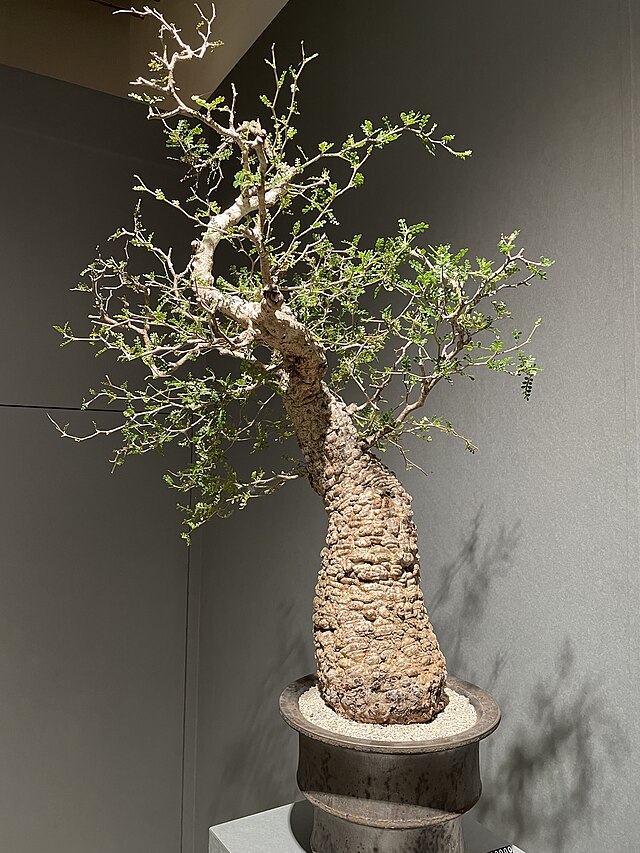
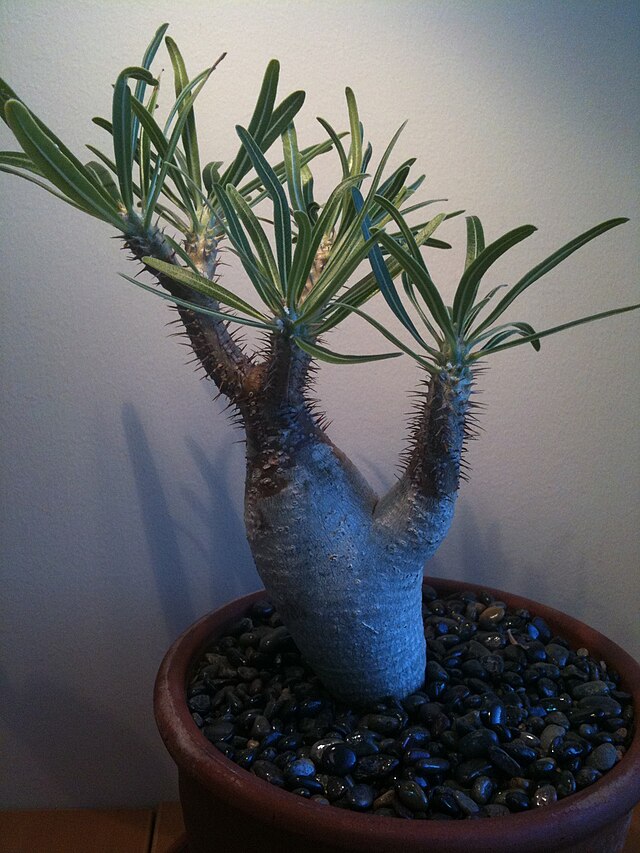
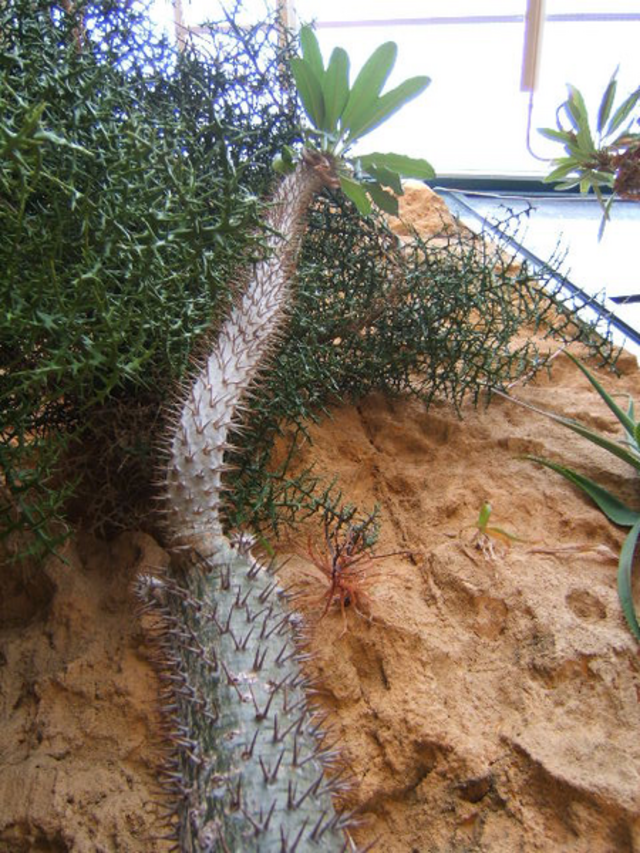
More people are choosing caudex plants (caudex) as gifts. The term "caudex" has spread on social media, and demand has grown among those who are not just gardening enthusiasts but also appreciate them as interior décor. Their swollen trunks, distinctive shapes, and changing appearance with each season—their presence as "living sculptures" distinct from typical cut flowers or houseplants leaves a lasting impression in the recipient's memory.
That said, there are considerations to keep in mind when giving a living plant. This is because the difficulty of care varies by species, and suitability depends on the recipient's living environment and cultivation experience. In this article, we explain from a practical perspective how to choose varieties suited to the recipient and occasion, to how to include care notes for long-term enjoyment.
Why Caudex Plants Are Chosen as Gifts
Cut flowers are beautiful but fade within days. Houseplants are so standard they don't leave much impression. For those struggling with gift choices, caudex plants offer just the right "gap."
The most significant characteristic is that their appearance changes continuously as they grow. Pachypodium trunks become increasingly rounded with age, and Operculicarya develop a bonsai-like form. Since the day of giving becomes "the origin of that plant," it's easy to remember as a gift for anniversaries or milestones.
Additionally, many species are drought-tolerant. The fact that they recover relatively easily even when watering is forgotten, and that many species don't easily die even if watering isn't possible during travel, makes them a reassuring gift choice for recipients without cultivation experience.
Furthermore, the way the pot is chosen can dramatically change the impression, which is a unique charm of caudex plants. Paired with a minimalist white pot, they create modern décor; paired with terra cotta, they convey the warmth of natural materials. The fact that there is pleasure in choosing by appearance, like when giving flowers, is one reason they have become popular as gifts.
By Occasion | How to Choose Suitable Varieties
The right direction for species selection changes depending on the occasion. Below is an overview of how to think about each main occasion.
- Housewarming and opening gifts: Medium-sized plants that blend into a space for the long term are ideal. Varieties like Pachypodium gracilius with white trunk skin and rounded form become a space accent when paired with a simple pot. Because growth is slow, a story of growing alongside the home or business is created.
- Birthdays and anniversaries: Choices that align with the recipient's preferences and interests are appreciated. For those already growing succulents or agave, caudex plants are easily accepted as a "next step" and can become a conversation starter.
- Retirement gifts and gifts of gratitude: Even in the sense of enriching time to come, plants you can live with for a long time are easily appreciated. Varieties that are relatively easy to care for and have an elegant appearance are ideal.
- Gifts for offices and stores: For gifts in places where visitors can see them, varieties with distinctive forms are preferred. However, some species are difficult to care for with indoor light levels, so it's important to confirm the brightness of the environment beforehand.
For Beginners, Choose Based on "Low Failure Rate"
For gifts to recipients with little plant cultivation experience, prioritizing ease of care is the best approach. Among caudex plants, Pachypodium gracilius and Adenium obesum are known as relatively easy-to-manage species for beginners because they have high drought tolerance and require infrequent watering.
On the other hand, varieties like Operculicarya pachypus and Dioscorea elephantipes, which have strong individual characteristics in form and growth process, are appreciated by plant-loving collectors, but can cause anxiety about "killing the plant" in recipients with little cultivation experience.
If you don't know the recipient's cultivation experience, it becomes easier to choose by narrowing down varieties using the following three points as a guide.
- Is the species one that doesn't require frequent watering (not so difficult that dormant-season watering cessation is needed)?
- Can the species be managed without problems in bright indoor settings for a few months?
- Is the nursery stock in stable condition with low risk of root rot?
In particular, summer-growing caudex plants require dormant-season watering cessation or extreme reduction in winter, so if giving as a winter gift, the phrase "please reduce water during this season" is essential. If this is not communicated, the recipient may continue watering out of goodwill and cause root rot.
Environmental Factors to Confirm Before Gifting
Before giving a caudex plant, taking time to understand the recipient's living environment makes it easier to prevent problems after gifting. The main points to confirm are as follows.
- Light environment: Most caudex plants prefer strong light. Understanding whether there is a south-facing window makes a big difference in species selection.
- Winter management location: It's also important whether the indoor environment is kept warm. Pachypodium species can be damaged if exposed to prolonged cold.
- Watering habits: People who like to water daily tend to overwater drought-loving caudex plants.
By understanding these factors and then selecting varieties, you can reduce problems from care mistakes. Even if you give a variety unsuitable for the recipient's environment, your thoughtful gift can turn into regret about "killing the plant," so it's important to consider species selection and environmental confirmation together.
How to Include Care Notes | Variety Name and Three Items Are Enough
The most appreciated addition when giving a caudex plant is to include a brief care note. Since long explanations are unlikely to be read, the key is to narrow it down to the following three items.
- Variety name (scientific or common name): Basic information necessary for researching information later. Once the variety name is known, the recipient can look up care instructions themselves.
- Watering guidelines: Convey the frequency for each season in one sentence, such as "water within a week of soil drying in spring to autumn" or "reduce to once or twice monthly in winter."
- Location guidelines: It's helpful to indicate the direction of placement, such as "ideal is a bright window with direct sunlight; indoors, a south- to east-facing window is recommended."
These three points alone greatly reduce the recipient's anxiety. The worry about "possibly killing the plant" is stronger in those with less plant cultivation experience. Including the variety name and basic care guidelines is an important part of the gift, as important as the plant itself.
The note can be handwritten on a card or simply printed on a small slip of paper and attached to the pot. What matters more than format is that it's in a state where the recipient can review it later.
Summary | Imagining the Recipient's Face Is the Key
Whether a caudex plant gift is cultivated with long-term care and affection depends greatly on species selection and how information is presented. By selecting varieties while considering the recipient's cultivation experience, living environment, and occasion, and by including a brief care note, you create a gift that stands apart from typical houseplants—one that "gives the joy of growing."
Varieties like Pachypodium gracilius that are easy to handle and visually refined are appreciated by a wide range of recipients. Varieties with distinctive forms like Operculicarya pachypus stimulate the collecting desire of plant-loving recipients. The process of selecting a variety while imagining the recipient's face is itself one of the joys of giving a caudex plant.
There is no single "correct" variety; observation of and imagination about the recipient creates the best selection. The day of giving becomes the beginning of the plant's history—this special quality is unique to caudex plants.