A Guide to Pest and Disease Management in Caudex Plants—Prevention Strategies to Protect Valuable Specimens
Caudex plants often come with premium price tags, making prevention and early intervention essential. This article covers common pests and fungi affecting caudex plants—spider mites, mealybugs, and root rot fungi—and practical management strategies.
Key Takeaways
Caudex plants often come with premium price tags, making prevention and early intervention essential. This article covers common pests and fungi affecting caudex plants—spider mites, mealybugs, and root rot fungi—and practical management strategies.
Related Species
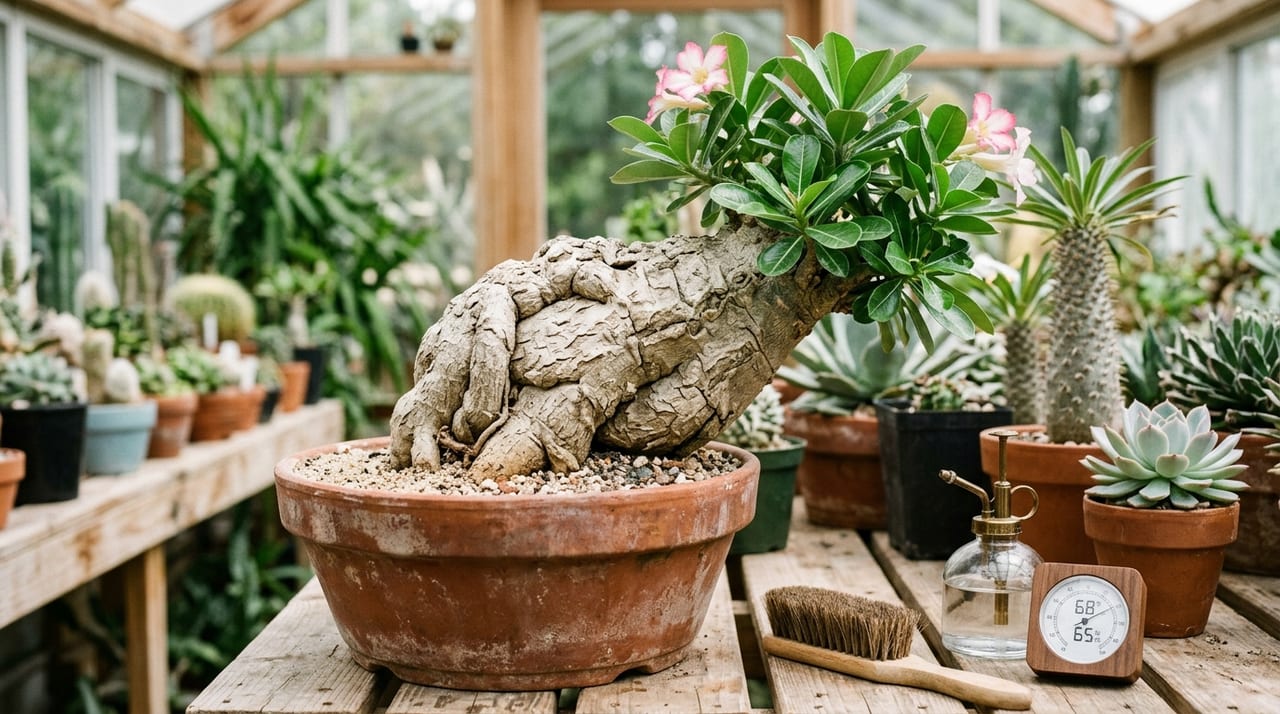
Caudex plants offered through a plant-focused grower-direct online marketplace are predominantly premium varieties. Rare species such as Adenium, Cephalopentandra echinosa, and Othonna herrei can command prices ranging from several thousand to tens of thousands of yen per specimen. As a result, pest and disease damage during post-purchase care represents not merely an aesthetic loss but an economic one as well. This article explores the types of pests and diseases that particularly affect caudex plants, how to identify them, and practical management strategies.
Types of Pests and Diseases Common to Caudex Plants
Since caudex plants prefer drier growing conditions, they face pest and disease risks that differ from those affecting herbaceous plants.
Spider Mites (Two-spotted Spider Mite and Others)
Spider mites are among the most troubling pests for caudex growers. At just 0.3–0.5 mm in length, they are often invisible to the naked eye. Infestation is characterized by a pale whitish appearance on leaf surfaces, covered with fine webbing.
Thin-leaved caudex plants such as Cephalopentandra echinosa and Othonna herrei are particularly susceptible to spider mite infestation. Since spider mites thrive in dry conditions, caudex cultivation environments provide ideal conditions for them.
In early stages, leaves take on a slightly brownish hue and lose their luster. As infestation progresses, entire leaves become pale and eventually drop. Damage tends to increase from spring through autumn, particularly between May and September.
Mealybugs
Mealybugs are small insects, approximately 2–3 mm long, covered in white powdery secretions. They colonize the base and undersides of leaves, weakening the entire plant through sap-feeding.
In caudex plants, mealybugs tend to cluster particularly at the stem base and around newly emerging leaves. The challenge with these pests is that their white secretions block insecticide penetration. Light infestations can be managed through physical removal with a soft brush or cloth, but heavy colonization requires chemical intervention.
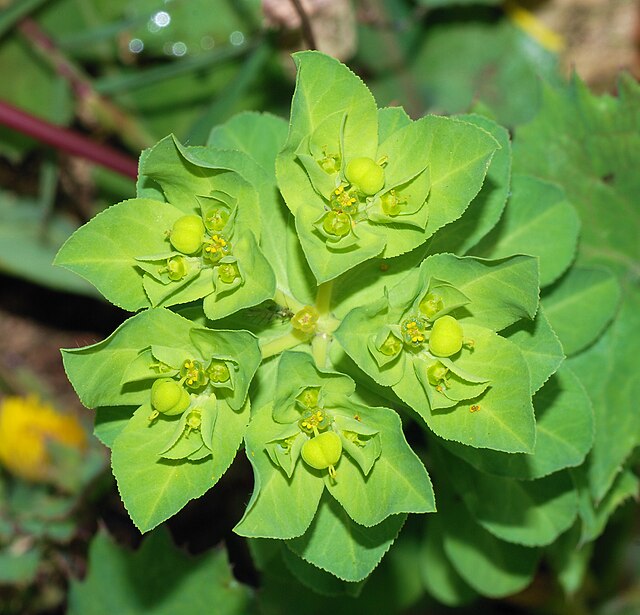
Caudex plants with succulent stems, such as Euphorbia giraminiiana, are particularly prone to severe mealybug damage. As infestation advances, the entire plant weakens, leaf drop accelerates, and in severe cases, the plant may die.
Root Rot Fungi (Primarily Fusarium and Pythium Species)
Root rot is most often caused by fungal infection. Specifically, soil-borne fungi inhabiting the root zone invade and erode the roots, causing disease.
Early symptoms of root rot include softening at the stem base. The caudex becomes soft, and an unpleasant odor develops around the root area. If addressed at this stage, the plant may still be saved. However, if left untreated, rot progresses upward into the stem, eventually causing the entire plant to turn black and rot, leaving the specimen beyond salvage.
Root rot is primarily caused by excessive watering. Winter overwatering is the biggest threat to caudex plants. Since caudex plants enter dormancy in winter, their water uptake is near zero during this period. Continuing regular watering despite this causes the root zone to remain constantly moist, dramatically increasing the risk of fungal infection.
Prevention and Early Response to Pests and Diseases
Environmental Management for Prevention
The most effective way to prevent pests and diseases in caudex plants is to establish favorable growing conditions. This is more important than chemical intervention.
- Airflow and Light: Regular ventilation and drying of leaf surfaces are the most effective measures for suppressing spider mite and mealybug reproduction. It is recommended to place a small fan in the caudex cultivation area to maintain constant air circulation. Additionally, ensuring adequate light—preferably south-facing exposure—improves plant health and strengthens pest resistance.
- Water Management: Pay particular attention to winter watering. During the dormancy period from November through March, limit watering to light applications approximately once per month, and avoid soil waterlogging. From spring through autumn, maintain the principle of watering only after the soil has dried thoroughly. Using well-draining soil—such as a mix of 60% small akadama, 20% leaf mold, and 20% pumice—significantly reduces root rot risk.
- Regular Inspection: Observing the entire plant thoroughly approximately once per week is essential for early pest detection. Pay particular attention to leaf undersides, the stem base, and areas where new leaves emerge—places where pests tend to congregate.
Response Upon Detecting Damage
When spider mites or mealybugs are detected, physical removal is effective if caught early. Gently wiping pests away with a soft brush or cloth often stops the infestation.
For advanced infestations, chemical control is necessary. When using insecticides, check the label to choose a product registered for spider mites and scale insects on flowering plants and foliage plants, and always observe the dilution ratio and number of applications stated there. Additionally, apply insecticides during calm, cool periods (early morning or evening) to prevent phytotoxicity.
If root rot is suspected, immediately remove the plant from its pot and excise rotted roots with a clean knife. Then repot in fresh soil. If rot has reached the caudex, scrape away black tissue with a knife, and let the cut surface dry thoroughly before replanting to help prevent the rot from recurring.
Seasonal Management Schedule
Creating a seasonal management schedule helps ensure timely intervention.
- Spring (March–May): As new leaves emerge, mealybugs and spider mites begin activity. Strengthen airflow and light exposure, and observe plants weekly without fail. Consider preventive insecticide applications as needed.
- Summer (June–August): Spider mite reproduction peaks during this period. Mist foliage approximately once daily to increase leaf humidity and suppress spider mite reproduction. However, to avoid waterlogging the caudex, perform foliar misting in early morning and at times when leaves will dry during the day.
- Autumn (September–November): Pest activity gradually decreases, but continue management efforts on affected plants until pests are completely eliminated. During the autumn rain season, prioritize airflow and avoid excessive moisture.
- Winter (December–February): Pest activity nearly ceases, but this is when root rot risk is highest. Practice strict watering discipline and absolutely avoid overwatering.
The Economic Perspective on Pest and Disease Management
When caudex plants command high purchase prices, investment in pest and disease management is well worth it. For rare species such as Adenium and Cephalopentandra echinosa, appropriate prevention and early intervention allow plants to remain healthy for years.
The cost of preventive measures (favorable environmental management) is far lower than addressing damage after it occurs. By investing time in regular observation and attentive care, you can greatly reduce the need for chemical interventions.
Summary
Pest and disease management in caudex plants comes down to one principle: "Prevention is superior to cure." Maintaining favorable growing conditions—proper airflow, adequate light, and appropriate watering—forms the foundation of all management efforts. Even if damage occurs, early detection and prompt intervention improve the chances of plant recovery. We hope you will use the prevention strategies and response methods presented in this article to protect your valued specimens from pests and diseases, ensuring years of enjoyment.