Orchid Encyclopedia
Encyclopedia of popular orchid species with care guides, traits, and flowering tips.
Showing 140 of 140 species(1–24)
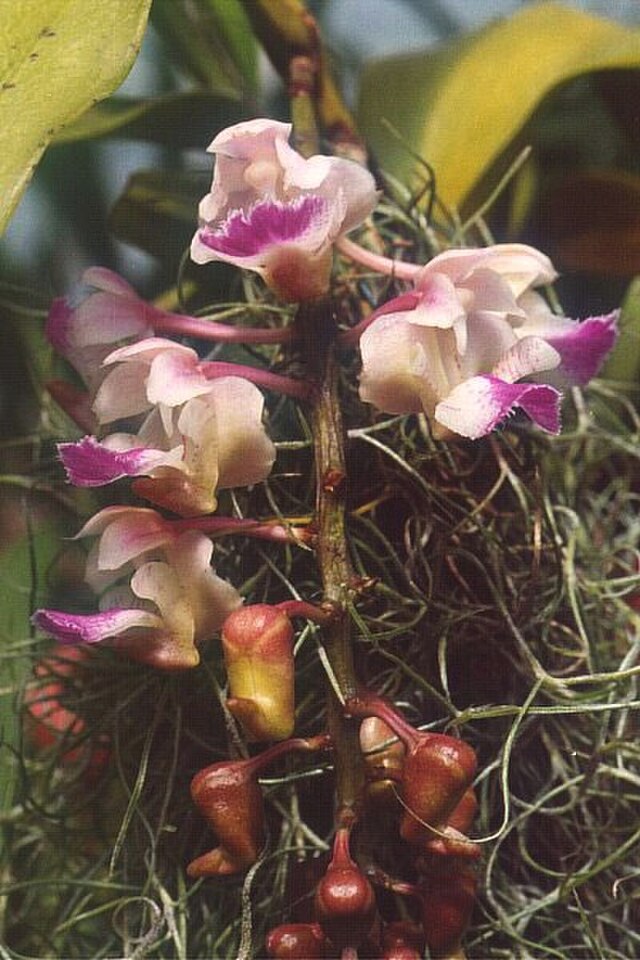 © The original uploader was JoJan at English Wikipedia . ( Original text: Larsen Twins Orchids ) / Public domain
Aerides
A fragrant epiphytic orchid with foxtail-like spikes from Southeast Asia, related to Vanda.
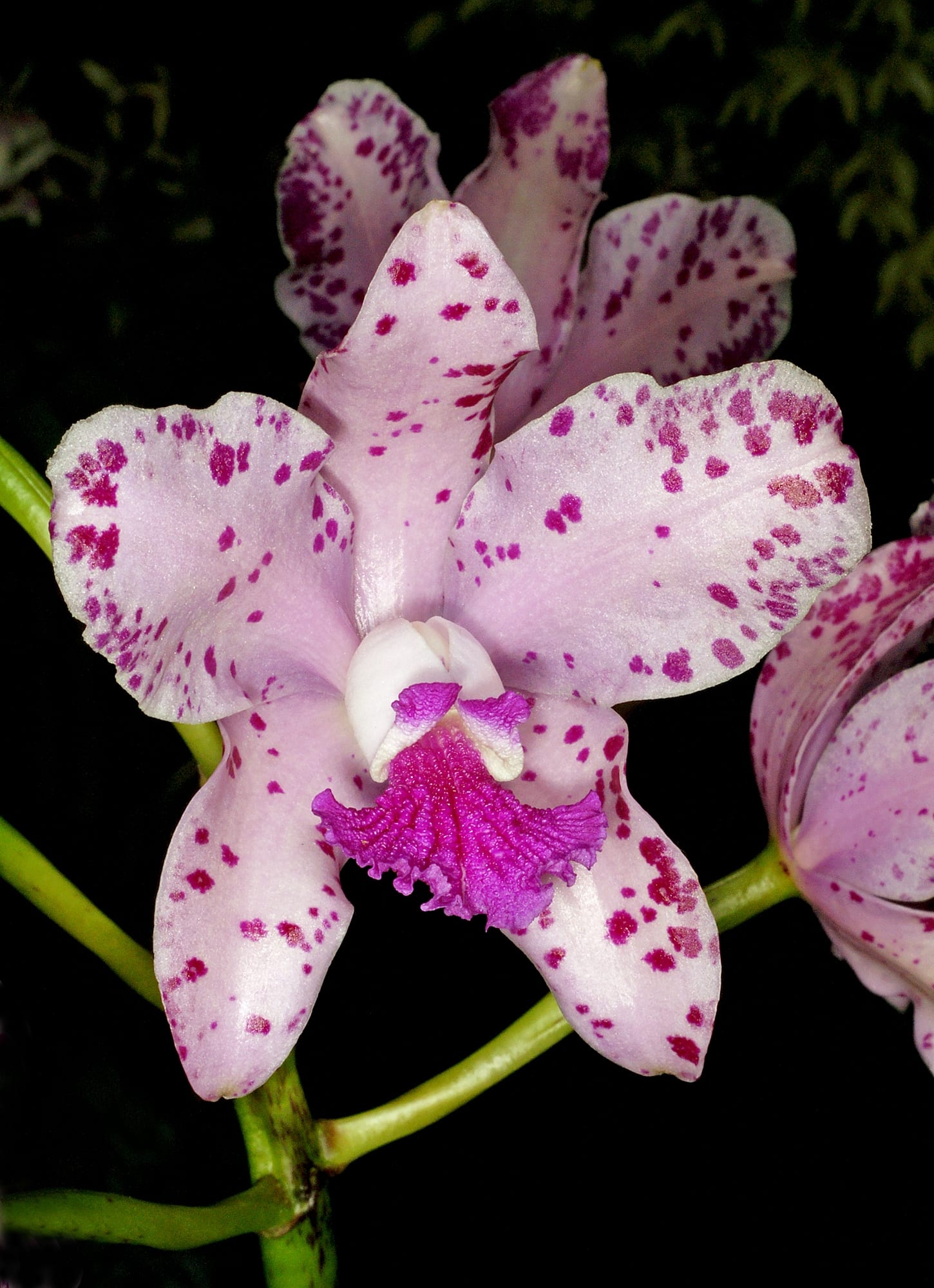 © Orchi / CC BY-SA 3.0
Amethyst-lipped Cattleya
Cattleya amethystoglossa
A tall Brazilian Cattleya that bears clusters of 10-30 pale, purple-spotted flowers atop its long pseudobulbs, with a vivid magenta lip and a pleasant scent.
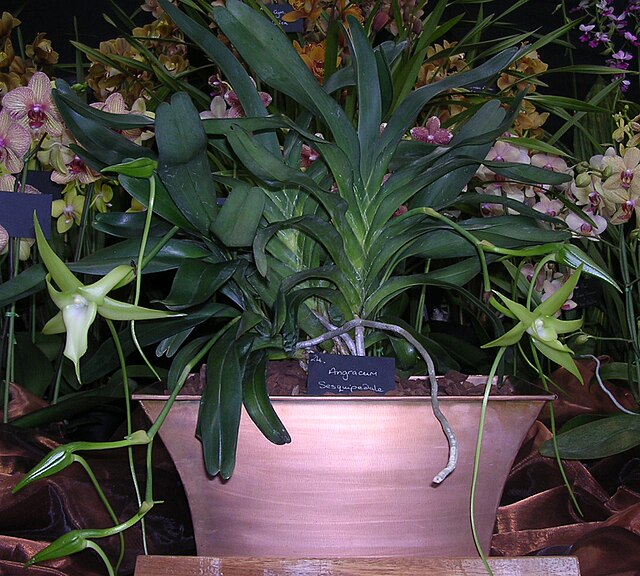 © Diogo Correia / Public domain
Angraecum
A white-flowered orchid from Madagascar, famous as Darwin's orchid for its long spur.
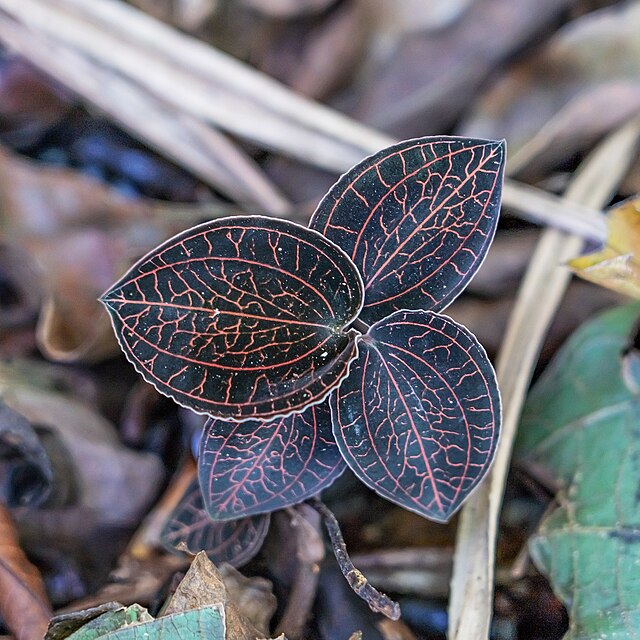 © A.Savin / FAL
Anoectochilus
A jewel orchid with golden net-like patterns covering the leaves, ideal for terrariums.
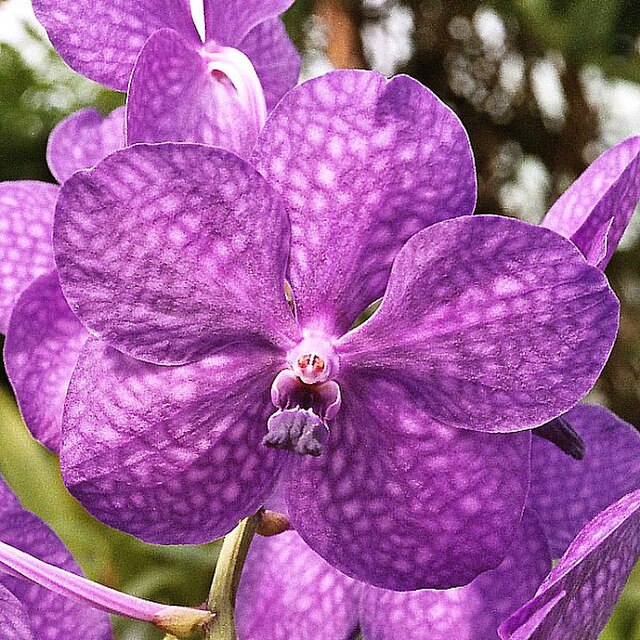
Ascocenda
A Vanda x Ascocentrum hybrid, smaller than Vanda with colorful flowers and easier cultivation.
 © Motohiro SUNOUCHI / CC BY 4.0
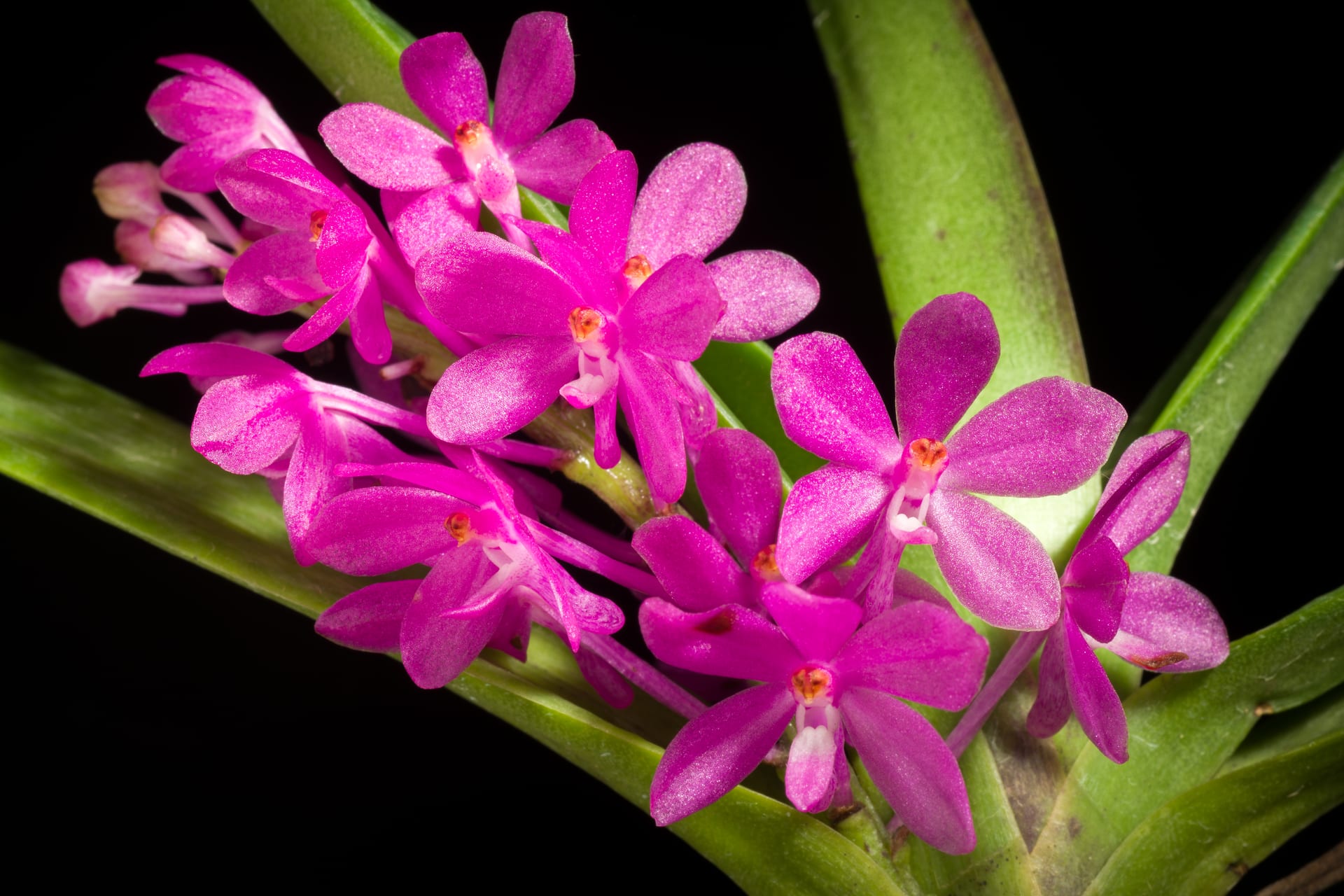
Ascocentrum ampullaceum
Vanda ampullacea
A miniature monopodial orchid ranging from the Himalaya to Indochina. Formerly placed in Ascocentrum, it packs small flowers onto stems shorter than the leaves. It is known as a parent of Ascocenda hybrids and is often still sold under the old genus name.
 © sunoochi from Sapporo, Hokkaido, Japan / CC BY 2.0
Atsumori-so
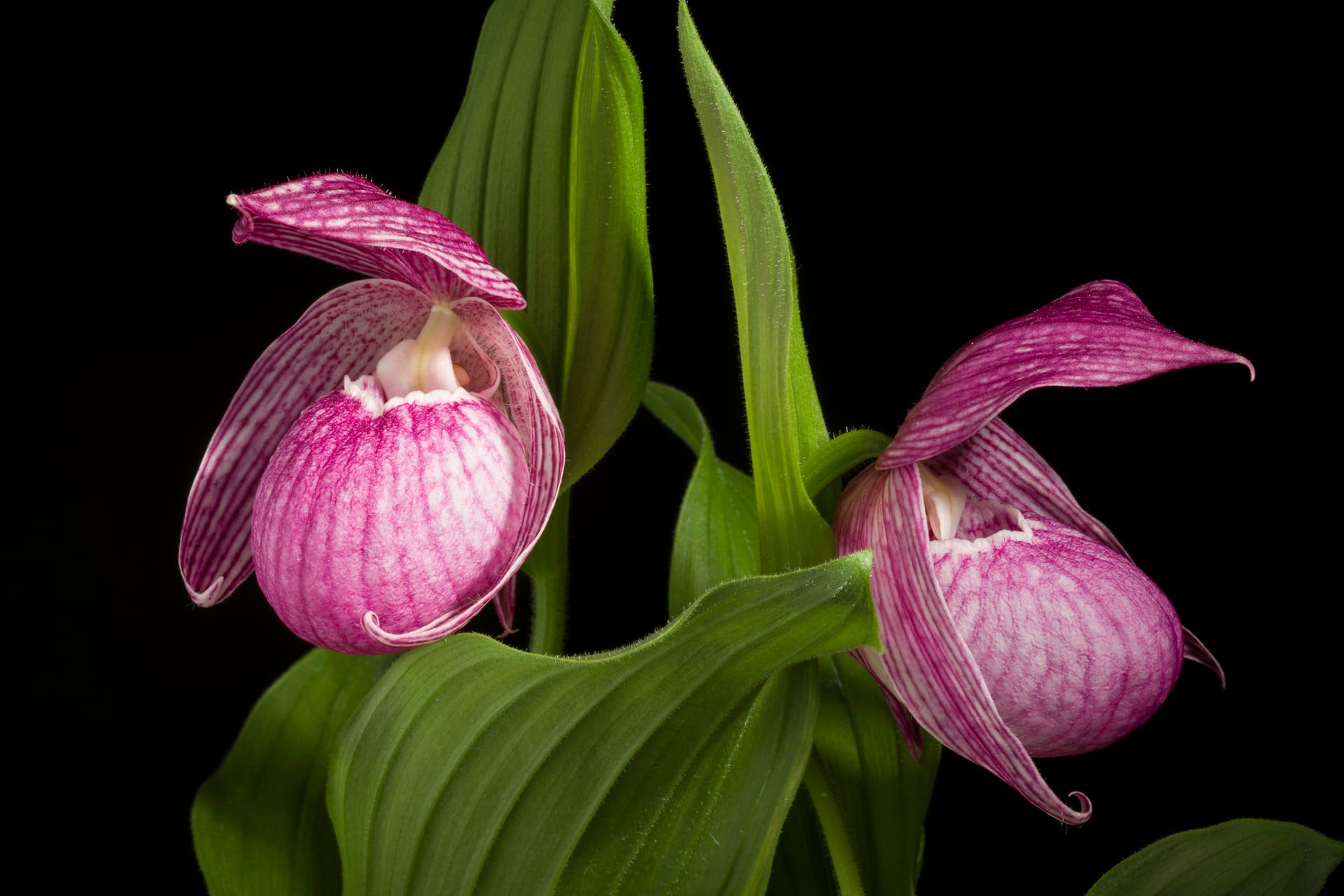
Cypripedium macranthos var. speciosum
Japan's atsumori-so, bearing a large red-purple pouched flower at the top of the stem. It grows in grassland and open woods in cold parts of Hokkaido and Honshu and is designated a Specified Class I Nationally Rare Species; plants on sale are artificially propagated.
 © Alpsdake / CC BY-SA 4.0
Austral Ladies' Tresses
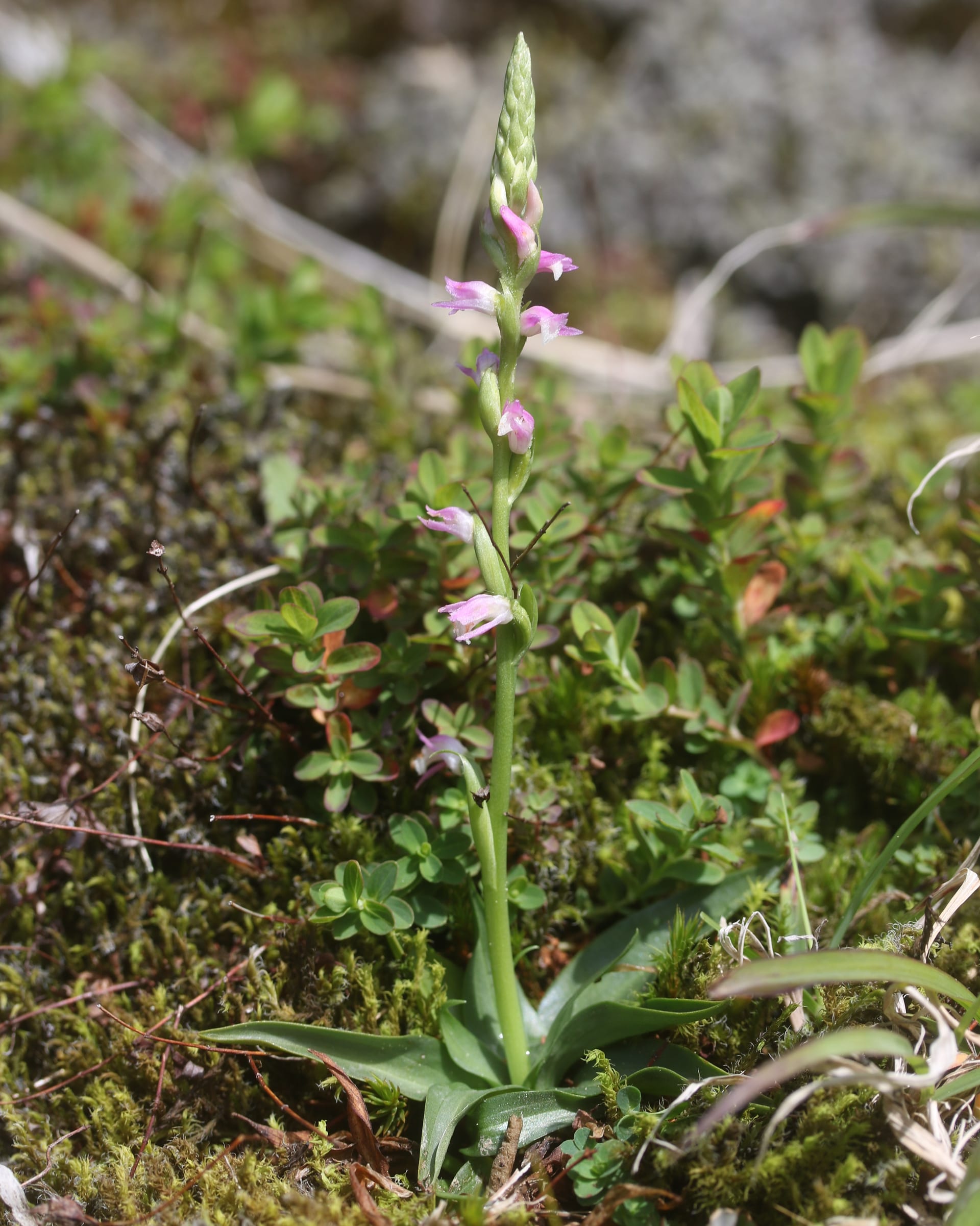
Spiranthes australis
A small orchid of lawns, banks and other familiar grassland. Tiny pink flowers spiral up a slender spike, the twisted spike giving it its Japanese name. Left- and right-handed spirals occur in roughly equal numbers, and white and other variant forms exist.
 © Willow Coville / CC BY-SA 4.0
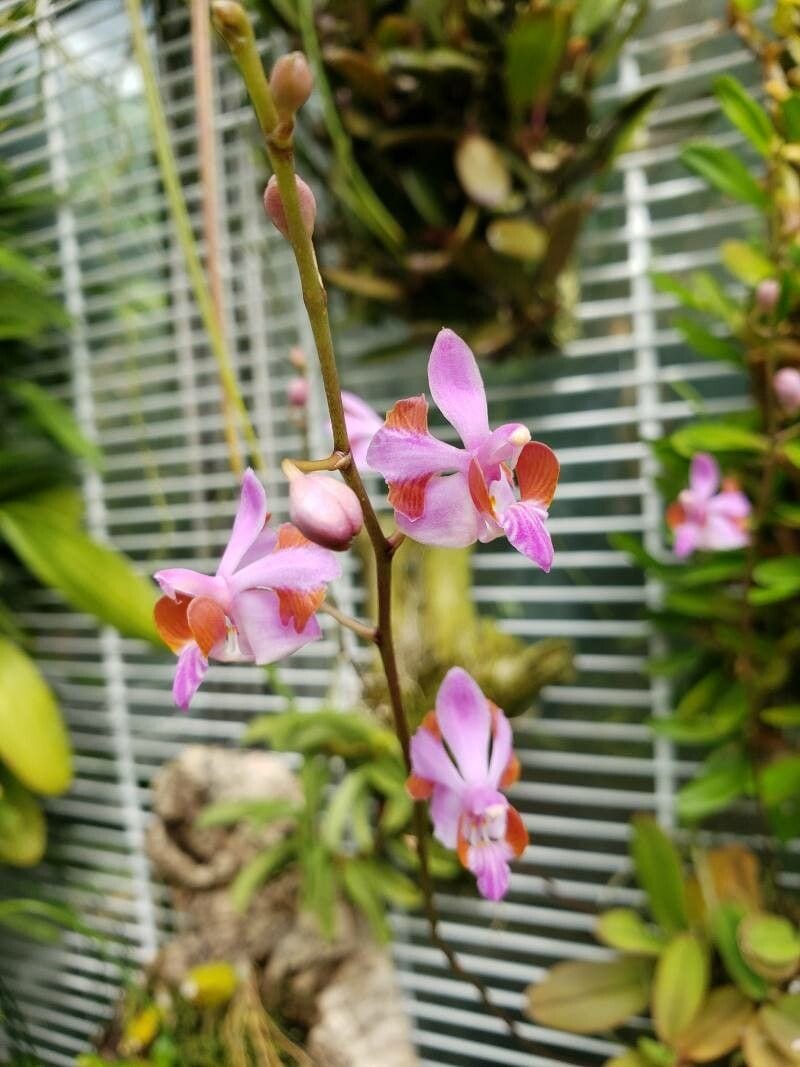
Beautiful Doritis
Phalaenopsis pulcherrima
A moth orchid species formerly placed in the genus Doritis. It has many stiff, fairly upright leaves and an erect, tall stem that opens small, bright pink-red flowers from the bottom up. It is known for wide variation in flower colour and shape.
 © Orchi / CC BY-SA 3.0
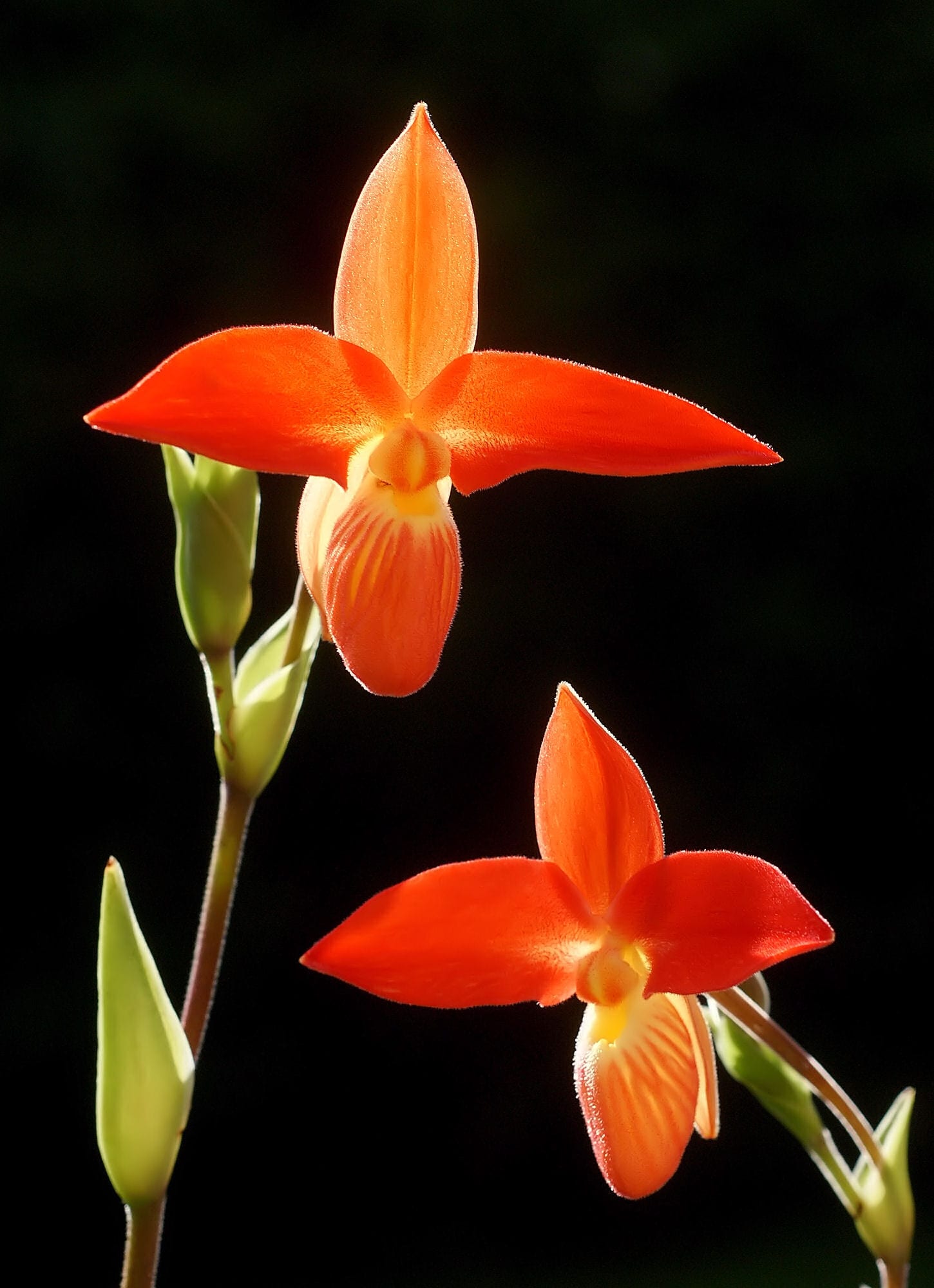
Besse's Phragmipedium
Phragmipedium besseae
A Phragmipedium that grows on wet cliffs and rocks on the eastern slopes of the Andes. It is known for scarlet-red flowers, a colour new to the genus, and drew attention as a breeding parent after its description in 1981.
 © Orchi / CC BY-SA 3.0
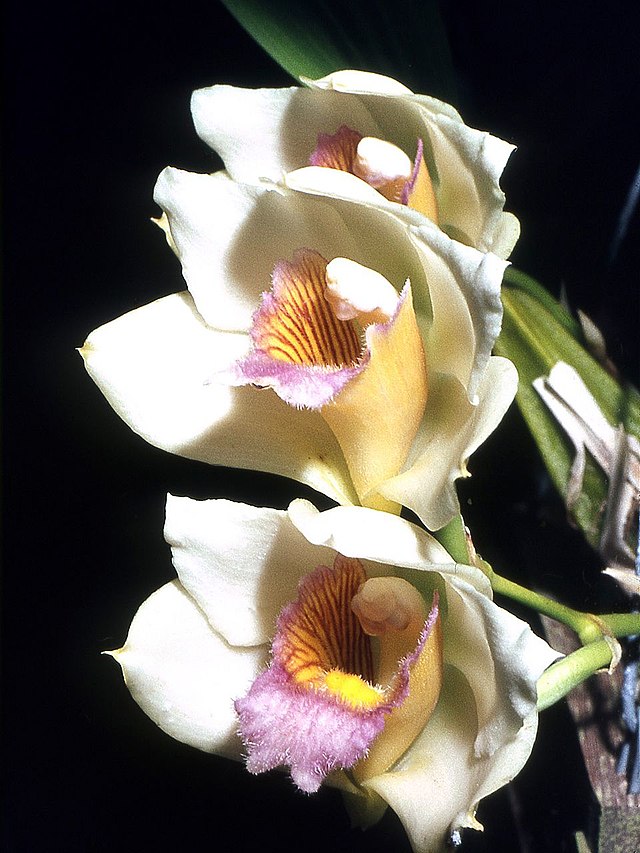
Bifrenaria
A hardy Brazilian orchid with large waxy fragrant flowers, easy for beginners.
 © Jean-Jacques MILAN / CC BY-SA 3.0
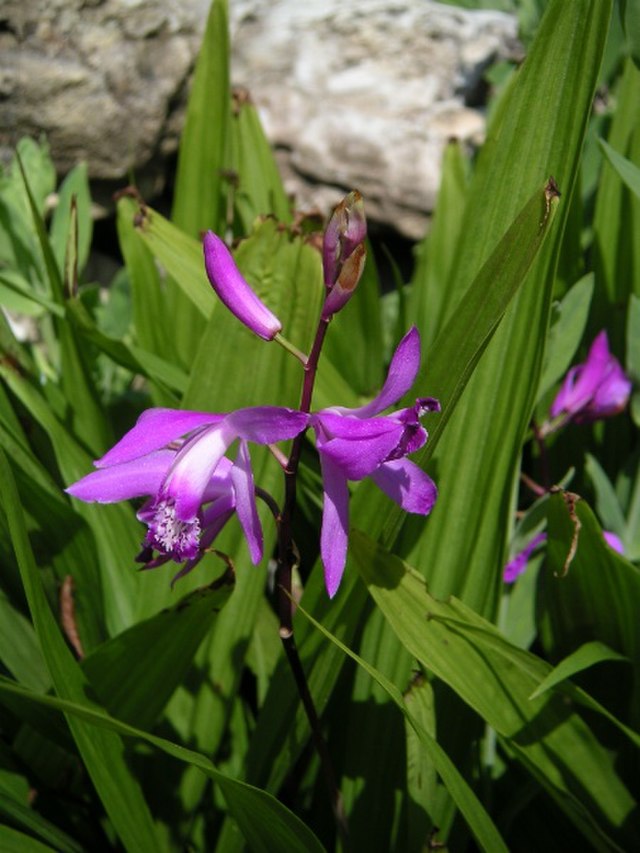
Bletilla
Bletilla striata
The easiest orchid to grow, a terrestrial species common in Japanese gardens with purple-pink spring flowers.
 © Gaussian_venation / CC BY-SA 4.0
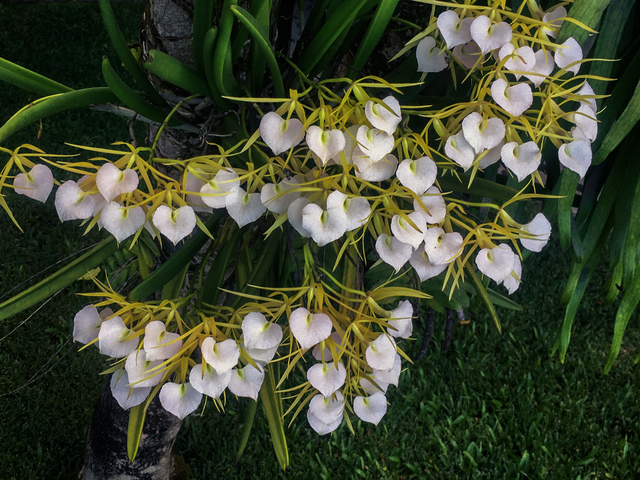
Brassavola
An epiphytic orchid with intensely fragrant white flowers at night, known as Lady of the Night.
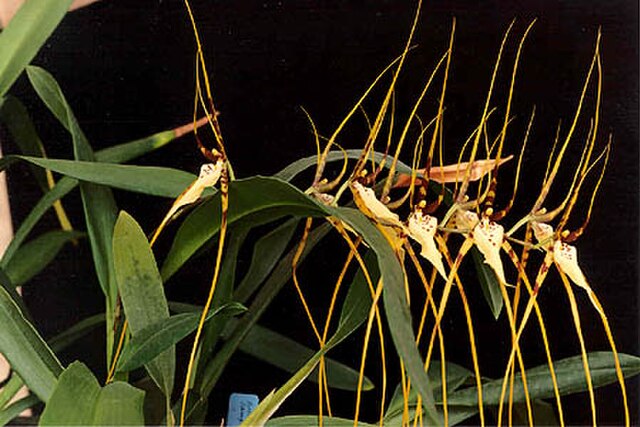
Brassia
Called Spider Orchid for its long spider-like petals, popular for its unique shape.
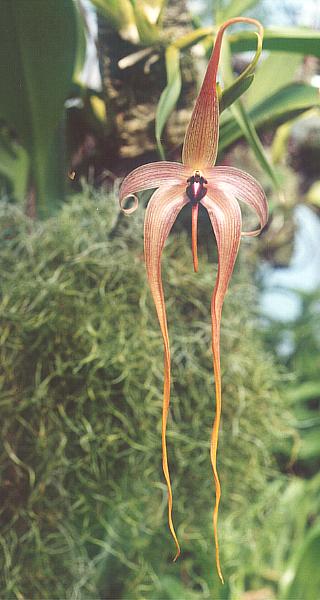
Bulbophyllum
The largest orchid genus with 2000+ species, popular among enthusiasts for bizarre flower shapes.
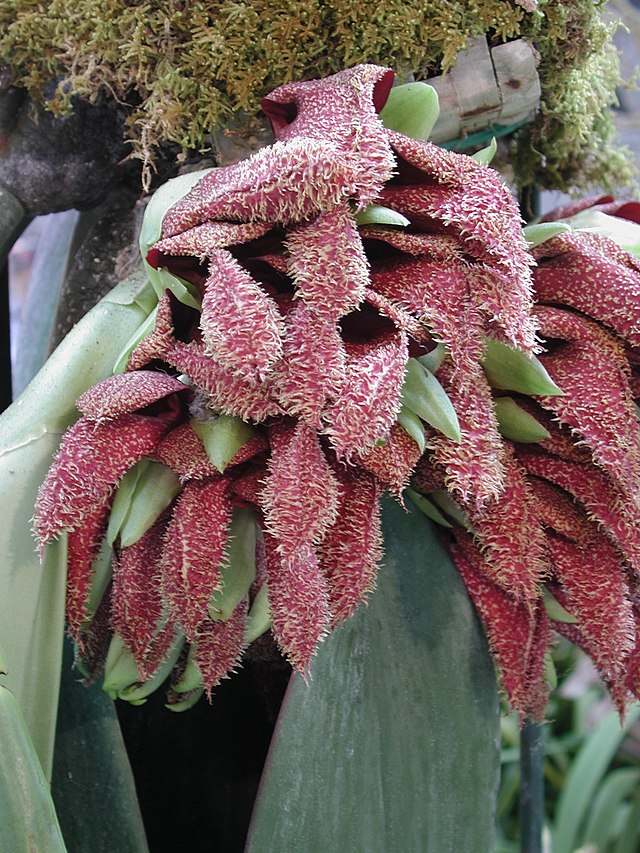 © Elena Gaillard from New York, USA / CC BY 2.0
Bulbophyllum Phalaenopsis
One of the largest Bulbophyllum species with huge leaves and uniquely scented flowers, popular among collectors.
 © BotBln / CC BY-SA 3.0
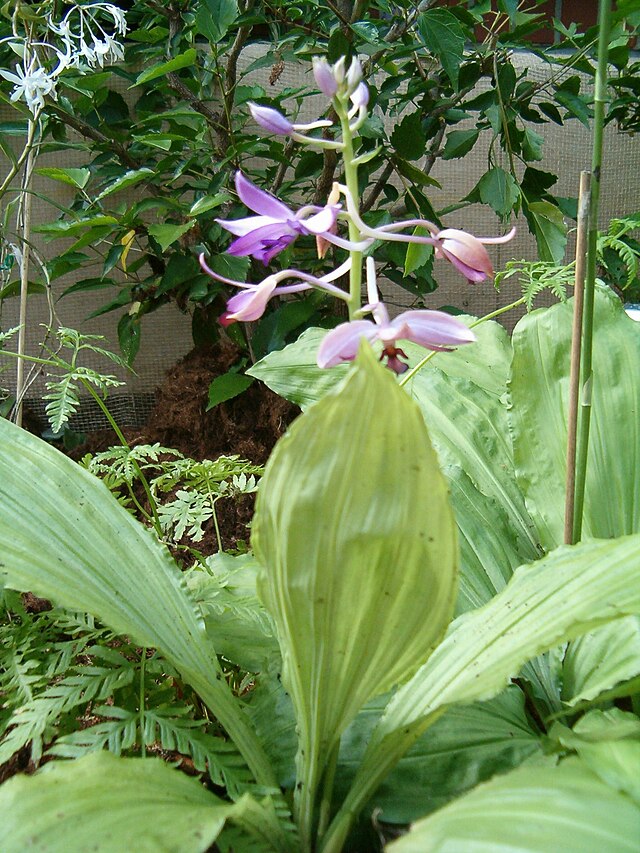
Calanthe
Calanthe discolor
A terrestrial orchid native to Japanese mountains, with elegant spring flower spikes.
 © Dalton Holland Baptista / CC BY-SA 3.0
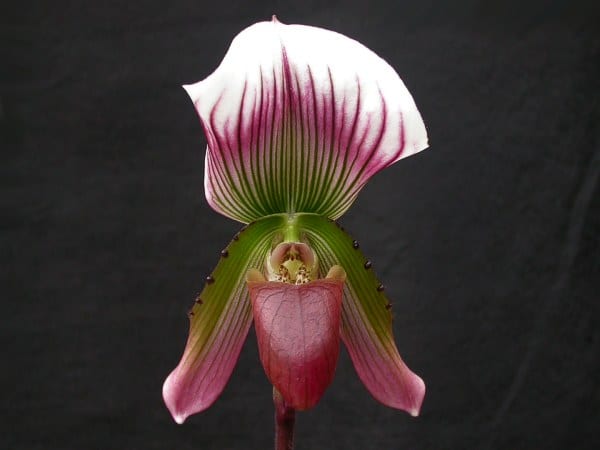
Callous Paphiopedilum
Paphiopedilum callosum
A section Barbata slipper orchid from Indochina to the northern Malay Peninsula. It has leaves mottled in light and dark green and, from spring to early summer, bears one flower 8-11 cm across on a hairy purple stem.
 © Larsen Twins Orchids / Attribution
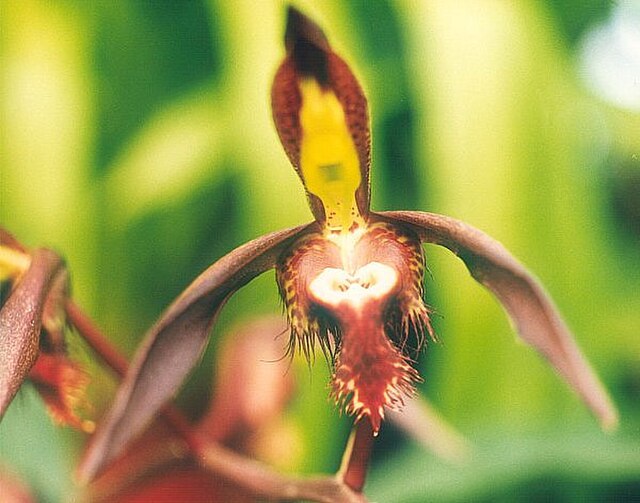
Catasetum
A unique orchid with separate male/female flowers that shoots pollinia, with deciduous dormancy.
 © Orchi / CC BY-SA 3.0
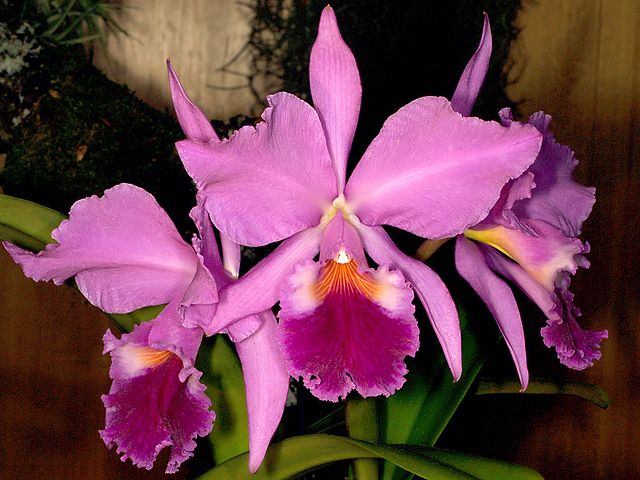
Cattleya
Known as the Queen of Orchids, prized for large fragrant blooms and stunning colors.
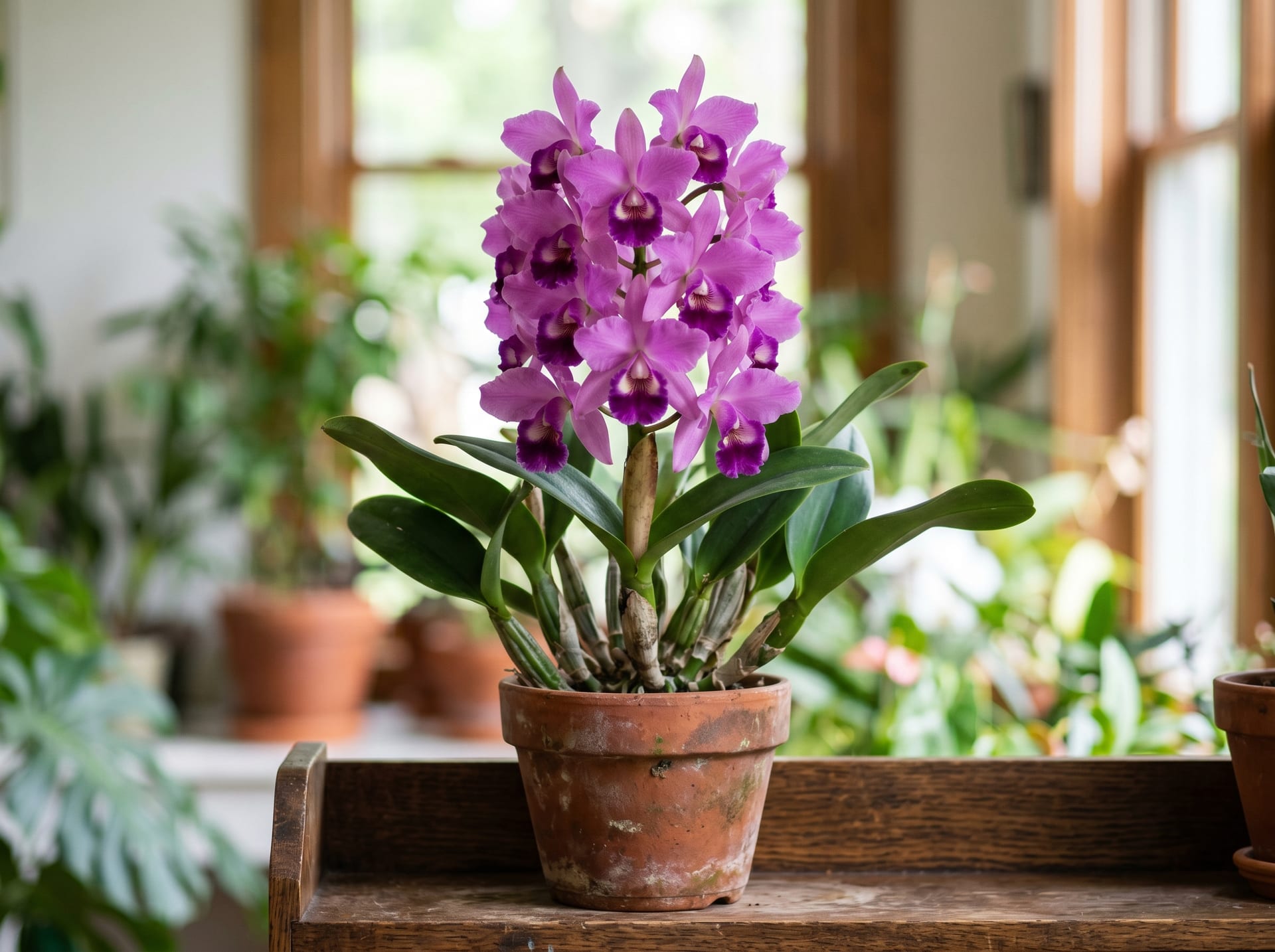
Cattleya Bowringiana
Cattleya bowringiana
A Cattleya species with clusters of purple-pink autumn flowers, prolific, gorgeous and easy to grow.
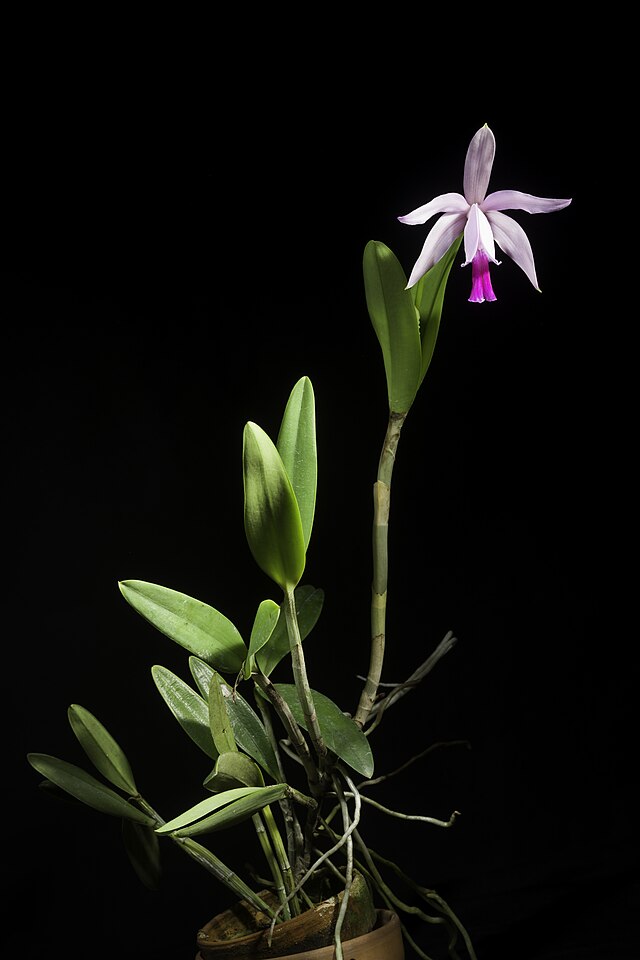 © sunoochi / CC BY 2.0
Cattleya Intermedia
Cattleya intermedia
A Brazilian Cattleya species with many color forms including coerulea and aquinii.
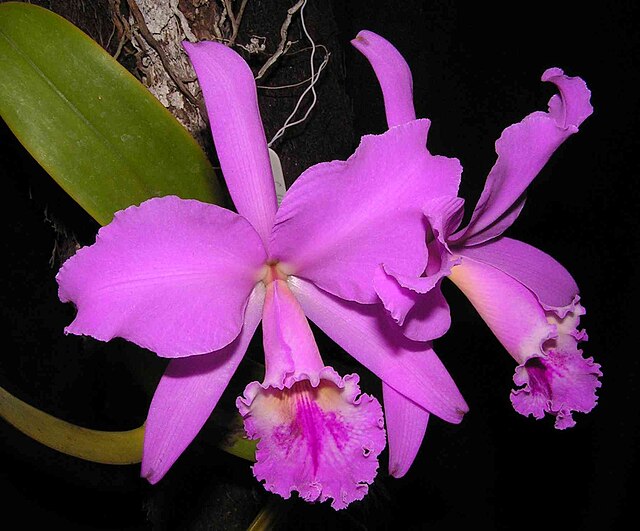
Cattleya Labiata
Cattleya labiata
The first Cattleya species discovered, with a large lip and vibrant autumn blooms.
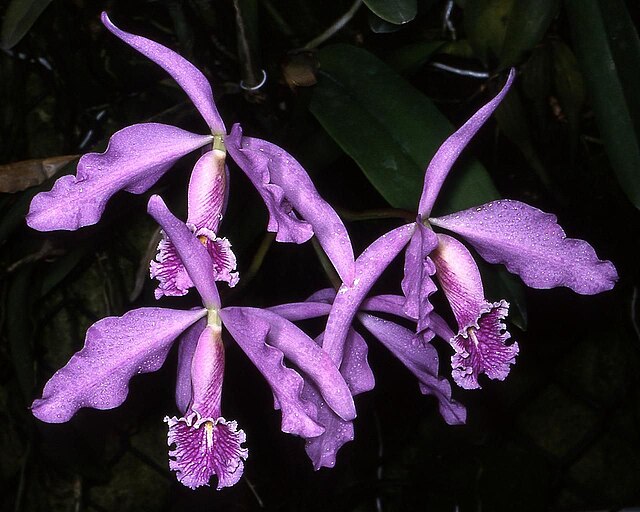 © Orchi / CC BY-SA 3.0
Cattleya Maxima
Cattleya maxima
A large Cattleya from Ecuador-Peru with lavender blooms and beautifully frilled lips.
Related Content
Orchid FAQ
- How much do orchids cost?
- Mini Phalaenopsis cost 1,000-5,000 yen, large Phalaenopsis 5,000-30,000 yen, Cattleya 3,000-20,000 yen, and rare species orchids tens of thousands of yen depending on type and size.
- Can beginners grow orchids?
- Phalaenopsis and Dendrobium are easy to manage indoors and recommended for beginners. Place in bright indirect light and water when the moss dries out for long-lasting blooms.
- How long do orchids live?
- With proper care, orchids can be grown for decades. Phalaenopsis bloom annually and can be propagated by division. Many enthusiasts have plants over 10 years old.
- What should I check when buying orchids?
- Check that roots are green and healthy, leaves are firm, and there are no disease spots. Choosing a blooming plant helps you see what to expect and is easier for beginners.
- How do I get orchids to rebloom?
- Cut the flower spike above a node after blooming and keep in bright shade. A day-night temperature difference in autumn encourages flower spike formation. Consistent fertilizing and watering are key.