[Beginner's Guide] Introduction to Orchid Care
For beginners who want to start growing orchids. A complete guide to the basics of placement, watering, and fertilizer, the timing and methods for repotting, tips for getting flowers to bloom, and recommended beginner-friendly species such as phalaenopsis and dendrobium.
![[Beginner's Guide] Introduction to Orchid Care](https://img.botachoku.com/column-images/orchid-repotting-timing/hero-1783060906870.jpg)
Key Takeaways
For beginners who want to start growing orchids. A complete guide to the basics of placement, watering, and fertilizer, the timing and methods for repotting, tips for getting flowers to bloom, and recommended beginner-friendly species such as phalaenopsis and dendrobium.
Related Species
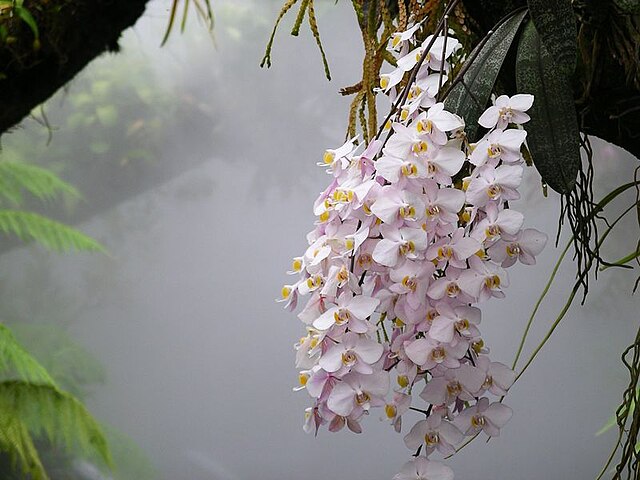
What Kind of Plant Is an Orchid? Its Charm and Diversity
Orchids are one of the largest groups in the plant kingdom, with more than approximately 25,000 species found worldwide. Their habitats range from tropical rainforest canopies, where they grow as epiphytes on trees, to temperate zones where they develop underground roots—a diversity of environments is truly remarkable. In Japan, there is a long history of cultivating "Oriental orchids" such as spring orchid and cold orchid, and in modern times, tropical orchids including phalaenopsis are widely grown.
The greatest charm of orchids is the brilliance of their flowers and how long the blooms last. With proper care, phalaenopsis can keep its flowers for 1 to 3 months, and dendrobium blooms abundantly on every branch in spring. While many people have the impression that orchids are difficult to grow, beginners can successfully cultivate them if they provide the right environment suited to the characteristics of each variety.
The first step to successful orchid cultivation is to thoroughly understand the characteristics of the variety you wish to grow. If you're unsure which variety to choose, please also refer to 5 Recommended Orchids for Beginners.
Light and Location Management
The placement of orchids is often where beginners first encounter problems. Exposing them to direct sunlight because you've heard they like bright places can cause leaf scorch. For most orchids, the ideal condition is soft, filtered light through a lace curtain.
Adjusting Placement by Season
- Spring and autumn: A bright windowsill indoors is ideal. Choose a well-ventilated location.
- Summer: Avoid direct sunlight and use shade cloth or thin curtains to soften the light. Be especially careful about afternoon western sun, which can cause leaf scorch.
- Winter: Windowsills become cold at night, so move plants behind the curtains before bedtime. Most varieties need to be kept above 10°C.
The Importance of Air Circulation
Orchids naturally grow as epiphytes on trees and rocks. If the base is constantly wet, the roots are prone to rot and can become a breeding ground for mold and pests. When growing orchids indoors, creating air circulation with a fan makes management much easier.
Watering Tips: Adjusting to Variety and Growing Medium
Most orchid cultivation failures are due to overwatering. Since orchids prefer conditions where roots can breathe, continuing to water before the growing medium is completely dry will cause root rot.
Watering Guidelines by Growing Medium Type
For moss-based medium
Sphagnum moss has high water retention, so it dries slowly. If the surface feels moist to the touch, you don't need to water yet. Water thoroughly only after the surface has dried and another 1 to 2 days have passed.
For bark-based medium
Bark has good drainage and dries quickly. Water when the surface is dry. If the root tips are green, there is sufficient moisture; if they turn white or silvery, it's time to water.
Adjusting Watering Frequency by Season
- Spring to autumn (growing season): Roots are actively growing, so water as needed based on how dry the medium is.
- Winter (dormant period): Most varieties grow slowly, so significantly reduce watering frequency. Water only after the moss is completely dry.
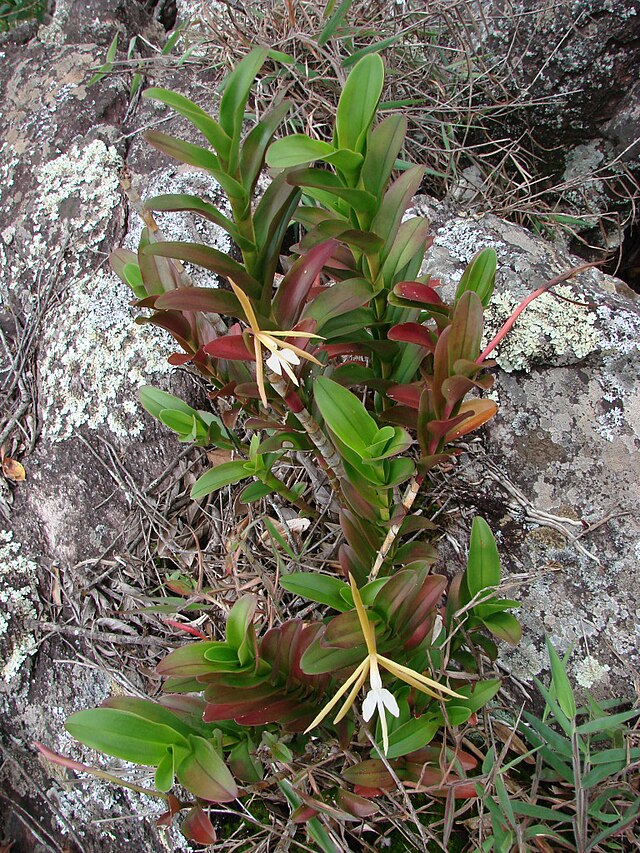
- Misting: For epiphytic orchids (such as epidendrum), misting the roots helps maintain the health of roots that prefer airborne humidity.
Fertilizer and Repotting: Growing Healthy Plants
How to Apply Fertilizer
Giving orchids too much fertilizer can damage the roots. The basic rule is to apply diluted liquid fertilizer (diluted to less than the recommended concentration) about twice monthly, primarily during the growing season from spring to autumn.
- Avoid fertilizing while blooming: Nutrients may go to the flowers, potentially shortening their bloom time.
- Not needed in winter: Fertilizing during dormancy risks damaging the roots.
- Slow-release solid fertilizer: "Top-dressing" fertilizer placed at the edge of the medium works slowly over a long period, making it easy to manage.
Repotting Procedure and Timing
Spring, when new growth starts, is the ideal time to repot. Refresh the medium with new material every 2 to 3 years. Sphagnum moss loses its water retention with extended use and can cause root rot. For more detailed information on choosing potting materials and characteristics of different media, see Orchid Repotting Guide.
Repotting Procedure
- Remove the plant from the pot and carefully remove old moss or bark.
- Inspect the roots and trim any that are black or soft with scissors.
- Apply fungicide (such as Shinanen fungicide or Shinanen Z) to the cut surfaces and let dry.
- Wrap the roots in fresh moss or bark and secure in the pot.
- Avoid watering for about a week after repotting and keep in bright shade.
Tips for Flowering and Recommended Beginner-Friendly Varieties
Managing for Flower Bud Formation
It's disappointing when an orchid you've carefully cultivated doesn't bloom. The key to flower bud formation is temperature difference and light intensity.
- Day-night temperature difference: Placing plants in an environment with a 5–10°C difference between day and night temperatures in autumn promotes flower bud formation in many varieties. Moving them to a bright, shaded outdoor location is also effective.
- Adequate light: Leaves that are very dark green indicate insufficient light. Moving the plant to a brighter location will help.
- Healthy growth: Weak plants lack the energy to flower. First, focus on growing a healthy plant.
4 Recommended Varieties for Beginners
- Phalaenopsis
The most easy-to-grow variety with excellent flower longevity. It can be managed in a bright indoor location and is perfect for beginners. Available in a wide range of colors including white, pink, and purple. For more detailed care instructions, see Complete Phalaenopsis Care Guide.
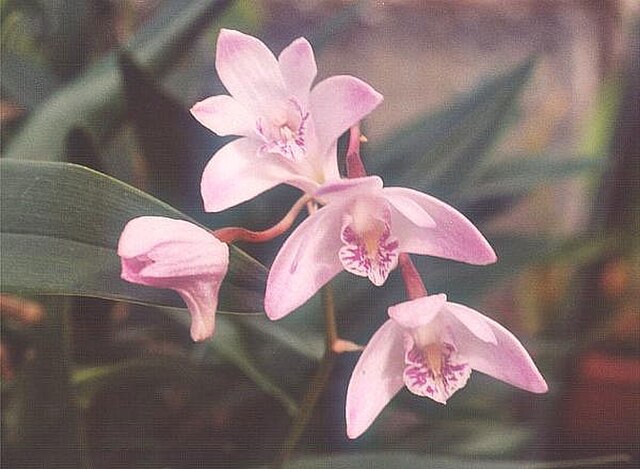
- Dendrobium nobile
This variety is relatively cold-hardy, durable, and easy to handle. Exposing it to low winter temperatures triggers flower bud formation, and the simultaneous blooming in spring is spectacular.
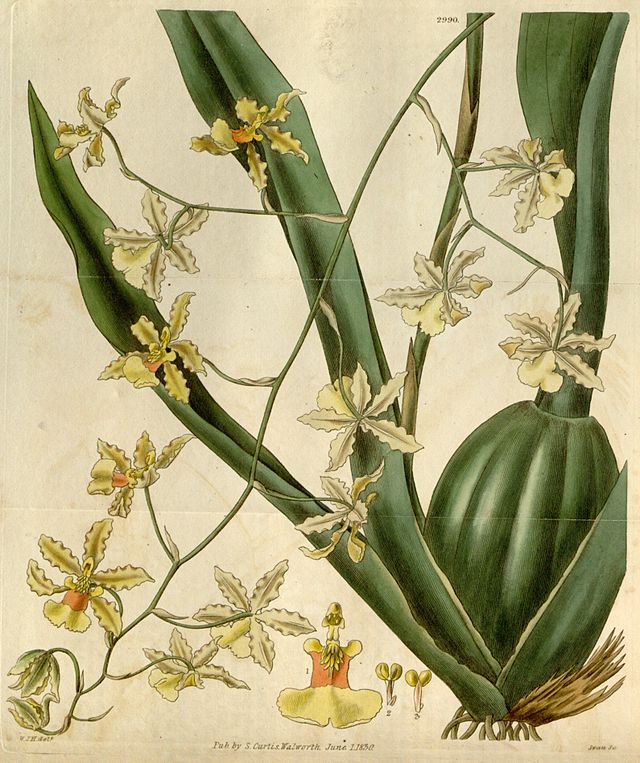
- Oncidium
A unique orchid with clusters of small yellow flowers. Some varieties have a sweet fragrance, and simply displaying them brightens the space.
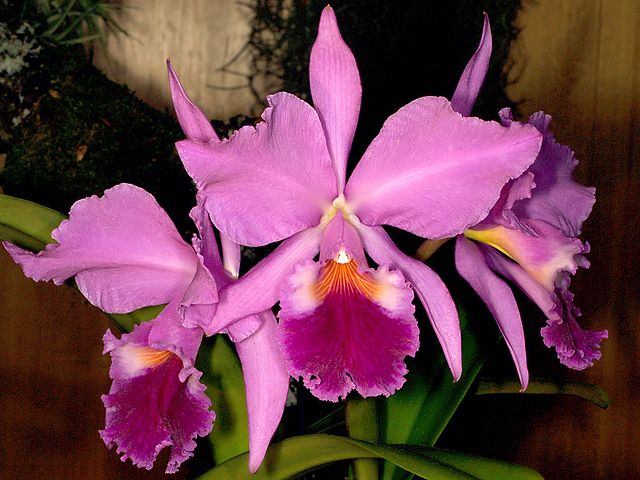
- Cattleya
Known as the "Queen of Orchids," it is characterized by large flowers. Many varieties have a strong fragrance, and their presence when in bloom is remarkable.
GrowerDirect's Safe and Secure System
GrowerDirect is a platform where you can purchase orchids directly from growers. It handles varieties that are difficult to find in typical home improvement stores and flower shops, making it an attractive option for orchid enthusiasts.
Benefits of Purchasing on GrowerDirect
- Access to proven blooming plants: You can purchase healthy plants directly from growers who have successfully cultivated and bloomed them. This greatly reduces the risk of "buying a plant that won't bloom."
- Clear variety information: You can directly confirm information about hybrid parentage, expected flowering time, and detailed cultivation conditions from the grower, allowing thorough information gathering before purchase.
- Find rare and species orchids: Species orchids and uncommon hybrids that are rarely found in retail shops are available, delighting collectors.
- Direct access to experts: When uncertain about care, you can ask the grower who cultivated the plant directly. For beginners, having immediate access to expert advice is invaluable.
Orchids are deeply engaging plants that, once you develop an affection for them, make you want to expand your collection. Start with the easy-to-grow phalaenopsis and gradually broaden your variety selection. Connecting with growers through GrowerDirect enriches your enjoyment of cultivation.