Complete Guide to Growing Phalaenopsis Orchids | Tips for Beginners to Keep Them Blooming Long-Term
A beginner-friendly guide to enjoying popular gift Phalaenopsis orchids long-term, covering watering, placement, fertilizing, and post-bloom care. We also introduce temperature management and techniques to encourage new flower buds.
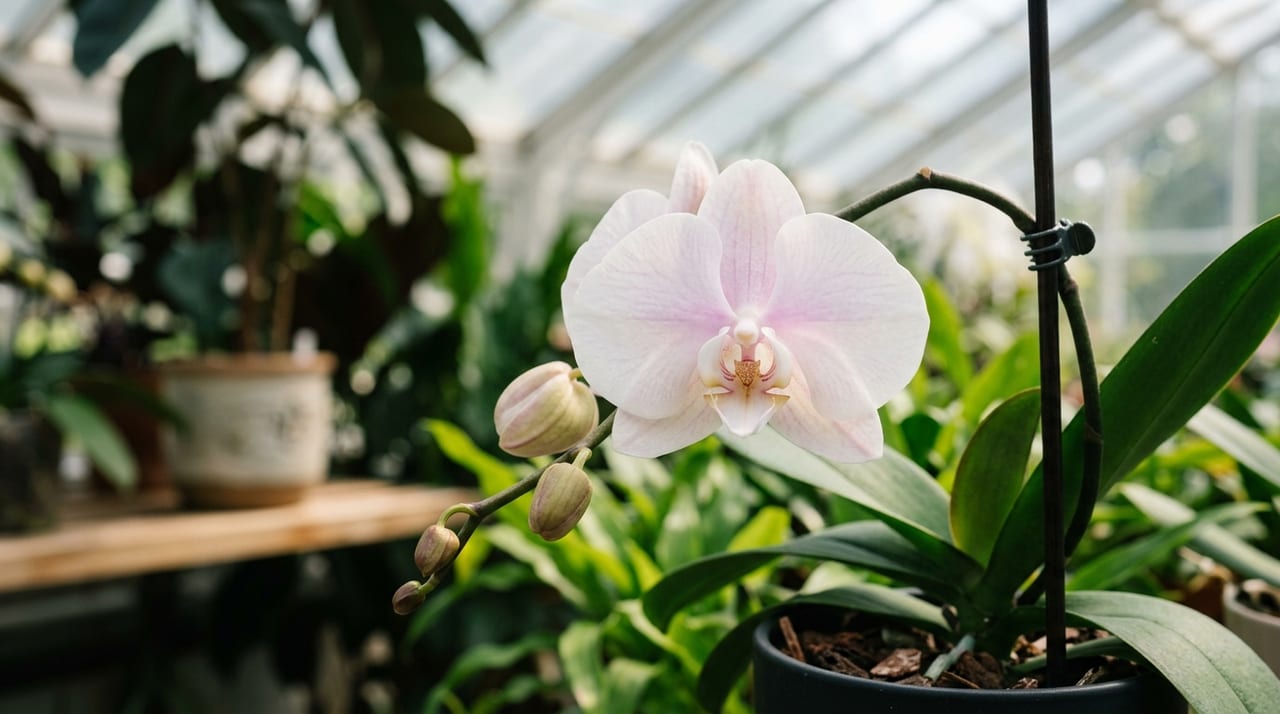
Key Takeaways
A beginner-friendly guide to enjoying popular gift Phalaenopsis orchids long-term, covering watering, placement, fertilizing, and post-bloom care. We also introduce temperature management and techniques to encourage new flower buds.
Related Species
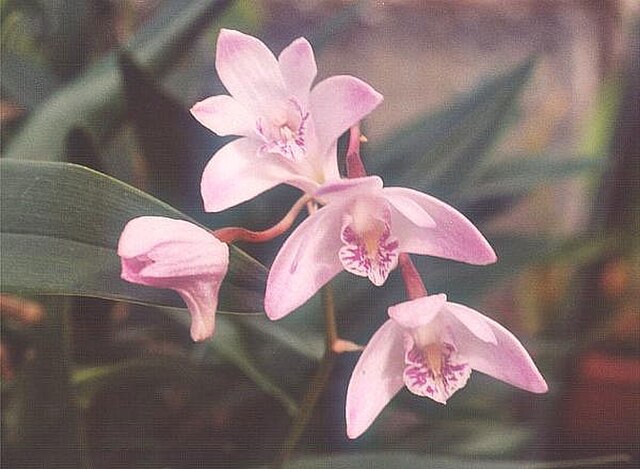
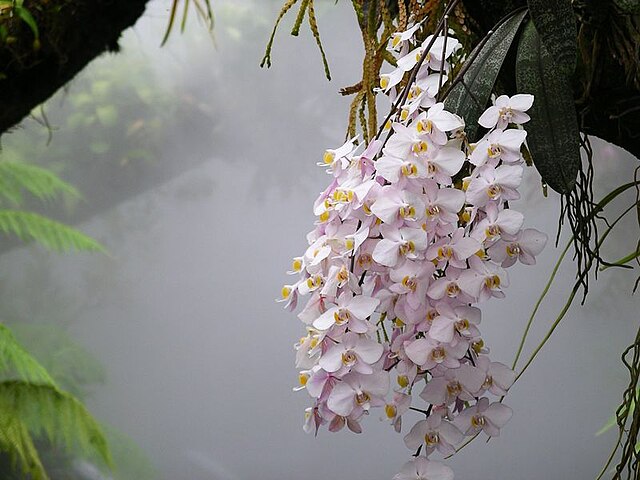
What Is the Phalaenopsis Orchid?
The Phalaenopsis orchid is a type of orchid known for its distinctive flowers that resemble graceful butterflies in flight. Native to Southeast Asia, Australia, Taiwan, and other regions, Phalaenopsis orchids are epiphytic plants that attach to tree trunks and rocky surfaces in their natural habitats. Their roots have a specialized structure that absorbs moisture and light directly from the air, rather than drawing nutrients from soil as typical plants do. Understanding this characteristic is fundamental to caring for Phalaenopsis orchids.
While known as a popular gift, Phalaenopsis orchids are actually easy enough for beginners to grow with proper care. A single plant can produce blooms for one to two months, and with correct management, it can be made to flower repeatedly in subsequent years. If you're curious about how Phalaenopsis compares to other orchids like Dendrobium, check out Phalaenopsis vs. Dendrobium: Which Is Better for Beginners? A Thorough Comparison for more details. This article provides a systematic guide covering everything from basic placement and watering to fertilizing, repotting, and techniques for encouraging reblooming.
Placement and Light Management
Phalaenopsis orchids dislike direct sunlight. In their native habitats, they grow under the canopy of tall trees in dappled light, so strong direct light causes leaf burn and stunted growth. For a more detailed explanation of light requirements, see Phalaenopsis and Orchid Light and Brightness Guide.
Ideal Placement
- Bright, filtered light to semi-shade
- East-facing or north-facing windows (morning's soft light is ideal)
- For south-facing or west-facing windows, filter light through sheer curtains
Light Level Guidelines and Seasonal Adjustments Insufficient light causes leggy leaf growth and difficulty forming flower buds. The basic guideline is to keep plants within 1–2 meters of a window. In summer, move plants away from the window or use shade cloth to avoid intense light and heat. In winter, move plants closer to the window to maximize available light. If using LED grow lights as supplementary lighting, aim for full-spectrum lights at around 5,000–10,000 lux.
Temperature Management Basics The ideal temperature range for Phalaenopsis orchids is 15–30°C (59–86°F). Below 10°C (50°F), plants begin to deteriorate. Winter heating from air conditioning dries out the air, so maintain humidity at 50–70% by using a humidifier or placing a tray of water nearby. Avoid placing plants where air conditioning drafts blow directly on them.
Watering Methods
The most common mistake when watering Phalaenopsis orchids is overwatering. Since roots need oxygen from the air, keeping them constantly wet leads to root rot. The basic rule is to water only after the growing medium (bark or sphagnum moss) has completely dried out.
Watering Frequency Guide
- Summer (warm season): Once every 5–7 days
- Winter (cool season): Once every 10–14 days
- During flowering: Water less frequently (water on flowers causes damage)
Watering Method The soak method—filling a saucer with water, letting roots absorb it for 15–20 minutes, then discarding excess water—minimizes root rot risk. Alternatively, you can thoroughly wet the growing medium and roots under running water, then let water drain completely from the pot's base. In either case, be careful not to let water pool at the leaf bases or in the center of the plant, as this causes rot. If you want to try hydroponic cultivation, see Hydroponics for Orchids and Phalaenopsis | Continuous Soaking, Water Level, and Water Changes.
Water Temperature and Quality Applying cold tap water directly can damage roots. Use room-temperature water, or if you're concerned, let tap water sit for 24 hours to allow chlorine to evaporate.
Fertilizing
As epiphytic plants, Phalaenopsis orchids thrive in their native habitats on extremely sparse nutrients from decaying leaves and insects. Therefore, overfertilizing damages roots and is counterproductive. The golden rule is: dilute, minimal amounts, applied regularly.
Fertilizing Schedule
- Growing season (spring–fall): Once every 2–3 weeks with liquid fertilizer diluted to half strength or less
- Dormant season (winter): Fertilizing is largely unnecessary. If needed, apply once monthly at very dilute strength
- During flowering: Do not fertilize (to concentrate energy on blooms)
Choosing Fertilizer In the period before you want blooms (spring through early summer), choose fertilizers high in phosphorus (for example, Hyponex Orchid Fertilizer) to encourage flower bud formation. During the growing season, a balanced liquid fertilizer with nitrogen promotes vibrant green foliage. Foliar fertilizers (applied as a spray) are quickly absorbed and convenient, so they're recommended.
Repotting
Phalaenopsis orchids typically need repotting every 2–3 years. Signs that repotting is needed include roots protruding from the pot's edge, bark breaking down and losing drainage, or roots crowding the interior. If you want to propagate by division, see Complete Guide to Orchid Division and Propagation | Pseudobulb Cutting, Plantlets, and Root Division.
Best Timing The ideal time is spring through early summer, right after flowering ends. Temperatures are stable, and plants recover easily from the stress of repotting. Avoid repotting during winter or while flowering, as it stresses the plant significantly.
Growing Media
- Bark (tree bark chips): Excellent drainage and aeration, resists root rot. The standard choice
- Sphagnum moss: High water retention, requires less frequent watering. Ideal for dry indoor environments and beginners
- Mix: Combining bark and sphagnum moss captures the advantages of both
Repotting Steps
- Remove all old bark and sphagnum moss
- Rinse roots gently with water and check their condition
- Trim away dead or blackened roots with clean scissors (optionally apply fungicide or activated charcoal to cut ends)
- Plant in fresh growing medium, wrapping it around the entire root system
- Hold off watering for one week after repotting to allow cuts to dry, then resume normal care
Post-Bloom Care and Reblooming
Many people mistakenly think Phalaenopsis orchids bloom only once and discard them, but with proper care, they can be made to bloom again the following year. For more detailed steps, see Phalaenopsis Double-Blooming Technique | How to Make Them Bloom Again After Flowering.
Cutting Flower Stems Once all flowers have fallen, cut the flower stem 2–3 nodes above a node. New flower buds sometimes emerge from the remaining nodes. However, if the plant is weak or you want to conserve energy for next year's bloom, you can cut the entire stem at the base. Always use clean scissors to prevent infection.
The Importance of Temperature Drop for Reblooming For Phalaenopsis orchids to form new flower buds, they need 4–6 weeks of temperature variation between day (around 25°C / 77°F) and night (15–18°C / 59–64°F). Moving plants to a cool spot near a window from late summer through autumn naturally creates this temperature difference. In rooms where air conditioning runs constantly, you can also achieve this by slightly opening a window at night to let in outside air.
Once Flower Buds Appear When flower buds reach 5–10 cm, stake them and gently guide them in your preferred direction. Since flower stems grow toward light, you can adjust their direction by gradually rotating the pot.
Find Your Favorite Phalaenopsis on GrowerDirect
At GrowerDirect, you can purchase Phalaenopsis orchids directly from dedicated growers who carefully cultivate plants with attention to flower color, patterns, and plant size. The lineup includes rare flower colors, variegated varieties, and miniature Phalaenopsis that you won't find at large flower shops—selections unique to specialist growers. Growers are happy to answer specific questions like "Which variety suits my window's light conditions?" or "Which one is best for my first plant?" Using the care tips in this article, find your favorite at GrowerDirect and enjoy its blooms for years to come.