What Are the Cultivation Costs of Orchids? Breaking Down Monthly Running Expenses
An explanation of monthly costs for orchids—sphagnum moss, bark, fertilizer, and pesticide expenses. Easy-to-understand cost estimates by orchid type, including phalaenopsis and cattleyas.
Key Takeaways
An explanation of monthly costs for orchids—sphagnum moss, bark, fertilizer, and pesticide expenses. Easy-to-understand cost estimates by orchid type, including phalaenopsis and cattleyas.
Related Species
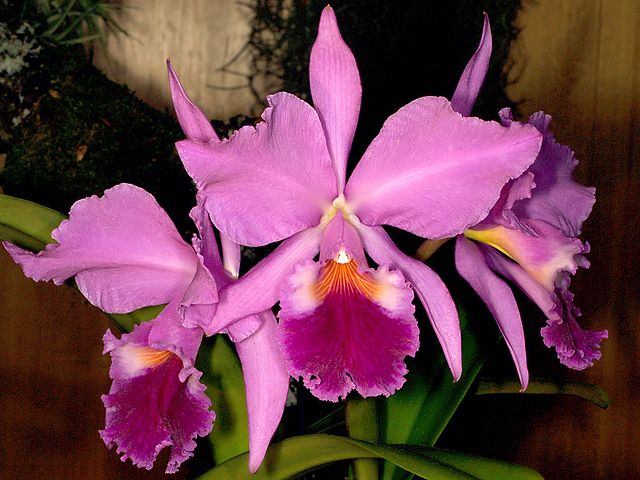
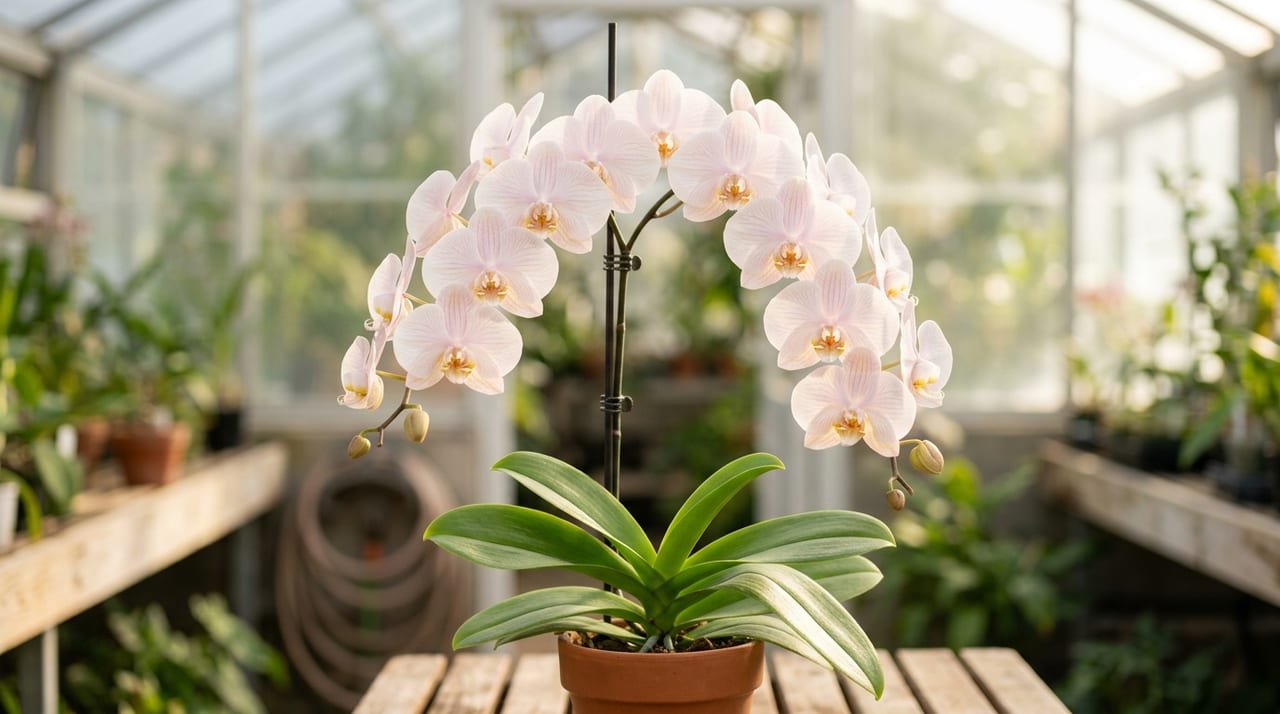
Orchids often carry an image of being "difficult to grow" and "expensive to maintain." It's true that potted phalaenopsis orchids gifted as presents often cost over 10,000 yen, which can feel like a high barrier to entry. However, in reality, when you choose the right varieties, monthly running costs are surprisingly low. This article provides a detailed breakdown of initial costs, maintenance expenses, and smart tips for saving money on orchid cultivation. If you've been interested in growing orchids but haven't taken the step due to cost concerns, this guide is for you.
Initial Costs by Orchid Type: A Rough Guide
Orchids come in many varieties with a wide range of prices. Organizing your initial setup costs into two categories makes it easier to understand: "plant purchase" and "cultivation supplies."
Plant Purchase Cost
| Variety | Price Range | Difficulty Level |
|---|---|---|
| Dendrobium | 1,000–3,000 yen | Beginner-friendly |
| Phalaenopsis (mini) | 1,500–4,000 yen | Beginner-friendly |
| Cattleya | 3,000–10,000 yen | Intermediate |
| Species orchids & rare varieties | 5,000 yen–tens of thousands | Advanced |
For beginners, dendrobiums and miniature phalaenopsis orchids offer an excellent balance of price and ease of care. In contrast, rare species orchids and premium hybrid orchids are expensive due to their limited availability in the market.
Cultivation Supply Costs
- Sphagnum moss: 500–1,500 yen. A standard substrate for phalaenopsis and epiphytic orchids. Its high water retention and transparency make it easy to check root health.
- Bark (wood chip substrate): 500–1,000 yen. Well-suited for epiphytic orchids like cattleyas that prefer good drainage and aeration.
- Specialty pots (clear pots): 300–1,000 yen. Clear pots are especially convenient for monitoring watering timing by observing root color.
- Liquid fertilizer (initial purchase): 500–1,000 yen. Since it's diluted before use, one bottle lasts several months.
Orchids cannot be grown in standard gardening soil. They require specialized substrates with excellent drainage and aeration. Initial supply costs typically total 2,000–5,000 yen.
Monthly Running Cost Breakdown
Once you've invested in the initial setup, the monthly costs for orchid cultivation are minimal—one of the orchid's greatest advantages.
Fertilizer Cost: 300–500 yen
Liquid fertilizer is applied weekly during the growing season (spring through autumn), diluted to the recommended strength. Even a 500–1,000 yen bottle lasts 2–4 months when diluted properly. Since fertilizer is withheld during winter dormancy, the annual average monthly cost is about 300–500 yen.
Substrate Replacement Cost: 100–200 yen (monthly average)
Sphagnum moss and bark only need replacing every 2–3 years. Even if done annually, the monthly cost is just 100–200 yen. The fact that repotting isn't needed frequently is one of the great cost-saving aspects of orchid cultivation.
Pest & Disease Control Cost: 200–500 yen
Scale insects and spider mites are common orchid pests. Regular observation and prompt treatment are key. Using insecticides and fungicide sprays 1–2 times per month costs about 200–500 yen. Maintaining a clean growing environment can reduce pest pressure significantly, potentially reducing chemical costs to nearly zero.
Water & Utility Costs: Nearly 0–tens of yen
Watering is needed only 1–2 times per week, with negligible impact on water bills. If heating is needed in winter, there's some added electricity cost, but selecting orchid varieties suited to indoor environments can keep this minimal.
Total Monthly Cost: 700–1,500 yen
When pest and disease pressure is low and management is stable, orchids can be maintained for as little as 500–800 yen per month. Costs vary considerably depending on the variety and growing conditions, so starting with beginner-friendly varieties will help you get a sense of your actual expenses.
5 Tips to Keep Costs Down
1. Buy Supplies in Bulk for Lower Unit Prices
Purchasing large bags of sphagnum moss (500g–1kg) rather than small packs is much more economical. You'll get 3–4 times more material for the same budget, and if you're growing 2–3 orchids, bulk purchases are more cost-effective long-term.
2. Follow Dilution Ratios to Make Fertilizer Last
Stronger fertilizer doesn't mean better results—it can actually cause root burn. Following the recommended dilution rate ensures you get the most out of each bottle. Being slightly conservative with dilution will make it stretch even further.
3. Start with Beginner Varieties to Build Knowledge
Dendrobiums and miniature phalaenopsis orchids have relatively simple care routines and are forgiving for beginners. Starting with difficult varieties increases the risk of losing plants, which ultimately costs more money.
4. Maintain a Clean Growing Environment to Reduce Chemical Costs
Pest and disease problems often stem from poor hygiene or inadequate air circulation. Simply keeping the area around your pots clean and regularly inspecting leaves can dramatically reduce pesticide expenses.
5. Buy Healthy Plants from Growers
Purchasing stressed or weak plants from discount sources may seem like savings, but they're often difficult to care for and can incur higher chemical and labor costs. Starting with a healthy plant from a quality source is a better long-term investment.
Summary: How Much Does Orchid Growing Cost Per Year?
Here's a rough breakdown of total annual orchid cultivation expenses:
- Initial cost (plants + supplies): Around 3,000–10,000 yen
- Annual running costs: About 8,000–18,000 yen (700–1,500 yen × 12 months)
- Repotting cost (every 2–3 years): 1,000–2,000 yen
As a hobby, orchid growing offers exceptional value for money and provides long-lasting enjoyment. Once you're comfortable with care routines, you can expand your collection or try rare varieties, opening up new possibilities for enjoyment.
Find Healthy Orchids on GrowerDirect
On GrowerDirect, you can purchase orchid plants directly from growers. Orchids carefully cultivated by professional growers establish quickly after purchase and have lower initial care costs—a major advantage.
- Direct access to rare varieties: Purchase rare species orchids and hybrid varieties directly from growers, varieties rarely found in retail stores.
- Get expert cultivation advice: Ask specialist growers directly for cultivation tips tailored to your specific plant.
- Trade with confidence: The rating system and messaging feature let you verify seller credentials before transacting, even as a first-time buyer (payment is handled directly between buyer and seller, not through GrowerDirect).
If you want to enjoy quality orchids while keeping costs low, GrowerDirect's direct-from-grower model is ideal. Start with an easy beginner variety and discover the joy of growing orchids yourself.