How Much Does It Cost to Grow Carnivorous Plants? A Guide to Monthly Running Costs
We explain the monthly costs of maintaining carnivorous plants, including substrate, distilled water, and lighting electricity. We also compare the different management costs of Nepenthes and Venus flytraps.
Key Takeaways
We explain the monthly costs of maintaining carnivorous plants, including substrate, distilled water, and lighting electricity. We also compare the different management costs of Nepenthes and Venus flytraps.
Related Species
Carnivorous plants have seen a surge in popularity among gardening enthusiasts and indoor plant lovers in recent years, thanks to their unique ecology of catching and digesting insects. However, many people hesitate to start growing them, feeling that "they seem difficult to cultivate" or "they must be expensive."
In practice, there are several rules that differ from ordinary plants, such as not being able to use tap water or standard potting soil. However, once you get the hang of it, they are plants that can be enjoyed for years while keeping costs down. In this article, we will clearly explain the initial costs and monthly running costs, using examples of representative species such as Venus flytrap, sundew, Nepenthes (pitcher plant), and Sarracenia.
Types of Carnivorous Plants and Their Cost Relationships
Although they are all carnivorous plants, management difficulty and costs vary greatly depending on the type. Let's first understand the characteristics and cost range of the main types.
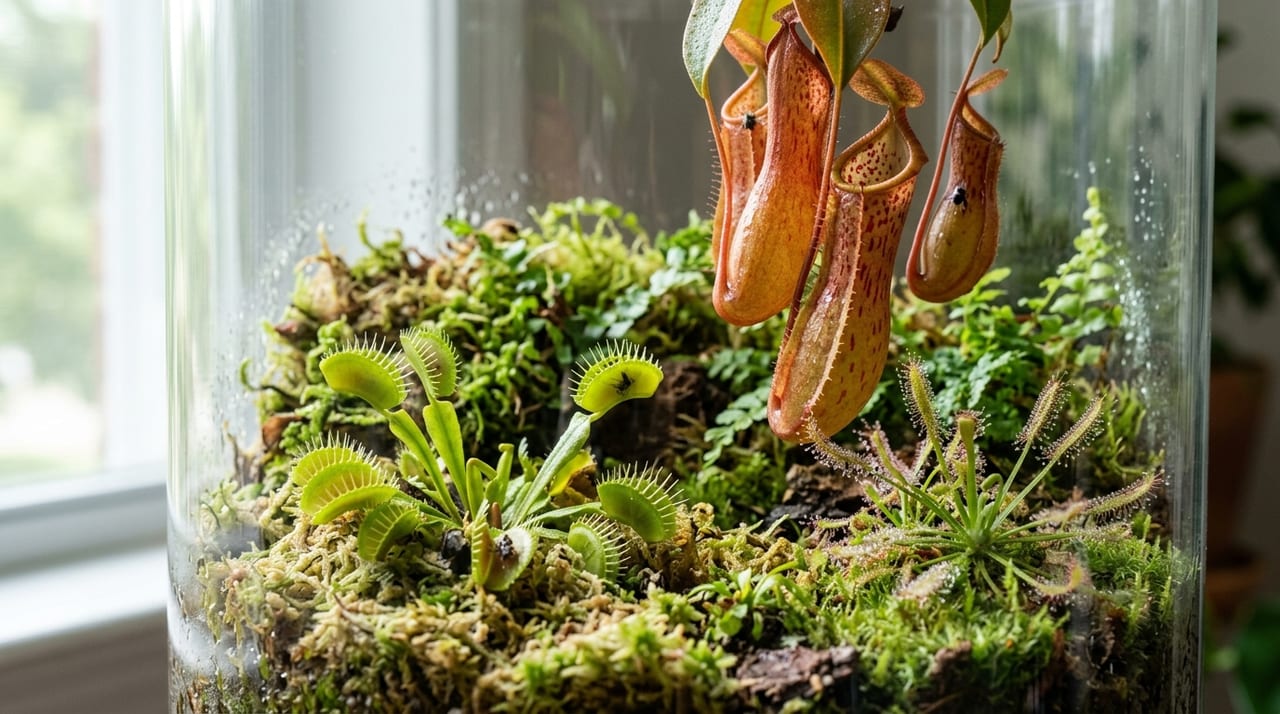
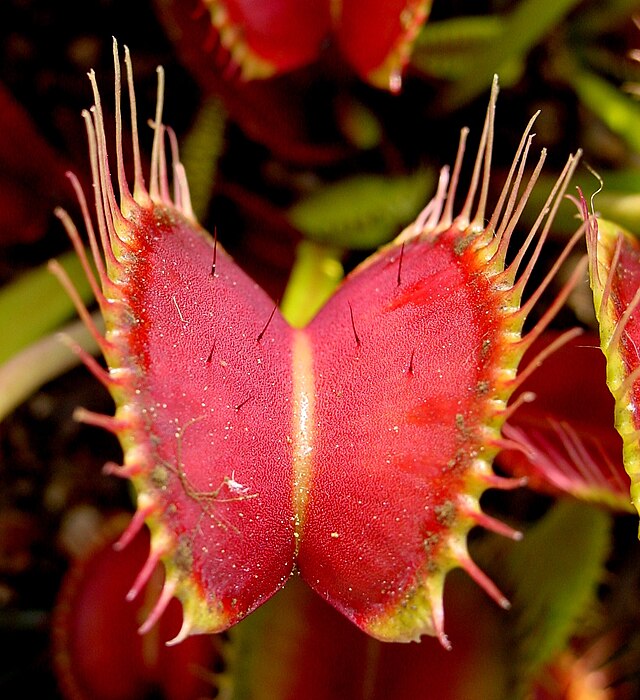
Venus Flytrap (Dionaea muscipula)
It is the most well-known carnivorous plant, characterized by its distinctive snapping leaves that clap shut. With abundant supply, it is readily available at home improvement stores and flower shops. At around ¥300–¥1,500, the price is ideal for beginners. Many varieties are hardy and relatively easy to grow even for beginners, which is its appeal.
Sundew (Drosera)
This type catches insects using sticky hairs on the leaf surface. Some species grow wild domestically, with typical retail prices around ¥500–¥2,000. There is a wide variety available, ranging from small to large specimens.
Nepenthes / Pitcher Plant (Nepenthes)
This tropical carnivorous plant is distinguished by its hanging, bag-shaped traps. Common varieties cost around ¥1,000–¥3,000, but rare highland species and hybrids can command prices reaching tens of thousands of yen. While requiring somewhat more care, their high ornamental value makes them popular.
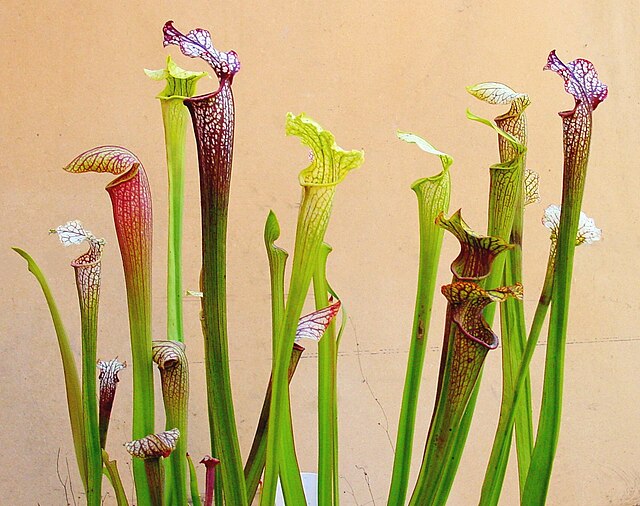
Sarracenia (Sarracenia)
A North American native with beautiful tube-shaped traps. Hardy and suited to outdoor cultivation, priced around ¥800–¥3,000. As it grows, the plant becomes an impressive specimen.
Initial Cost Estimates
Here is a summary of the initial costs necessary to start growing carnivorous plants.
| Item | Estimated Cost | Notes |
|---|---|---|
| Plant | ¥500–¥5,000 | Depends on type and variety |
| Substrate (sphagnum moss, akadama) | ¥300–¥800 | Commercial potting soil cannot be used |
| Pot (plastic pot + water tray) | ¥400–¥1,000 | Water tray method is convenient |
| LED light (for indoor cultivation) | ¥3,000–¥10,000 | Not needed if adequate sunlight is available |
| Distilled water (initial purchase) | ¥300–¥600 | Large bottle type |
Total initial cost estimate: approximately ¥5,000–¥18,000 (with lighting)
Particular attention should be paid to substrate selection. Standard potting soil and fertilized soil absolutely cannot be used. Carnivorous plants have evolved to grow in nutrient-poor soil, and soil with excessive nutrients will damage roots and cause them to die. Choose substrates with minimal nutrients, such as sphagnum moss or akadama.
Monthly Running Costs
The main ongoing costs fall into three categories.
Water (Distilled or Purified Water): ¥200–¥500 per month
The most characteristic feature of growing carnivorous plants is that tap water cannot be used. Minerals in tap water such as calcium and magnesium can damage roots and leaves. Therefore, distilled or purified water purchased at drugstores or supermarkets must be used.
Species that use the water-tray method (placing the pot in a tray of water) consume more water, so buying multiple 2-liter bottles in bulk can reduce costs.
Lighting (LED) Electricity: ¥300–¥1,000 per month
When growing indoors, LED lights must be on for 8–12 hours per day to compensate for insufficient sunlight. While costs vary depending on the wattage and duration of the light, typical electricity costs run about ¥300–¥1,000 per month.
If you have a south-facing balcony or a well-lit window, lighting is often unnecessary, in which case this cost drops to zero.
Substrate Replacement (Amortized Over 1–2 Times Per Year): ¥50–¥100 per month
Sphagnum moss degrades over time and loses air permeability, so repotting is recommended 1–2 times per year. When amortized monthly, substrate costs are only about ¥50–¥100.
Total monthly running costs: approximately ¥550–¥1,600
While they require a bit more work than typical houseplants, the costs are certainly not high. In fact, with virtually no fertilizer expenses, total costs can actually be lower.
Tips for Smart Savings
Here are practical tips for reducing carnivorous plant cultivation costs.
- Use rainwater: Rainwater collected in a clean bucket is low in minerals and can sometimes be used as a substitute for distilled water. However, caution is needed in areas affected by air pollution.
- Aim for zero lighting costs with outdoor cultivation: Venus flytraps and Sarracenia prefer direct sunlight. If you have a well-lit outdoor space, you can eliminate lighting expenses.
- Beginners should start with Venus flytrap or sundew: Choosing inexpensive, hardy varieties allows you to get familiar with carnivorous plant cultivation while minimizing initial investment.
- Buy substrate and distilled water in bulk: Buying sphagnum moss in 500g packages or using large bottles of distilled water reduces per-unit costs.
- Propagate by division: Healthy Venus flytraps and sundews can be propagated by division. Being able to increase plant numbers while maintaining the same running costs is a nice benefit.
Get Healthy Plants from GrowerDirect
One common source of failure in carnivorous plant cultivation is the condition of the plant at purchase. Even if you buy a weak specimen at a low price, caring for it afterward often becomes difficult, ultimately incurring unnecessary costs.
GrowerDirect provides a system for purchasing directly from growers who specialize in carnivorous plants.
- Easy access to rare varieties: Collector-grade species such as highland Nepenthes and rare Sarracenia, which are rarely available commercially, are readily available.
- Clarify cultivation methods directly: You can ask growers directly about questions beginners often struggle with, such as how to use distilled water, water-tray management techniques, and overwintering methods.
- Purchase well-maintained plants: Buying healthy plants carefully managed by growers ensures fewer post-purchase problems and prevents wasting initial costs.
- Ongoing support after purchase: The assurance of being able to consult with your grower when you have problems is a great source of confidence for beginners.
Once you establish a proper growing environment, carnivorous plants can be enjoyed for many years. Getting a reliable specimen from the start is the best shortcut to long-term enjoyment. Please take advantage of GrowerDirect to begin your ideal carnivorous plant journey.