Growth Rate and Size of Carnivorous Plants | Species-by-Species Guide
Explains the growth rate and expected final size of carnivorous plants such as Venus flytraps, pitcher plants, and sundews. Also introduces environmental setup and management tips for cultivating large and beautiful trap leaves.
Key Takeaways
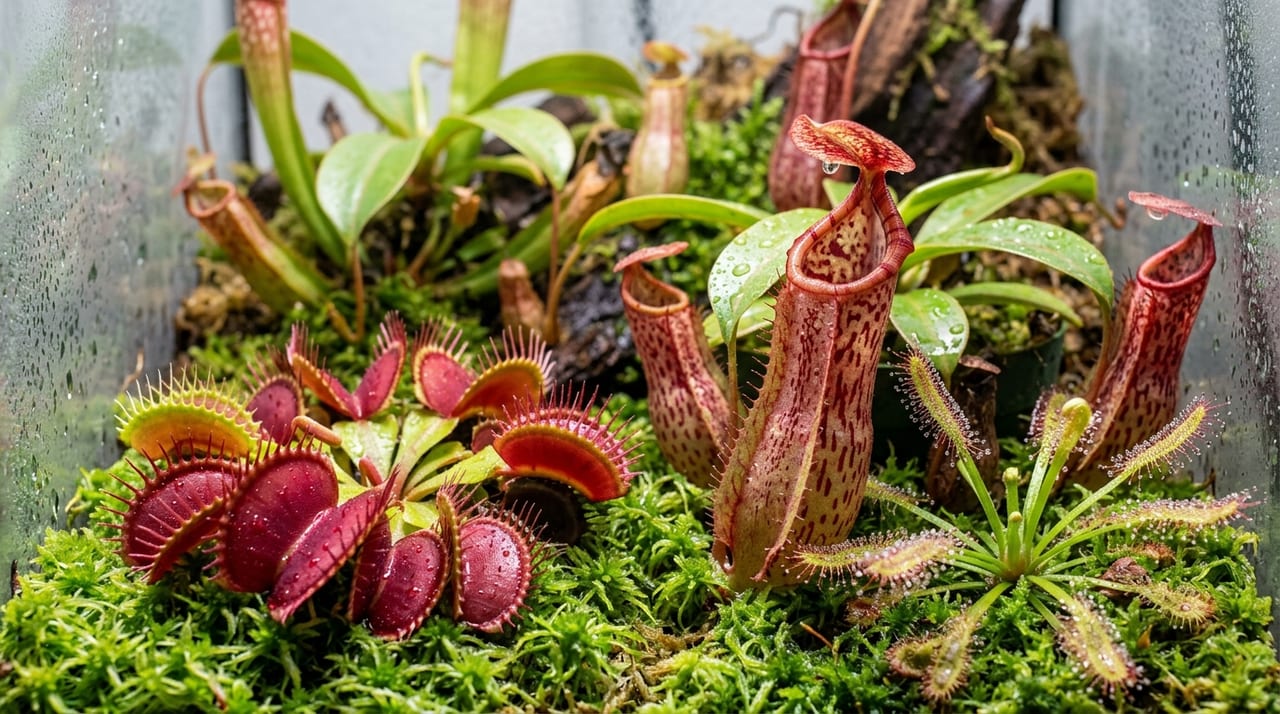
Explains the growth rate and expected final size of carnivorous plants such as Venus flytraps, pitcher plants, and sundews. Also introduces environmental setup and management tips for cultivating large and beautiful trap leaves.
Related Species
Carnivorous plants are fascinating organisms with a unique ecology of trapping insects. To fully enjoy their captivating prey-capture organs, it's important to understand the growth pace and expected size of each species. When you feel that a plant "isn't growing much" or "the traps are small," knowing whether this is normal or indicates a management problem opens up a whole new dimension of cultivation pleasure. This article explains the growth rate and expected size of representative carnivorous plants by species, and provides detailed tips for cultivating larger, more impressive specimens.
Growth Rate and Final Size by Species
While often lumped together, carnivorous plants vary greatly in growth rate and final size by species. It's important to understand these characteristics before purchasing.
Venus Flytrap (Dionaea muscipula)
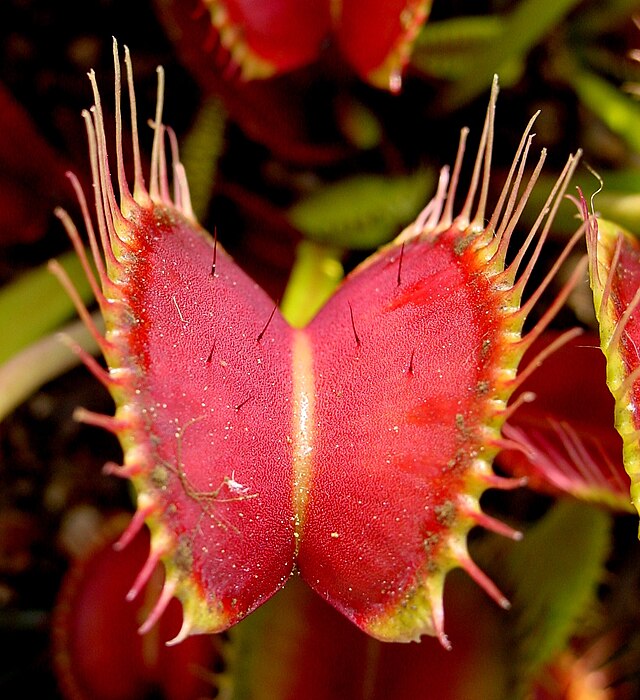
Venus flytraps grow relatively slowly, taking 3-4 years from seed to mature plant. The overall plant diameter reaches a maximum of about 12 cm, with mature trap leaves reaching about 2-3 cm at most. Though small, their stunningly red-tinged traps have high ornamental value and are popular among collectors.
Because growth is slow, you might worry the plant is dying, but outside dormancy periods, it gradually develops new traps from spring through fall. The key is to cultivate with patience and a long-term perspective.
Nepenthes (Tropical Pitcher Plants)
These tropical vines develop attractive pitcher-shaped traps within 6-12 months from a cutting. Depending on the species, the vine can reach several meters long, and pitcher size varies greatly among varieties. They range from small species with ~5 cm pitchers to large varieties like Raja and Wardi that exceed 30 cm.
Even among Nepenthes, Lowland types grow relatively quickly in warm, humid environments, while Highland types prefer cool conditions with significant day-night temperature differences and grow more slowly. Choosing a type suited to your growing environment is crucial for long-term enjoyment.
Sarracenia
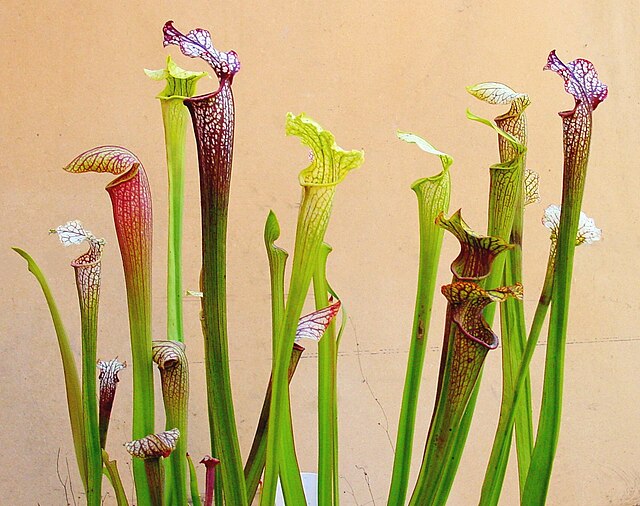
A temperate carnivorous plant native to North America, Sarracenia develops new trap leaves from its rhizome each spring and continues growing through fall. Most varieties reach heights of 30-80 cm, with the plant becoming more robust each year. As the rhizome thickens, more leaves develop at once, and watching the plant's presence grow is one of the pleasures of cultivation.
With sufficient light, beautiful reticulated patterns appear on the trap leaves with rich coloration. Offering an excellent balance of ease of cultivation and ornamental value, it's an ideal species for beginners.
Drosera (Sundews)
Drosera encompasses a wide variety of species with diverse growth rates. Capensis (Cape Sundew) is particularly fast-growing, reaching flowering size within about 6 months from seed. Conversely, large species like Binata reach heights of 30 cm or more, with considerable presence. The glistening, mucus-secreting tentacles have a unique beauty and are cultivated by growers from beginners to experts.
Carnivorous Plant Growth Rate & Size Quick Reference
| Species | Growth Rate | Final Size | Trap Size |
|---|---|---|---|
| Venus Flytrap | Slow (mature in 3-4 years) | Plant diameter ~12 cm | Traps 2-3 cm |
| Nepenthes (Pitcher Plant) | Attractive in 6-12 months | Vine several meters | Pitchers 5-30+ cm |
| Sarracenia | Improves yearly | Height 30-80 cm | Tubular leaves |
| Drosera | Varies by species (Capensis flowers in 6 months) | Up to 30+ cm | Tentacles (mucus) |
Tips for Growing Large and Beautiful Trap Leaves
The size and coloration of prey-capture organs reflect the overall health of the plant. By keeping the following points in mind, you can enjoy even more impressive trap leaves.
Light: Insufficient Light Is the Biggest Enemy
Most carnivorous plants prefer strong light. Insufficient light causes traps to remain small, colors to fade, and the entire plant to become weak. Direct outdoor sunlight is ideal, though Nepenthes prefers bright, dappled shade. For indoor cultivation, using grow lights improves growth significantly.
Humidity and Watering: Watch Out for Drying More Than Root Rot
Venus flytraps, Sarracenia, and Drosera require watering from below. Keep the saucer constantly filled with water to prevent roots from drying out. While Nepenthes doesn't suit bottom watering, maintaining humidity of 60% or higher is essential. Using terrariums or greenhouse enclosures makes management easier.
Soil: Fertilizer Is Strictly Forbidden
A 1:1 mix of peat moss and pumice (Kanuma soil) works well for most carnivorous plants. Commercial potting soils typically contain fertilizer, which damages carnivorous plant roots. Always use fertilizer-free soil.
Feeding: Let Nature Take Its Course
If placed outdoors, insects will naturally enter the traps. For indoor cultivation, feeding small insects (like fruit flies or freeze-dried bloodworms) once or twice a month may promote growth. However, overfeeding can be counterproductive. As a rule, insects should be roughly 1/3 the size of the trap.
Understanding Dormancy and Growth Cycles
To properly understand a carnivorous plant's growth pace, grasping the dormancy mechanism is essential.
Overwintering Temperate Species (Venus Flytrap and Sarracenia)
For temperate carnivorous plants, winter dormancy is a crucial process that determines next year's growth. With Venus flytraps, above-ground leaves wither and shrivel in winter, but the roots remain alive—this is normal. Exposing the plant to temperatures around 5-10°C during this period triggers vigorous spring growth and larger traps.
Keeping plants warm indoors during winter prevents proper dormancy, weakening them year after year. Overwinter them outdoors under an eave or in an unheated greenhouse where they experience natural cold.
Tropical Species (Nepenthes) Grow Year-Round
Nepenthes do not enter dormancy, so they continue growing year-round if minimum temperatures stay above 15°C. As temperatures drop, growth slows significantly, making winter warmth management critical.
Record Growth and Deepen Your Cultivation Skills
To truly appreciate your carnivorous plant's growth, take regular photos and keep records. For Sarracenia especially, comparing trap height from year to year reveals changes in plant vigor. For Venus flytraps, measuring maximum trap size lets you objectively evaluate your management techniques.
Keeping records before and after changes—like repotting, adjusting soil mixture, or moving the plant—provides valuable insights for developing your own cultivation style. Since individual variation is significant in carnivorous plants, recording helps you understand the unique "personality" of each plant you grow.
GrowerDirect's Safe and Secure System
GrowerDirect is a platform where you can buy directly from growers and producers of pets and plants, including carnivorous plants. Sellers are registered after review, and you can ask detailed questions about plant quality and growing conditions.
Having experienced producers directly answer specific questions like "Which variety suits my growing conditions?" or "What's easiest for beginners?" is a major advantage mass-market retailers can't offer. You'll find rare varieties and high-quality specimens, making it ideal for those looking to expand their carnivorous plant collection. Deepen your cultivation knowledge while searching for your perfect specimen.