Carnivorous Plant Buying Guide | How to Choose by Type and Precautions for Online Shopping
Key points when purchasing carnivorous plants. We explain how to choose different types such as Venus flytraps, Nepenthes, and Sarracenia, how to check condition when purchasing online, and the best timing for purchase by season.
Key Takeaways
Key points when purchasing carnivorous plants. We explain how to choose different types such as Venus flytraps, Nepenthes, and Sarracenia, how to check condition when purchasing online, and the best timing for purchase by season.
Related Species
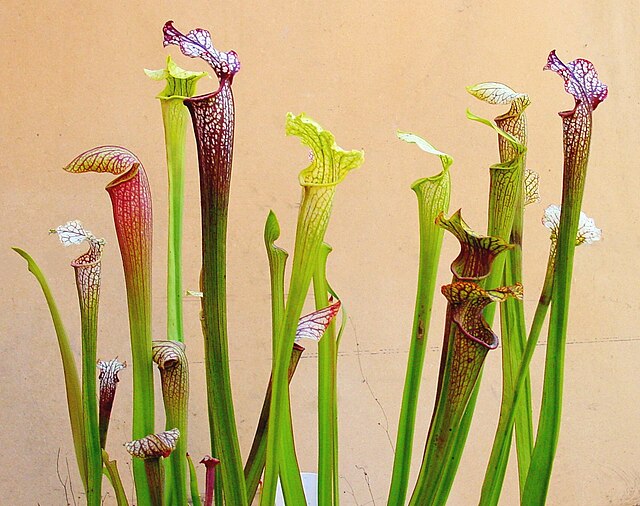
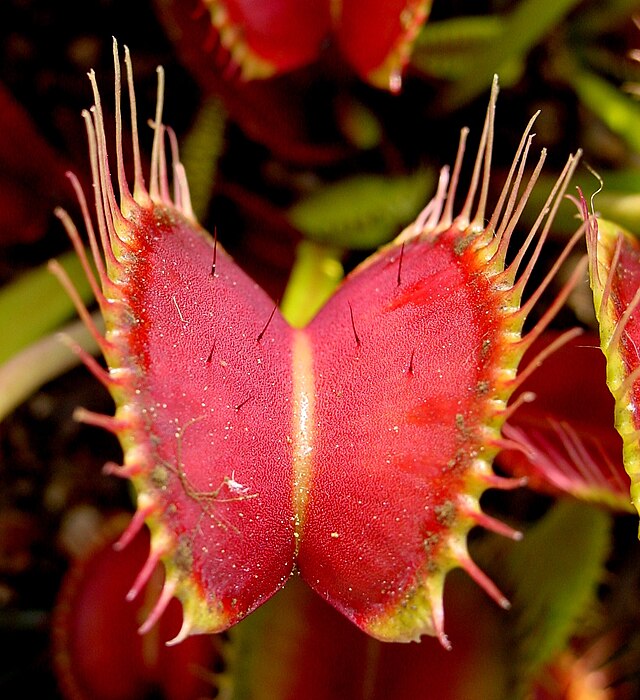
Carnivorous plants are fascinating for their unique appearance and insect-catching mechanisms, making them popular with both children and adults. However, since they require different management practices than ordinary plants, careful selection at the time of purchase is important. This article explains how to choose by type and precautions to take when purchasing online.
How to Choose Venus Flytraps
The Venus flytrap (Dionaea) is the most popular entry-level carnivorous plant.
Conditions for a healthy plant
- Has 5 or more trapping leaves arranged in a rosette formation
- The inside of the leaves has turned red (proof of good health and sufficient light)
- Trapping leaves are sold in an open state
- The base is firm and does not wobble
Plants to avoid
- Plants with mostly blackened, dead trapping leaves
- Plants with thin, elongated leaves (weakened from insufficient light)
- Plants that appear wilted overall
Tips for selecting varieties
- For beginners, the typical green normal type is recommended
- Red varieties (such as Red Dragon) require some care and technique
- Large varieties (B52, DCXL, etc.) are impressive but have limited availability
How to Choose Nepenthes
Nepenthes (tropical pitcher plants) are tropical carnivorous plants with beautiful pitcher-shaped traps.
Varieties recommended for beginners
- Alata: Extremely hardy and easy to grow even indoors
- Ventricosa: Has cute, plump pitchers and is relatively hardy
- Gracilis: Small and easy to manage
How to assess a healthy plant
- Has 2 or more pitchers attached
- Leaves are glossy with vibrant color
- New vines are extending at the tips (sign of active growth)
- Stems are firm with no excessive elongation
Important notes
- Nepenthes species are divided into "lowland" and "highland" types
- Lowland types prefer high temperature and humidity, and tolerate Japanese summers well
- Highland types prefer cool environments and are sensitive to summer heat
- For beginners, it is safest to choose lowland species
How to Choose Sarracenia
Sarracenia (pitcher plants) are native to North America and are cold-hardy carnivorous plants.
Varieties recommended for beginners
- Flava: Large and impressive in appearance. Hardy and easy to grow
- Purpurea: Spreads horizontally. Has a unique shape that holds water
- Leucophylla: Popular for its beautiful white markings
Key points for selecting a healthy plant
- Tubular leaves stand upright
- Leaf color is vibrant with distinct markings
- New shoots are emerging from the base
- Not too many dead leaves (dormancy in winter causes leaf drop, which is normal)
Points to Confirm When Purchasing Online
Carnivorous plants are delicate, and online purchases have their own special considerations.
What to verify in photos
- Confirm that you are viewing actual plant photos, not stock images
- Check whether the carnivorous organs (Venus flytrap leaves, Nepenthes pitchers) are healthy
- Verify that the overall plant looks fresh and turgid
- Check the condition of the potting substrate (sphagnum moss, etc.)
What to confirm with the seller
- What potting substrate is being used (sphagnum moss, Kanuma soil, peat moss, etc.)
- Growing environment (outdoors, greenhouse, or indoors)
- Packing method (carnivorous plants are particularly delicate)
- Post-arrival care advice
Packing precautions to look for
- Venus flytrap trapping leaves are protected so they won't close from stimulation during shipping
- Nepenthes pitchers have adequate space to avoid crushing
- Sphagnum moss moisture is maintained at an appropriate level during packing
Best Season for Purchase
Timing your purchase of carnivorous plants is important.
Recommended purchase periods
- Spring (April–May): The growing season begins, and plants recover quickly after arrival. Most highly recommended
- Early summer (June): Tropical species like Nepenthes become vigorous in warm temperatures
Periods to avoid
- Midsummer (July–August): High risk of overheating and moisture damage during shipping
- Winter (December–February): Cold-sensitive species risk frost damage. Plants in dormancy look poor
Exceptions
- Sarracenia and Venus flytraps are cold-hardy, so autumn purchases are also possible
- Stock discounted at garden centers in winter is often weakened, so exercise caution
Detailed Checklist When Purchasing
You can reduce purchase failures by carefully checking the following points when buying carnivorous plants.
For Venus flytraps
- A healthy individual has reddish-tinged trapping leaves that are open
- Check that the sensory hairs on the inside of trapping leaves are not bent
- Verify that the white base section (bulbous portion) at the root is well-swollen
- Confirm that there are not too many blackened, dead leaves (2–3 dead leaves are normal)
For Nepenthes (tropical pitcher plants)
- Check whether pitchers are plump and contain digestive fluid
- Verify whether new vines are extending from the leaf tips and forming new pitchers
- Confirm that stems are firm and do not wobble
- Check for pests such as scale insects
For Sarracenia (pitcher plants)
- Verify that tubular leaves are upright and vividly colored
- Check that the base is not rotting (feel with your fingers)
- Confirm that new shoots are visible
Precautions for Online Purchases
When buying carnivorous plants online, there can be concerns about the condition upon arrival. Please check the following points:
- Does the seller possess specialized knowledge about carnivorous plants?
- Is packing method described (especially winter temperature control measures)?
- Is post-arrival care advice provided?
- Is the variety name stated accurately?
- Check reviews and seller ratings
Purchasing from a trusted seller is the quickest route to obtaining healthy plants.
Common Failures and Solutions
Failure 1: Ordering online in midsummer or midwinter High temperatures and freezing during shipping cause the most significant damage to carnivorous plants. Nepenthes in particular deteriorate rapidly in cold. The best periods are spring and autumn; if unavoidable, confirm with the seller whether temperature control measures are in place.
Failure 2: Selecting based only on the appearance of trapping leaves Plants grown for display may have impressive pitchers or trapping leaves but weak roots. It is better to check whether the base of the plant is stable and whether new shoots are growing, as this predicts future growth more accurately.
Failure 3: Repotting immediately after arrival Adding stress to roots on a freshly shipped plant delays recovery. First, keep the plant in the same substrate using water-wicking for several weeks, and repot only after new trapping leaves have emerged.
Finding Carnivorous Plants on GrowerDirect
GrowerDirect features carnivorous plants carefully grown by specialists. Many listings include photos of actual plants with variety names and growing environment clearly noted, so you can purchase with confidence. If you are unsure about care, try using the messaging feature to consult with the grower about cultivation tips before purchase.