[Beginner's Guide] How to Grow Carnivorous Plants - An Introduction
A beginner's guide to growing carnivorous plants. We thoroughly explain the basics of soil, watering, and sunlight, the standing-water tray method (koshimizu), tips for overwintering, and recommended beginner-friendly species such as Venus flytraps and pitcher plants.
![[Beginner's Guide] How to Grow Carnivorous Plants - An Introduction](https://img.botachoku.com/column-images/carnivorous-beginner-guide/hero-1778970054115.jpg)
Key Takeaways
A beginner's guide to growing carnivorous plants. We thoroughly explain the basics of soil, watering, and sunlight, the standing-water tray method (koshimizu), tips for overwintering, and recommended beginner-friendly species such as Venus flytraps and pitcher plants.
Related Species
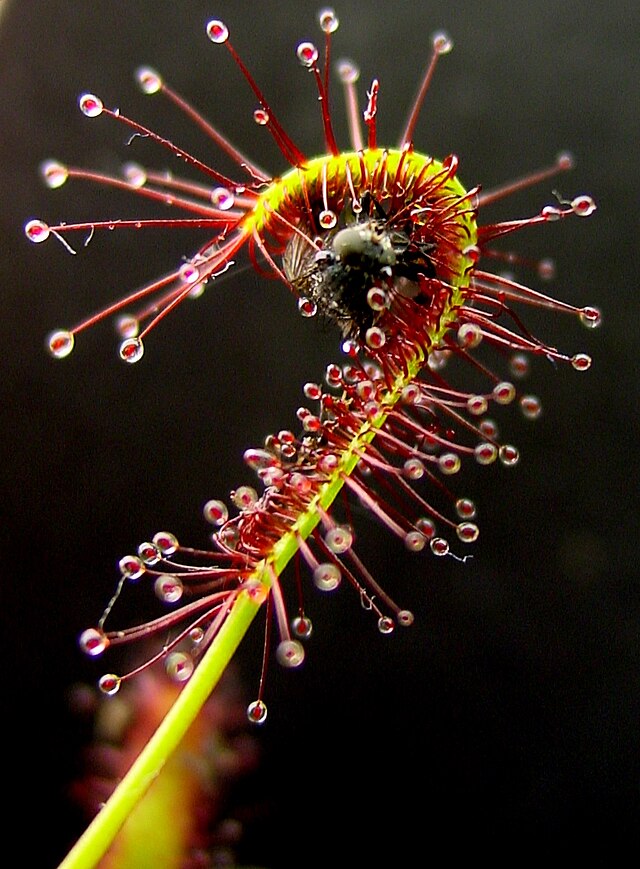
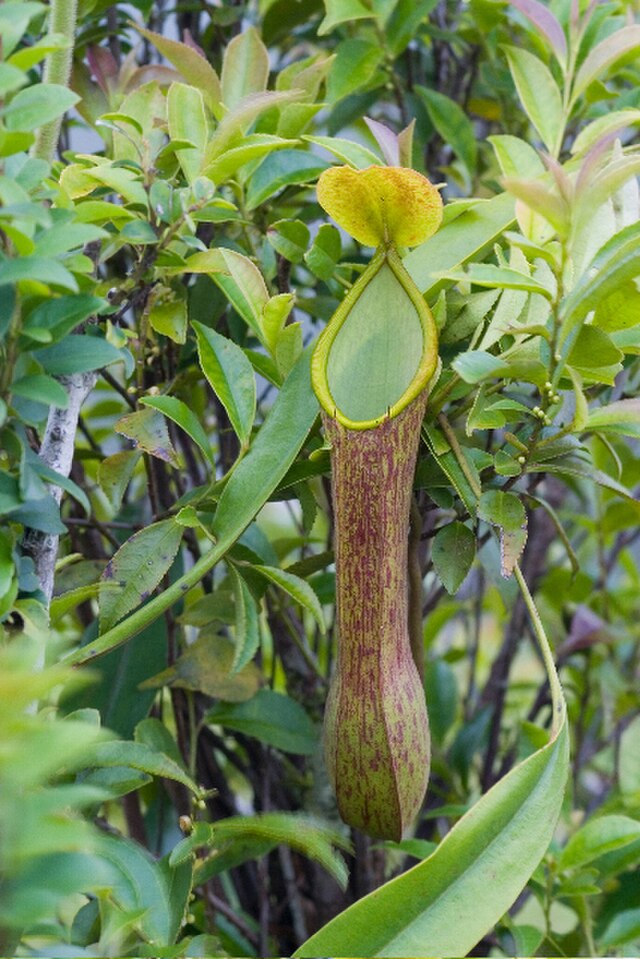
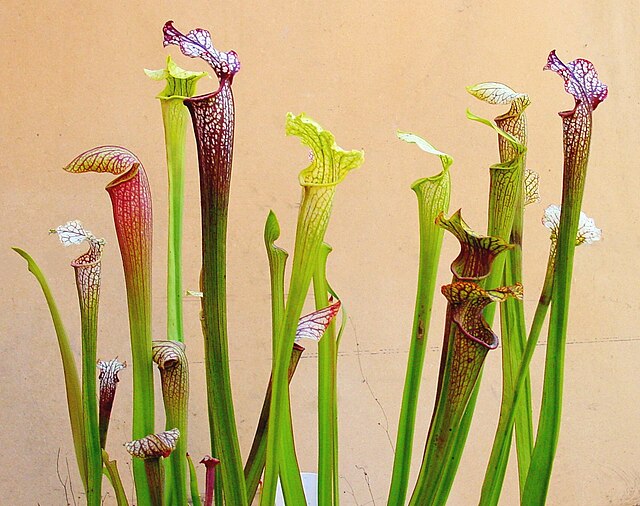
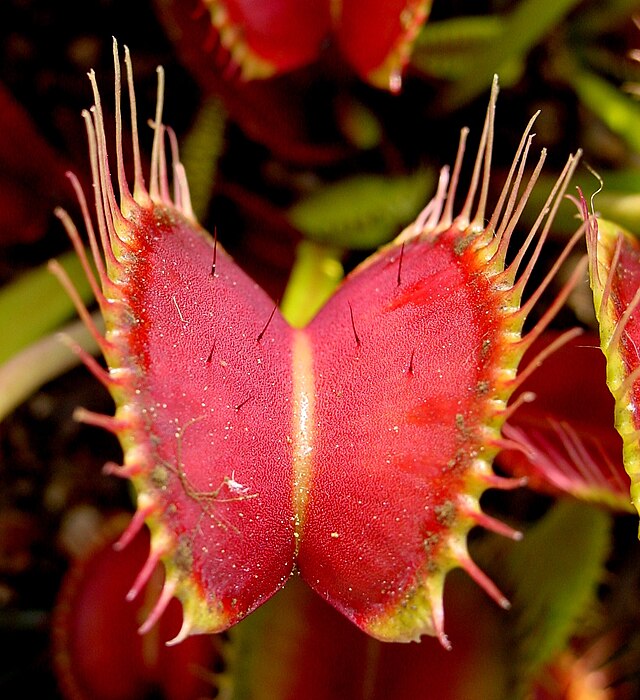
Carnivorous plants are remarkable organisms with a unique ecology—they capture insects to supplement their nutrient intake. The Venus flytrap's snapping trap, the pitcher plant's beautiful urn-shaped pitchers, the sundew's glistening adhesive droplets—these extraordinary forms continue to captivate people of all ages.
But why do they eat insects? Most carnivorous plants are native to nutrient-poor environments like swamps and wetlands. In such habitats, they cannot absorb sufficient nitrogen and phosphorus through their roots, so they evolved to capture insects and small animals to supplement these nutrients. This unique survival strategy is what makes carnivorous plants so fascinating.
While growing these plants requires attention to several key points, mastering the basics allows beginners to enjoy them fully. This guide carefully walks through soil selection, watering, light requirements, and overwintering strategies.
Choosing the Right Soil: Fertilizer-Free is Essential
The most common initial stumbling block in growing carnivorous plants is soil selection. Never use standard houseplant potting soil. Commercial potting mixes contain fertilizer components, which actually damage carnivorous plants that have adapted to low-nutrient environments.
Common Soil Types
- Sphagnum Moss: The most popular choice. It retains moisture well and suits many species. Always thoroughly rehydrate dried sphagnum moss before use.
- Peat Moss + Perlite: Mix acidic peat moss with perlite in a 1:1 ratio to improve drainage. Some growers also add volcanic soil (kanuma).
- Volcanic Soil Alone: Well-suited for pitcher plants and some Sarracenia species.
Whichever soil you choose, it must be fertilizer-free and acidic. Always check the ingredient label before purchasing.
Watering: Master the Humidity Tray Method
The most important watering concept for carnivorous plants is the "humidity tray method." This involves keeping water in a saucer so the pot bottom is constantly submerged, replicating the moist environment of their native habitats.
Humidity Tray Basics
- Refill the tray when water drops below the halfway mark.
- Change the water regularly (once or twice weekly) to prevent algae and bacterial growth.
- The pot should be submerged about 2-3cm from the bottom. Excessive submersion can cause root rot.
Water Quality
Tap water is generally fine, but in areas with high chlorine levels, consider these alternatives:
- Aged water (let sit overnight to allow chlorine to evaporate)
- Filtered water
- Rainwater (naturally weakly acidic and ideal)
Seasonal Considerations
In summer, high temperatures can raise water temperature in the tray, damaging roots. Either change water more frequently or move plants away from direct sunlight. In winter, reduce water levels slightly, keeping the soil surface from drying out. Plants in dormancy need less water overall.
Light and Placement: Light Develops Trap Organs
Most carnivorous plants love sunlight. Insufficient light causes trap organs to shrink and leaves to lose their vibrant color, diminishing the plant's appeal.
Light Requirements by Species
| Species | Recommended Environment |
|---|---|
| Venus Flytrap | Full sun outdoors is fine |
| Pitcher Plants | Outdoors, full sun recommended |
| Nepenthes | Bright shade to partial shade |
| Sundew | Bright window or outdoors |
For indoor cultivation, a south-facing window is ideal. However, light through glass is weaker than direct sun, so outdoor placement from spring through fall is preferable when possible.
Overwintering: Different Approaches for Temperate vs. Tropical Species
Carnivorous plants fall into two categories—temperate and tropical—with completely different overwintering needs. Always verify a species' characteristics before purchasing.
Temperate Species (Cold-Hardy Group)
This group includes Venus flytraps, pitcher plants, and some sundews. These plants naturally go dormant in winter and are cold-hardy.
- Can overwinter outdoors (in regions with hard freezes, move to shelter or an unheated greenhouse)
- Reduce watering in winter as they go dormant and stop growing
- Forcing them into warm indoor conditions can disrupt dormancy and harm next year's growth
Tropical Species (Cold-Sensitive Group)
This includes tropical pitcher plants, Cephalotus, and tropical sundews. They struggle when temperatures drop below 10-15°C.
- Keep them indoors in warm locations (minimum 15°C)
- Terrariums or simple greenhouses are highly effective
- Keep humidity at 60% or above using humidifiers or regular misting
4 Recommended Species for Beginners
If you're unsure which species to start with, choose based on ease of care and visual impact.
- Venus Flytrap (Dionaea muscipula) The iconic carnivorous plant. The snapping motion of its traps never gets old. Hardy and easy to manage, it's the best species for beginners. It grows vigorously with just sunlight and outdoor placement.
- Pitcher Plants These have distinctive tall, tubular leaves and are highly collectible. They can overwinter outdoors without fuss, and they're low-maintenance. The bonus is beautiful spring flowers.
- Cape Sundew (Drosera capensis) The glistening droplets covering the leaf surface sparkle beautifully in light. They're highly reproductive and easy to grow from seed, making them beginner-friendly.
- Nepenthes alata Among tropical pitcher plants, this species is relatively cold-hardy and easier to grow. Watching liquid accumulate in the urn-shaped pitchers is endlessly fascinating.
GrowerDirect's Safe and Secure System
When sourcing carnivorous plants, home improvement stores often have unclear species names or unhealthy stock. GrowerDirect offers a direct purchasing system from specialized growers.
- Direct Access to Healthy Plants: Purchase well-maintained specimens cultivated by experts in proper conditions.
- Accurate Species Information: Confirm exact scientific names and cultivar details before purchase—no surprises of wrong species upon arrival.
- Access to Rare Species: Rare varieties difficult to find in general retail become available through grower networks.
- Direct Cultivation Support: Ask growers directly about care after purchase—a huge reassurance, especially for beginners with questions.
Once you get into carnivorous plants, the hobby becomes deeply rewarding, and you'll enjoy building your collection. Find your perfect specimen on GrowerDirect today.