A Guide to Giving Carnivorous Plants as Gifts | How to Choose Unique Presents and Tips for Long-Term Enjoyment
A guide to selecting carnivorous plants as gifts. Covers how to choose varieties based on the recipient's type, and important care tips to communicate before gifting, such as water quality and dormancy periods.
Key Takeaways
A guide to selecting carnivorous plants as gifts. Covers how to choose varieties based on the recipient's type, and important care tips to communicate before gifting, such as water quality and dormancy periods.
Related Species
Why Carnivorous Plants Become "Special Gifts"
Foliage plants and succulents have become established as standard gift choices, but carnivorous plants stand out as gifts that are "in a class of their own." The primary reason is that they combine both visual uniqueness and fascinating ecology.
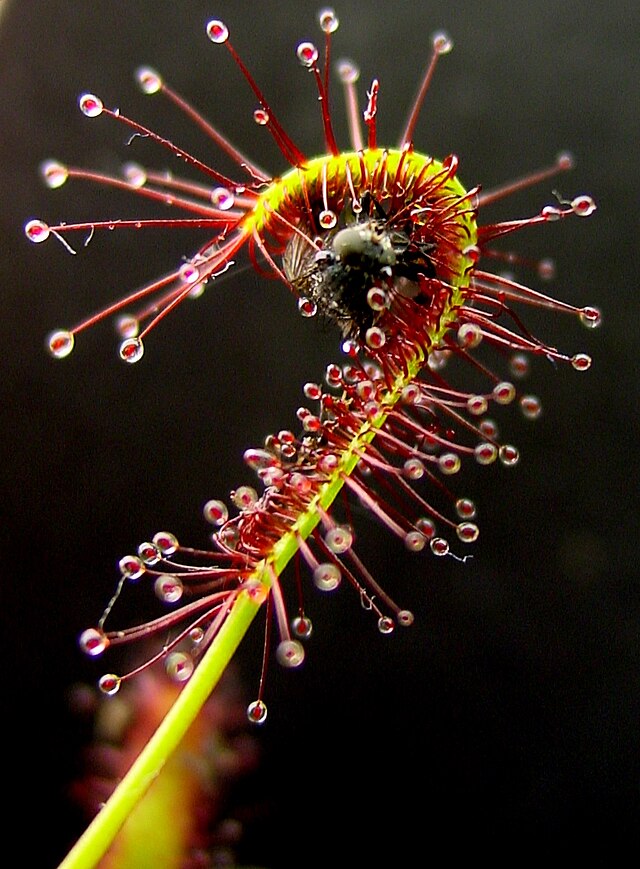
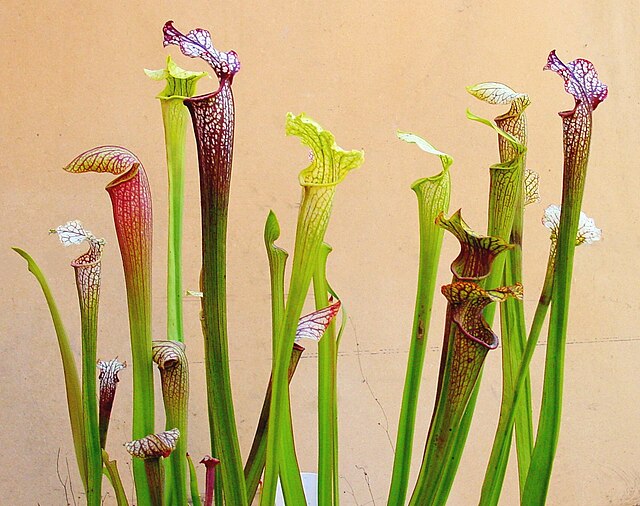
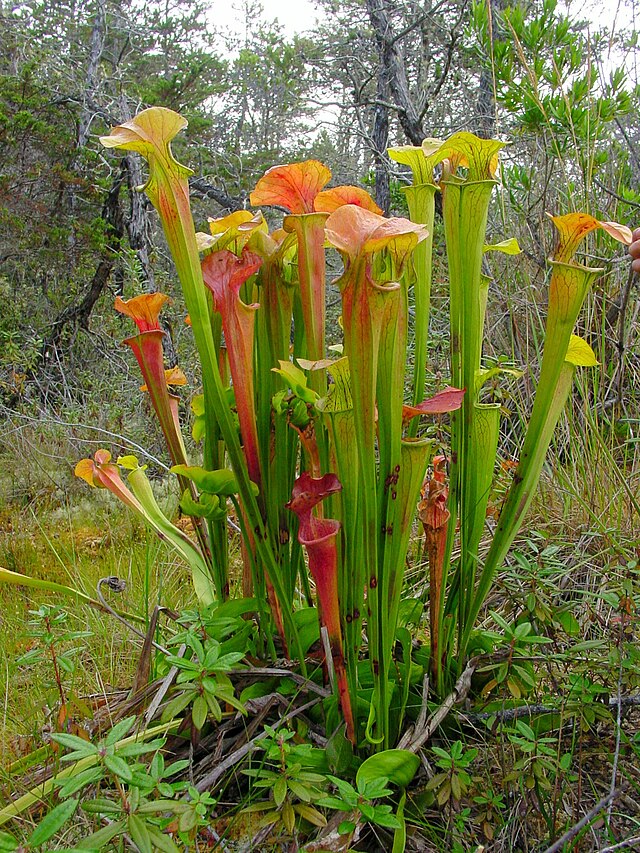
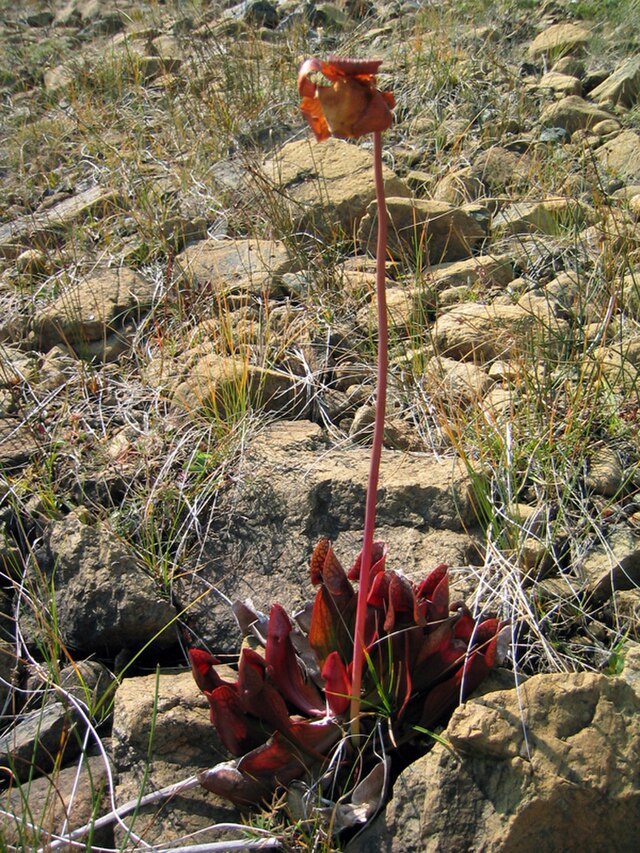
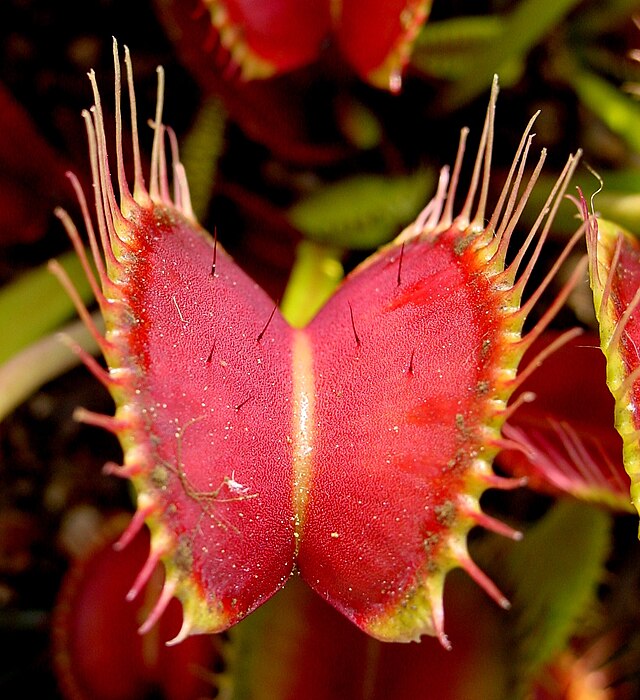
The Venus flytrap (Dionaea muscipula) instantly closes its leaves when touched, trapping insects between them. Sundews (genus Drosera) secrete sticky fluid from glandular hairs on their leaves, and when light hits them, they glisten beautifully; when insects touch the hairs, the filaments move to capture them. Pitcher plants (genus Sarracenia) have tubular leaves that open funnel-like, with an internal structure from which insects drawn inside cannot escape. Each variety sparks the amazement of "a plant does this kind of movement?" and leaves a lasting impression on anyone who sees them.
For recipients who have exhausted conventional flower gifts and foliage plants, or for those seeking something unique, carnivorous plants offer both topic appeal and rarity. Because the process of growing them brings continuous small discoveries—"a new leaf emerged," "it caught an insect"—gifts like these tend to spark ongoing conversation even after they've been given. That's part of their appeal.
Choose by Recipient Type | Variety Selection Guide
When giving carnivorous plants, selecting the right variety based on the recipient's type is key to maximizing satisfaction with the gift.
For plant beginners or when prioritizing ease of care
- Drosera capensis (Cape Sundew): Hardy with high propagation capacity, it grows well in bright indoor spaces. The glistening appearance of the sticky fluid on the glandular hairs has high ornamental value, and it's one of the most frequently chosen beginner varieties.
- Sarracenia purpurea: Relatively tolerant of low temperatures and easy to manage. The rounded shape of the trap leaves is unique and blends well with interior décor.
For those who enjoy observing ecology
- Venus flytrap (Dionaea muscipula): The most well-known moving plant, allowing you to directly observe the leaves closing. The experience of witnessing a plant move becomes the value of the gift itself.
For those who prioritize interior design or care about aesthetics
- Sarracenia oreophila: The upright, slender trap leaves that grow in clusters have strong visual presence as interior greenery.
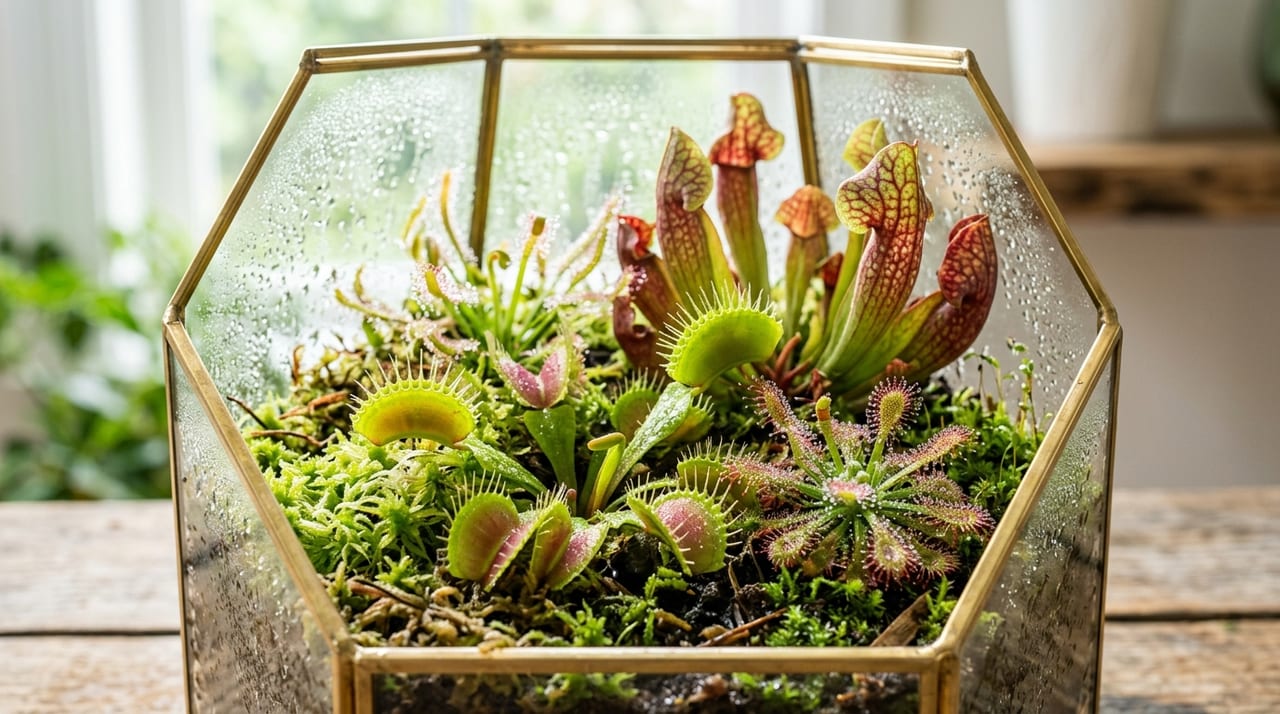
- Terrarium arrangement: Combining multiple carnivorous plants in a glass terrarium container not only makes humidity management easier but also creates a high-quality display. This format is easier to give to recipients with little plant-growing experience.
Care Tips to Know Before Gifting
Carnivorous plants have unique care requirements. By understanding the basics as the gift-giver, you can prevent common mistakes the recipient might make.
The most common misconception is that "you must intentionally feed insects." Most carnivorous plants naturally capture small insects from the air indoors and grow without needing prepared insects. It's not uncommon for recipients unfamiliar with this to damage the plant by feeding large insects, so it's important to explain this upfront.
Next is water quality. Most carnivorous plants dislike the mineral content (calcium, magnesium, etc.) found in tap water. Using rainwater or distilled water (commercially available mineral-free water) is essential; continuous tap water will damage the roots. Simply communicating "use distilled water only" can drastically reduce the risk of failure.
As for placement, most varieties prefer bright sunlight, but intense direct summer sun can cause leaf scorch. A bright windowsill indoors (south-facing or east-facing) is generally suitable, and adjustments like filtering light through lace curtains during the height of summer are effective. Since variety names allow recipients to research care themselves, we recommend attaching a memo card with the variety name written on it.
Enjoy Long-Term by Understanding Seasons and Dormancy
Many carnivorous plants enter dormancy from autumn through winter. Pitcher plants and Venus flytraps may have leaves that appear to die back in winter, and without knowledge, recipients may mistakenly discard them thinking they're dead.
Even if the above-ground portion dies back during dormancy, the roots remain firmly alive. By experiencing a period of low temperatures, they produce vigorous new growth the following spring, so dormancy is rather a necessary process. It's one of the most important points for long-term enjoyment to explain that even if leaves turn brown, they should be kept until spring rather than discarded immediately.
On the other hand, Drosera capensis is evergreen and doesn't enter dormancy, making it easier to handle for first-time recipients and allowing them to enjoy changes throughout the year. Choosing varieties based on the timing of gifting is another helpful perspective for your selection.
A Note to Reassure Upon Arrival
Carnivorous plants are somewhat delicate in response to transportation and environmental changes. Immediately upon arrival, leaves may appear dull or some trap leaves may be damaged, but this is usually caused by transportation stress. It's not uncommon for recovery to take several weeks as the plant acclimates to its new environment, but with proper placement and continued care, it will gradually return to its natural state.
Simply adding a note mentioning this when gifting can alleviate any anxiety upon receipt. Attaching a memo card with the variety name and basic care information makes it easier for the recipient to research care methods and maintain the relationship with the plant long-term.
From their unique ecology, once people become interested in carnivorous plants, many grow into longtime enthusiasts who cultivate them. By carefully combining the chosen variety with a brief follow-up note, the gift has potential to become an entrance to a new hobby for the recipient. Selection tailored to the recipient's curiosity and living environment should bring out the unique enjoyment that carnivorous plants offer as gifts.