Outdoor Cultivation and Natural Insect-Capture Guide for Carnivorous Plants | Creating an Environment for Insects and Seasonal Management
Explains how to cultivate carnivorous plants outdoors and enjoy natural insect capture. From environmental setup to seasonal management, introducing strategies for outdoor cultivation.
Key Takeaways
Explains how to cultivate carnivorous plants outdoors and enjoy natural insect capture. From environmental setup to seasonal management, introducing strategies for outdoor cultivation.
Related Species
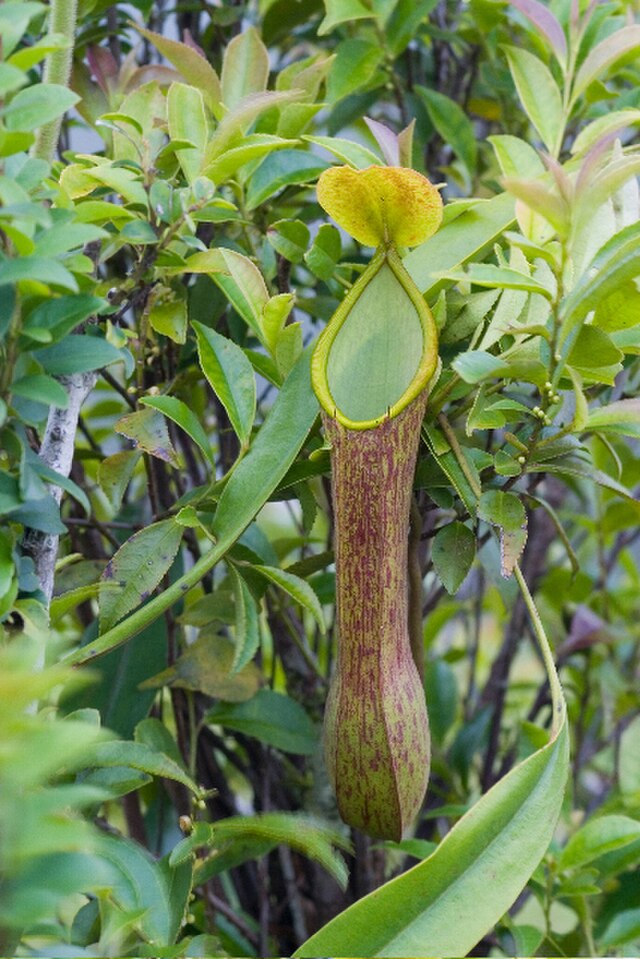
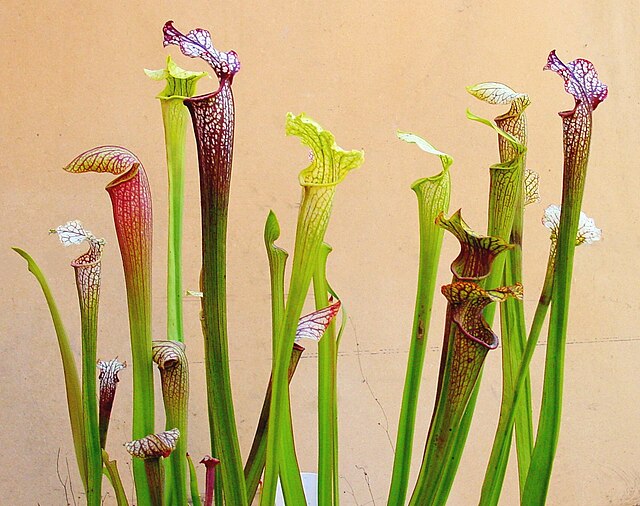
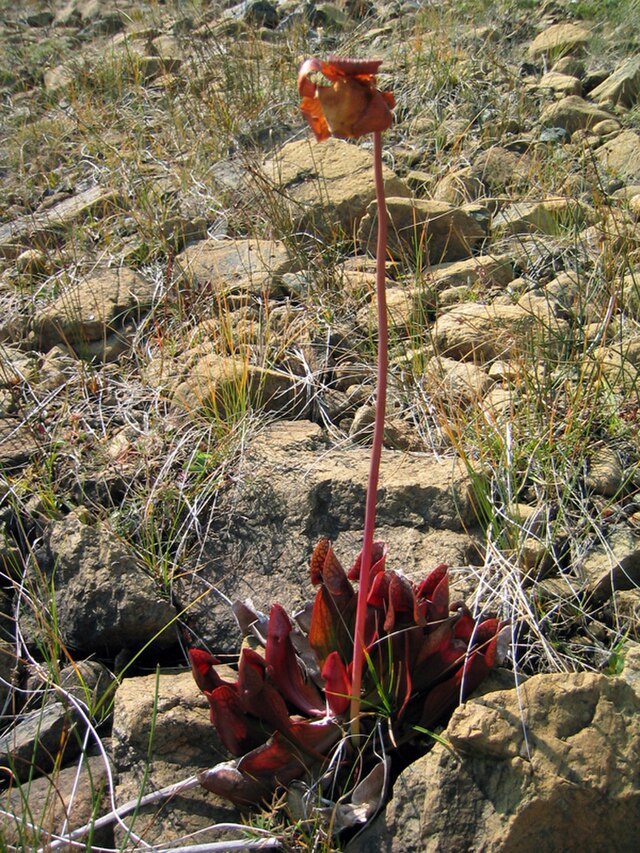
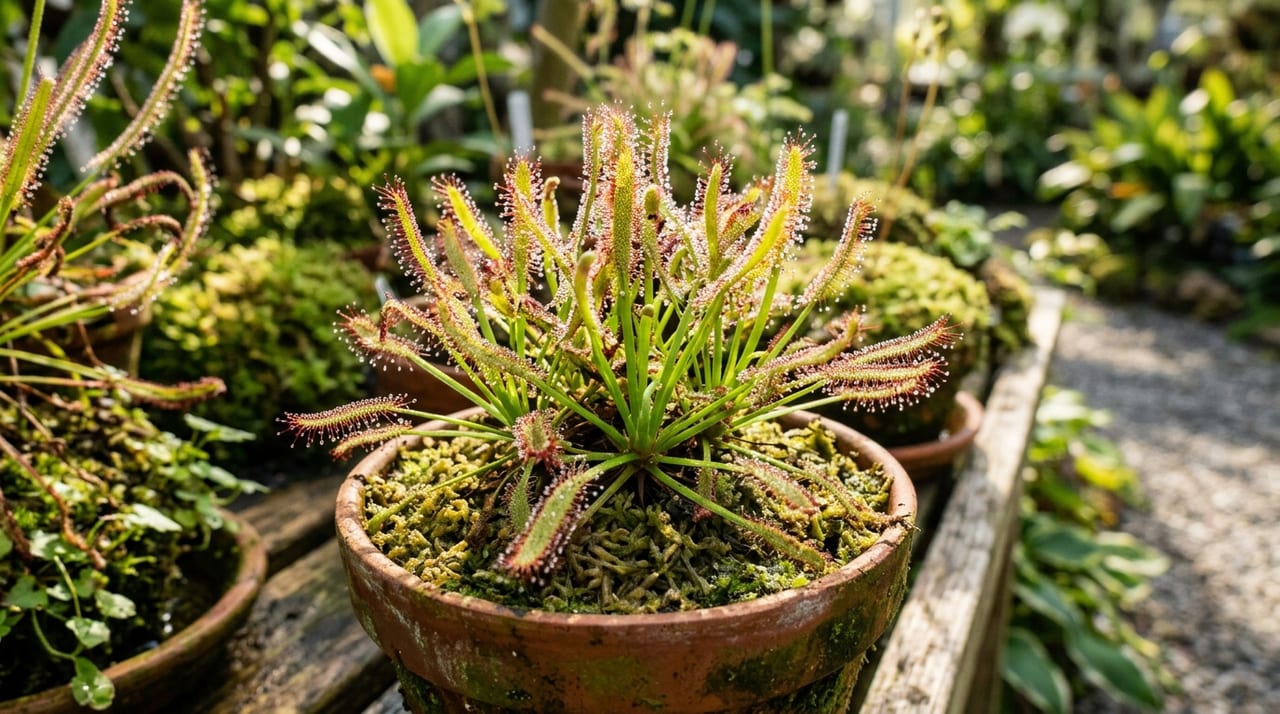
Carnivorous plants are generally assumed to be cultivated in vinyl greenhouses or indoors. However, outdoor cultivation is actually the most efficient growing method—it promotes the natural development of carnivorous plants and allows them to capture insects automatically. By cultivating carnivorous plants outdoors, species like sundews and Sarracenia grow in their natural form, enabling you to enjoy capture activity as if in the wild. This guide explains in detail the environmental setup for outdoor cultivation, seasonal management, and techniques to maximize natural insect capture.
Benefits of Outdoor Cultivation: The Joy of Natural Insect Capture
The greatest benefit of outdoor cultivation is that carnivorous plants capture insects from nature. In indoor cultivation, the grower must regularly feed insects to the plants. Outdoor cultivation offers the following advantages:
- Natural insect capture: Flies, mosquitoes, ants, moths, and various other insects naturally approach and are captured by the carnivorous plants
- Promotion of natural growth: With sufficient sunlight, leaf color becomes vivid and trap leaves increase in size
- Enhanced physiological activity: Natural temperature and humidity fluctuations activate the physiological processes of carnivorous plants, accelerating new leaf development
Selecting the Right Location for Outdoor Cultivation
Location selection is crucial for successful outdoor cultivation. Carnivorous plants have different requirements depending on species.
| Carnivorous Plant Type | Required Light Conditions |
|---|---|
| Sundews, Bladderwort, etc. (wetland species) | At least half a day of direct sunlight in the afternoon (south-facing gardens or balconies are ideal) |
| Sarracenia, Nepenthes, etc. | Minimum of 3–4 hours of direct sunlight |
An important factor is air circulation. For outdoor cultivation, adequate air flow is necessary to allow flies and mosquitoes to approach the plants easily. However, strong winds should be avoided as they damage leaves and can cause plants to topple over. Areas such as the east or northeast side of a building—where there is sufficient morning sunlight but afternoon winds are blocked—offer a well-balanced choice. Furthermore, managing rainwater is critical. In outdoor cultivation, rain falls directly on the carnivorous plants. While most carnivorous plants prefer rainwater (or distilled water), it is important to prevent pots from being submerged during heavy downpours.
Ideal Growing Medium and Pots for Outdoor Cultivation
The growing medium used in outdoor cultivation differs from that used indoors. Outdoors, the soil must have adequate water retention to prevent being washed away by wind and rain. However, if drainage is poor, rot will advance, so balance is key. The recommended soil mix is as follows:
- Sphagnum moss: 60%
- Peat moss: 30%
- Perlite: 10%
This ratio maintains sufficient water retention while minimizing the risk of root rot. In outdoor cultivation, to prevent the soil from becoming muddy with rain, it is recommended to replace the top 5 cm of soil with fresh material each autumn. Pot selection is also important. For outdoor cultivation, terracotta pots are recommended over plastic pots. Terracotta pots have high breathability and prevent soil from becoming overly wet. Additionally, they are resistant to wind and less prone to tipping over.
Strategies to Attract Insects: Using Color and Scent
In outdoor cultivation, carnivorous plants automatically capture insects, but there are ways to accelerate the rate at which insects gather.
- Color: Placing yellow objects or traps near the carnivorous plants makes it easier to attract flies and robber flies
- Scent: The smell of rotting fruit or fish particularly attracts flies. Placing a very small amount of rotting fruit (such as banana peels) at the base of the carnivorous plant makes it easier for insects to gather. However, if the scent is too strong, it may cause problems for neighbors, so caution is necessary
Additionally, carnivorous plants themselves attract insects with the sweet fragrance of their nectar when they bloom.
Seasonal Outdoor Cultivation Management
Spring (March–May)
Spring is the season of most active growth for carnivorous plants. This is the ideal time to begin outdoor cultivation. On the first day after moving a plant outdoors, do not expose it to direct sunlight immediately; instead, allow 3 to 4 days of acclimatization in partial shade. After that, gradually move it toward direct sunlight. Since soil dries quickly during this season, check the dryness daily, and water when the surface is dry.
Summer (June–August)
Summer is the season requiring the most care in outdoor cultivation. Excessively strong direct sunlight can scorch leaves, turning them brown. Particularly from July through August after the rainy season ends, UV radiation is intense, so installing 30–50% shade cloth is recommended. Soil dries very rapidly, and watering may be necessary twice daily—morning and evening. However, during heavy rain, adjust the position of pots to prevent them from becoming submerged.
Autumn (September–November)
Autumn is the second growth period for carnivorous plants. As temperatures drop, carnivorous plants develop deeper color and display beautiful autumn foliage. Soil drying is less severe than in summer, so watering every 3 to 4 days is a good guideline. As autumn transitions into winter, it is necessary to separate cold-hardy carnivorous plants (sundews, Sarracenia purpurea) from tender species (Nepenthes alata, etc.).
Winter (December–February)
Cold-hardy carnivorous plants overwinter outdoors. In regions where temperatures drop below freezing, it is recommended to protect the entire plant with fallen leaves or straw. However, be careful not to block air circulation completely. During winter, outdoor hardy species exhibit minimal growth. Reduce watering frequency to approximately once or twice weekly.
Disease and Pest Management in Outdoor Cultivation
Outdoor cultivation carries higher risk of disease and pests compared to indoor cultivation. Paradoxically, while insects are the target of capture by carnivorous plants, there are also pests that feed on the carnivorous plants themselves.
| Type | Common Examples | Management |
|---|---|---|
| Disease | Gray mold (the most common disease, occurring easily in high humidity and poor air circulation environments; requires special attention during the rainy season) | Remove affected areas and improve air circulation |
| Pests | Slugs and snails (may feed on carnivorous plant leaves) | Remove by hand or use beer traps for management |
Seasonal Movement from Outdoor to Indoor Cultivation
In outdoor cultivation, tender species must be moved indoors during winter. To avoid stressing the plant during this transition, the following procedure is important:
- Beginning two weeks before moving, gradually reduce light and lower temperature (moving suddenly into a warm indoor environment can shock the plant, causing leaf drop)
- After moving, use LED grow lights indoors to provide light comparable to outdoor levels
The joy of insect capture outdoors cannot be expected indoors, but the goal is to maintain the health of the plant until spring arrives.