Complete Guide to Growing Venus Flytraps | Post-Purchase Care and Tips for Thriving Growth
The Venus flytrap is a popular carnivorous plant that captures insects with its traps. This guide covers everything from required light, water, and soil to dormancy management, and explains why traps fail to close.
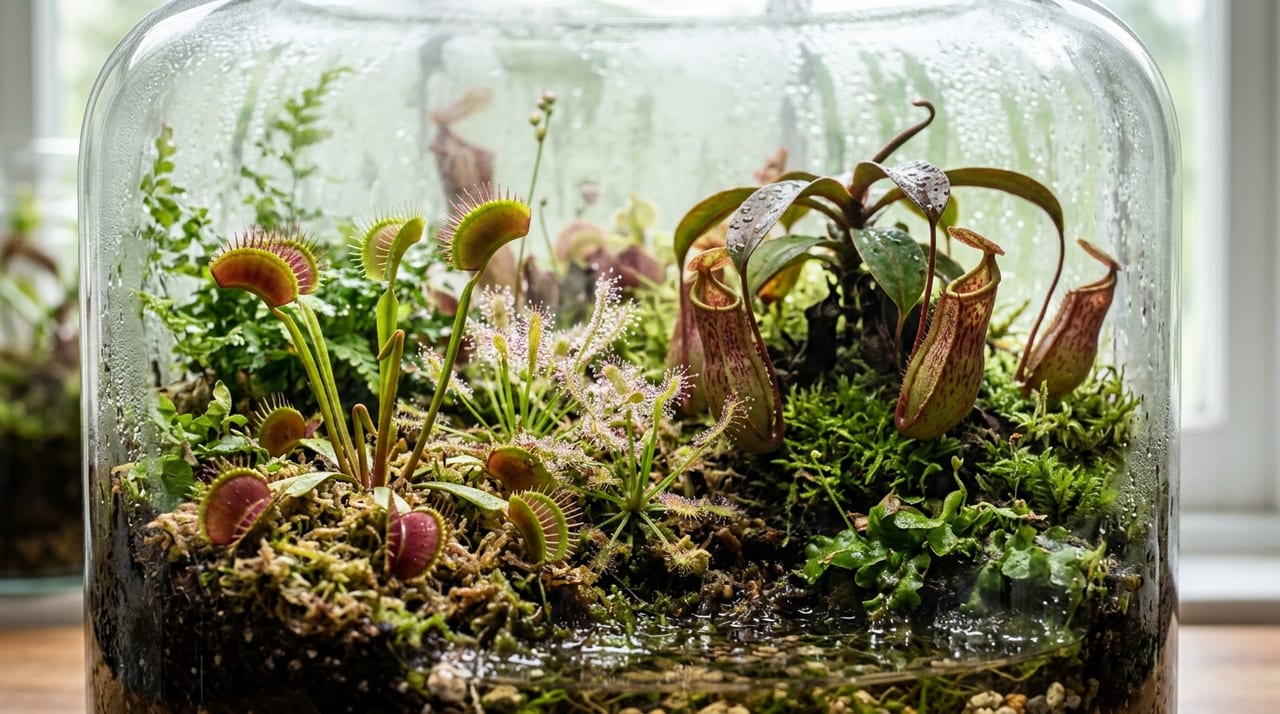
Key Takeaways
The Venus flytrap is a popular carnivorous plant that captures insects with its traps. This guide covers everything from required light, water, and soil to dormancy management, and explains why traps fail to close.
Related Species
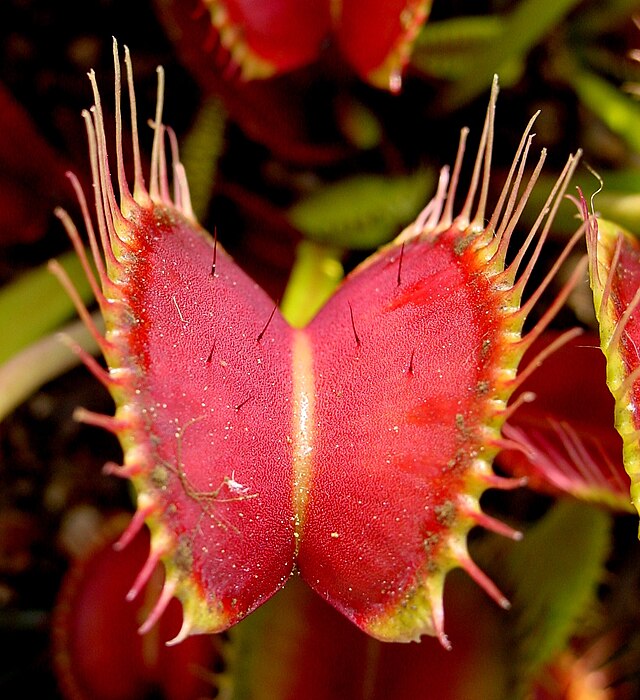
Basic Information and Characteristics of Venus Flytraps
The Venus flytrap (Dionaea muscipula) is the most well-known carnivorous plant species, native only to the wetlands of North and South Carolina on the U.S. East Coast. With proper care, these plants can live over 20 years—they are anything but disposable.
Their defining feature is an intricate predatory mechanism: the leaf closes when the trigger hairs (sensory bristles) inside the trap are touched twice or more. A single touch doesn't trigger closure, likely as a safeguard against false alarms from raindrops and similar stimuli. Each trap can only open and close 3–7 times in its entire lifetime, so unnecessary fingering or repeated playful stimulation will drastically shorten the trap's lifespan.
Trap size varies by cultivar—wild-type plants typically measure 2–3 cm. Collector varieties showcase distinctive features: Venus Flytrap 'B52' (oversized traps), Venus Flytrap 'Red Dragon' (deeply red foliage), and Venus Flytrap 'Dentate' (fine, tooth-like spines). While most garden-center specimens are close to wild type, online vendors now make collector cultivars increasingly accessible.
Creating the Right Environment for Success
Venus flytraps are considered "difficult" mainly because their native habitat has extremely specialized conditions. They require the opposite of typical garden plants: intense sunlight, nutrient-poor acidic soil, and clean soft water.
Securing Adequate Light is Top Priority
Venus flytraps need at least 4–6 hours of direct outdoor sunlight daily; ideally, they should be in full sun all day. Insufficient light causes traps to shrink and weaken, and leaves become thin and elongated (a sign of light stress). Indoors, even a south-facing window is often inadequate. Supplemental grow lights (around 200–400 μmol/m²/s PPFD) are highly effective, especially for long periods indoors during the rainy season and summer months.
Use Only Pure Water
Tap water contains calcium, magnesium, sodium, and chlorine that accumulate in roots and gradually kill the plant. Use only:
- Distilled water (safest and most readily available)
- Rainwater (collected cleanly)
- RO (reverse osmosis) water
- Purified water (from pharmacies or water dispensers)
The standard watering method is the semi-hydroponic (water-tray) technique: place the pot in a tray maintaining 2–5 cm of water depth, keeping the roots constantly moist. Drying out is dangerous, but excessive water (submerging more than 1/3 of the pot) causes root rot.
Soil Must Be Completely Nutrient-Free
Use only soil with zero added nutrients. Standard options are peat moss and perlite mixed 1:1, or long-fiber sphagnum moss alone (New Zealand varieties are highest quality). Never use potting soil for houseplants, leaf mold, or soil containing organic fertilizer. Nutrient content will burn roots and kill the plant.
Seasonal Management Tips
Spring (March–May): Growth Resumption Phase
This is when they awaken from dormancy. Gradually acclimate them to direct sunlight, and increase the water level in the tray. New leaves unfurl and traps become larger and more robust. If repotting is needed, spring is ideal—disturb the existing soil as little as possible to avoid damaging roots.
Summer (June–August): Peak Growth Period
This is when they grow most actively. Be vigilant about drought and maintain the water tray consistently. On days exceeding 35°C, move them to partial shade in the afternoon to prevent overheating. In hot, humid conditions, botrytis (gray mold) easily develops, so good air circulation is essential.
Autumn (September–November): Pre-Dormancy Preparation
As temperatures drop below 15°C, Venus flytraps naturally slow their growth. Reduce watering frequency slightly and prepare for winter. Even if leaves turn black one after another, there's no problem if the bulbous root system survives.
Winter (December–February): Dormancy Period
Venus flytraps are temperate plants, and winter dormancy is physiologically essential. Providing 3–4 months of low-temperature conditions (3–10°C) ensures vigorous growth the following year.
Dormancy location options:
- Outdoors in a frost-free spot (eaves, etc.)
- A refrigerator vegetable drawer (in a ziplock bag with sphagnum moss)
- Unheated greenhouse or entryway
Even during dormancy, avoid drying out. Either maintain the water tray or, if using sphagnum, mist weekly to keep it moist.
Feeding Insects and Precautions
Venus flytraps can survive on photosynthesis alone, so they won't die if you never feed them insects. However, appropriate feeding improves growth rate and overall plant vigor.
Suitable Foods
Live small insects are ideal: crickets (large size and smaller), small flies, ants, and small crane flies work well. Dead insects can be used, but since digestion requires stimulation, gently massage the closed trap from outside with your finger to activate the digestive process.
Foods to Avoid
Processed foods like meat, cheese, and sausage cause rotting and bacterial growth. Additionally, insects larger than 1/3 of the trap opening (typically 1–2 cm) cannot be fully digested and will cause trap decay.
Feeding Frequency
During the growing season (April–September), feed once or twice monthly. Vigorous plants can handle more frequent feeding, but avoid feeding the same trap repeatedly; distribute feedings among different traps.
Common Problems and Solutions
Traps Won't Close
The main causes are insufficient light, plant decline, or dormancy onset. If the entire plant's leaves aren't blackened, first try increasing light intensity. During dormancy (fall/winter), normal responsiveness naturally dulls, so seasonal consideration is important.
Traps Turn Black and Rot
Possible causes: feeding insects too large to digest, rainwater accumulating and decaying, or soft rot disease. Cut off blackened traps at the base early to minimize impact on healthy parts.
Leaves Become Elongated and Leggy
This is a sign of insufficient light. Move to a brighter location or add a grow light. Once-elongated leaves won't recover, but new growth after improving conditions will be normal.
White Powder or Spots Appear
Possible powdery mildew or scale insects. Improve air circulation and treat with fungicide (confirm it's safe for carnivorous plants). Scale insects can also be effectively removed by physically brushing with a toothbrush.
Summary: Three Principles for Long-Term Growth
To grow Venus flytraps for 10, 20, or more years, focus on these three key principles:
- Use only pure water for consistent water-tray management — tap water is the most common cause of death
- Ensure strong direct sunlight every day — insufficient light weakens the plant and is the root cause of all problems
- Provide 3–4 months of cold dormancy in winter — year-round indoor management without dormancy exhausts the plant
Observing these basics makes Venus flytraps hardy plants suitable for long-term care even by beginners. Once you move on to propagation (leaf cuttings and division), a whole world of carnivorous plant varieties opens up, from wild type to cultivars like Venus Flytrap 'King Henry.'