Complete Guide to Growing Heliamphora | A Highland Carnivorous Plant with Beautiful Tubular Pitcher Leaves
How to grow Heliamphora, which prefers cool, humid environments. We've summarized cultivation tips covering temperature and humidity management, watering, and propagation by division.
Key Takeaways
How to grow Heliamphora, which prefers cool, humid environments. We've summarized cultivation tips covering temperature and humidity management, watering, and propagation by division.
Related Species
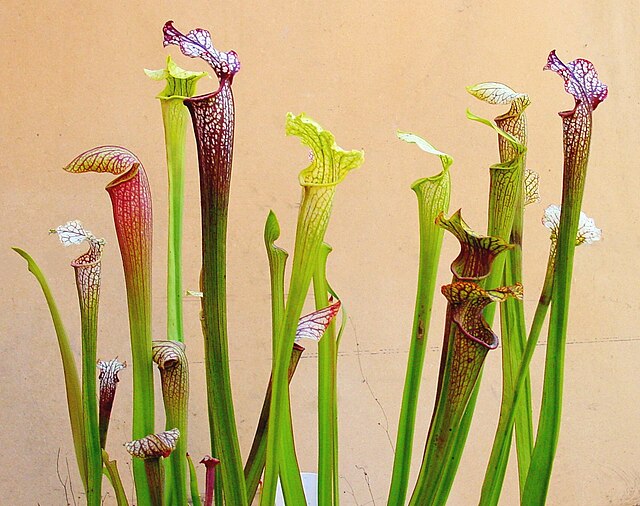
What Kind of Carnivorous Plant is Heliamphora?
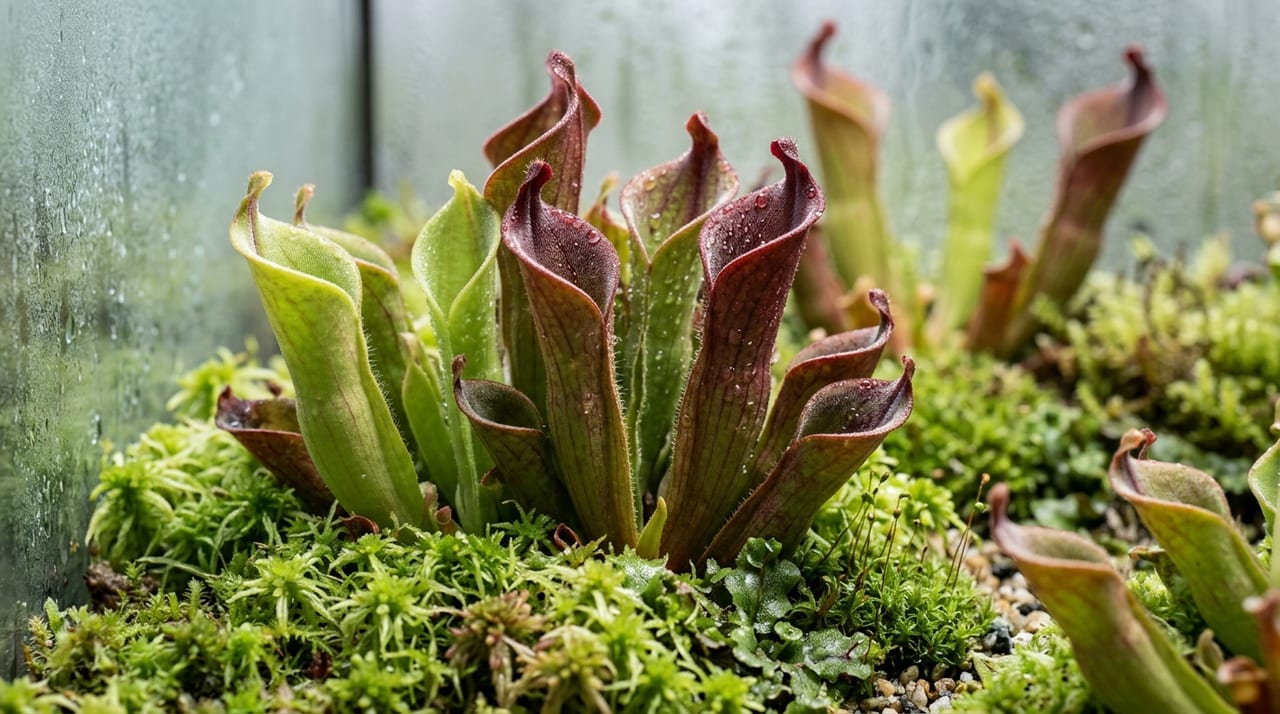
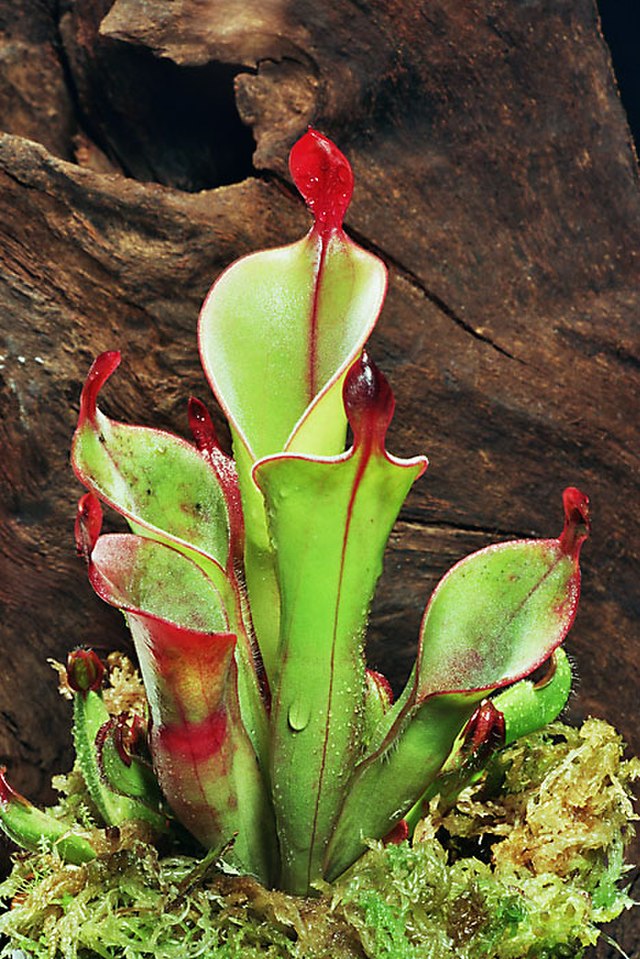
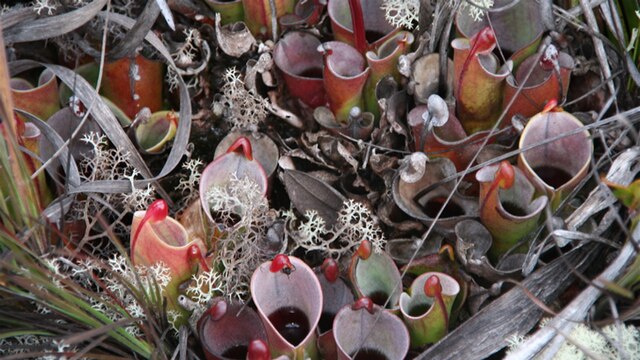
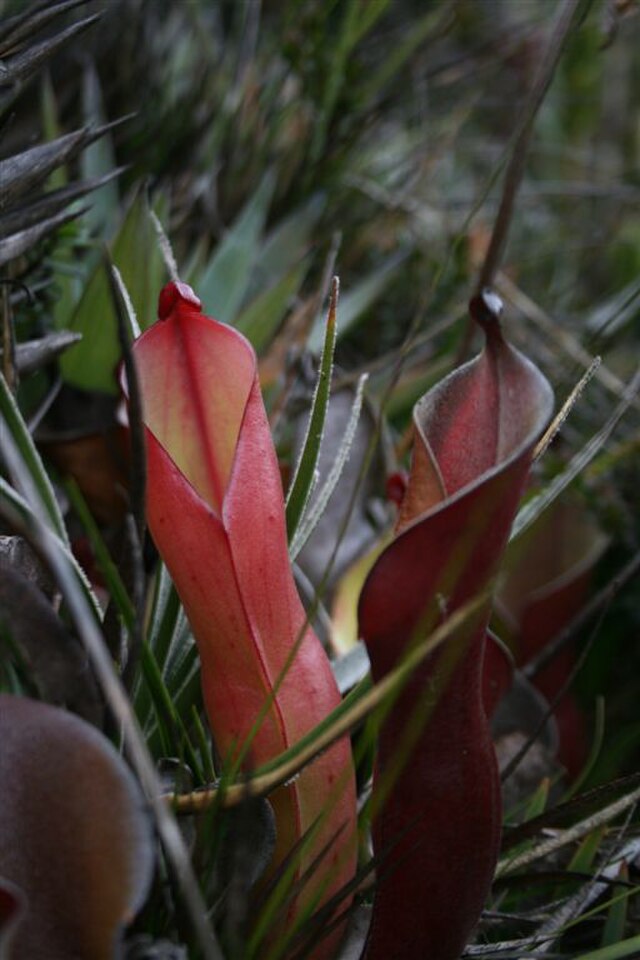
Heliamphora (Heliamphora) is a carnivorous plant with tubular pitcher leaves, and its English name is "Sun pitcher." In Chinese-speaking regions, it is called "Sun Bottle Plant." It belongs to the same Sarraceniaceae family as Sarracenia (pitcher plants), but is a distinct genus. The genus name derives from the Greek words for "wetland" (helos) and "jar" (amphora), and does not mean "sun." It is a group native to the highlands of South America, and its preference for cool, humid environments is a major distinction from other carnivorous plants that tolerate relatively high temperatures. Different species have variations in the shape and size of the tubular leaves, making them enjoyable to compare.
| Species | Characteristics |
|---|---|
| Heliamphora chimantensis | Has elegantly elongated tubular pitcher leaves |
| Heliamphora nutans | Easy to handle and widely available |
| Heliamphora minor | Relatively compact growth habit |
Many enthusiasts are drawn to the quiet, understated appearance created by a cluster of elegantly elongated tubular leaves, rather than the showy lids and colored digestive fluids found in other carnivorous plants, and it is a group that maintains steady popularity among advanced growers, difficulty of cultivation included.
Differences Between Heliamphora and Sarracenia
Although they are often confused because they belong to the same Sarraceniaceae family and have tubular pitcher leaves, their cultivation methods are almost opposite.
| Item | Heliamphora | Sarracenia |
|---|---|---|
| Native Habitat | Tablelands (tepui) of the Guiana highlands in South America | Wetlands of eastern North America |
| Climate | Cool and humid year-round. Around 20°C during the day, 10–15°C at night | Hot summers and freezing winters; temperate |
| Lid | No large lid; a small 'nectar spoon' at the tube opening | Lids with species-specific shapes |
| Tube Structure | Small drainage holes on the sides prevent excess rainwater accumulation | Lid prevents rain entry |
| Digestion | Most species have few digestive enzymes and rely on bacteria inside the tube | Produces its own digestive enzymes |
| Dormancy | None (year-round growth) | Winter dormancy |
| Cultivation Difficulty | High. Summer cooling and high humidity are essential | Hardy; grows outdoors |
In short, Heliamphora must be protected from heat, while Sarracenia requires attention to dormancy rather than heat. For those who want to grow Sarracenia outdoors with vigor, see Complete Guide to Growing Sarracenia, and for tips on creating a cool environment, Introduction to Growing Highland Nepenthes is helpful since it too is a highland species.
Placement and Temperature/Humidity Management
The most important factor in growing Heliamphora is maintaining a cool, humid environment. In dry indoor conditions, the tubular pitcher leaves may not develop properly, so it's a good idea to maintain humidity through methods like water-tray growing or management in a case. It is also sensitive to sudden temperature fluctuations, so take care to maintain as stable an environment as possible, adjusting placement as seasons change. Because the summer climate of lowland Japan differs greatly from its native growing environment, creating appropriate conditions is itself a major theme in Heliamphora cultivation.
- Summer: The plant is easily damaged in the hot, humid outdoor environment of mid-summer, so keep it in bright shade with good air circulation while avoiding direct sunlight. Many enthusiasts recreate a cool environment using cultivation cases or simple cooling equipment
- Winter: Relatively easy to manage as long as you avoid extremely low temperatures
Conversely, the key is to maintain stable cool temperatures throughout the year.
Watering and Soil
Since Heliamphora is a wetland plant, the basic principle is to keep the soil from drying out. Like most carnivorous plants, it is best to use rainwater or distilled water with minimal impurities to avoid mineral buildup from tap water. However, keeping the plant constantly in stagnant water can damage the roots, so make a point of regularly changing the water to maintain clean conditions.
- Soil should be centered on sphagnum moss, with a composition that balances drainage and water retention for easy handling
- The typical method is water-tray growing, where the lower portion of the soil is kept constantly moist
- While it can be grown in pure sphagnum moss, some growers add a small amount of pumice or perlite to ensure air circulation
- If the soil remains unchanged for a long time, it can become compacted and drainage may worsen, so it's good to repot with fresh sphagnum moss every few years to refresh the root environment
Pitcher Leaf Management and Division
Heliamphora's pitcher leaves have a mechanism for trapping insects by accumulating digestive fluid inside.
- Even if the plant is grown indoors and insects are not captured, there is no need to force-feed insects; it can grow sufficiently through photosynthesis
- When old pitcher leaves turn brown and wither, it's good to clean them up with sterile scissors without putting stress on the plant base
- As the plant becomes established, new shoots may emerge from the rhizomes, creating a natural point for division. Using sterile tools to divide at this time allows you to propagate more plants
- Immediately after division, maintain higher humidity than normal until the roots settle, and allow the plant to recover quietly in a place out of direct sunlight to minimize stress and promote establishment
- Growing from seed is also possible, but germination and growth take a long time, so it's recommended to start by learning propagation through division
Pest and Disease Management and Precautions
While the plant prefers humid conditions, be aware that poor air circulation can lead to mold growth. Because the plant is prone to damping in such conditions, consistent ventilation and observation are key to maintaining long-term plant health.
- Develop the habit of regularly observing the soil surface and inside the pitcher leaves for any signs of mold
- Because it prefers cool conditions, managing summer heat is the biggest challenge. It's reassuring to have strategies in place to get through mid-summer, such as managing it in air-conditioned rooms or cases, or temporarily moving it to a cooler location like a higher altitude
- Poor air circulation can lead to aphids and other pests, so develop the habit of regularly observing the leaf bases and inside the tubes, and address problems early to minimize damage
Selection and Enjoyment
When selecting a Heliamphora, it's good to check the following points:
- Are the tubular pitcher leaves standing up firmly?
- Is the base free from damage?
Different species have variations in tube shape, size, and coloring, so there is enjoyment in comparing and selecting a plant to your preference. If you can purchase plants directly from growers who have carefully cultivated them, you'll find it easier to select a plant that suits your management style while confirming its growing conditions. Given its preference for cool conditions, it requires different management techniques than typical houseplants, but when the tubular pitcher leaves grow beautifully, the sense of accomplishment is substantial, making it a plant well worth the careful attention.