Complete Sarracenia Growing Guide | Variety Selection, Outdoor Cultivation, and Winter Dormancy
A complete guide to cultivating Sarracenia, a carnivorous plant native to North America. Learn the characteristics of major species and varieties, the advantages and environmental needs for outdoor cultivation in sunny locations, selection of soil and containers, watering and standing-water management techniques, winter dormancy care, and practical tips for growing healthy, thriving plants in Japan's climate.
Key Takeaways
A complete guide to cultivating Sarracenia, a carnivorous plant native to North America. Learn the characteristics of major species and varieties, the advantages and environmental needs for outdoor cultivation in sunny locations, selection of soil and containers, watering and standing-water management techniques, winter dormancy care, and practical tips for growing healthy, thriving plants in Japan's climate.
Related Species
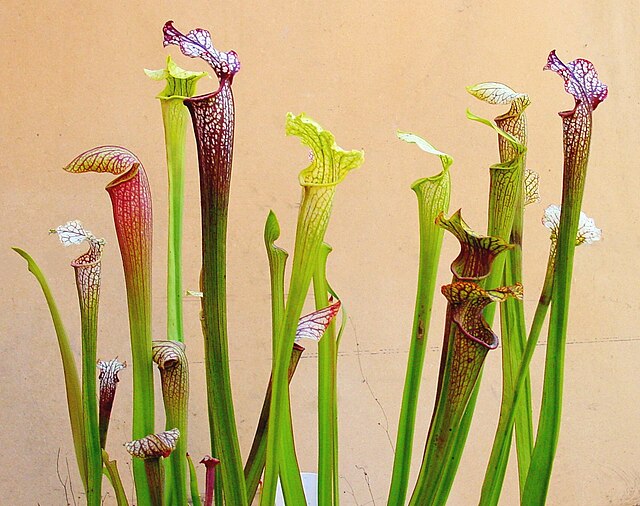
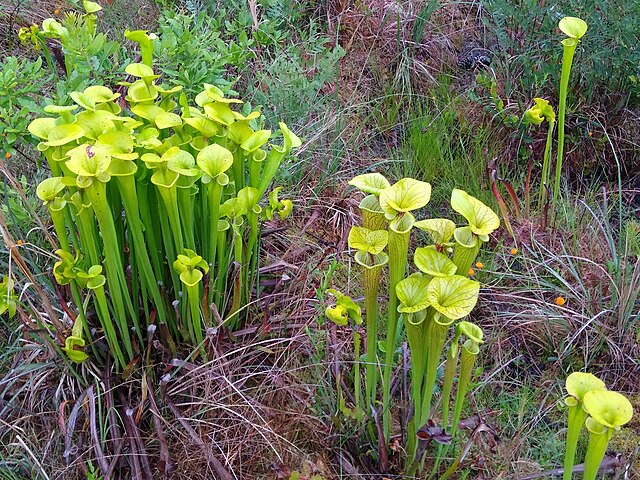
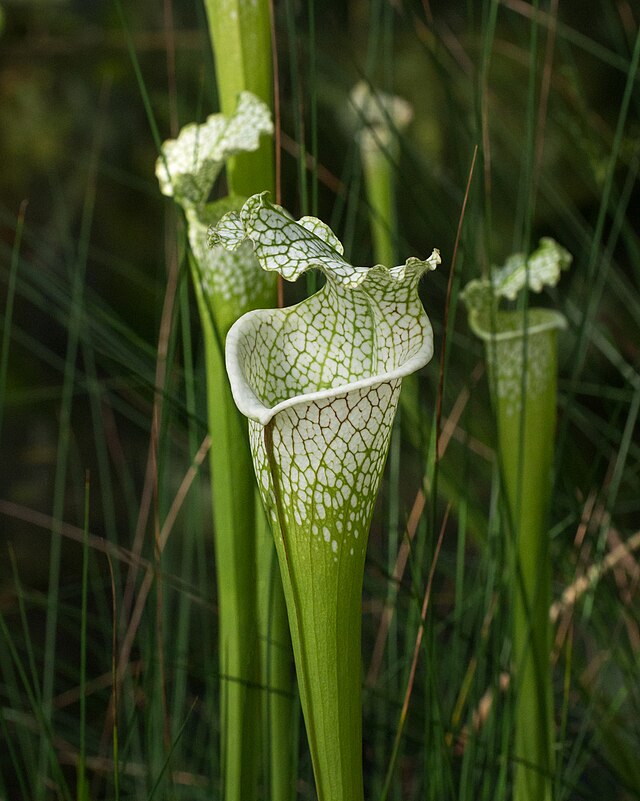
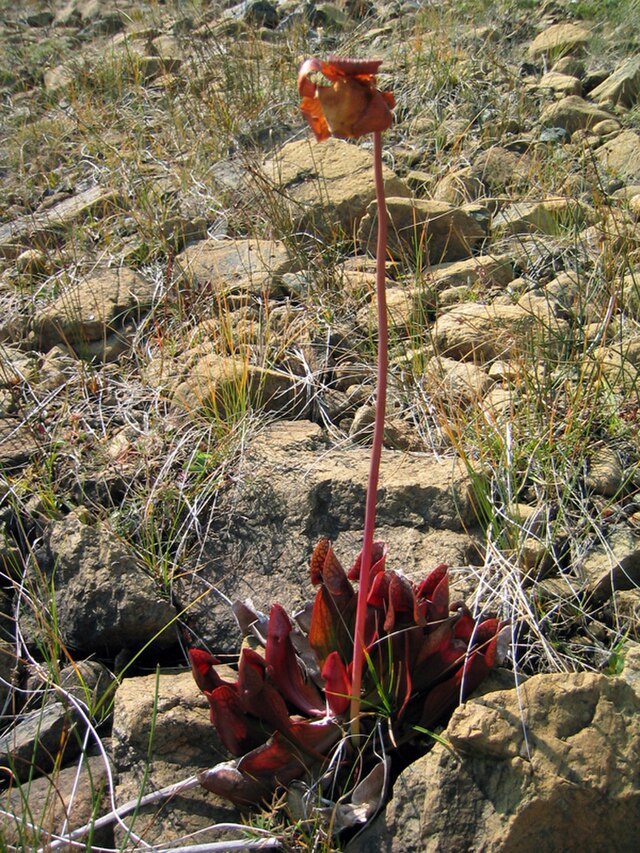
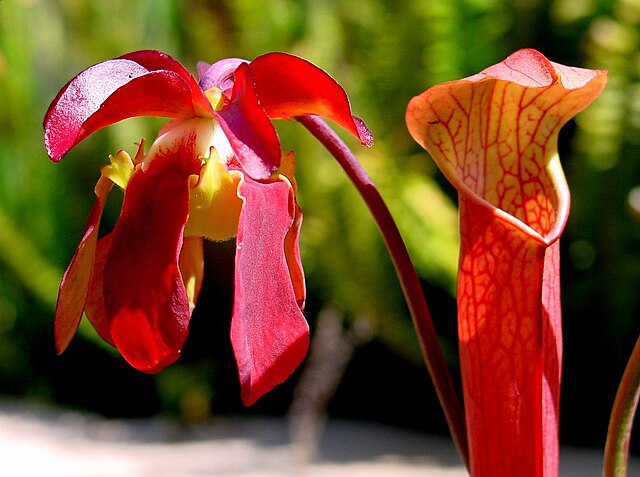
Sarracenia is a carnivorous plant native to North America, characterized by tubular trap leaves (pitchers) that capture insects. Among carnivorous plants, it is relatively large, and many varieties have beautiful patterns and colors, making it popular as an ornamental plant due to its high aesthetic value. With strong cold hardiness and easy adaptation to the Japanese climate, it is a representative carnivorous plant suitable for outdoor cultivation. If you wish to learn the basics of carnivorous plants in general, please also refer to 【Beginner's Guide】Introduction to Growing Carnivorous Plants.
Major Sarracenia Varieties
Sarracenia has approximately 8 to 11 wild species, each with its own unique appeal. Please use the following as a reference when selecting varieties for cultivation.
- Sarracenia purpurea: The most widely distributed and hardy species. Characterized by squat, urn-shaped pitchers that display a beautiful reddish-purple color. Extremely cold hardy, naturally occurring as far north as Canada. Most recommended for beginners
- Sarracenia leucophylla: Pitchers with a white base and red net-like patterns are exceptionally beautiful and the most popular among Sarracenia species. Produces especially beautiful pitchers in autumn. Grows somewhat large
- Sarracenia flava: Characterized by bright yellow-green large pitchers. Grows impressively tall, exceeding 60cm in height. Some color forms have beautiful reddish markings in the throat
- Sarracenia rubra: Small to medium-sized with delicate pitchers tinged with red. Several subspecies exist, making it highly collectible
- Sarracenia minor: Has a distinctive shape with a large hood covering the pitcher. The pitcher contains a transparent "window" that lets in light to lure insects, creating an interesting trapping mechanism
- Hybrid and horticultural varieties: Many hybrid varieties resulting from crosses between wild species exist, with rich variations in color and pattern. Hybrids of leucophylla in particular tend to be especially beautiful
For beginners, it is recommended to start with the hardy purpurea or the highly regarded hybrid varieties of leucophylla.
Benefits of Outdoor Cultivation and Setting Up the Environment
Outdoor cultivation is the standard for Sarracenia. Sufficient sunlight and natural temperature fluctuations are key to developing healthy and beautiful pitchers.
- Sunlight: Sarracenia thrives in direct sunlight. At minimum, 4 to 6 hours of direct sunlight per day are necessary. Insufficient light causes pitcher color to fade and the plant to become drawn and leggy
- Benefits of outdoor cultivation: Natural rainfall provides watering. Sufficient sunlight can be ensured. Natural winter cold temperatures naturally trigger dormancy. The plant can capture actual insects for nutrients
- Location: A south-facing balcony or garden is ideal. Choose a location with good air circulation and long hours of sun exposure
- Need for shade cloth: During extremely hot summer days (exceeding 35℃) that persist, 30% shade cloth may be used to prevent heat damage. However, shade cloth is generally not necessary
- Exposure to rain is OK: Sarracenia tolerates rain well. In fact, rainwater is more suitable than tap water. However, during typhoons or extreme storms, take measures to prevent the pot from being blown over
- Apartment balconies: Sufficient cultivation is possible in planters or pots even in limited space. Pay attention to railing height and ensure adequate sunlight
Indoor cultivation is not recommended. It is prone to insufficient light, and the plant cannot display its natural beauty. If indoor cultivation is absolutely necessary, powerful plant growth lights become essential.
Soil and Pot Selection
Sarracenia soil follows the basic principle common to all carnivorous plants: "nutrient-free acidic soil."
- Basic mix: Peat moss alone, or peat moss and perlite mixed in a 7:3 ratio is standard. Recipes using a mix with Kanuma soil are also popular
- Sphagnum moss: Can also be planted using live or dried sphagnum moss. Especially for small seedlings, sphagnum moss is easier to manage
- Soils to avoid: Never use general horticultural potting mix, leaf mold, or compost. Fertilizer content damages roots
- Pot material: Plastic pots are easiest to manage. Terracotta pots dry out quickly, so they are somewhat incompatible with water-tray management
- Pot size: Sarracenia roots grow deep, so choose pots at least 15cm deep. Large varieties require pots of 5-gallon size (15cm diameter) or larger
- Repotting frequency: Ideally repot once per year in early spring (February–March) before growth begins. This prevents root problems from soil degradation
Division can be performed simultaneously during repotting. Sarracenia can be propagated by dividing the growing points (rhizomes). Attaching at least 2–3 pitchers to each divided section increases rooting success.
Watering and Water-Tray Management
Sarracenia prefers constantly moist conditions, so water-tray management is standard.
- Water-tray management explained: Fill a saucer or tray with water and keep the pot bottom constantly submerged. This recreates the wetland habitat of Sarracenia's native environment
- Water level: Maintain water depth of approximately 2–5cm from the pot bottom. In summer, evaporation is rapid, so check water level daily
- Water type: Rainwater is best. Tap water can also be used, but some regions have hard water with high mineral content. If concerned, use filtered water or water left standing overnight
- Summer caution: Excessive temperature rise of water-tray water in direct sunlight can damage roots. Use white pots or saucers to suppress temperature rise, or refresh the water frequently
- Winter management: Even during dormancy, do not completely dry out the soil, but you may reduce water-tray water levels. Most species can tolerate freezing, but avoid environments where the entire pot remains frozen
- Fertilizer: Fertilizer is generally unnecessary. Since Sarracenia obtains nutrition from insects, outdoor cultivation allows natural insect capture
Water-tray management requires little watering effort, making it suitable for busy cultivators.
Winter Dormancy Management
One of the most important aspects of Sarracenia cultivation is proper winter dormancy management. Failure to allow proper dormancy significantly impacts growth the following year.
- Necessity of dormancy: Sarracenia is native to temperate regions and naturally enters dormancy during cold winter months. If kept warm year-round without dormancy, the plant gradually weakens
- Conditions for dormancy: Expose to temperatures of approximately 0–10℃ for 2–4 months. In outdoor Japan (south of the Kanto region), conditions are naturally satisfied
- Handling dead pitchers: Pitchers die off from autumn into winter, but this is normal dormancy process. Cut dead pitchers at the base with scissors and keep clean
- Frost tolerance: Most Sarracenia tolerate light freezing, but avoid environments where the pot completely freezes over. In cold regions, cover the pot with non-woven fabric or bring it indoors to an unheated space such as a garage
- Watering: Even during dormancy, keep soil from completely drying out. Water-tray levels can be shallow
- Spring awakening: Around March as temperatures rise, new pitchers begin to emerge. At this time, return water-tray levels to normal depth and ensure sufficient sunlight
Dormancy management may seem difficult, but with outdoor cultivation in Japan, simply allowing natural cycles to proceed presents no problems. Rather, keeping plants too warm indoors is often the cause of failure. Dormancy management of other temperate carnivorous plants is also discussed in detail in Carnivorous Plant Dormancy Management Guide.
Obtaining Sarracenia from Trustworthy Growers
Because Sarracenia varieties differ greatly in color and form, you want to see the actual plant before selecting. However, at general garden centers, unlabeled seedlings often line the shelves, and plant identity is frequently unclear. On GrowerDirect, you can purchase Sarracenia directly from growers who specialize in its cultivation, with clearly labeled varieties and healthy plants. Growers offer seedlings raised from seed by their own hands or carefully selected hybrid varieties, and you can also receive growing advice. For purchasing notes, also refer to Carnivorous Plant Purchasing Guide. If you want to reliably obtain beautiful Sarracenia, please try purchasing direct from growers.