Dormancy Management Guide for Carnivorous Plants | How to Overwinter Temperate Species Healthily
A detailed explanation of how dormancy works, overwinter management, and post-dormancy care for temperate carnivorous plants such as Venus flytraps and pitcher plants.
Key Takeaways
A detailed explanation of how dormancy works, overwinter management, and post-dormancy care for temperate carnivorous plants such as Venus flytraps and pitcher plants.
Related Species
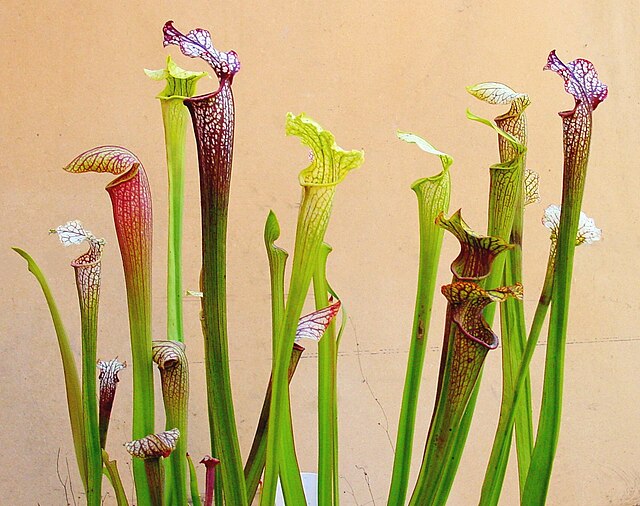
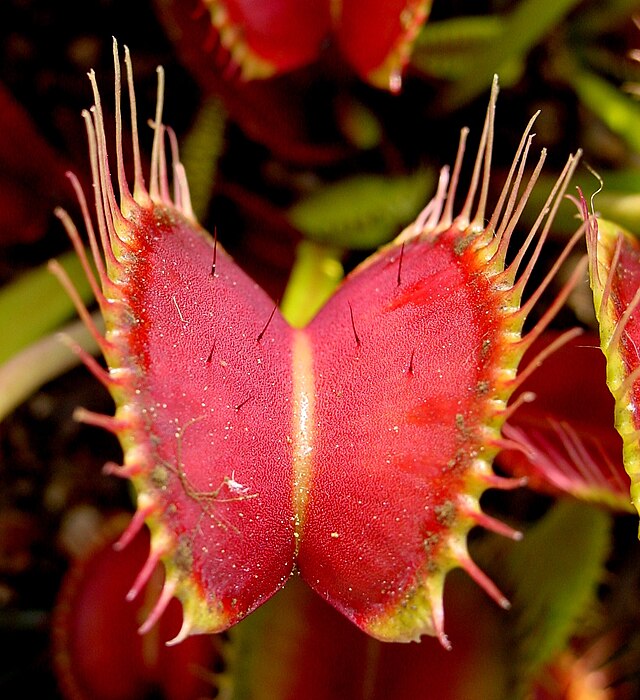
Venus flytraps and pitcher plants and other temperate carnivorous plants have the characteristic of entering dormancy during winter. This dormancy is an essential process for the plant, and without experiencing it, the plant weakens and eventually declines within a few years. Proper dormancy management is the most critical factor in maintaining the long-term health of temperate carnivorous plants.
What is Dormancy?
Dormancy is a natural phenomenon in which plant growth temporarily stops under conditions of low temperature and short day length. In the native habitats of temperate carnivorous plants (such as wetlands along the eastern coast of North America), winter temperatures drop to 0–10°C and daylight hours become shorter. Plants sense this environmental change and enter dormancy.
During dormancy, above-ground growth stops and leaves may appear to wither. However, the roots and underground growth points remain alive, and spring brings the return of new growth. Without this "reset," plants will continue to expend energy and weaken.
The main species requiring dormancy are Venus flytraps (Dionaea), all Sarracenia species, temperate sundews (such as Drosera rotundifolia), and cobra lilies. Conversely, tropical species of Nepenthes, tropical sundews, and tropical butterworts do not require dormancy.
Preparation Before Dormancy (October–November)
As autumn arrives and temperatures begin to drop, carnivorous plants naturally begin preparing for dormancy. Leaf growth slows, and the emergence of new trap leaves ceases. In Venus flytraps, trap leaves become smaller and transform into winter rosette-form leaves that lie close to the ground.
Discontinue fertilization completely from this point onward. Continued fertilizer application will interfere with dormancy. Gradually reduce watering, but take care not to let the soil dry out completely. A simple adjustment is to lower the water level if using the wading-water method.
Remove dead leaves and blackened trap leaves regularly to prevent fungal growth. However, keep leaves that still have green portions that are not completely withered, as they are still photosynthesizing.
If managing outdoors, allow natural temperature decline without intervention. If managing indoors, move plants to a cool room or hallway without heating.
Management During Dormancy (December–February)
The basic principle of dormancy management is to "expose to cold while preventing freezing."
Venus flytraps require approximately three months of dormancy at temperatures between 0–10°C. While they tolerate brief light frosts, severely cold temperatures that freeze the soil can damage roots. In lowland areas south of the Kanto region, outdoor management is possible with cold-weather protection. In cold regions, unheated entryways, storage sheds, or garages are appropriate.
Sarracenia species are more cold-hardy than Venus flytraps, and some can tolerate temperatures around −5°C. Many can remain outdoors through winter with dead pitchers still present. However, small pots carry a high risk of freezing, so exercise caution.
Water sparingly to keep the soil in a moist state. If continuing wading-water irrigation, minimize water depth and manage to prevent freezing. Since evaporation is minimal during cold periods, watering about once weekly is often sufficient.
Light is necessary even during dormancy. Prolonged placement in darkness can weaken the plant. Provide light from a window or brief illumination with a weak LED light.
Post-Dormancy Care (March–April)
As spring arrives and temperatures begin to exceed 10°C, plants wake from dormancy and new shoots emerge. Venus flytraps begin developing new growth points from the center of small winter leaves, while Sarracenia species produce new pitcher buds from the soil.
Since plants are weakened after dormancy, avoid abrupt environmental changes. Gradually increase watering frequency and resume wading-water irrigation. Sudden exposure to direct sunlight causes leaf scorch, so begin in partial shade and gradually increase light over 1–2 weeks.
This post-dormancy period is ideal for repotting. Replace old substrate with fresh soil and inspect root condition. Healthy roots are white and firm. Blackened roots likely indicate rot and should be pruned away.
Resume fertilization only after new leaves have fully expanded. Immediately after dormancy ends, roots are just beginning active growth, and fertilizer can be a burden. Begin applying diluted liquid fertilizer from late April onward.
Risks of Not Providing Dormancy
Temperate carnivorous plants cannot enter dormancy if kept indoors with heating throughout winter. While the first year may appear problem-free, successive years without dormancy lead to progressive decline.
Specifically, Venus flytrap trap leaves become progressively smaller and flowers cease to bloom. Sarracenia pitchers shrink in size and eventually stop forming new ones. Ultimately, the plant may become exhausted and die.
If a cold environment cannot be provided, refrigerator dormancy is an alternative. Wrap the plant in sphagnum moss, place in a plastic bag, and store in a vegetable crisper (3–5°C) for three months. Check moss moisture and mold presence every two weeks.
Frequently Asked Questions About Dormancy
Q: Is it normal for leaves to die during dormancy? Yes, it is normal. Many carnivorous plants experience above-ground die-back during dormancy. In Venus flytraps especially, old leaves blacken over winter, but if the basal bulb portion remains alive, new shoots will emerge in spring.
Q: What happens if dormancy is not provided? Cold-winter dormancy is essential for temperate carnivorous plants (Venus flytraps, Sarracenia, etc.). Without dormancy, next year's growth weakens, and the plant may deteriorate and die within a few years.
Q: How should I water during dormancy? Do not allow complete drying, but keep the wading-water level low. Maintain the substrate in a barely moist state.
Q: Is it acceptable to repot during dormancy? Late dormancy around February is ideal for repotting. Performing it just before new growth emerges minimizes damage to the plant.
Annual Dormancy Management Schedule
| Period | Venus Flytrap | Sarracenia | Temperate Species |
|---|---|---|---|
| October | Gradually acclimate to cold | Growth slows | Dormancy preparation begins |
| November | Manage outdoors or in unheated space | Remove dead leaves | Reduce watering |
| December–January | Dormancy at 0–10°C | Dormancy at 0–10°C | Species-dependent |
| February | Ideal repotting time | Ideal repotting time | Begin to awaken |
| March | Confirm new shoots | New pitcher emergence | Resume normal care |
Healthy Temperate Carnivorous Plants at GrowerDirect
At GrowerDirect, you can purchase healthy temperate carnivorous plants grown through proper dormancy management directly from specialist growers. Since you can ask growers directly for specific dormancy management methods and advice suited to your region, even first-time overwintering can be approached with confidence.