How to Cultivate Sarracenia (Pitcher Plant) | Humidity Control and Maintaining Tubular Carnivorous Leaves
Methods for maintaining healthy tubular carnivorous leaves in Sarracenia. Detailed explanation of replicating native habitat conditions, optimal parameters for light, humidity, and growing media, seasonal management (the necessity of winter dormancy), and pest and disease management. A professional cultivation guide for experienced growers.
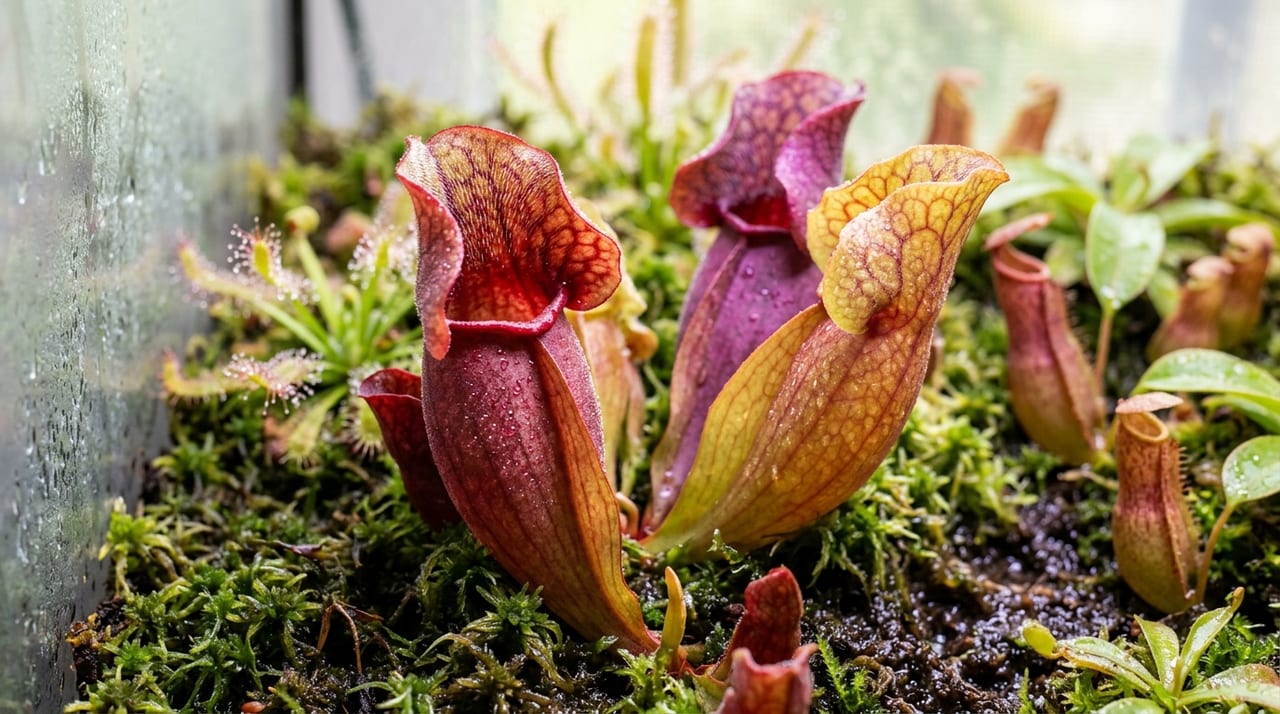
Key Takeaways
Methods for maintaining healthy tubular carnivorous leaves in Sarracenia. Detailed explanation of replicating native habitat conditions, optimal parameters for light, humidity, and growing media, seasonal management (the necessity of winter dormancy), and pest and disease management. A professional cultivation guide for experienced growers.
Related Species
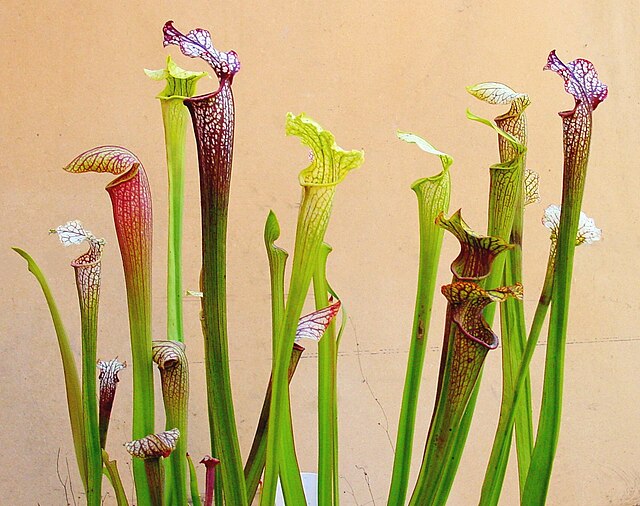
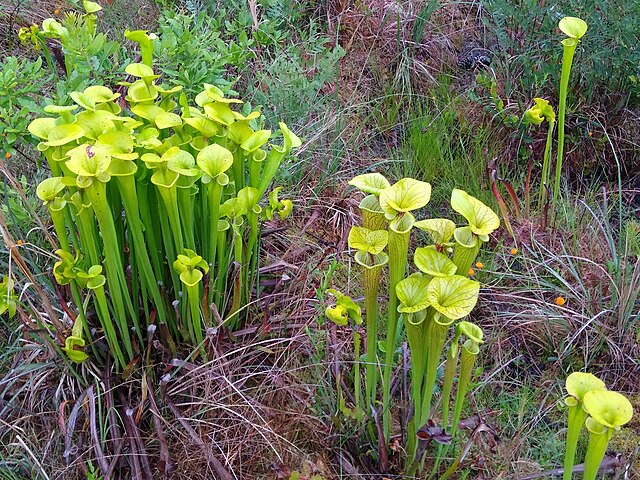
Sarracenia (pitcher plant) is a carnivorous plant native to wetlands in the southeastern United States. It traps insects in tubular carnivorous leaves (pitchers) and derives nutrients from their capture. While popular among GrowerDirect collectors, Sarracenia demands a precise growing environment, and maintaining tubular leaves requires specialized knowledge. This column is aimed at experienced Sarracenia growers and details the secrets of humidity management and pitcher leaf formation.
Native Habitat and Characteristics of Sarracenia
Sarracenia's natural habitat is found in acidic wetlands of southeastern North America, including Florida, the Carolinas, and Georgia. The climate at origin is characterized by annual rainfall of 1100–1400 mm, with winter lows dropping to around −10°C. During the active growing season (spring through summer, April–September), average temperatures range from 20–28°C, while winter temperatures fall between 5–15°C, creating distinct seasonal variation.
In this natural environment, Sarracenia is constantly exposed to high humidity (70–85%). As water levels in the marsh fluctuate seasonally, the root zone alternates between saturation and slight drying. Although receiving strong sunlight, surrounding vegetation provides moderate shade from direct sun. Replicating these conditions is the key to pitcher leaf formation in Sarracenia.
Notably, Sarracenia flava (yellow pitcher plant) inhabits the most saturated portions of wetlands at origin, with roots submerged in water year-round. Sarracenia psittacina (parrot pitcher plant) naturally grows on relatively dry hummocks and requires periodic drying of the root zone. Understanding these species-specific habitat differences is the first step to successful cultivation.
The Mechanism of Pitcher Leaf Formation and Required Conditions
Sarracenia's tubular leaves are not merely a "shape"—they are structures that serve physiological functions. Pitcher formation requires three elements to align: light intensity, humidity, and nutritional status.
The Importance of Light: Pitcher leaf formation requires a minimum of 6 hours daily, preferably 8 or more hours of bright light. Insufficient light results in new carnivorous leaves that are thin, lack height, and fail to develop tubular structure. For indoor cultivation, direct sunlight from a south-facing window or LED lighting above 1000 lux is necessary. Fluorescent lighting provides insufficient intensity, and leaves typically lose their tubular shape within months.
Humidity Management: The most critical factor in Sarracenia cultivation is "humidity." Aim to maintain the native range of 70–85% humidity at all times. When humidity drops below 60%, existing pitcher leaves brown and wither, and new leaves fail to develop properly. High humidity can be achieved through misting, humidity trays (placing the pot in a container of standing water), or a dedicated greenhouse/enclosure.
Nutritional Status and Prey Capture: The color and texture of pitcher leaves reflect nutritional status. In the wild, insects provide nitrogen and phosphorus through digestion, but cultivated plants may benefit from supplemental feeding. Introducing small insects like fruit flies or aphids into the pitchers once or twice monthly deepens leaf color and promotes pitcher development. Plants can survive unfed, but in such cases, apply dilute liquid fertilizer (N:P:K equivalent to 1:1:1) approximately twice monthly.
Optimal Conditions for Humidity, Watering, and Growing Media
Successful Sarracenia cultivation largely depends on water management.
Choosing the Right Growing Media: Sarracenia prefers acidic soil. Pure akadama clay or a 60% peat moss + 40% akadama mixture is recommended. Standard commercial potting mix (pH 6.0–6.5) should be avoided. A weakly acidic environment of pH 4.5–5.5 is optimal for root development and minimizes root rot risk.
Watering Methods: Sarracenia flava prefers roots in constantly moist conditions, making the "watering tray method" (placing the pot in a saucer with 1–2 cm of standing water) ideal. Conversely, Sarracenia psittacina dislikes the excessive moisture from watering trays and requires periods when the soil surface dries. Species-specific watering adjustments are essential.
Implementing Humid Conditions:
- Plastic bottle terrarium: Cut a large plastic bottle in half horizontally, seal the top, and create a high-humidity microclimate. Suitable for small specimens.
- Humidity tray + plastic wrap: Place the pot in a water-filled saucer and cover the surroundings with plastic wrap. Provide ventilation holes to prevent excess moisture buildup.
- Dedicated cabinets: Small cases with built-in humidifiers are commercially available and enable precise humidity control.
Keep a hygrometer on hand and maintain 70–85% humidity as the top priority for healthy pitcher formation.
Seasonal Management (Winter Dormancy and Light)
Because Sarracenia originates from North America, it requires a winter dormancy period. Without this cold rest, flower bud formation will not occur the following year.
Winter Management (November–March): From mid-November onward, move plants to an environment where temperatures fall below 10°C. During this period, new leaf growth nearly ceases, and existing leaves brown and drop—this is normal. Minimize watering, discontinue the watering tray method, and lightly moisten soil only 3–4 days after the surface has dried. Suspend fertilization entirely.
The low winter temperatures (5–10°C) are essential for flower bud differentiation, and insufficient cold or excessively warm conditions will prevent spring flowering. Keep plants indoors without supplemental heating, in unheated areas (entryways, north-facing windows), protecting only from freezing.
Spring Awakening (March–April): When temperatures exceed 15°C in April, new pitcher leaves emerge from the roots. Begin gradually increasing water and return to the watering tray method. Restore humidity management, targeting 70–85%. Without sufficient light and humidity during this phase, new leaves develop as flat straps rather than proper tubes.
Summer Management (June–September): The most vigorous growth period. Water daily to every other day, maintaining humidity at 80–85%. Apply dilute liquid fertilizer 2–3 times monthly. Provide morning direct sunlight only, with 30–50% shade from afternoon through evening to deepen pitcher coloration.
Pest and Disease Management, Leaf Drop, and Damage Recovery
Sarracenia is surprisingly resistant to pests and diseases. This is partly because it is itself a predator and partly because the humus-rich native soils suppress pathogens.
Common Problems and Solutions:
- Pitcher browning or wilting: Caused by insufficient humidity. Affected leaves cannot recover and should be removed at the base; raise humidity to 85%.
- Whole-plant yellowing: Indicates nutrient deficiency. Begin applying dilute liquid fertilizer twice monthly.
- Root rot odor: Results from excessive soil pH alkalinity or peat moss decomposition. Repot with peat-moss-based media, refreshing approximately 50% of peat moss annually in autumn.
- Mold and moss growth: Caused by poor airflow. Ensure several hours of daily ventilation through open windows or use a small fan.
The Ideal Form of Sarracenia Cultivation
To produce vibrant new tubular leaves annually and maintain rich coloration, Sarracenia cultivation demands seasonal management precision. The winter cold, spring high light and humidity, summer moderate shade, and autumn rising humidity—when all these conditions align, you achieve the magnificent tubular leaves seen in nature.
The golden tubes of Sarracenia flava and the deep crimson tubes of Sarracenia psittacina are nature's masterpieces. With accumulated cultivation experience and refined environmental controls, GrowerDirect collectors can recreate this beauty indoors. Achieving successful pitcher formation is the highest reward for carnivorous plant growers, and the journey deepens one's understanding of the plant itself.