Complete Guide to Growing Darlingtonia (Cobra Plant) | A Cool-Loving North American Carnivorous Plant
Learn how to grow Cobra Plant (Darlingtonia), native to North America. This guide covers the three principles of root-zone cooling, soft water, and air circulation, plus practical tips from runner propagation to mastering this challenging species.
Key Takeaways
Learn how to grow Cobra Plant (Darlingtonia), native to North America. This guide covers the three principles of root-zone cooling, soft water, and air circulation, plus practical tips from runner propagation to mastering this challenging species.
Related Species
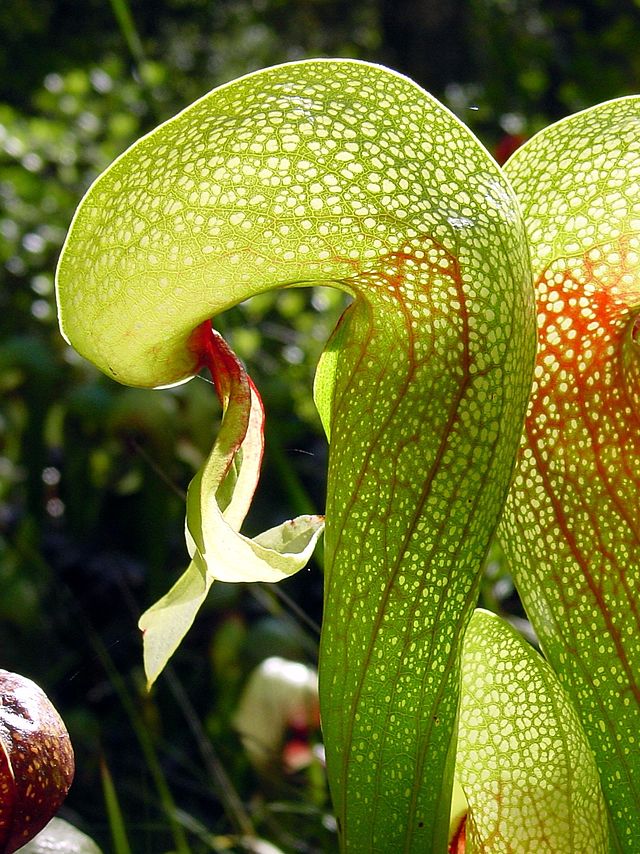
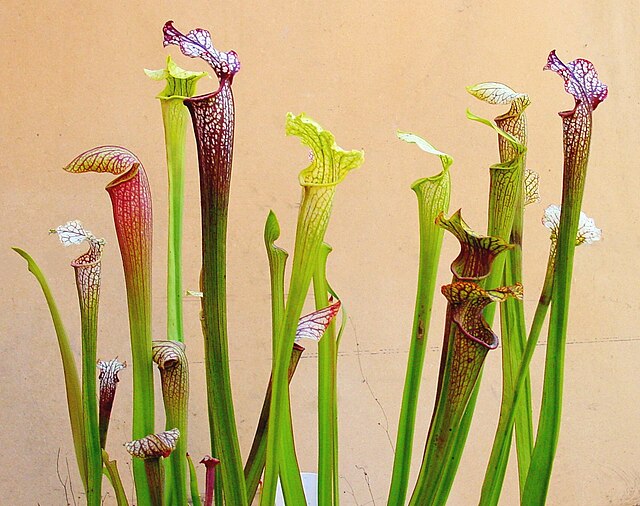
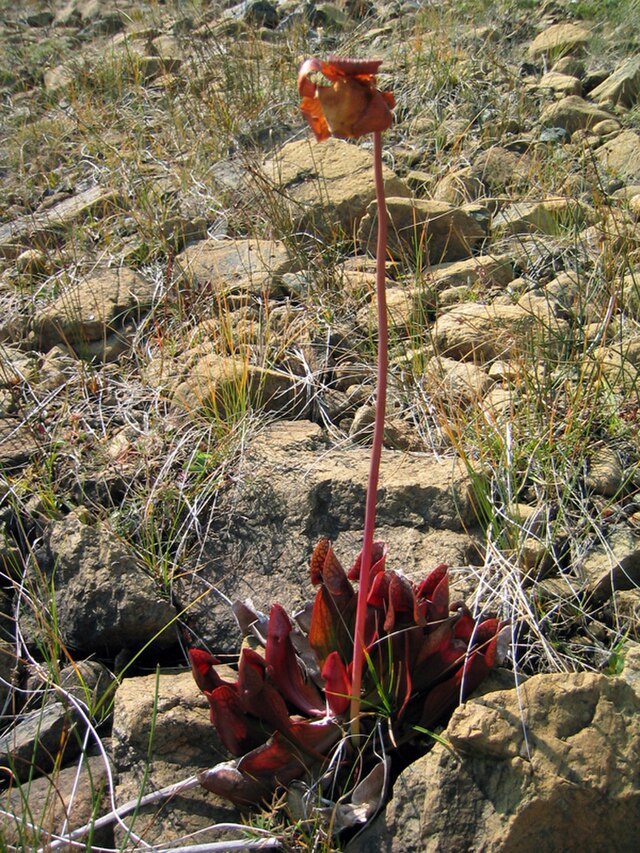
Darlingtonia californica (Darlingtonia californica) is a unique carnivorous plant found only in certain regions of the North American west coast. Its distinctive insectivorous leaves, which resemble a cobra raising its head, earn it the affectionate nickname "Cobra Plant," and it is known as one of the most challenging carnivorous plants to grow. Understanding its requirements for cool conditions and clear water is the key to successful cultivation.
Native Habitat and Ecology
Darlingtonia's native habitat is the Pacific Coast mountain range from southern Oregon to northern California, USA. It is found across a wide elevation range of 100–2,200 m, with the common factor being wetlands fed by cold spring water or snowmelt. It forms colonies in places where water temperature remains low even in summer.
The insectivorous leaf consists of a dome-shaped hood resembling a cobra's head and a fish-tail-like appendage (fish-tail) hanging from its tip. Insects are attracted to the nectar glands on the fish-tail and enter inside the dome. As they attempt to fly toward the translucent window at the top of the hood (which appears to be a false exit), they become exhausted, fall, and are dissolved by digestive fluid. However, digestive enzyme secretion is limited, and breakdown is thought to occur primarily through decomposition aided by symbiotic bacteria.
Cultivation Basics: Root-Zone Cooling is Essential
The most difficult aspect of Darlingtonia cultivation is keeping the root zone at low temperatures. While the foliage can tolerate moderate heat, roots weaken rapidly above 30°C. The following management techniques should be combined.
- Cool-Water Top Watering: While maintaining bottom watering, regularly pour cold water (tap water or chilled soft water) from above to cool the root zone. During hot summers, you may need to water with cold water 2–3 times per day.
- Shade and Air Circulation: Root damage occurs if the pot sides heat up in sunlight. Use white or light-colored pots, or use a double-pot system with insulation between the pots. Ensure air movement and place the plant where humidity is maintained but heat does not accumulate.
- Summer Heat Management: In regions where nighttime temperatures do not drop below 20°C, effective methods include placing the pot in a styrofoam container with daily ice additions, or growing in an air-conditioned greenhouse or indoors.
Substrate, Water Quality, and Bottom-Watering Management
The basic substrate is a 1:1 mix of peat moss and sand (or perlite). Use New Zealand peat or white peat with minimal organic content. Choose slotted pots or plastic pots to ensure air circulation.
Water quality is particularly important. Darlingtonia is more sensitive to water quality than other carnivorous plants, and ideally you should use distilled water, rainwater, or RO water with electrical conductivity (EC) of 50 μS/cm or less. Depending on the region, tap water may contain high mineral content and cause long-term root damage.
Maintain bottom water at 2–5 cm, but in summer replenish with cool water from above while frequently changing the bottom water. Since old water readily promotes bacterial growth, maintaining cleanliness is important.
Propagation: Runners and Seedlings
Darlingtonia can be propagated by two methods: runners and seeds.
| Propagation Method | Characteristics | Time to Develop into Independent Plant |
|---|---|---|
| Runners (Stolons) | Thin stems extend from the base of the mother plant, with small plantlets forming at their tips. Severing the runner and moving it to a separate pot is the most reliable method | 1–2 years if conditions are suitable |
| Seed (Seedlings) | Cold-moist stratification (4°C for 3–4 weeks) is required for germination. After treatment, place on peat:sand substrate and maintain in a bright location below 25°C. Germination rate varies greatly depending on conditions | 2–3 years until the insectivorous leaves become prominent |
Light and Fertilization Considerations
Darlingtonia appreciates some sunlight, but direct summer sun is dangerous as it rapidly raises root-zone temperature. Outdoors, grow it under 30–50% shade cloth or in dappled shade; indoors, use bright windowside placement with supplemental LED lighting as a practical approach.
Fertilization is barely necessary. Darlingtonia obtains nitrogen through insect capture, and fertilizing can damage roots. If you must fertilize, apply only diluted liquid fertilizer (1/10 of recommended strength or less) as a foliar spray.
Purchasing Considerations and Long-Term Care
Most commercial Darlingtonia have been greenhouse-raised, and exposing them to direct outdoor sun immediately after purchase causes leaf scorch. First acclimate them in bright shade for about two weeks, then gradually increase light. Also, the root zone may have been exposed to drying and heat during transport, so provide fresh cool water promptly upon arrival.
Growth is relatively slow, with a few new insectivorous leaves produced each year. Old leaves naturally wither, but dead foliage readily becomes a breeding ground for mold and pests, so remove brown leaves promptly. The key to repotting is to avoid disturbing the root ball too much, preserving the existing root structure as much as possible.
Outdoor Wetland Cultivation and Companion Plants
Unless in a warm climate, outdoor bottom-watering containers or mini-wetland biotopes offer year-round cultivation options. In that case, placing Sarracenia purpurea nearby is recommended, as it also prefers cool wetlands and has high cold hardiness. The root-zone humidity and water-quality management needs are similar, making care easier and ideal for those attempting outdoor wetland cultivation for the first time. However, winter freeze protection (mulching or simple cold frames) is more critical for Darlingtonia californica, so position it where water temperature does not rise excessively when housing both together.
While Darlingtonia is challenging to cultivate, if you maintain the three conditions—root-zone cooling, soft water, and air circulation—you can enjoy new cobra-shaped leaves every early summer. It is rare among carnivorous plants, and with proper care becomes a highly attractive collection. Obtaining established plants through specialist growers or enthusiast communities is also a shortcut to success.