How to Help Carnivorous Plants Survive Summer | Heat and Drought Tolerance & Environmental Setup
Carnivorous plant summer survival hinges on keeping root temperature below 25°C. Detailed guidance on air conditioning, shade management, air circulation, adjusting tray water temperature, variety-specific strategies, and preparing for autumn transition.
Key Takeaways
Carnivorous plant summer survival hinges on keeping root temperature below 25°C. Detailed guidance on air conditioning, shade management, air circulation, adjusting tray water temperature, variety-specific strategies, and preparing for autumn transition.
Related Species
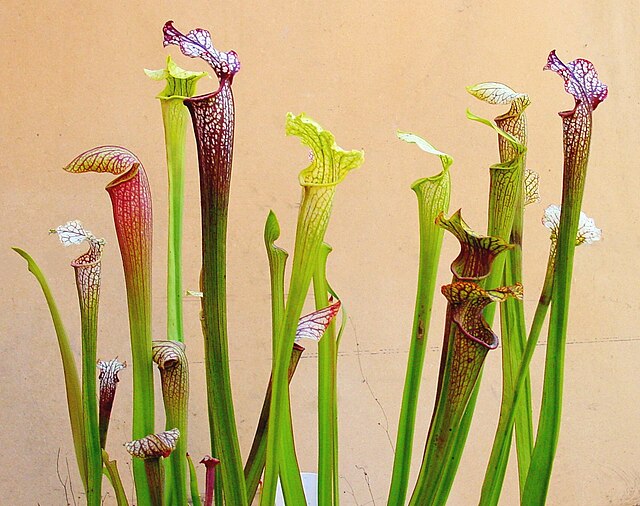
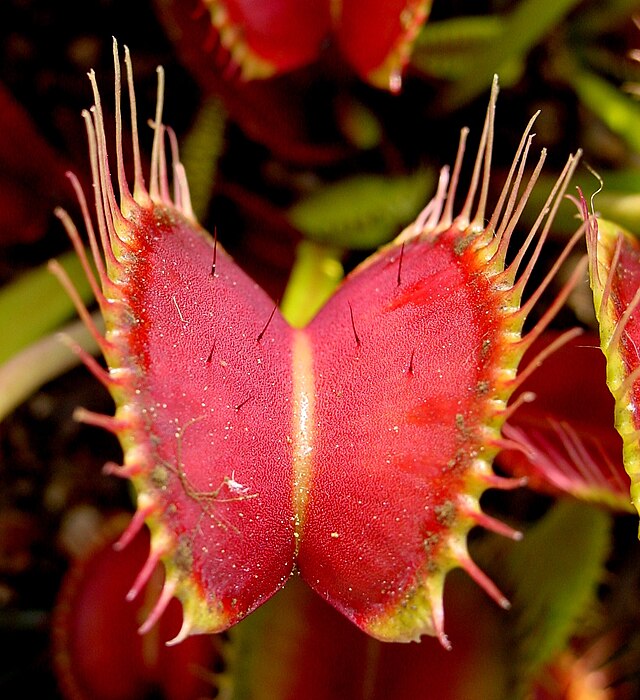
Because carnivorous plants have evolved in the unique ecosystem of wetland environments, summer heat and dry conditions create major stress factors. Particularly in Japanese summers, temperatures frequently exceed 30°C, and without air conditioning, indoor environments can reach nearly 45°C—putting most carnivorous plants at risk of dying. This article synthesizes practical cultivation knowledge and environmental management techniques for the three essential elements of carnivorous plant summer care: preventing root overheating, maintaining relative humidity, and managing dormancy-period risks.
Understanding Heat Stress in Carnivorous Plants
Understanding why carnivorous plants are vulnerable to high temperatures is the first step in developing proper summer survival strategies.
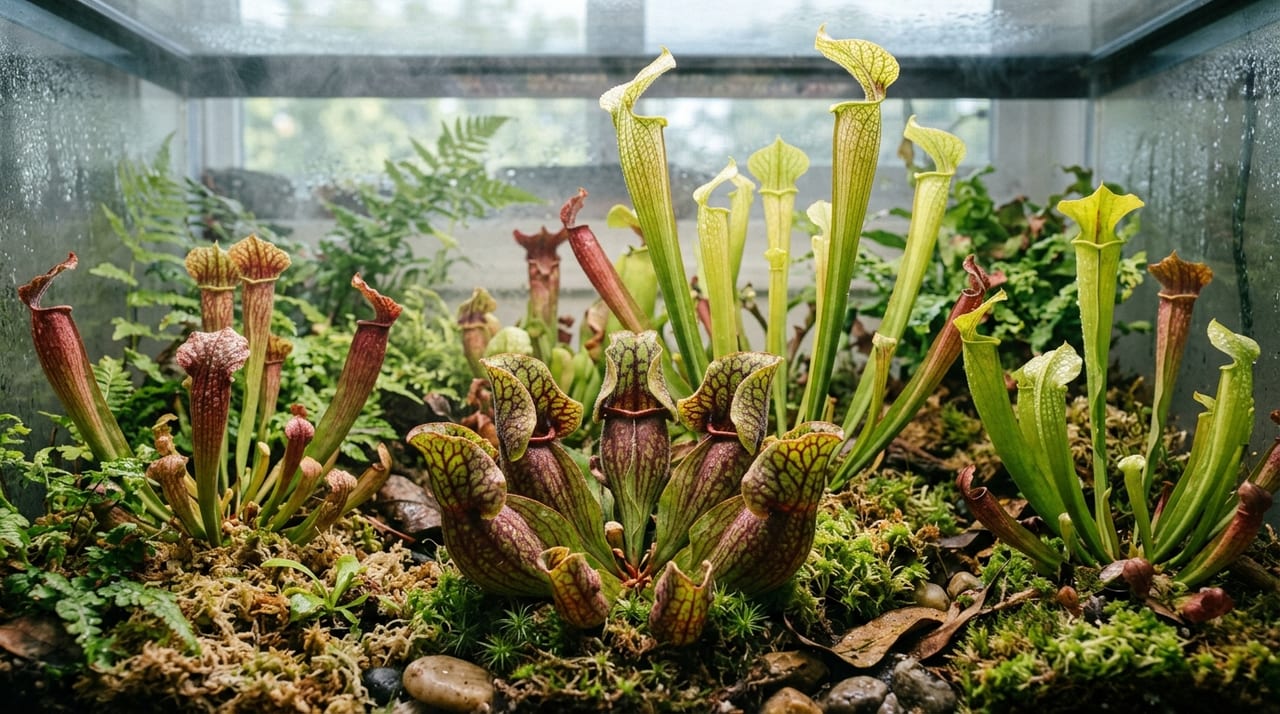
Most carnivorous plants grow in wetland or swamp environments where water is constantly present. The defining characteristic of such environments is that soil and root temperatures are continuously cooled by water. For example, in North American wetlands where Sarracenia and Darlingtonia species grow, water temperatures remain around 16°C, so roots stay cool regardless of how high the above-ground temperature rises.
However, in cultivation environments, this root cooling is easily lost. Particularly when using plastic pots, black pots can heat up to 40°C or higher in sunlight, causing soil temperatures within the pot to rise rapidly. When carnivorous plant roots are exposed to temperatures exceeding 30°C for extended periods, root respiration declines and water and nutrient absorption efficiency drops sharply. Moreover, when soil is dry at high temperatures, the stress on roots becomes even more pronounced.
Additionally, stomatal function is significantly affected by temperature. When stomata remain constantly open, water transpiration from the plant becomes severe, leading to water loss that cannot be offset by absorption. As a result, leaves wilt, new shoots blacken, and the plant often progresses to root rot.
The Triangle of Air Conditioning, Shade, and Air Circulation
The most effective strategy for carnivorous plant summer survival is maintaining root temperature around 25°C. Achieving this requires combining multiple interventions.
Air Conditioning Management: The most reliable method is to air-condition the entire cultivation space. With air conditioning set to approximately 25°C around the clock, nearly all carnivorous plants can successfully survive summer. However, if electricity costs are a concern, you can reduce expenses by confining your cultivation space to a corner of an air-conditioned room or using a small cooling box.
Adjusting Shade Level: Using 30–50% shade cloth can reduce daytime temperature rise by 3–5°C. Shade is especially essential for windows that receive afternoon western sun, as they experience particularly sharp temperature increases. However, if shade is too dense, photosynthesis suffers and new growth halts. The ideal level of shading allows adequate light on the pot surface during morning hours, with more than half shaded in the afternoon.
Air Circulation and Ventilation: In stagnant, hot environments, root cooling is nearly impossible. Using a small fan to circulate gentle air 24 hours a day allows heat around the pots to dissipate more easily. Additionally, wind-promoted transpiration lowers leaf-surface temperature.
Watering Tray Management and Soil Selection Tips
A characteristic cultivation method for carnivorous plants is "watering tray"—soaking the pot in a tray of water—which plays an extremely important role in summer survival.
Watering Tray Temperature Management: When watering tray water temperature rises, root cooling effectiveness is lost. Ideally, replace the water morning and evening daily to supply fresh, cool water. Morning watering is especially important—adding water cooled overnight in the morning can lower root temperature by approximately 10°C. Using white plastic trays prevents heat buildup from sunlight. Avoid black trays, and ideally place them indoors or on a shelf that receives shade during daytime hours.
Soil Mix Composition: While peat moss and sphagnum moss offer good water retention, high temperatures activate microbial activity and increase root rot risk. For summer, increase perlite from the typical 30% to 40% in a standard mix (peat moss 50%, perlite 30%, vermiculite 20%) to ensure better drainage. Additionally, mixing 20% small red lava balls (akadama) slightly reduces the soil's heat retention, increases drying speed, and prevents excessive moisture around roots.
Variety-Specific Summer Survival Strategies
Heat tolerance varies significantly among carnivorous plant varieties. Understanding these differences and tailoring your approach is key to successful summer survival.
Heat-Tolerant Varieties: Tropical Nepenthes (pitcher plants), Sarracenia psittacina, Heliamphora, and similar varieties can survive in 25–30°C environments. Even when daytime temperatures reach around 30°C, they grow relatively well as long as roots remain below 25°C.
Varieties Requiring Winter Dormancy: Species from cool North American wetlands, such as Venus flytraps and sundew species, have inhibited flowering and dormancy entry when exposed to temperatures above 25°C throughout summer. These plants complete a healthy growth cycle only after experiencing an adequate cold period for winter dormancy, making summer temperature management especially critical.
Semi-Heat-Tolerant Varieties: Most Pinguicula (butterwort) and Drosera (sundew) species thrive at 20–25°C. When temperatures consistently exceed 30°C, they begin preparing for dormancy and may temporarily stop growing.
Preparing for Dormancy and Managing Autumn Transition
Most carnivorous plants spontaneously enter dormancy during summer's heat—a defensive strategy. Navigating this period successfully leads to healthy growth in autumn and beyond.
In late summer (mid-August onward), new growth may slow somewhat. This is not abnormal but rather a sign of shifting toward autumn. During this period, resist pushing growth; instead, water slightly less and gradually encourage the transition to autumn.
As September arrives and temperatures begin to drop, carnivorous plants enter a vigorous growth phase again. At this point, begin lightly fertilizing and gradually increase light levels to prepare for the autumn-winter growth season. This "stepwise" environmental management creates robust cultivation throughout the year.
Summary and Practical Checklist
Carnivorous plant summer survival depends on simultaneously managing multiple factors—root temperature, humidity, and air circulation—not merely keeping things cool. Use the following checklist to verify your summer strategy:
- ☐ Have you prepared air conditioning or a cooling box to maintain root temperature below 25°C?
- ☐ Have you installed 30–50% shade cloth and protected against afternoon western sun?
- ☐ Are you circulating gentle air 24 hours a day with a small fan?
- ☐ Have you unified your watering trays to white and scheduled morning and evening water changes?
- ☐ Have you repotted into summer high-drainage soil mix?
- ☐ Do you understand the heat tolerance of each variety and have individual strategies in place?
- ☐ Have you developed a management plan with dormancy transition in mind from mid-August onward?
By combining these strategies, you can ensure healthy carnivorous plant growth and prepare for successful winter survival even in Japan's harsh summers.