Watering Carnivorous Plants | Wicking Water Suitability and Frequency by Species (Nepenthes Not Suitable for Wicking)
We've organized watering methods for carnivorous plants by species. While Venus flytraps and pitcher plants can be kept in constant wicking water, constant wicking water for Nepenthes causes root rot. You can check the suitability of wicking water, water levels, and watering frequency by season in a quick reference table.
Key Takeaways
We've organized watering methods for carnivorous plants by species. While Venus flytraps and pitcher plants can be kept in constant wicking water, constant wicking water for Nepenthes causes root rot. You can check the suitability of wicking water, water levels, and watering frequency by season in a quick reference table.
Related Species
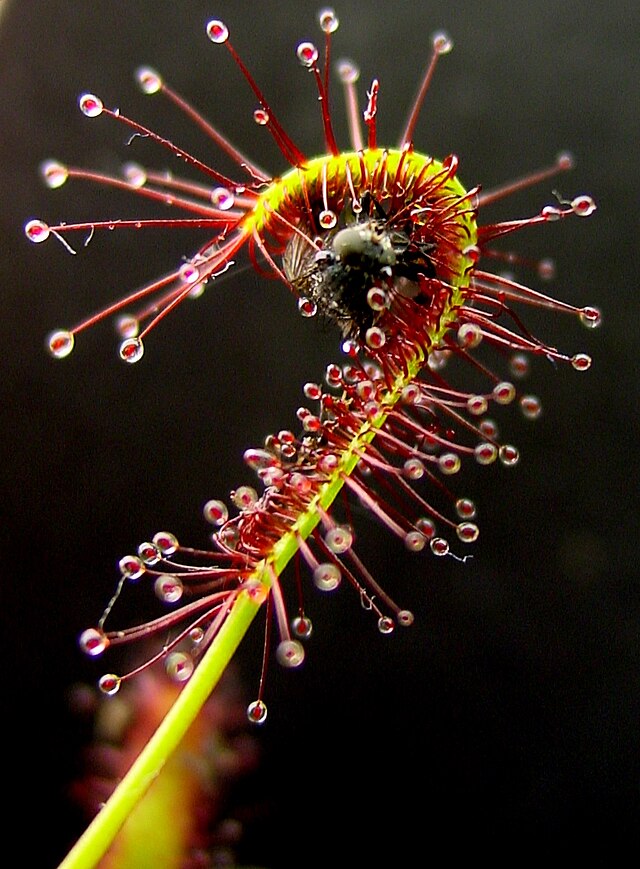
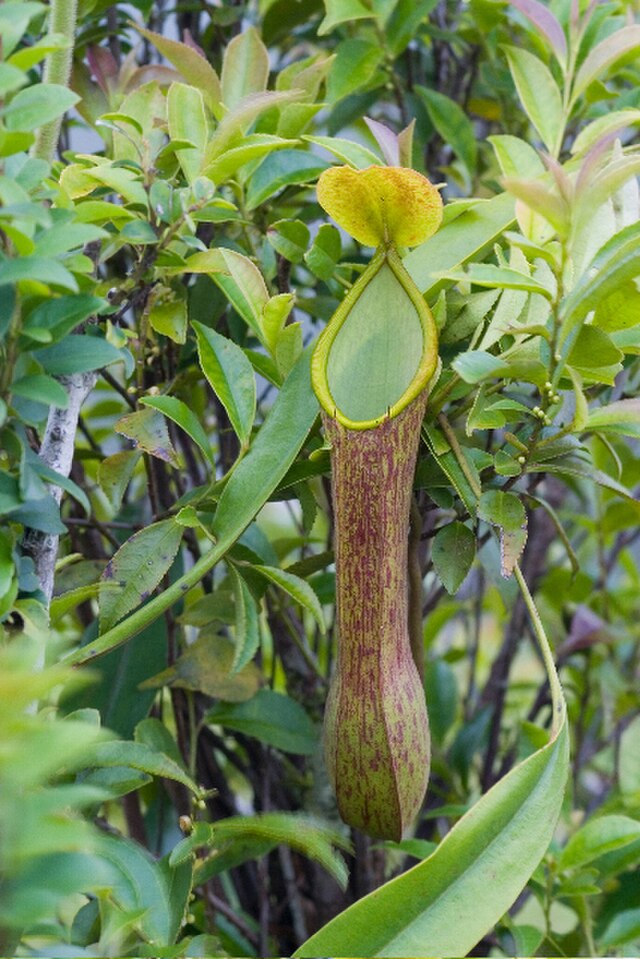
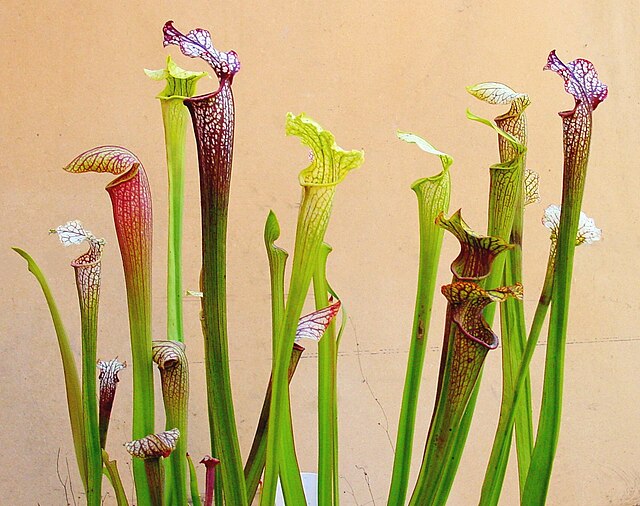
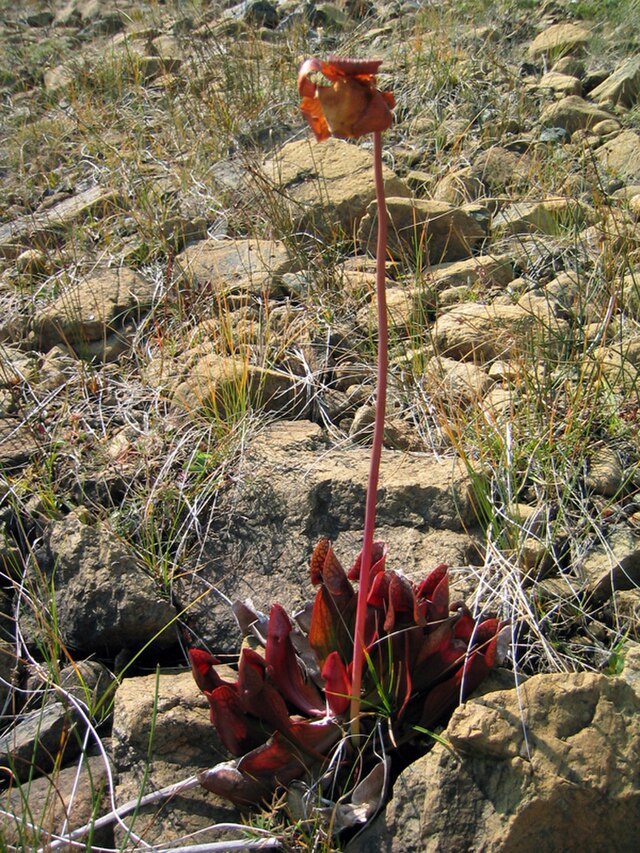
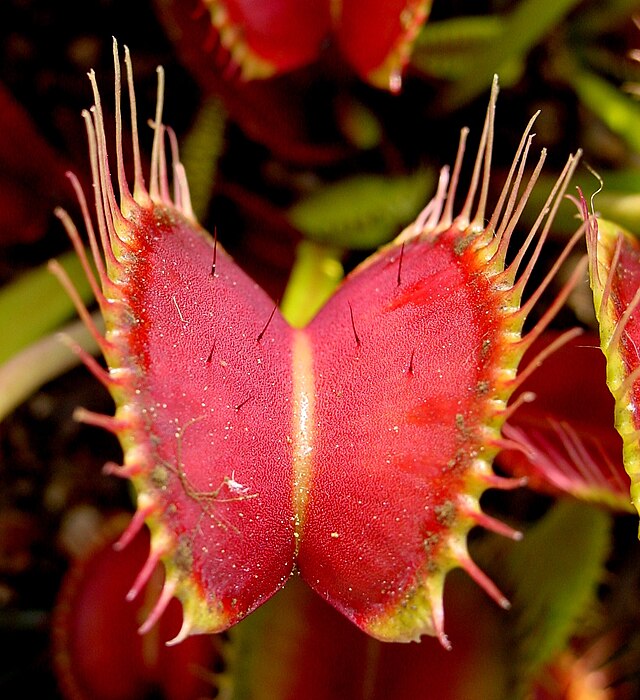
Water is one of the most important aspects of care in growing carnivorous plants. If you get the watering method, water quality, or frequency wrong, the plant will weaken no matter how ideal the environment is.
"Carnivorous plants love water" is a correct perception, but not all species should be kept in wicking water. Venus flytraps and pitcher plants are fine with water constantly in the tray, but if you manage Nepenthes the same way, the roots become oxygen-deprived and damaged. This article focuses on the suitability of wicking water by species and watering frequency, organizing carnivorous plant water management.
Quick Reference Table of Wicking Water Suitability and Watering Frequency by Species
The most common mistake with carnivorous plant watering is assuming that all carnivorous plants = wicking water. Species that grow in wetlands are fine with constant wicking water, but species that grow on trees or slopes will develop root rot with the same management. First, confirm which group your plant belongs to.
| Species | Constant Wicking Water | Water Level Guide | Watering Frequency Guide |
|---|---|---|---|
| Venus Flytrap (Dionaea) | Suitable | 1-2 cm | Keep tray filled (refill every 1-3 days in summer / 7 days in winter) |
| Pitcher Plant (Sarracenia) | Suitable | 2-5 cm | Same as above. Check daily in summer if outdoors in bright light |
| Sundew (Drosera) | Suitable | 1-2 cm | Same as above |
| Bladderwort (Utricularia / terrestrial species) | Suitable | 1-2 cm | Same as above |
| Butterwort (Pinguicula) | Suitable if shallow | 5mm-1cm | Use shallow wicking in summer; do not use wicking during winter dormancy for Mexican species |
| Cephalotus | Not suitable (use sparingly) | — | Water from above when soil surface begins to dry. Do not allow water to pool in the tray |
| Nepenthes (Pitcher Plant) | Not suitable | — | Water from above when soil surface begins to dry (once every 2-3 days in summer / 5-7 days in winter) |
| Heliamphora | Suitable if shallow | Approx. 5mm | Prioritize aeration; keep wicking water shallow |
Should Nepenthes Be Kept in Wicking Water?
To summarize: avoid constant wicking water for Nepenthes. Nepenthes are epiphytic and semi-epiphytic plants that grow on trees and slopes in tropical regions, and their roots are not adapted to an environment where they are constantly submerged in water. If the pot base remains submerged, the roots become oxygen-deprived, turn black, and become damaged; this later manifests as leaf tip browning and the failure to produce pitchers (insect-catching leaves).
The correct watering method is "water thoroughly from above so it drains through the pot holes, then discard any water pooled in the tray"—the same method as standard potted plant care. Do not let the soil dry out completely; water again when the soil surface begins to dry. A guideline is once every 2-3 days in summer and once every 5-7 days in winter, but drying rates vary greatly depending on whether sphagnum moss is used alone and the pot material, so always check the soil with your finger before watering.
However, as an exception, temporary shallow wicking water (1 cm or less) can be used during hot summer months to prevent drought stress in lowland Nepenthes. Even in this case, change the water daily and stop as soon as temperatures cool. Do not use shallow wicking for highland species, as their roots are sensitive to high temperatures. For detailed cultivation guidance by species, see How to Grow Pitcher Plants (Nepenthes).
Note that water type selection (whether tap water can be used, when to use distilled water, rainwater, or RO water, and TDS value guidelines) is covered in Carnivorous Plant Water Management Guide. This article covers "how to water each species," while that covers "what type of water to use."
Why Water Quality Matters
The soil where carnivorous plants grow wild (peatlands, wetlands, high-altitude rocky terrain) is nutrient-poor acidic soil with very little mineral content. Plants developed the mechanism of capturing insects to supplement nutrients, adapting to this low-nutrient environment.
In other words, carnivorous plants are extremely sensitive to high-mineral water.
Typical tap water in Japan contains minerals such as chlorine for sterilization, calcium, magnesium, and sodium. Continuous use causes mineral salt to accumulate in the roots (salt damage), leading to root rot and death. Species managed with wicking water, such as Venus flytraps and Sarracenia purpurea, are especially susceptible, as water quality effects accumulate directly in the roots; care is needed.
Types of Water Suitable for Carnivorous Plants
Distilled Water (Most Recommended)
Water with all impurities completely removed, most suitable for growing carnivorous plants. Available at drugstores and home centers for approximately 50-100 yen per 500 ml.
Caution: Drinking "mineral water" has a similar name but contains minerals and should not be used. Always choose products labeled as "distilled water" or "purified water."
Rainwater (Nearly Ideal)
Close to natural distilled water with low mineral content, making it ideal for carnivorous plants. You can collect rainwater by placing a bucket outdoors.
However, atmospheric pollutants may mix in urban areas. Avoid using rainwater in regions where acid rain is a concern.
RO Water (Reverse Osmosis Filtered Water)
Water filtered through a reverse osmosis membrane can remove nearly all minerals. By installing a dedicated filtration system (approximately 12,000-40,000 yen), you can produce RO water at home. It's worth the investment if you plan to cultivate carnivorous plants seriously.
If Using Tap Water
If distilled water or rainwater is unavailable, here are alternatives:
- Letting tap water stand (24 hours or longer): This can volatilize some chlorine, but cannot remove minerals like calcium. It can work as a short-term alternative, but avoid long-term use.
- Using ion exchange resin filters (water softeners): Can remove calcium and magnesium. Works as a distilled water alternative but requires cost and maintenance.
Practicing the Wicking Water Method
The basic watering method for carnivorous plants is the wicking water method (tray method).
The wicking water method involves placing a pot on a tray and constantly keeping water in the tray. Water is absorbed through holes in the pot base, maintaining constantly moist soil. Hardy sundew species like Drosera capensis, which are ideal for beginners to start with, can also be grown stably using this method.
Advantages:
- Soil remains constantly moist (recreating the wetland environment carnivorous plants prefer)
- Reduces watering frequency
- Easy to manage
Wicking Water Level: A guideline is for 1/3 to 1/2 of the pot to be submerged in water. Water level can also be set so the pot drainage holes are fully submerged (1-3 cm).
Water Change Frequency:
- Summer (rapid evaporation): Once every 1-3 days
- Winter (slow evaporation): Approximately once per week
Refill the tray when water level drops. Refill before the water completely evaporates and the tray runs dry.
Seasonal Management
Spring (March-May)
The period when plants wake from dormancy. Gradually increase watering and resume wicking water while checking soil moisture. New shoots and pitchers begin to develop.
Summer (June-September)
The period when plants need the most water. Wicking water evaporates quickly, so check frequently. In full sun, water temperature can rise and damage roots; ensure the tray does not get too hot. Nepenthes alata, popular as an easy beginner species, becomes sensitive to drought during this season, so increase monitoring frequency.
Fall (October-November)
Activity slows down. Gradually reduce wicking water frequency.
Winter (December-February)
Species requiring dormancy (Sarracenia, Venus flytrap, temperate Drosera, etc.): Stop wicking water completely and maintain only minimal moisture to prevent soil from drying out completely. Expose to cold outdoors for dormancy (around 0-10°C).
Species not requiring dormancy (tropical Nepenthes, tropical Drosera, etc.): Continue wicking water but maintain warmth so water and room temperature do not drop too much (maintain 15°C or above).
Common Water Management Mistakes
Wicking water drying up: Causes roots to dry and become damaged. Don't forget to refill; using a larger tray provides more margin for evaporation.
Using tap water long-term: Shows signs of poor leaf growth, root rot, etc. Switch to distilled water immediately and consider repotting.
Water temperature too high: If wicking water temperature exceeds 30°C in summer, root rot becomes likely. Address with shade cloth and ventilation.
Summary
The key to carnivorous plant water management is to "use highly pure water and maintain constantly moist conditions." By using distilled water or rainwater as the basis for the wicking water method and adjusting management seasonally, you can enjoy healthy carnivorous plants for years to come. Once you master watering basics, exploring Introduction to Mini Greenhouses for Carnivorous Plants to deepen your humidity management will help you create an even more stable growing environment.