How to Grow Nepenthes (Pitcher Plants) | Humidity Management and Tubular Trap Formation
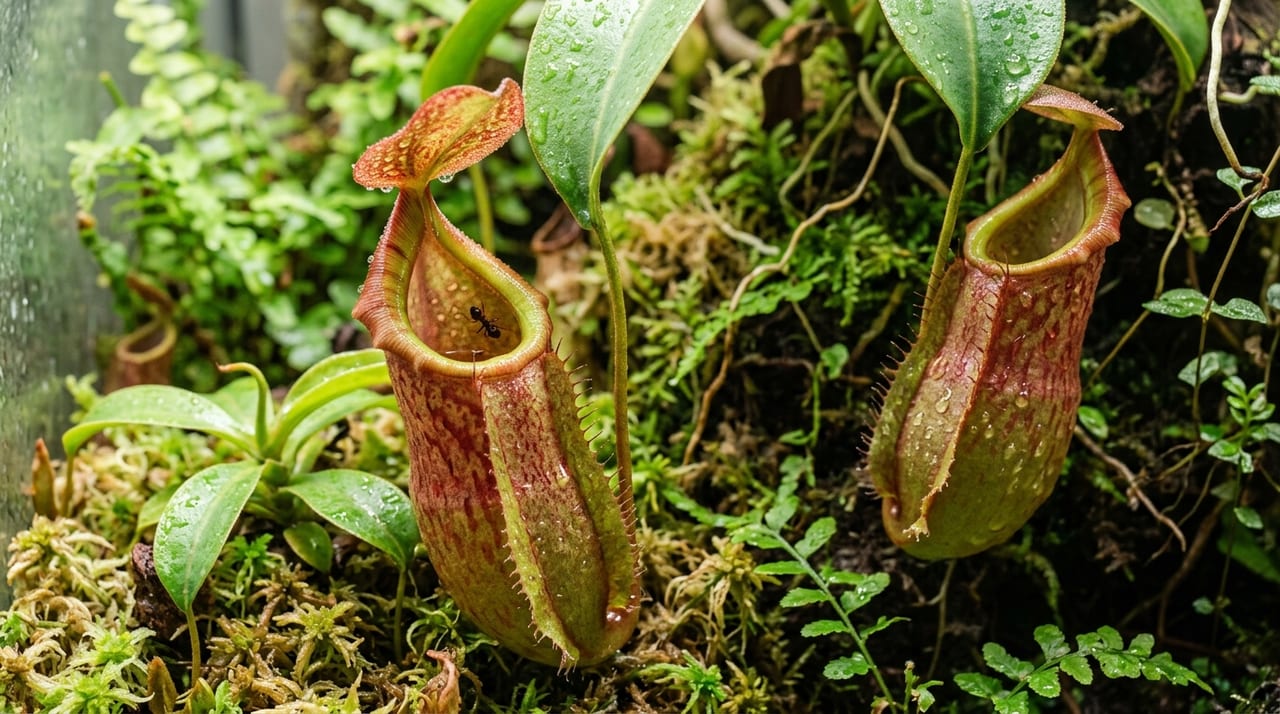
Nepenthes is one of the most fascinating carnivorous plants. Tubular traps form successively to trap and digest insects. The key challenge is humidity management—maintaining 70%+ humidity is essential for proper trap formation.
Key Takeaways
Nepenthes is one of the most fascinating carnivorous plants. Tubular traps form successively to trap and digest insects. The key challenge is humidity management—maintaining 70%+ humidity is essential for proper trap formation.
Related Species
Introduction: The Mystique of Carnivorous Plants—Nepenthes
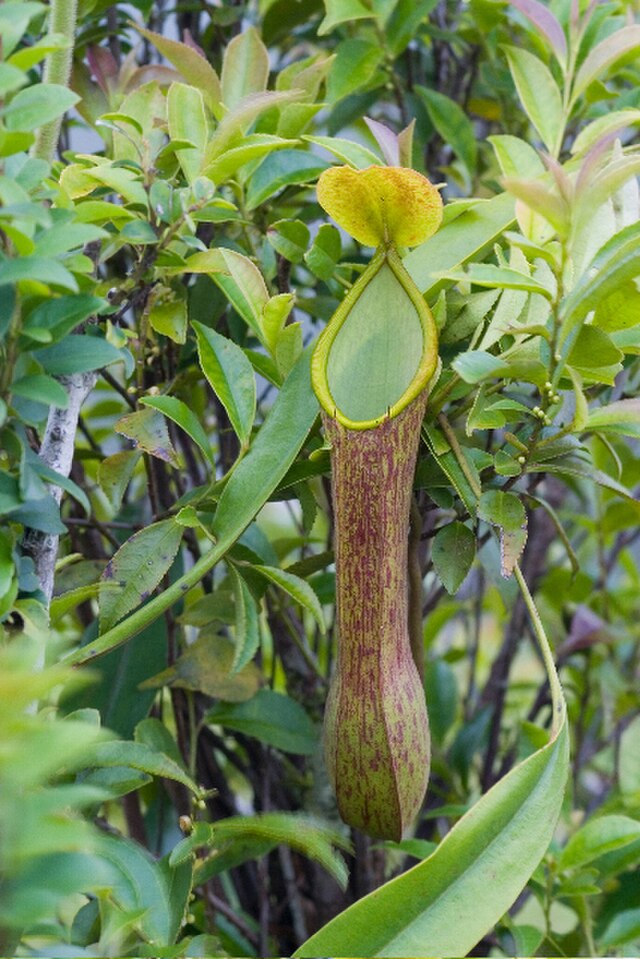
Nepenthes (pitcher plants) rank among the most captivating carnivorous plant species. Watching green tubes form successively and secrete digestive fluid to capture and consume insects feels almost alien. This article explores Nepenthes cultivation in practical detail, focusing on the greatest challenge: humidity management and the reward it brings—the formation of tubular pitchers—with actionable, evidence-based methods.
Nepenthes Physiology and Ecological Role
Nepenthes originate from tropical rainforests of Southeast Asia, having evolved in perpetually foggy, humid environments. They inhabit regions receiving over 2,000 mm of annual rainfall, where humidity consistently remains above 70%. The tubular traps of the Nepenthes genus are not merely insect-capturing organs; they also serve as nutrient-absorption structures, compensating for rootless sections of the tree bark by drawing nutrients directly from captured prey.
In horticultural cultivation, the greatest challenge is recreating this high-humidity environment. In typical home conditions with 40–50% humidity, Nepenthes experience stress, and trap formation becomes difficult.
Practical Humidity Management Techniques
Establishing Optimal Humidity Ranges
Humidity requirements vary by Nepenthes species:
Lowland Nepenthes (N. rajah, N. alata, etc.): Annual temperature 18–28°C, humidity 70–90%
Highland Nepenthes (N. arboralae, N. zaffirina, etc.): Annual temperature 15–25°C, humidity 65–80%
Daily humidity monitoring using a digital hygrometer, recorded morning and evening, is highly recommended. When humidity drops below 60%, trap formation virtually ceases.
Humidity Methods: Selection and Implementation
Method 1: Terrarium (Glass Container Cultivation) Covering with plastic or glass containers maintains internal humidity at 85–95%—the most reliable approach. Mist the interior walls once or twice daily until droplets form, relying on condensation to sustain humidity.
However, excessive sealing increases pest and mold risk; opening for several hours daily is essential for air circulation.
Method 2: Continuous Humidifier Operation Maintaining room-wide humidity above 70% is scalable and cost-effective but requires vigilance against condensation damage to furniture.
Method 3: Double-Pot System with Capillary Watering Filling the gap between outer and inner pots keeps conditions continuously moist through capillary action. With terracotta, this is particularly effective; combined with daily misting, it maintains 60–75% humidity.
Seasonal Humidity Management
| Season | Ambient Humidity | Misting Intensity | Ventilation Frequency |
|---|---|---|---|
| Spring (Mar–May) | 50–60% | 2x daily | 2–3x/week |
| Summer (Jun–Aug) | 65–75% | 1x daily | Daily (early morning) |
| Autumn (Sep–Nov) | 50–65% | 2x daily | 2–3x/week |
| Winter (Dec–Feb) | 40–50% | 1x daily | As needed |
Mechanisms of Tubular Trap (Pitcher) Formation
Physiological Conditions for Trap Formation
Nepenthes trap formation is not mere growth—it's a sophisticated process requiring multiple environmental factors simultaneously:
- Humidity ≥70% (critical)
- Light ≥500 lux (fluorescent 30 cm away suffices)
- Temperature 18–28°C (stability matters)
- Nutrition (only after leaves fully mature)
- Water quality (minimum Ca and Mg needed)
Without all conditions met, leaves may emerge but pitchers will not. Many beginners face "leaves but no pitchers" because one or more requirements are missing.
Stages of Trap Formation
Trap formation progresses in phases:
Stage 1 (1–2 weeks): Small protrusions emerge from leaf veins. Humidity drops halt growth immediately.
Stage 2 (2–4 weeks): Protrusions gradually swell; tubular structure becomes visible. Daily misting is essential—missing even one day halts formation.
Stage 3 (4–8 weeks): The lid (peristome) fully forms; nectar glands begin secreting. Active insect capture commences.
Completed pitchers remain functional for 2–3 years.
Primary Causes of Trap Formation Failure
Cause 1: Humidity-Induced Premature Cessation Most common. At 65% humidity, formation often stops at Stage 2.
Cause 2: Immature Leaves Attempting Premature Trap Formation Nepenthes only form pitchers from fully expanded leaves. Adding humidity to developing leaves yields no pitchers—patience is essential.
Cause 3: Nutrient Deficiency-Related Abortion Trap formation consumes substantial energy; insufficient nutrition causes developing pitchers to drop prematurely.
Soil Composition and Fertilization for Nepenthes
Recommended Soil Mix
Nepenthes require high drainage paired with adequate water retention:
Recommended composition:
- Sphagnum moss: 50%
- Coconut husk (fine grade): 30%
- Perlite: 20%
This maintains constantly moist roots while ensuring adequate air circulation. Since Nepenthes develop aerial roots, container airflow is critical.
Fertilization and Liquid Feeding
As carnivorous plants, Nepenthes evolved in nutrient-poor soils. Overfertilization causes root rot.
Recommended feeding:
- Once monthly: spray dilute liquid fertilizer (nitrogen ~5 ppm) directly onto pitchers
- Or: monthly, water roots with fertilizer diluted 1:1000
Pitcher-based feeding replicates the plant's evolved "nutrient from insects" strategy effectively.
Seasonal Cultivation Calendar
Spring (March–May): Awakening Period
As temperatures stabilize above 15°C, Nepenthes activity resumes. Maintain 70%+ humidity with twice-daily misting to encourage new leaves and pitchers.
Repotting, if needed, works best now—replace about one-third of old soil to restore root respiration.
Summer (June–August): Peak Growth
Peak growth season. Above 25°C, daily misting is non-negotiable. Water droplets in direct sun cause leaf burn via lens effect—early morning misting is recommended.
Autumn (September–November): Maturation Period
New pitchers continue forming but at slower pace. Maintain daily misting until temperature drops below 20°C.
Winter (December–February): Dormancy
Below 15°C, most lowland Nepenthes growth nearly stops. Reduce misting to once daily, minimizing root saturation while avoiding complete dryness—soil surface should remain consistently moist.
Common Nepenthes Problems and Solutions
Problem 1: Pitchers Wither or Turn Brown Quickly Causes: humidity deficit or root rot. Verify 70%+ humidity and check for soil oversaturation. Root rot requires complete soil replacement.
Problem 2: New Leaves Appear, But No Pitchers Extremely common—typically when humidity stalls at 60–65%. Switching to terrarium cultivation often dramatically improves this.
Problem 3: Old Pitchers Drop Natural; Nepenthes pitchers naturally drop after 2–3 years. New ones typically form 2–3 months later.
Specialist Cultivation: Premium Varieties Like Nepenthes rajah
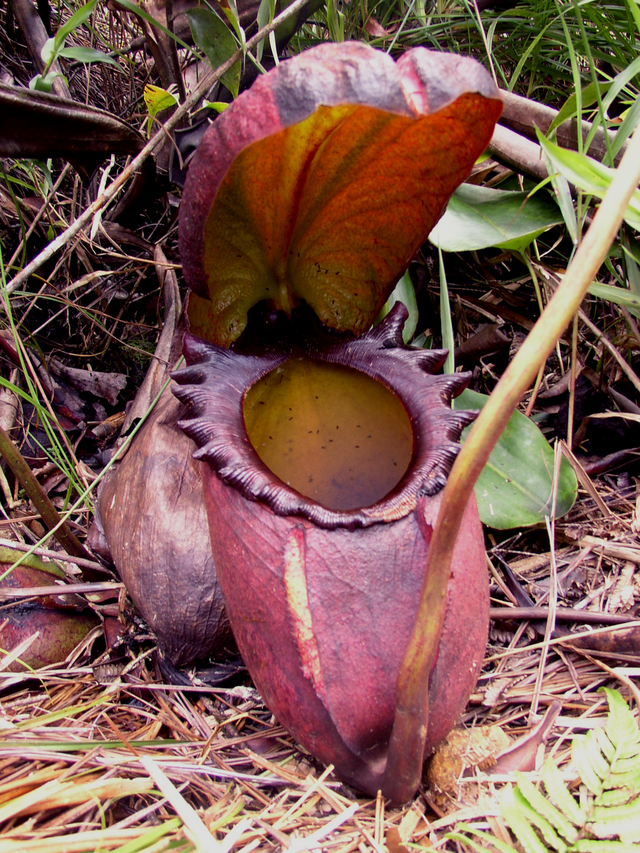
Nepenthes rajah, endemic to limited Malaysian regions, demands exceptional humidity (85%+) and temperature stability.
Outside terrarium setups, room-wide humidifiers maintaining constant 85% humidity are recommended. This species is sensitive to water hardness—distilled or RO water for misting is preferable to tap water.
Conclusion
Nepenthes cultivation revolves around one principle: humidity management. Maintaining stable 70%+ humidity enables successive beautiful pitcher formation, unlocking Nepenthes' true charm. Implementing the humidity techniques, soil recipes, and seasonal calendar detailed here opens the door to a deeply rewarding carnivorous plant experience.