Introduction to Mini Greenhouses for Carnivorous Plants | Types, Growing Conditions, and How to Choose Equipment
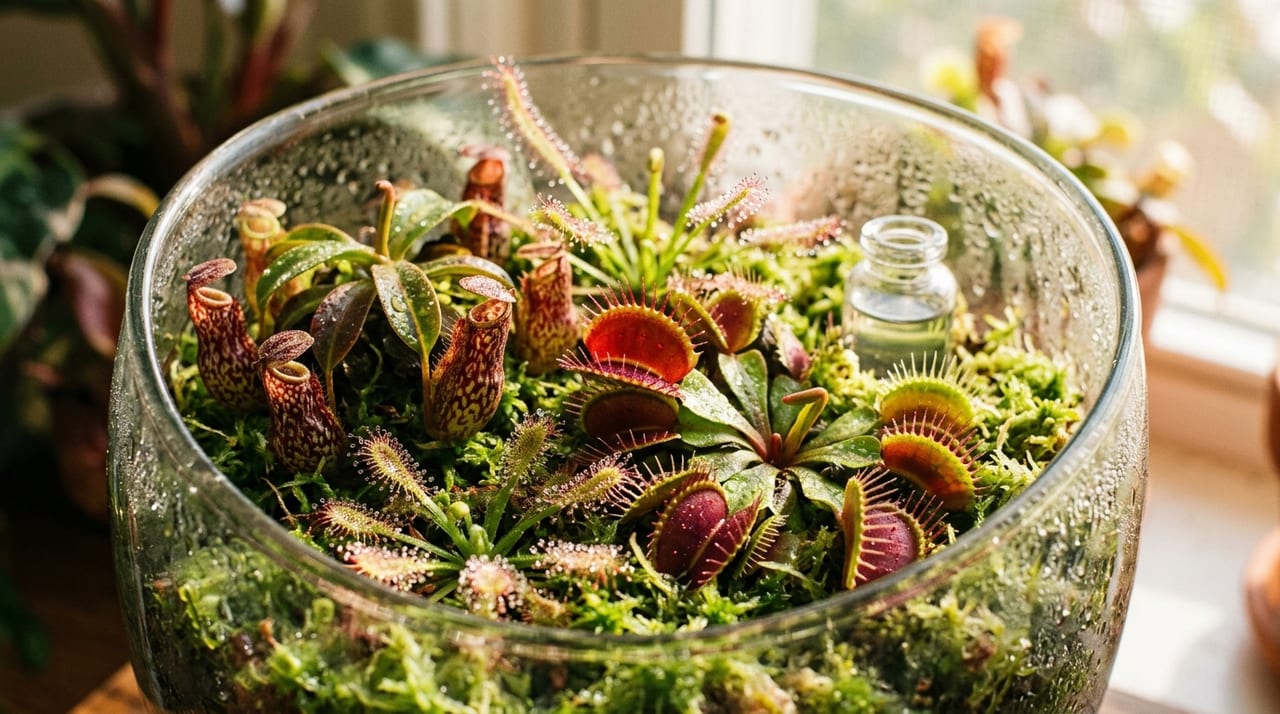
Essential knowledge for growing carnivorous plants in mini greenhouses and terrariums. A beginner's guide to choosing the right greenhouse type for pitcher plants, sarracenias, and sundews, along with temperature and humidity management, and lighting selection.
Key Takeaways
Essential knowledge for growing carnivorous plants in mini greenhouses and terrariums. A beginner's guide to choosing the right greenhouse type for pitcher plants, sarracenias, and sundews, along with temperature and humidity management, and lighting selection.
Related Species
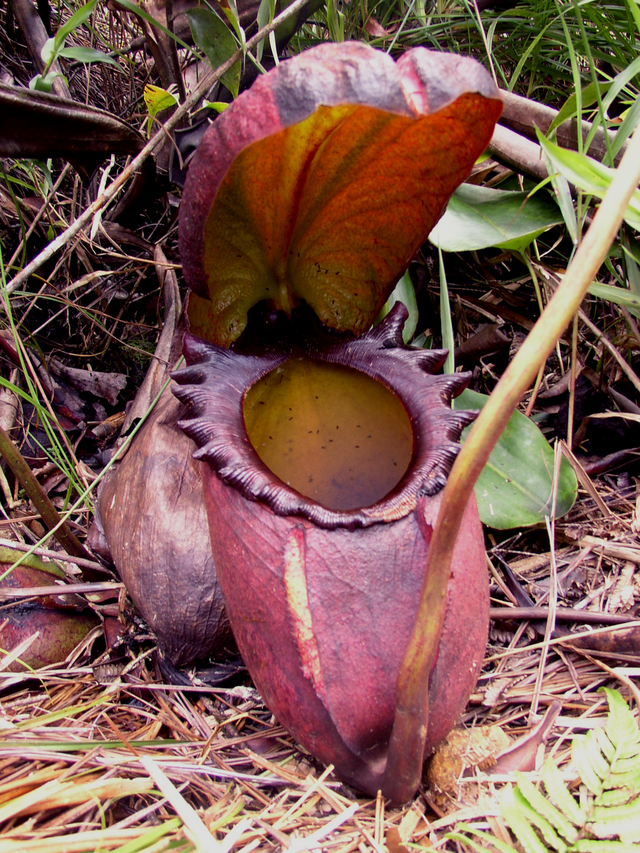
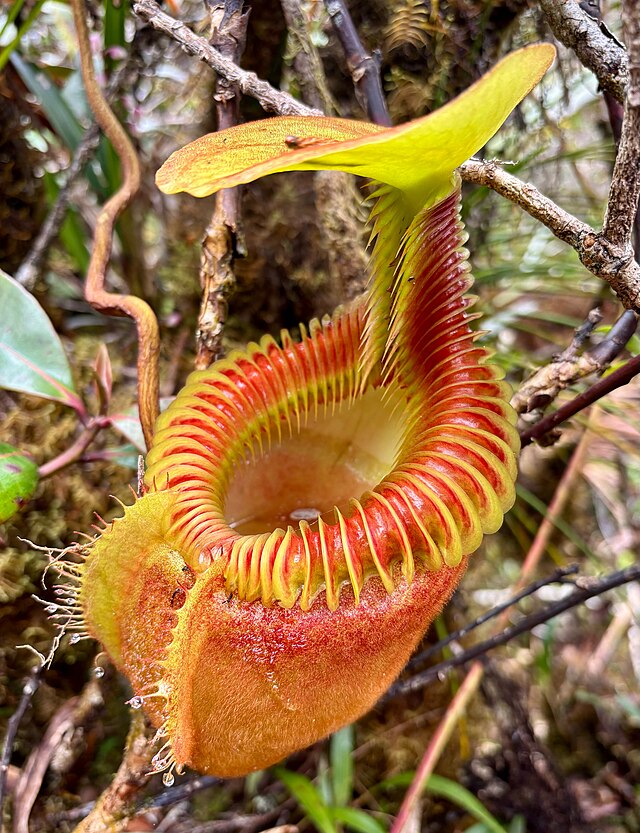
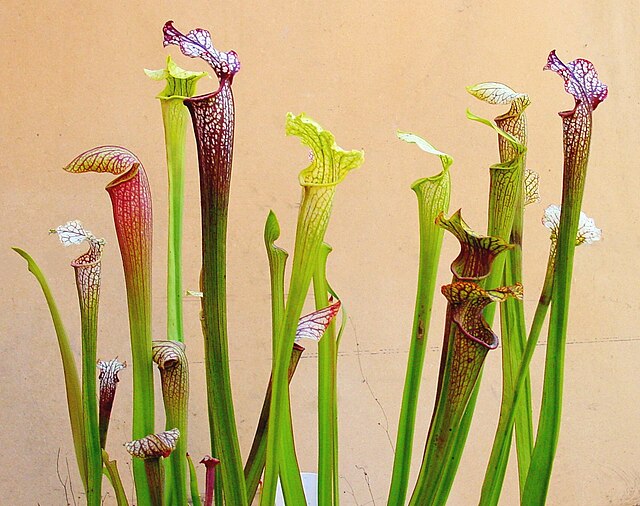
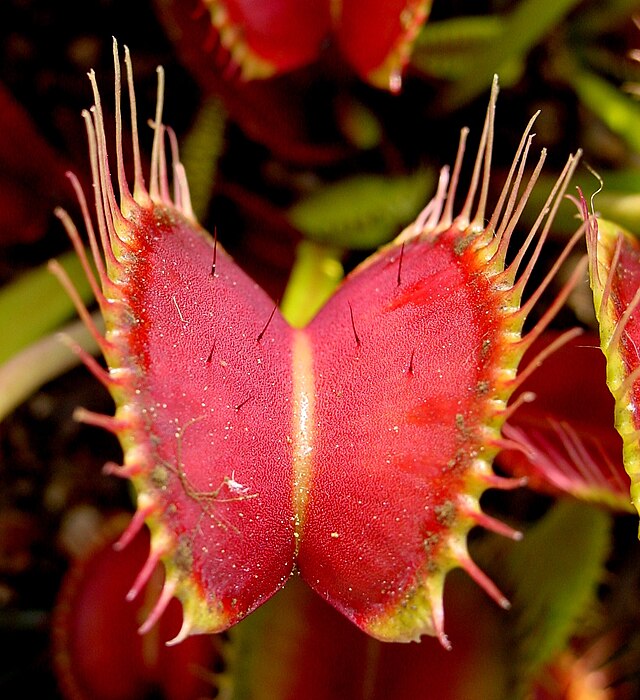
Carnivorous plants are adapted to specialized natural environments such as wetlands, tropical rainforests, and alpine wetlands. Since they require very different care from typical houseplants, growing them in dedicated mini greenhouses or terrariums (enclosed containers) makes management much easier.
This time, we'll explain the fundamentals of growing carnivorous plants in greenhouses from a beginner's perspective.
Why Mini Greenhouses Are Effective
Environmental conditions required by most carnivorous plants:
- High humidity (60–90% or higher)
- Clean water (distilled water, rainwater, or purified water)
- Stable temperature range (varies by species)
- Adequate light
Typical indoor environments in Japan tend to be dry, and especially in winter, humidity can drop to 30–40%. This is excessively dry for many carnivorous plants, particularly tropical Nepenthes (pitcher plants).
Using a mini greenhouse maintains a humid environment isolated from outside air, and reduces the impact of temperature fluctuations.
Major Carnivorous Plants and Their Ideal Growing Conditions
Nepenthes (Pitcher Plants)
Preferred environment:
- Temperature: 25–30°C during the day, 15–22°C at night (highland species require 10–15°C at night)
- Humidity: 70–90%
- Light: Bright indirect light or plant-specific LED (sensitive to direct sunlight)
Management in mini greenhouses: Maintain high humidity using highly sealed cases or acrylic boxes. Highland species such as Nepenthes villosa and Nepenthes rajah are difficult to manage during cold periods and may require cooling (low-temperature management) using air conditioning or ice packs.
Sarracenia (North American Pitcher Plants)
Preferred environment:
- Temperature: Around 30°C in summer, dormancy in winter (0–10°C)
- Humidity: Moderate humidity is fine (50–70%)
- Light: Prefers strong direct sunlight
Management in greenhouses: Sarracenia are relatively hardy and can be grown outdoors in sunny locations. Since they tolerate cold winters and require dormancy, in many cases the greenhouse is used only in summer to ensure adequate light and humidity.
Drosera (Sundews)
Preferred environment:
- Temperature: Varies by species (tropical species 25–30°C, temperate species 10–25°C)
- Humidity: High (60–80%)
- Light: Bright location
Management in greenhouses: Compact drosera can thrive in desktop-sized mini cases. Management is simplified when used with the watering tray method (placing the pot on a tray filled with water).
Venus Flytrap (Dionaea muscipula)
Preferred environment:
- Temperature: 20–28°C (winter dormancy around 5°C)
- Humidity: 50–70%
- Light: Prefers direct sunlight
Management in greenhouses: Strong light and proper watering (watering tray method) are more important than high temperature and humidity. Winter dormancy is essential; failure to provide dormancy can cause the plant to weaken and die.
Types of Mini Greenhouses and How to Choose
Acrylic Boxes and Sealed Cases
Easy to maintain high humidity. Available in many sizes, from compact desktop models to large ones.
Advantages: Easy to clean, affordable, high transparency Disadvantages: Difficult to manage ventilation (requires opening the lid to ventilate)
Commercial Plastic Greenhouses (Flower Stand Type)
Shelf-style frame with vinyl cover. Allows you to manage multiple pots together.
Advantages: Affordable (¥3,000–¥8,000), easy to use Disadvantages: Low airtightness makes it difficult to maintain humidity. Poor insulation.
Glass Greenhouses
Allows for professional-level management. Beautiful as décor with high ornamental value.
Advantages: High stability for humidity and temperature Disadvantages: Expensive (¥20,000+). Larger models require dedicated space.
Humidor (Repurposed Cigar Storage Cabinet)
Highly sealed and easy to control humidity, so it's sometimes used by carnivorous plant enthusiasts. Particularly well-suited for growing small Nepenthes.
Lighting Inside the Greenhouse
When natural light doesn't reach inside the greenhouse, use plant-specific LED lighting.
Selection tips:
- Color temperature: Neutral white to daylight (5,000–6,500K) is effective for plant photosynthesis
- Light intensity (PPFD): Most carnivorous plants prefer moderate light (100–400 μmol/m²/s)
- Lighting duration: Set timer for 10–14 hours per day
Managing Temperature and Humidity
Place a digital thermohygrometer inside the greenhouse and monitor constantly.
If humidity is too low:
- Mist water using a spray bottle
- Use an ultrasonic humidifier (compact models available)
- Place a water-filled container inside the greenhouse
If humidity is too high (over 90%):
- Open vents for ventilation
- Be careful with management as rot and discoloration may increase
Summary
Growing carnivorous plants in mini greenhouses can be enjoyed by beginners with proper equipment and basic knowledge. We recommend starting with easier-to-manage species like Drosera and Venus Flytrap using small cases, then progressing to more challenging species like Nepenthes as you gain experience. Since water quality is also important, we suggest checking the Complete Guide to Watering Carnivorous Plants as well for peace of mind.