Complete Guide to Propagating Orchids|Division, Keiki, and Meristem Culture
Explains orchid propagation methods including division, keiki (aerial plantlet) removal, back bulb forcing, and meristem culture. Introduces optimal propagation techniques for each orchid type such as Phalaenopsis and Dendrobium.
Key Takeaways
Explains orchid propagation methods including division, keiki (aerial plantlet) removal, back bulb forcing, and meristem culture. Introduces optimal propagation techniques for each orchid type such as Phalaenopsis and Dendrobium.
Related Species
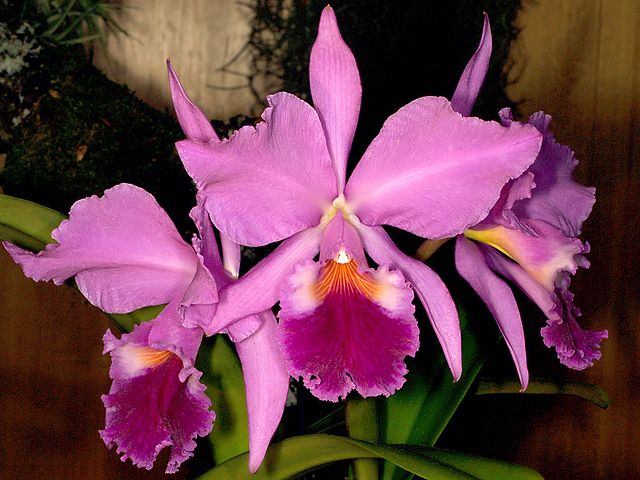
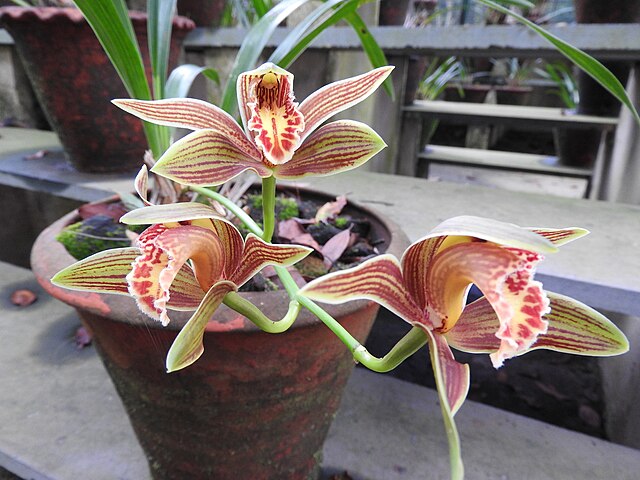
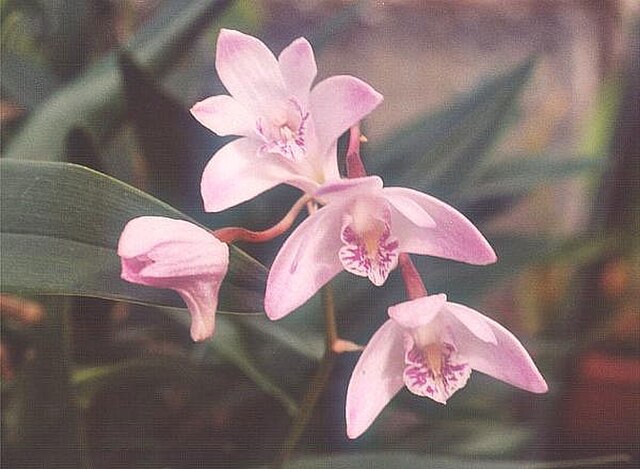
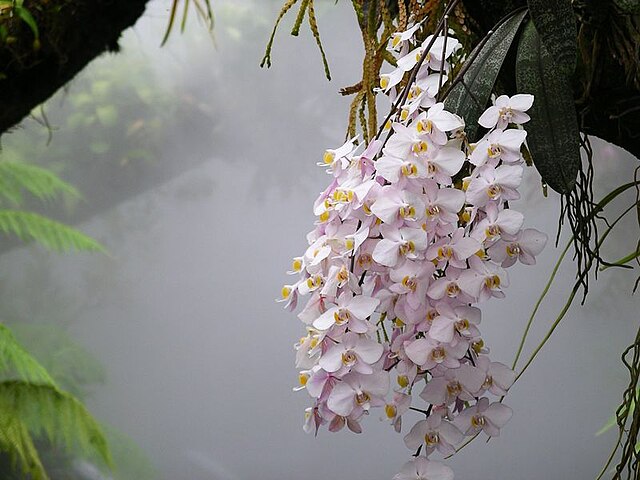
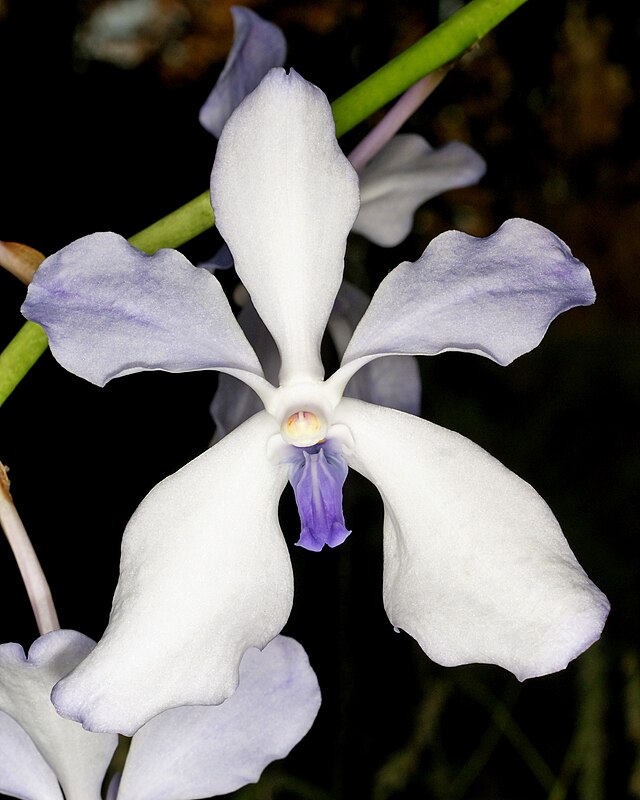
Orchids are beloved beautiful flowers enjoyed worldwide, but many feel "propagation seems difficult." Actually, if you understand the right method and timing for your orchid type, even beginners can propagate plants with their own hands. This article explains in detail the four main propagation methods—division, keiki (aerial plantlet) removal, back bulb forcing, and meristem culture—along with their characteristics and procedures.
Choose your propagation method by orchid type
Orchids fall into two main categories: "sympodial" orchids with multiple pseudobulbs developing horizontally, and "monopodial" orchids with a single stem growing upward. This distinction directly determines which propagation method is most suitable.
- Sympodial orchids: Cattleyas, Dendrobiums, Cymbidiums, etc. → Division and back bulb forcing are ideal
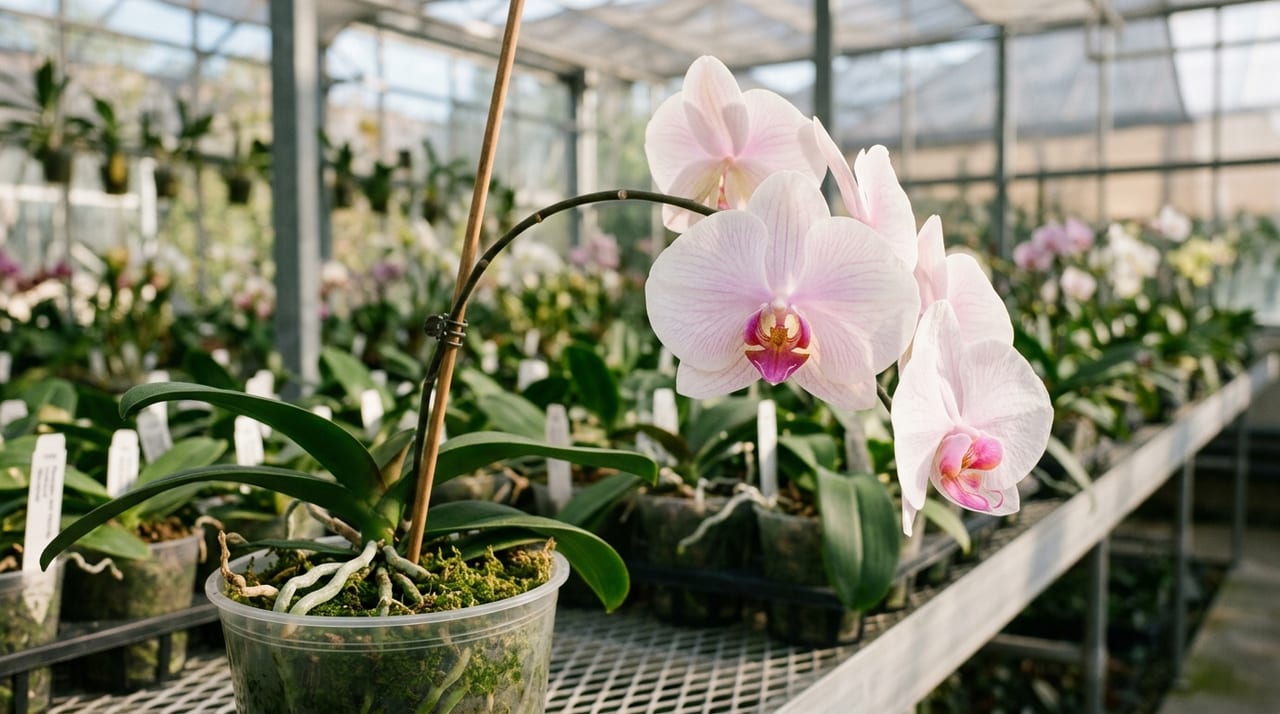
- Monopodial orchids: Phalaenopsis (moth orchid), Vandas, etc. → Keiki removal is the primary method
First, identify which type your orchid is, then select the appropriate method.
Division | The proven method for reliably propagating sympodial orchids
Division is the most suitable propagation technique for sympodial orchids like Cattleyas, Dendrobiums, and Cymbidiums. With high success rates and the ability to create plants that inherit the parent plant's characteristics, it's an accessible method for beginners.
Optimal timing for division
Division works best right after flowering, at the beginning of the growth period. For Cymbidiums, this is spring (March-April); for Cattleyas, around when new shoots emerge. Avoid extreme seasons like midsummer or midwinter, as they cause significant plant stress.
Division procedure
- Remove the entire plant from the pot: Carefully extract it without damaging roots by tilting the pot sideways. Gently remove old sphagnum moss or bark from the roots and check their condition.
- Determine where to cut: Position cuts so each divided section retains at least 3 pseudobulbs. Too few bulbs weakens the plant and delays flowering.
- Use sterilized tools to divide: Always sterilize pruning shears or knives with alcohol or heat before use. Prevent virus and bacterial infection by re-sterilizing the blade between each cut.
- Protect the cut surfaces: Dust cut surfaces with charcoal powder and allow to dry.
- Plant in fresh medium: Repot into clean medium suited to your orchid type—sphagnum moss or bark chips. Avoid planting too deep; position the bulbs' base near the soil surface.
Care after division
For a period after planting, keep in bright, indirect light and avoid direct sun. Water sparingly while new roots establish in the medium. After 2-3 weeks, once you see new growth or root activity, return to normal care.
Keiki | Utilizing natural plantlets from Phalaenopsis
Keiki are small plantlets that develop naturally from nodes on the flower stem or main stem. This occurs in Phalaenopsis (moth orchid) and Dendrobium, and is the primary method for propagating monopodial orchids.
Why keiki develop
Keiki develop more readily when plants are in warm, humid conditions or nutrient-rich environments. With Dendrobiums, over-feeding after flowering can cause plantlets to emerge from nodes. Since this occurs naturally, artificial control is difficult, but optimized conditions can encourage development.
Timing and procedure for removal
Remove keiki when at least 3 roots have developed and each is 5cm or longer. Removing them too early risks the plantlet failing to survive independently. Patience is key.
- Identify where the plantlet's roots meet the stem and cut 2-3cm below from the parent plant
- Apply fungicide to the cut and allow to dry
- Plant carefully into a small pot filled with sphagnum moss, taking care not to damage roots
- Maintain bright, indirect light and high humidity
Well-grown Phalaenopsis keiki may flower within 1-2 years.
Back bulb forcing | Technique for preserving rare varieties
Back bulb forcing involves reusing old leafless pseudobulbs to induce new growth. Success rates are lower, but it's worth attempting when you want to preserve rare or hard-to-obtain varieties.
Procedure
- Separate the old pseudobulb from the parent and allow the cut to dry
- Place it horizontally on moist sphagnum moss (do not pot it)
- Maintain conditions around 25°C with high humidity (a mini greenhouse or sealed container works well)
- New shoots may appear after several weeks to months
Once new growth reaches about 5cm, repot into regular containers and grow normally. Light and temperature management are critical; if the medium dries too much, the bulb will shrivel and fail.
Meristem culture | Mass propagation technique used by professionals
Meristem culture (tissue culture) involves culturing meristem cells in sterile conditions to mass-produce genetically identical clones. Most commercially available Phalaenopsis are produced this way.
Home implementation is not practical
Meristem culture requires sterile chambers, sterile media, and specialized equipment—too difficult to replicate at home. However, this technology ensures high-quality, uniform orchid seedlings are reliably supplied to the market. For consumers, this means access to excellent varieties at affordable prices.
On the other hand, mass-produced meristem seedlings tend to lack individuality and variation. Enthusiasts seeking rare species or specific individuals often prefer plants painstakingly cultivated by dedicated growers.
GrowerDirect's commitment to safety and reliability
Successfully propagating orchids starts with obtaining trustworthy parent plants. Purchasing plants with unclear variety names or unknown cultivation histories risks disappointment—undesired flowers or viral disease spread when propagated.
GrowerDirect is Japan's only platform for direct purchase from specialized orchid growers and growers. All sellers are vetted, reliable producers offering plants with clearly documented variety names, cultivation history, and flowering records.
- Variety accuracy: Only plants where the label variety matches the actual plant are listed
- Healthy plants shipped direct: Eliminating middlemen ensures plants arrive in peak condition
- Grower consultation available: Direct messaging with sellers makes it easy to get advice on propagation and care
- Rich selection of rare varieties: Hard-to-find species and hybrids unavailable in retail stores are featured
Whether you're new to orchid cultivation or a veteran looking to expand your collection, GrowerDirect opens new doors for orchid discovery and learning. Explore our current listings today.