A Complete Guide to Enjoying Orchid Exhibitions and Sales Events | Variety Selection and Post-Purchase Care
A guide to enjoying orchid exhibitions and sales events. Covering practical tips on variety selection, how to identify rare species, and post-purchase environmental acclimatization.
Key Takeaways
A guide to enjoying orchid exhibitions and sales events. Covering practical tips on variety selection, how to identify rare species, and post-purchase environmental acclimatization.
Related Species
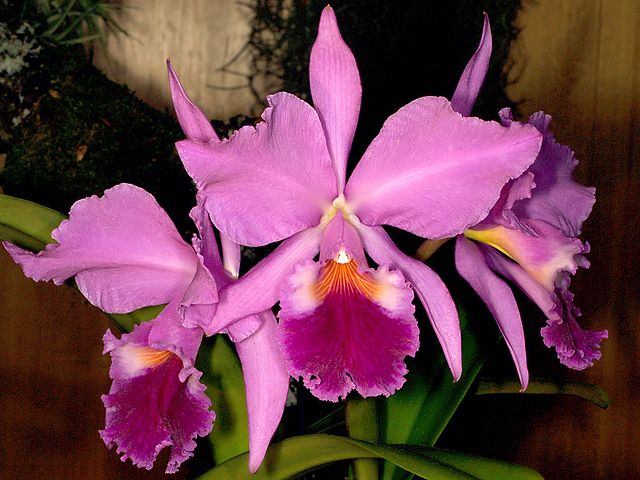
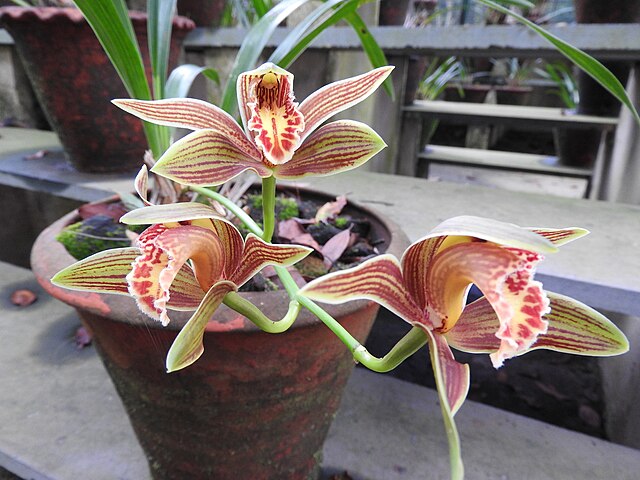
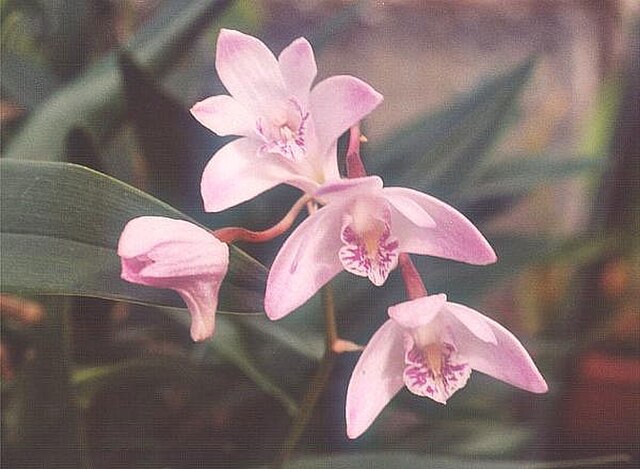
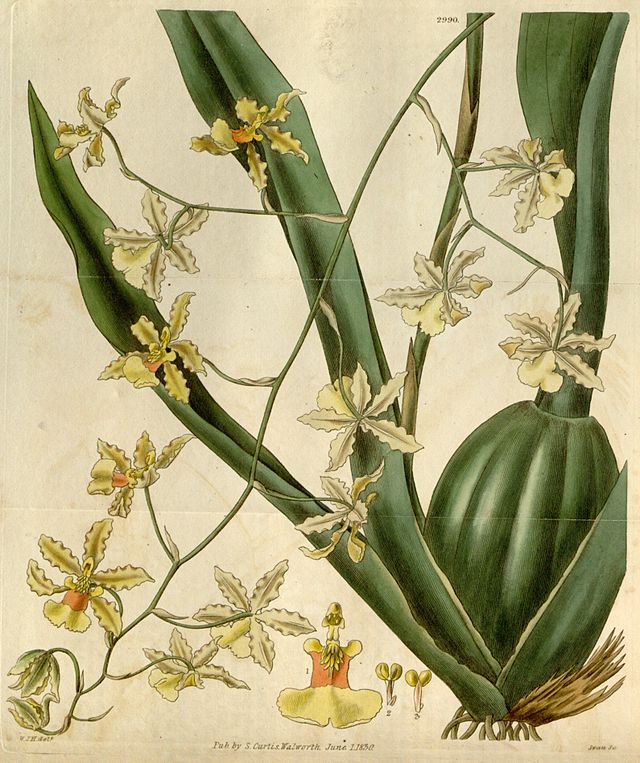
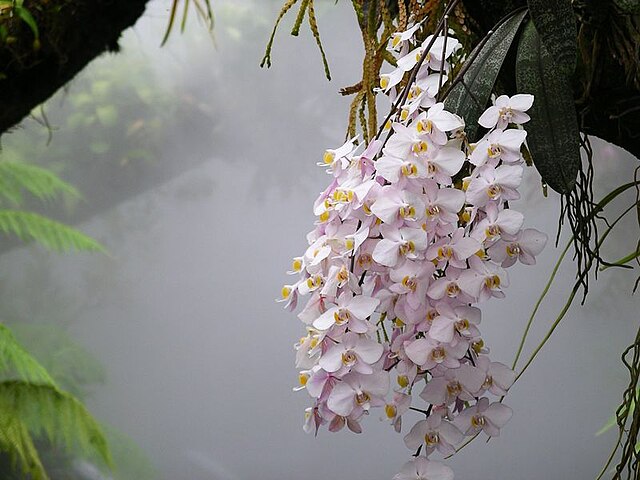
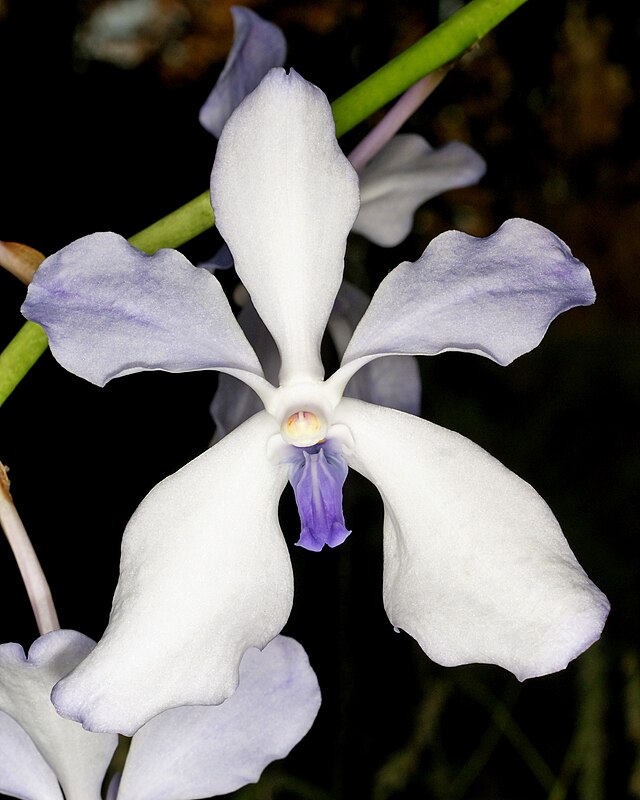
For orchid collectors and beginners alike, exhibitions and sales events are unique experiential venues. Holding flowering plants in hand, learning cultivation tips directly from exhibitors, discovering rare species—such exhibitions open the door to the world of orchids. In this article, we'll introduce how to make the most of orchid exhibitions, from enjoying the events themselves to tips on variety selection and post-purchase care.
Fundamentals and Seasonality of Orchid Exhibitions and Sales Events
Orchid exhibitions are seasonal events that brighten the year. From spring through early summer, and again from autumn through winter, orchid exhibitions bring enthusiasts together across the country.
Spring exhibitions tend to concentrate from March through May. This is the season for new releases in tropical orchids, with nurseries both domestic and international frequently unveiling new hybrids.
Fall exhibitions peak from September through November. Fall and winter-blooming orchids such as Cymbidiums and Dendrobium kingianum often take center stage, and this period also sees an increase in entries from individual collectors.
During autumn and winter sales events, large venues often feature well-stocked direct-sales sections from nurseries, while regional small-scale exhibitions (organized by local orchid societies) are also worth attending. The appeal of these smaller events lies in close proximity to local growers and the opportunity to gain cultivation tips directly.
Variety Selection and Purchasing Tips at Events
Choosing which orchid to purchase is a common dilemma for beginners. Understanding the differences between exhibitors (nurseries) is a good starting point.
It's important to understand the differences between large-scale nurseries and small-scale growers. Large nurseries display many systematically cultivated plants with rich line variations—'backup plants,' 'parent plants,' 'seedlings,' and so on. Conversely, small-scale growers offer the major advantage of being able to discuss in detail how they've cultivated each individual plant.
Here are the key checkpoints to assess on-site.
- Checking root condition — Lift the pot and check whether roots are visible through the drainage holes. Healthy roots are white to pale green. Black roots or those with a slimy coating are red flags.
- Leaf color and luster — Check whether the leaves throughout the plant are vibrant and show clear venation. Fading or yellowing can indicate nutrient deficiency.
- Number of flower spikes — In blooming plants, multiple flower spikes often indicate good environmental adaptation.
- Plant size — Rather than choosing the largest plant, select one that is appropriately sized to flower easily in the next season.
- Questions for the exhibitor — Ask about the plant's history: when it last bloomed, its current location, and its flowering cycle.
Identifying Rare and Species Orchids and Understanding Market Prices
The world of orchids holds the allure of 'rarity.' Even within the same species, certain bloodlines or individual plants command high prices.
Several factors influence rarity.
- Award history — Plants recognized by official orchid registries may produce rare mericlones (micropropagated tissue-cultured plants) carrying those genes.
- Availability of wild-type species — Wild Paphiopedilum species and certain South American Cattleya species are often protected by CITES (Convention on International Trade in Endangered Species), limiting availability.
- Origin of limited-stock plants — Plants created by specific growers become sought-after among collectors.
Use the following as a pricing reference.
Typical flowering plants priced at roughly ¥3,000–¥5,000 are usually widely available hybrid varieties. Phalaenopsis (moth orchids) and Dendrobium Nobile-type hybrids fall into this category.
In the ¥15,000–¥30,000 range, you'll find mature plants that have taken years to develop, plants with specific bloodlines, or varieties known for fragrance. Large-flowered Cattleyas and premium Vandas occupy this tier.
Prices above ¥50,000 are fairly considered collector-grade. These include wild-type species and parent plants of limited-edition varieties.
Featured Varieties and Encouragement to Explore Reference Resources
For orchid varieties you encounter at exhibitions, we recommend consulting plant reference resources to deepen your knowledge after you return home.
Phalaenopsis (moth orchids), a perennial favorite at exhibitions, offer learning opportunities for beginners and advanced growers alike through detailed care guides and information on their characteristics. Cattleyas, equally popular at exhibitions, are called the 'Queen of Orchids' for their beauty. Learning their bloom timing and light requirements in advance significantly increases your success rate at home.
Dendrobiums shine at fall and winter exhibitions, with Nobile-type varieties displaying spectacular flower spikes. Vandas are characterized by pendant cultivation, and seeing how they're styled dramatically at exhibitions will inspire ideas for maximizing space in your home.
Paphiopedilums (Lady's Slipper Orchids) are notable for their distinctive pouch-shaped lips. Comparing species with hybrids reveals the history of hybridization. Additionally, Oncidiums produce abundant small, showy flowers and are relatively easy to cultivate, making them ideal candidates for purchase at exhibitions.
Rare Jewel Orchids are prized for their beautiful foliage and leaf venation more than their flowers. Exhibitions often showcase them with backlighting to highlight the leaves, drawing visitors into their unique aesthetic. Learning about humidity management and light adjustment beforehand will enhance your satisfaction with cultivating them.
Post-Purchase Shipping Stress Management and Care
After acquiring your dream orchid at an exhibition, recovering from shipping or transport stress is essential.
Immediately after arrival, place the orchid in a dim location for 24 hours. Rapid temperature or light changes hinder acclimatization to its new environment. Avoid placing it in a brightly lit window right after unpacking.
The next step is checking the roots and watering. Lightly assess the pot's soil condition. If dry, mist lightly; avoid soaking completely, as this risks root rot.
Allow approximately two weeks for environmental acclimatization. This period bridges the gap between the exhibition's humid environment and your home's drier indoor climate. Maintain higher humidity using a humidifier or placing a humidity tray near the plant, gradually acclimating it to your home conditions.
If the plant is blooming, avoid additional stress by leaving the flowers intact. Enjoy them as they are, and consider removing the flower spikes or repotting only after blooming has naturally finished.
Beginner Tips for Maximizing Your Exhibition Experience
First-time exhibition visitors will gain much more by approaching with these mindsets.
Prepare in advance by setting a goal before visiting. Having a specific purpose—such as 'experience the fragrance of Cattleyas' or 'ask about Dendrobium care'—reduces hesitation and makes conversations with exhibitors more natural.
Use your smartphone's note-taking app to record details about plants of interest on the spot—variety name, exhibitor name, price, and cultivation tips. This makes decision-making much easier when you get home.
Engage in conversation with exhibitors. Orchids reflect the personality and experience of their growers. Ask directly, 'How do you get this plant to bloom?' and most growers will happily share. Their advice often contains practical insights not found in books.
Avoid over-purchasing. Taking home multiple plants from a single exhibition can lead to management challenges and plant loss. Start with just one or two plants you absolutely must have, build your cultivation skills with confidence, and consider additional purchases at future exhibitions. This measured approach is key to enjoying orchid cultivation long-term.
With each exhibition visit, you'll gradually develop an eye for the distinctions between varieties and color variations. Each spring and autumn, orchid enthusiasm converges across venues nationwide. We encourage you to visit, discover rare varieties, and fully enjoy learning cultivation techniques.