Complete Guide to Growing Cattleyas | Complete Management to Bloom the Queen of Orchids
A complete guide to growing Cattleyas, the queen of orchids. Learn seasonal watering and fertilizing schedules, light requirements and temperature differential management for blooming, sheath handling, pseudobulb health management, and timing for division.
Key Takeaways
A complete guide to growing Cattleyas, the queen of orchids. Learn seasonal watering and fertilizing schedules, light requirements and temperature differential management for blooming, sheath handling, pseudobulb health management, and timing for division.
Related Species

What Are Cattleyas? The Queen of Orchids
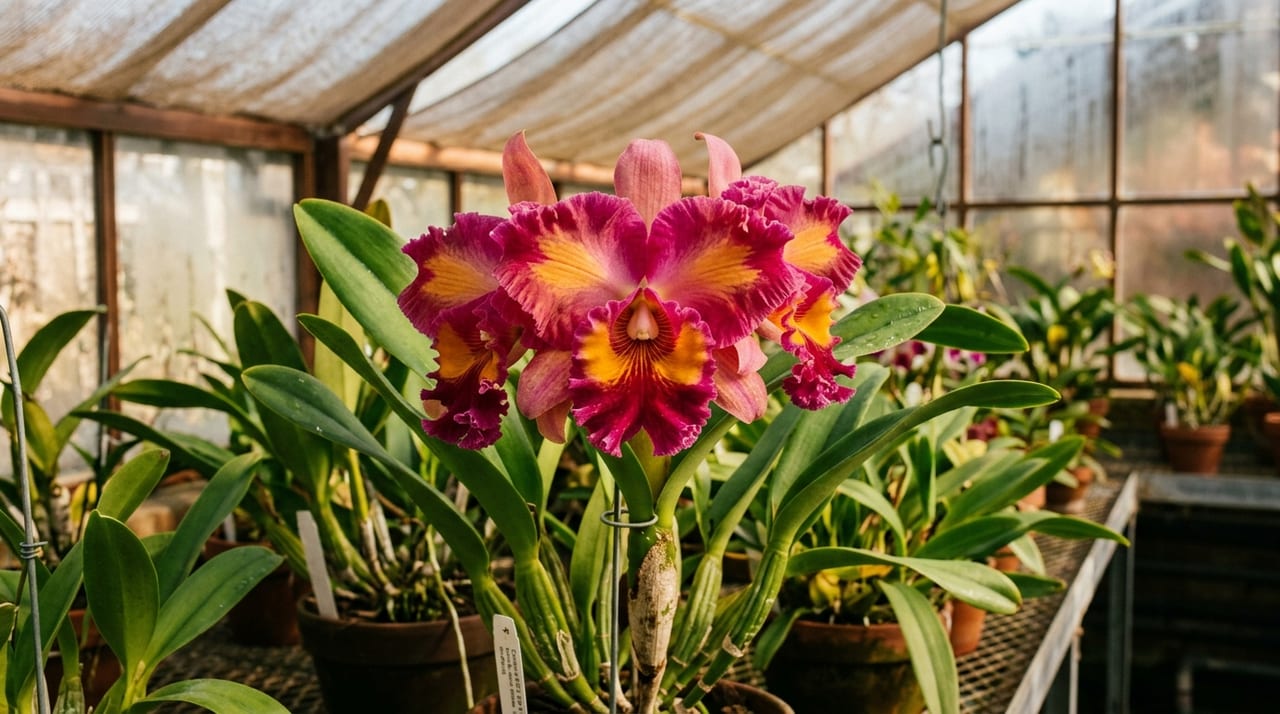
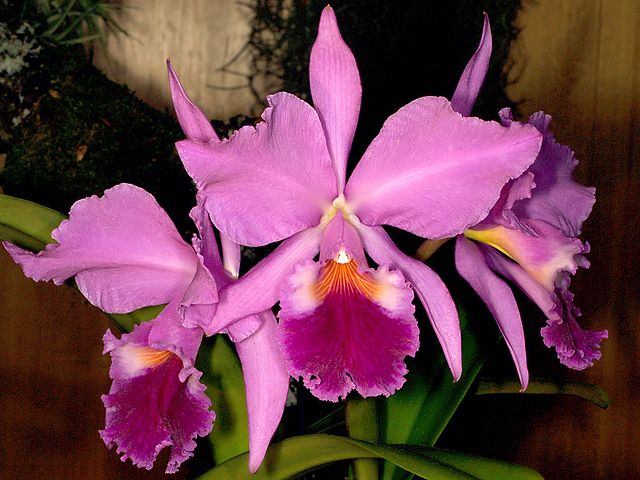
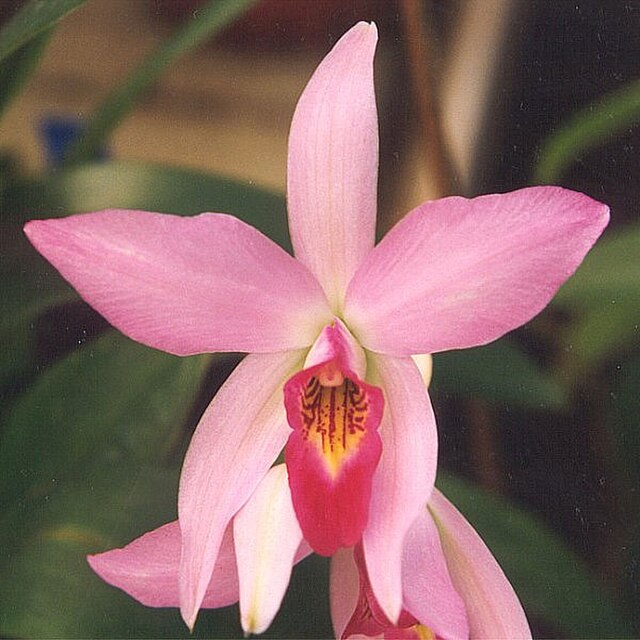
Cattleyas (Cattleya spp.) are epiphytic orchids native to Central and South America (orchids that grow attached to tree trunks or rocks). Known as "the queen of orchids" for their large, gorgeous flowers and sweet fragrance, they display a rich palette of colors—purple, pink, white, yellow, and orange—and have passionate enthusiasts worldwide.
Most plants in modern cultivation are hybrids of related genera known as the "Cattleya Alliance" (including Brassavola, Laelia, and Sophronitis). Hybridization has created even greater diversity in flower form, color, cold tolerance, and blooming time, with many hardy varieties now available for beginners. Understanding the unique structure—where leaves emerge from the top of the pseudobulb (false bulb) and flower spikes extend from the base of the leaves—is the first step to successful cultivation.
Annual Management Cycle
The key to Cattleya cultivation is following their natural rhythm: "develop pseudobulbs during summer, then form flower buds through temperature differentials in fall and winter." Adjusting your care schedule to match this cycle is the most important factor in achieving consistent blooms year after year.
| Season | Primary Care |
|---|---|
| Spring (Mar–May) | Optimal time for repotting. Increase watering and fertilizer as growth begins |
| Summer (Jun–Sep) | Encourage pseudobulb development with strong light, adequate water, and regular feeding |
| Fall (Oct–Nov) | Flower bud formation through temperature differentials. Gradually reduce watering |
| Winter (Dec–Feb) | Flower bud extension and blooming. Maintain minimum 50–55°F (10–13°C) |
The key sign that spring growth is beginning is "new shoot (sheath) activity." When green new growth appears at the base of the pseudobulb, it's time to start actively providing water and fertilizer.
Light and Temperature Management
Among orchids, Cattleyas require particularly strong light. Insufficient light will dramatically reduce flowering, making plant placement critically important.
Light Guidelines
- Spring–Fall: Bright partial shade with 30–50% shade cloth (direct sun causes leaf scorch)
- Winter: Provide as much light as possible (direct sun through south-facing windows is acceptable)
If pseudobulbs are thin and elongated with dark green leaves, this signals insufficient light. Ideal conditions show pale green, thick leaves and sturdy, upright pseudobulbs.
Temperature Management
Maintain minimum temperatures of 50–55°F (10–13°C) or higher. Freezing damage occurs near 32°F (0°C) and is difficult to recover from. Conversely, Cattleyas tolerate warmth well up to around 95°F (35°C), provided air circulation is maintained.
Flower bud formation requires a day-night temperature differential of at least 18°F (10°C). In early fall (September–October), placing plants where daytime temperatures are around 77°F (25°C) and night temperatures drop to 59°F (15°C) or lower promotes bud formation. Moving plants to a patio or sheltered outdoor area during this period alone can dramatically improve results. If managing entirely indoors, even moving plants to a cool windowsill at night will help.
Watering and Fertilizing
The most common mistake in Cattleya care is root rot from overwatering. The fundamental rule is: "Let the medium dry out completely, then water thoroughly."
Watering Frequency
- Growth phase (spring–summer): 1–2 times per week (twice weekly in sunny weather, once weekly in cloudy weather)
- Dormancy phase (fall–winter): Approximately once every 2–3 weeks
The most reliable way to check bark dryness is to lift the pot and judge by weight. Memorizing the difference between a freshly watered pot and a dry one makes the decision easier. When watering, always water thoroughly until it drains from the bottom—this also flushes out stale water and accumulated salts.
Fertilizing
During the growth period (April–September), apply orchid-specific liquid fertilizer 2–3 times per month. Excess nitrogen encourages pseudobulb growth at the expense of flowers, so choose a formula emphasizing phosphorus (P) and potassium (K)—for example, N:P:K ratios of 6:6:6 or 5:10:10. Stop fertilizing from fall onward; do not fertilize in winter. For comparison with fertilizing schedules for other orchids, see Complete Guide to Orchid Fertilizers.
Medium and Repotting
The standard medium for Cattleyas is bark (wood chips). It offers excellent aeration and drainage, matching the needs of epiphytic orchid roots. New Zealand bark (medium to large grade) is the traditional choice, though mixing sphagnum moss or combining with terracotta pots is also effective.
Repotting Timing
Repot every 2–3 years when bark begins to break down. The ideal timing is immediately after flowering (spring) or just before new growth begins. Roots protruding from the pot are also a repotting signal. For detailed information on medium selection and procedure, see Orchid Repotting Guide.
Repotting Steps
- Remove the plant from the pot and carefully remove old bark
- Remove dead roots (brown, spongy roots) with scissors
- Repot in a new terracotta or plastic pot with fresh bark (medium to large grade)
- Position the older pseudobulb side toward the edge of the pot, leaving space for new growth to develop
- Secure with stakes until stable and minimize watering for approximately two weeks to promote new root emergence
Immediately after repotting, roots cannot actively function, so overwatering is easy to do. Until new roots appear, maintain humidity through foliage misting rather than watering the medium.
Common Problems and Solutions
No blooms: Usually due to insufficient light or inadequate fall temperature differentials. Often resolved by simply moving the plant to a patio temporarily in early fall.
Root rot: Caused by overwatering, poor air circulation, or degraded bark. Check roots during repotting and don't hesitate to remove brown, spongy roots.
Leaf scorch: Caused by intense summer sun. Particularly likely if plants are suddenly exposed to bright light; use shade cloth (30–50% shade) to prevent it.
Thin pseudobulbs: Indicates deficiency in light, water, or fertilizer. Review summer care, paying special attention to light levels.
Summary
The key points for successful Cattleya cultivation can be summed up in three areas: "Build strong pseudobulbs in summer with intense light and adequate water," "Form flower buds in fall through temperature differentials," and "Manage winter conditions with lower temperatures and drier medium." By understanding this annual rhythm and reading the plant's signals, you can reliably enjoy the stunning blooms of the "queen of orchids" every year. Once you master these techniques, you'll develop a cultivation expertise that applies to other orchid types as well.