Orchid Repotting Guide | Proper Timing, Steps, and How to Choose Growing Media
A guide to determining when to repot orchids and the correct procedure. Learn the characteristics and uses of growing media such as sphagnum moss, bark, and pumice, how to manage roots, and when to resume watering after repotting.
Key Takeaways
A guide to determining when to repot orchids and the correct procedure. Learn the characteristics and uses of growing media such as sphagnum moss, bark, and pumice, how to manage roots, and when to resume watering after repotting.
Related Species
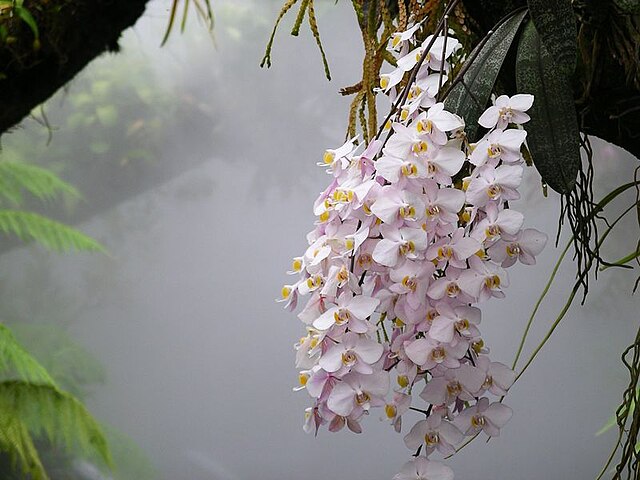
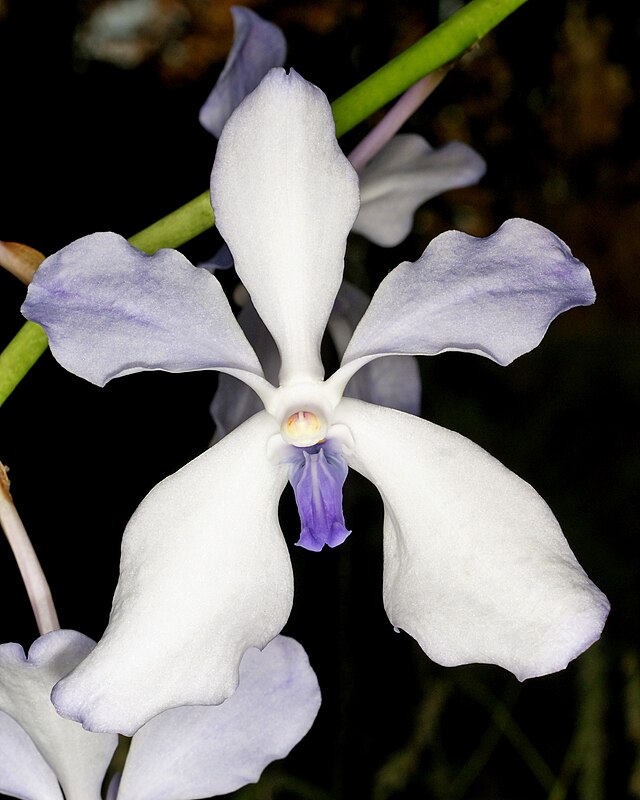
Orchids are known as relatively low-maintenance plants, but regular repotting is essential for keeping them healthy. If you leave the growing media to deteriorate, root rot will progress and your plant will weaken. Conversely, if you repot at the right time with the correct technique, the plant will refresh itself, grow new roots, and build up strength for flowering in the next season.
This article provides detailed explanations ranging from identifying the signs that repotting is needed, to the proper timing, steps, choice of growing media, and post-repotting care. The content is written to be easy to practice even for those growing orchids for the first time, so please use it as a reference.
Identifying the Signs That Repotting Is Needed
Generally, orchids should be repotted once every 2-3 years, but it's important to assess the plant's condition. If any of the following signs appear, it's time to consider repotting.
- Deterioration of Growing Media: If sphagnum moss has darkened and crumbled apart, or if bark has begun to rot and emits a foul smell, replacement is urgently needed. Deteriorated growing media reduces air circulation and drainage, creating an ideal environment for root rot.
- Roots Protruding from the Pot: When roots continuously spread out of the pot and become cramped, it's a sign that the plant needs more space.
- Signs of Root Rot: If the plant wobbles when gently shaken, or if the roots are brown, hollow, and lack elasticity when touched, root rot is progressing. Early treatment is key to plant recovery.
- Poor Drainage: If the pot remains wet long after watering and won't dry out, it's due to clogging in the growing media. Excessive moisture causes significant damage to roots.
If any of these signs are observed, seriously consider repotting.
Proper Repotting Timing by Variety
Orchid repotting has an "optimal period." By timing repotting to coincide with when roots are most active, you can minimize damage to the plant.
The Optimal Period Is Generally "Spring"
For orchids in general, spring (April to May) is the most suitable time for repotting. During this period, when temperatures stabilize and new roots begin to grow, wounds from repotting heal quickly and the plant adapts smoothly to the new environment.
Guidelines by Variety
- Phalaenopsis (Moth Orchid): The ideal time is immediately after flowering ends (spring to early summer). Since root activity is suppressed during blooming, repot after cutting the flower stem.
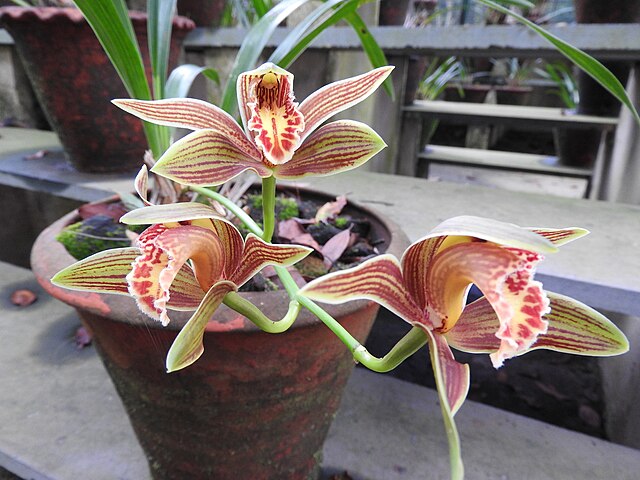
- Cymbidium: March to April, after flowering, is the optimal period. Repotting before new shoots begin to grow ensures smooth subsequent growth.
- Dendrobium: Repot in spring when new shoots begin to sprout. Make sure the pseudobulbs are well-developed before repotting.
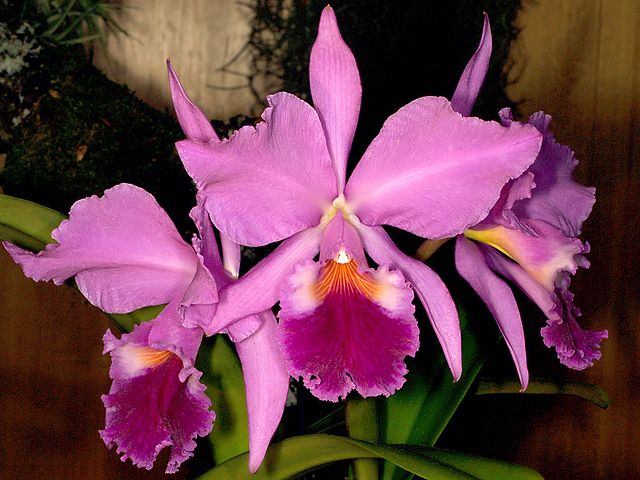
- Cattleya: Spring, when new roots begin to appear, is ideal. Don't miss the timing when root tips are actively growing.
Periods to Avoid
Avoid repotting during summer's high-temperature period (July to August) and winter's low-temperature period (December to February), as root activity is low and wound recovery is slow. Emergency root rot treatment is an exception, but pay special attention to temperature management afterward.
Carefully Reviewing the Repotting Steps
Repotting is not difficult if you follow the steps. The key to success is to calmly and carefully perform each step.
Materials Needed
- New pot (one size larger than the current pot, or the same size)
- New growing media (sphagnum moss, bark, or other media suited to the variety)
- Clean scissors or a cutter
- Fungicide (such as benomyl or charcoal powder)
- Disposable gloves
Steps
- Remove the Plant: Gently press and loosen the outside of the pot while slowly pulling out the plant to avoid damaging the roots. For ceramic pots, it's effective to push up from the pot's base with a thin rod.
- Remove Old Growing Media: Carefully remove sphagnum moss or bark from the roots. If they are tangled around the roots, rinsing with water makes them easier to separate.
- Inspect Root Condition: Healthy roots are white to green and plump with elasticity. Brown, hollow roots or black, rotted roots indicate damage.
- Remove Damaged Roots: Cut damaged roots at the base with clean scissors. Dust the cut with charcoal powder.
- Plant in New Pot: Place pot shards at the bottom of the pot, add a small amount of growing media, then place the plant. Spread the roots in a natural direction while filling in the growing media, and secure the plant so it doesn't wobble.
- Refrain from Watering Immediately After Repotting: The basic rule is not to water for 1-2 weeks after repotting. Allowing the cut root surfaces to dry and close helps prevent rot. During this period, supplement moisture by misting the foliage.
How to Choose Growing Media
Growing media is a crucial element directly linked to orchid growth. Choose media suited to the variety's characteristics and your growing environment.
| Growing Media | Suitable Varieties | Characteristics |
|---|---|---|
| Sphagnum Moss | Phalaenopsis, Dendrobium | High water retention, roots don't dry easily. Beginner-friendly and easy to use |
| Bark (Tree Bark) | Cattleya, Dendrobium | Excellent air circulation and drainage, less prone to root rot. For intermediate to advanced growers |
| Pumice and Red Clay Balls | Cattleya, Vanda | Excellent air circulation. Ideal for managing plants on the drier side |
| Unglazed Pot + Bark | Cattleya (all types) | The pot itself promotes air circulation and drying, effective in hot and humid environments |
For beginners, sphagnum moss is the easiest to use and most recommended. Its high water retention means you need to water less frequently, and you can easily monitor root condition. However, be especially careful not to overwater during the hot, humid summer months.
Post-Repotting Care and Management
Immediately after repotting is a stressful period for the plant. Follow these points to aid recovery.
- Location: For 1-2 weeks after repotting, avoid direct sunlight and keep the plant in bright shade (50-60% shade cloth). Strong light can cause leaf scorch and drying, which damages weakened plants.
- Resuming Watering: 1-2 weeks after repotting, gradually begin light watering. Initially, only moisten the outside of the pot and wait for the roots to acclimate to the new environment.
- Securing the Plant: For 1-2 months until new roots establish in the pot, support the plant with stakes to keep it stable. If roots move, establishment is delayed.
- Resuming Fertilization: When new roots begin to appear at the pot's base, start applying diluted liquid fertilizer (about half the recommended strength) once every 2-3 weeks. Fertilizing immediately after repotting can damage roots, so avoid it.
- Temperature Management: After repotting, an ideal environment is 15-25°C with stable conditions. Sudden temperature changes impede plant recovery.
GrowerDirect's Safe and Secure System
Now that you've mastered orchid repotting, why not try new varieties? On "GrowerDirect," you can purchase healthy plants directly from domestic orchid specialists who have cultivated them with great care.
The reason GrowerDirect is chosen is its highly transparent trading environment where growers and buyers connect directly. Since you can purchase while confirming the seller's profile and cultivation history, you can learn in advance details like "what environment the plant was grown in" and "whether it has already been repotted," which is a major reassurance.
Additionally, we have a support system in place to handle any issues that may arise, so even first-time orchid buyers from growers can confidently make their purchases. Find your favorite plant from a wide selection ranging from rare species orchids and hybrid varieties to rare specimens for collectors.