Orchid Watering Guide | Frequency by Species and Seasonal Tips
Explaining appropriate watering frequency and methods for different orchid species by season. Introduces how to determine watering timing by root color, soaking methods, how to reduce watering in winter, and tips to prevent root rot.
Key Takeaways
Explaining appropriate watering frequency and methods for different orchid species by season. Introduces how to determine watering timing by root color, soaking methods, how to reduce watering in winter, and tips to prevent root rot.
Related Species
The most common failure in orchid cultivation is "root rot." The cause is almost always overwatering (excessive moisture). Unlike typical herbaceous plants, orchids thrive by repeating cycles of drying and moistening. Many wild species that grow epiphytically on tropical trees have adapted to environments where they dry thoroughly after rain, thanks to wind and sunlight. Reproducing these conditions in home cultivation is the key to keeping orchids blooming beautifully.
This article explains everything from basic watering principles, species-specific frequency guidelines, seasonal tips, and how to identify signs of overwatering and underwatering—all in an easy-to-understand format for beginners.
Basic Principles of Orchid Watering
Orchid watering has unique rules that differ from typical houseplants. Let's master these four basic principles first.
"Water Only When Dry" is the Golden Rule
Water the medium (sphagnum moss, bark, etc.) only after it has completely dried. When you think it might be dry, wait another 1-2 days—that's the right timing. If the pot feels light when you pick it up, it's a sign the medium is dry.
Water Thoroughly When You Do Water
Never give small amounts little by little. When watering, give plenty until water flows out of the drainage holes, ensuring the entire medium is saturated. This pushes out stale air and supplies fresh oxygen to the roots.
Always Empty the Saucer
Allowing water to sit in the saucer keeps roots constantly wet, creating ideal conditions for root rot. Always empty the saucer after watering.
Water in the Morning
Watering in the evening or at night causes moisture to accumulate as temperatures drop. Watering in the morning allows excess moisture to evaporate during the day, maintaining a healthy dry-wet cycle.
Watering Frequency Guidelines by Species
Since different orchid species use different media and require different temperature management, watering frequency varies accordingly. Here are guidelines for common species.
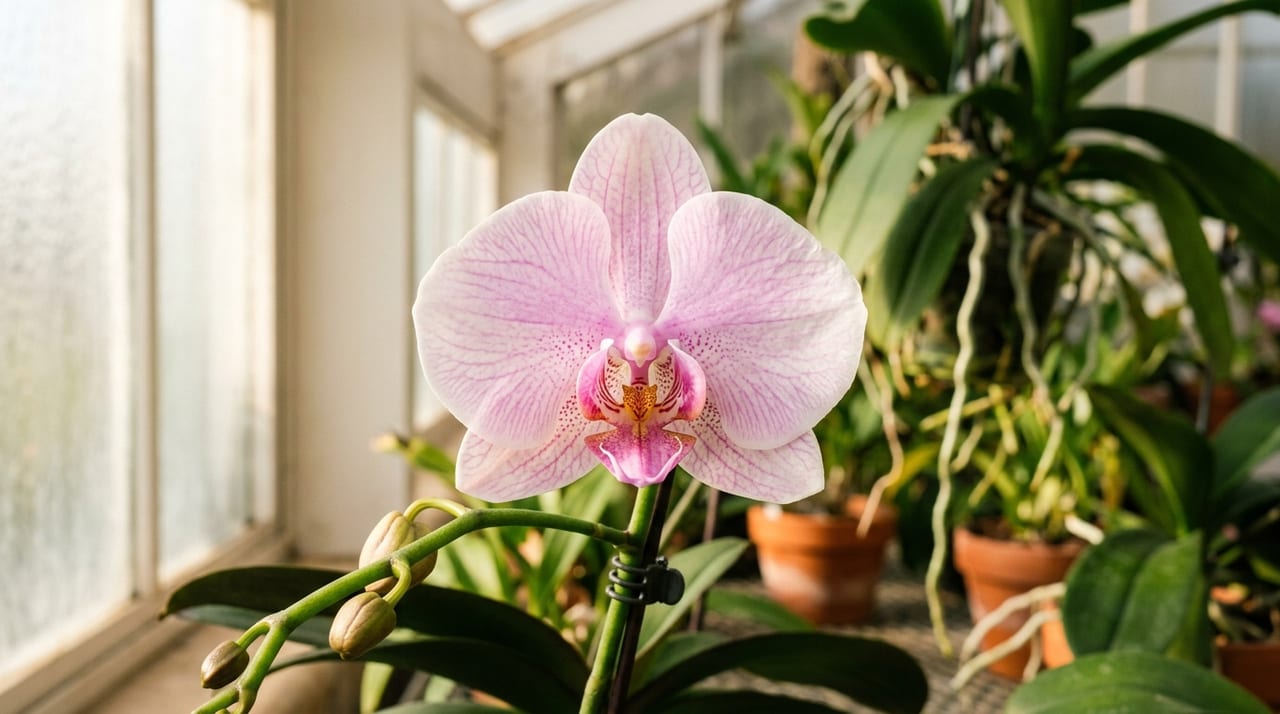
Phalaenopsis (Moth Orchid) - Sphagnum Moss Medium
Phalaenopsis are usually planted in sphagnum moss, which retains moisture well and takes longer to dry.
- Spring-Fall: 1-2 days after the surface dries (approximately once to twice per week)
- Winter: Once every 10-14 days (root activity decreases significantly)
Even if sphagnum moss appears dry on the surface, it may still be moist inside. Inserting a wooden stick to check moisture is also an effective method.
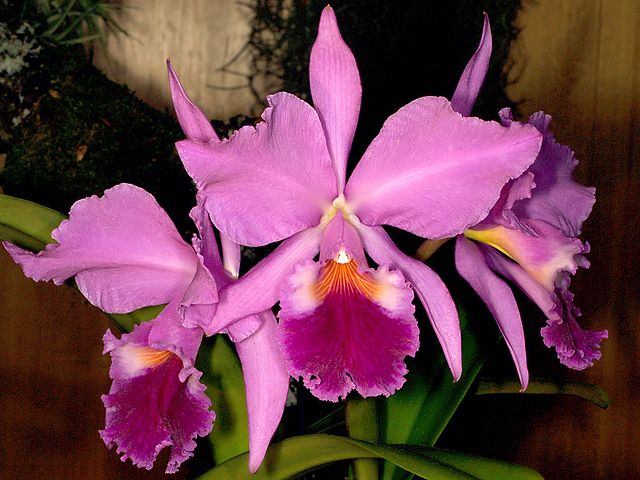
Cattleya - Bark Medium
Cattleyas are typically grown in bark, which has excellent drainage and airflow, so it dries quickly.
- Spring-Fall: As soon as the bark is completely dry (approximately 2-3 times per week)
- Winter: Once every 2-3 weeks (manage on the dry side to encourage dormancy)
Wrinkles appearing on the pseudobulb (the round stem at the base of leaves) indicate insufficient water.
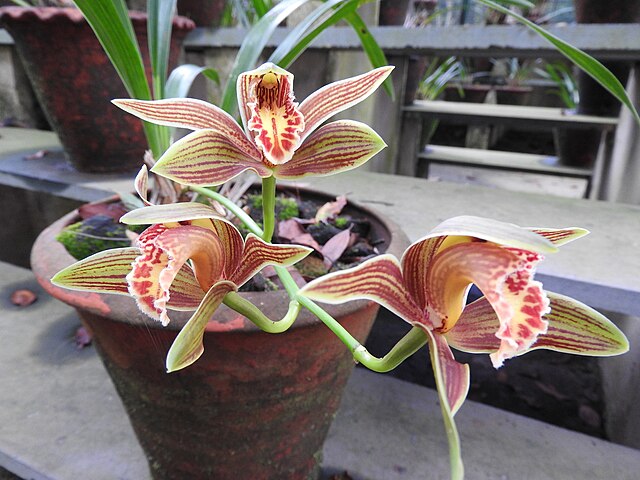
Cymbidium
Cymbidiums have abundant roots and a large volume of medium, so they dry more slowly.
- Spring-Fall: When the surface of the medium is dry (once to twice per week)
- Winter: Approximately once every two weeks (reduce watering significantly if temperatures drop below 5°C)
During the period from fall to winter when flower buds develop, managing the plant on the dry side promotes bud formation.
Dendrobium
Management varies between deciduous and evergreen types. The commonly available Nobile type is deciduous in winter and becomes dormant.
- Spring-Fall: When the surface of the medium is dry (once to twice per week)
- Winter (after leaf drop): Almost no water (once to twice per month; give only a small amount if pseudobulbs become extremely wrinkled)
Seasonal Watering Tips
It's important to adjust your watering rhythm as temperatures and daylight hours change.
Spring (March-May): Start of the Growing Season
As temperatures rise, root activity resumes. This is the time to gradually increase watering that was reduced over winter. Once new growth appears, consciously increase watering frequency. However, suddenly increasing water can stress the roots, so adjust gradually over 1-2 weeks.
Summer (June-August): Hot Season with Increased Transpiration
High temperatures increase plant transpiration, making the medium dry out faster. Conversely, be careful about moisture accumulation during the rainy season and high summer humidity. In air-conditioned rooms, the medium dries more quickly, so misting the leaves is beneficial. Remember to shade the plant from intense direct sunlight.
Fall (September-November): Critical Period for Flower Bud Induction
For most orchids, fall is the season that triggers flower bud formation. For some species, managing on the dry side during this period promotes bud differentiation. For Phalaenopsis, a temperature difference between day and night (15°C or more) and slightly reduced watering are key to inducing flowering.
Winter (December-February): The Season to Most Carefully Manage Water
As temperatures drop, root activity reaches its minimum. Water uptake decreases significantly, so overwatering easily leads to root rot. "Minimize watering" is the watchword. In winter, use room-temperature water (not too cold) to reduce damage to the roots.
Identifying Signs of Overwatering and Underwatering
To determine the right watering time, it's important to read the signals your plant sends.
Signs of Overwatering
- Roots turn brown or black and feel mushy when touched
- Leaves yellow and drop progressively
- The plant wobbles (rotted roots lose anchoring strength)
- The medium remains constantly wet
- A foul smell develops (indicating active root rot)
If overwatering is suspected, remove the plant from the pot and trim away rotted roots with clean scissors. Allow the cut surfaces to dry, then repot in fresh medium—recovery is often possible.
Signs of Underwatering
- The leaf surface becomes wrinkled
- New growth and new leaves wilt
- Pseudobulbs show prominent wrinkles
- Roots become thin, white, and lose turgidity
For a dehydrated plant, don't suddenly water heavily. Instead, mist the leaves and roots first, observe the plant, and return to normal watering the next day to minimize stress.
Watering Methods and When to Use Them
There are several watering methods, and using them appropriately for different species and media is effective.
- Overhead watering: The standard method. Distributes water evenly over the plant and throughout the medium. Be careful during flowering as water on flowers can cause damage
- Soaking (bottom watering): Submerging the pot in water for a period of time. Effective when sphagnum moss has completely dried; allows slow, thorough water absorption. Soak for 15-30 minutes
- Foliar misting: Misting leaves helps maintain humidity and provides moisture absorption through the leaves. Avoid misting flowers directly, as this can cause spotting and damage
GrowerDirect's Safety and Peace of Mind
Since management methods vary significantly by orchid species, it's important to confirm at purchase whether a species suits your environment and what the specific care requirements are.
GrowerDirect is a platform where you can purchase orchids directly from producers and specialist growers. Since you can message sellers directly, you can resolve specific questions on the spot, such as "I grow indoors with low light—will this species work?" or "What's the winter watering frequency for this plant?"
Because GrowerDirect deals directly with growers, you can get detailed care advice that mass retailers can't provide while acquiring healthy plants. If you're uncertain about orchid care, please visit GrowerDirect's orchid category to find the perfect plant for your growing environment.