Orchid Growth Cycles and Blooming Periods Explained by Species
Orchid growth cycles vary by species and take months to years to bloom. We explain the growth stages and tips for reblooming of phalaenopsis, cattleya, and dendrobium orchids.
Key Takeaways
Orchid growth cycles vary by species and take months to years to bloom. We explain the growth stages and tips for reblooming of phalaenopsis, cattleya, and dendrobium orchids.
Related Species
Orchids are among the most diverse plant groups on Earth, with over 25,000 species worldwide. Known as the "Queen of Flowers" for their beauty, they are beloved ornamental plants around the globe. However, when growing them yourself, many people face challenges such as "flowers rarely bloom" or "once the flowers fall, they won't bloom again."
The key to successful orchid cultivation is understanding the growth cycle correctly for each species. By managing orchids in harmony with their natural rhythm, you can enjoy stable blooming every year. This article focuses on three popular species—phalaenopsis, cattleya, and dendrobium—and explains in detail their growth stages and the path to blooming.
Phalaenopsis (Moth Orchid) Growth Cycle
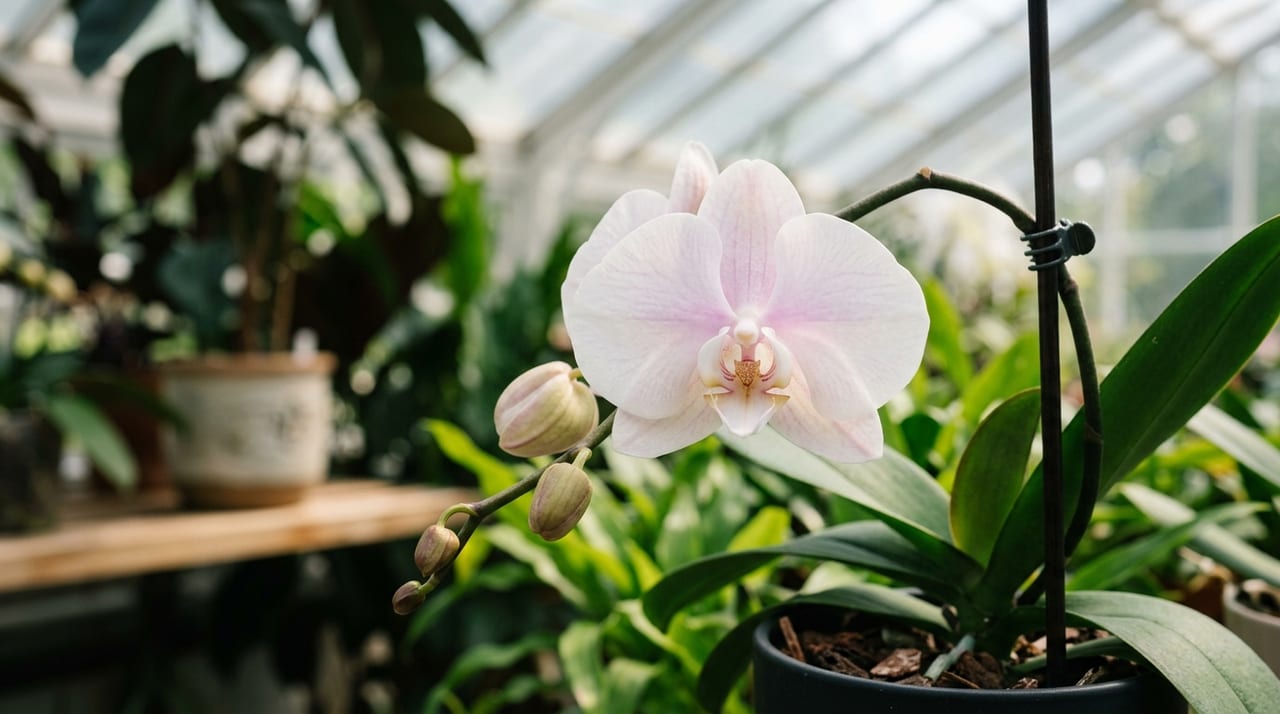
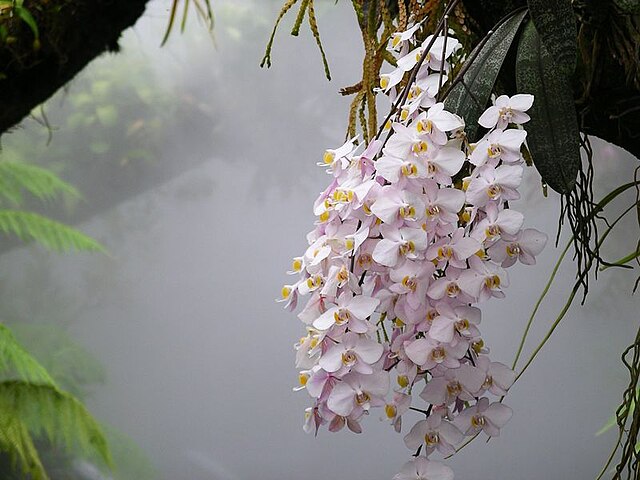
Phalaenopsis is an epiphytic orchid native to tropical Asia, growing on tree trunks and rocky surfaces. It is widely distributed domestically as a gift plant and is popular as a relatively beginner-friendly species. Basic care instructions are summarized in Phalaenopsis Complete Care Guide.
Leaf and Root Growth Period (Spring–Summer)
Phalaenopsis grows most vigorously from spring through summer. A healthy plant develops new leaves at a rate of one leaf every 1–2 months, with an ideal state being 4–6 leaves at all times. At the same time, roots grow actively, and white, plump roots often extend beyond the pot. This is a healthy sign, not root rot.
During this period, provide adequate light, water, and fertilizer, and focus on building up the plant. Plants without sufficient leaf and root development will have difficulty forming flower buds in the fall and beyond.
Flower Bud Formation (Fall)
Cool temperature exposure is essential for phalaenopsis flower bud differentiation. When fall arrives and nighttime temperatures drop below 18°C, flower spikes begin to emerge from the base of the plant. The larger the day-night temperature difference, the more easily flower buds form. Placing plants outdoors or by a window in October–November to expose them to natural temperature fluctuations is an effective method.
However, if temperatures below 10°C persist, plant damage may occur, so careful temperature management is necessary.
Blooming Period (Winter–Spring)
From the appearance of a flower spike to actual blooming takes approximately 2–3 months. Staking and shaping the flower spike as it grows is part of the enjoyment. Once in bloom, the flowers have a remarkably long display period of 1–3 months, allowing one plant to produce dozens of flowers.
Tips for Reblooming
Instead of cutting off the entire flower spike after blooming, leaving 2–3 nodes and cutting above them can result in secondary branches and reblooming. The time to rebloom is typically 3–6 months. However, this puts significant strain on the plant, so for weaker or smaller plants, cutting the spike at the base to give the plant rest is also a good option. Reblooming techniques are covered in more detail in Phalaenopsis Care After Flowering.
Cattleya Growth Cycle
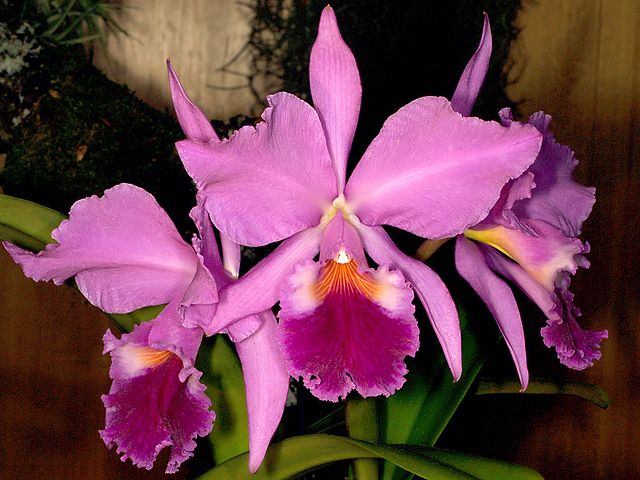
Cattleya is an epiphytic orchid native to Central and South America, characterized by large, showy flowers and a rich fragrance. Known as the "King of Orchids" among Western orchids, it is highly popular with enthusiasts.
Pseudobulb Growth Period (Spring–Summer)
Cattleya grows while storing nutrients in swollen stems called pseudobulbs. New pseudobulbs develop from spring through summer and mature by fall. Whether the pseudobulbs grow sufficiently thick is a critical factor determining that year's blooming.
During the growth period, provide bright light and regular fertilization, with pseudobulb development as the top priority. Insufficient light or fertilizer results in thin pseudobulbs and reduces flowering in the next season. For detailed care instructions, see Cattleya Complete Care Guide.
Sheath Formation and Blooming
Once a pseudobulb matures, a sheath (a cover enclosing the flowers) forms at its tip. Flower buds develop within the sheath and eventually bloom. Depending on the variety, cattleyas bloom in fall, winter, or spring, with one bloom cycle per year being typical.
Some large-flowered varieties produce blooms exceeding 15 cm in diameter, making them strikingly impressive when flowering. Flower longevity varies by variety but typically lasts 2–4 weeks.
Dendrobium Growth Cycle
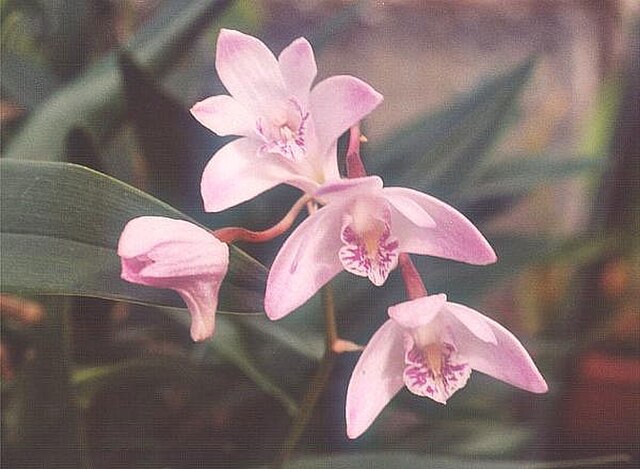
Dendrobium is an epiphytic orchid widely distributed across Asia, characterized by slender, elongated canes (stems). With numerous varieties and both ease of cultivation and flower diversity, it is enjoyed by growers from beginners to advanced enthusiasts.
Cane Growth Period (Spring–Fall)
New canes develop from spring through fall. During the growth period, canes grow at a rate of 5–10 cm per month, and with adequate light, water, and fertilization, they develop into vigorous canes. If canes are thin or short, flower count decreases, so management during the growth period is critical.
Flower Bud Differentiation (Fall–Early Winter)
Cool temperature treatment is essential for dendrobium flower bud differentiation. Exposing plants to 5–10°C temperatures from fall through early winter triggers flower bud formation. Without this cool stimulus, flowers may not form regardless of plant vigor, making this a critical factor.
During this period, minimize watering and maintain drier conditions. This promotes dormancy and allows the plant to build energy reserves for spring blooming. Winter care details are explained in Dendrobium Care Guide.
Blooming Period (Winter–Spring)
Canes exposed to cool temperatures produce flowers at each node from winter through spring. Vigorous canes produce more flowers, sometimes dozens per cane. The variety of flower colors—white, pink, yellow, and purple—is another appealing feature.
Common Reblooming Tips for All Species
While specifics vary by species, the basic principles for achieving stable annual orchid blooms are universal.
- Create temperature differences: Providing a 5–10°C day-night temperature difference in fall triggers flower bud formation. Keeping plants in climate-controlled indoors with minimal temperature fluctuation makes flower bud formation difficult
- Respect the dormancy period: Provide an appropriate dormancy period for each species and reduce watering and fertilization. Uniform year-round care without dormancy exhausts the plant and inhibits blooming
- Prioritize plant vigor: Young and weakened plants struggle to produce flowers. Building strong leaves, roots, and pseudobulbs is the surest path to long-term flowering enjoyment
- Repotting timing: Repotting at appropriate intervals every few years resets the root environment and revitalizes growth. For repotting criteria, refer to Orchid Repotting Guide
GrowerDirect's Safety and Trust Features
Successful orchid cultivation and enjoying annual blooms begins with choosing trustworthy plants. Many inexpensive plants sold commercially have been forced to bloom using flowering accelerants, making reblooming after purchase difficult.
Through GrowerDirect, you can purchase healthy, proven-to-bloom plants directly from specialist orchid growers. Sellers have intimate knowledge of each plant's cultivation history and care methods and can provide specific guidance for post-purchase care.
Since transactions occur through the platform, payment and personal information management are secure. Beginners wondering "How should I grow this?" or "I want to achieve reblooming" have access to a platform where they can consult directly with experts.
By understanding orchid growth cycles and starting with the right plants, you can experience the joy of enjoying beautiful blooms for years to come.