How to Care for Phalaenopsis After Blooming | Tips for Encouraging Re-blooms
Learn how to prune orchid flower stems after blooming, proper care methods, and temperature and fertilizer management to encourage second blooms.
Key Takeaways
Learn how to prune orchid flower stems after blooming, proper care methods, and temperature and fertilizer management to encourage second blooms.
Related Species
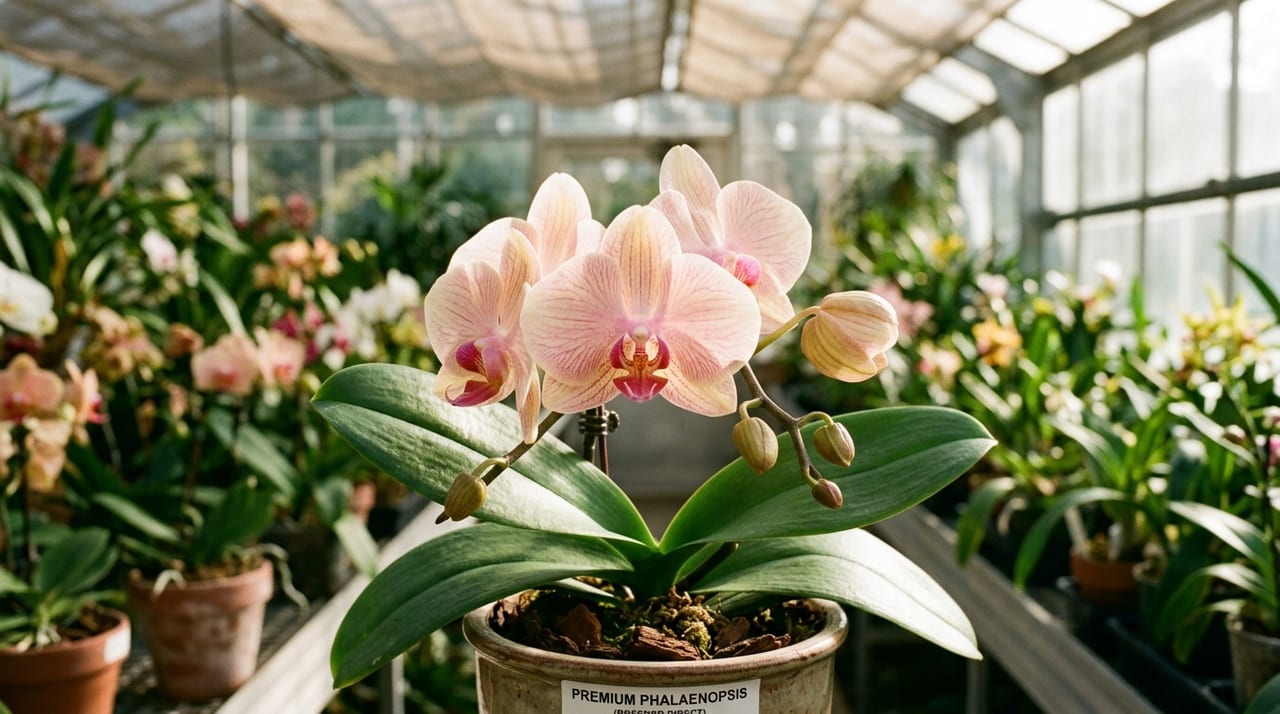
Phalaenopsis orchids are popular as gifts for special occasions, but many people struggle with how to care for them after their flowers fade. With proper management, you can actually enjoy multiple blooms from the same plant. Here, we'll explain post-bloom care and tips for encouraging second blooms.
Signs Your Phalaenopsis Has Finished Blooming
Phalaenopsis flowers typically bloom for 2 to 3 months. When you notice the following signs, blooming is ending.
- Petals become withered and lose their translucency
- Petal color fades
- Flowers naturally fall off
Wait until all flowers have faded before pruning the flower stem.
How to Prune the Flower Stem
There are two pruning options. Choose the method that fits your goal.
Method 1: Cut Above a Node (for Re-blooming) Cut the flower stem approximately 1 cm above the 2nd or 3rd node from the base. This method encourages a new flower stem to emerge from the cut node, resulting in a second bloom. This is recommended if your plant has sufficient vigor.
Method 2: Cut at the Base (to Prioritize Plant Recovery) Remove the entire flower stem at the base. You'll sacrifice the chance of a second bloom, but the plant recovers faster since it doesn't expend energy maintaining the stem. This is recommended for weakened plants or orchids more than 3 years old.
Pruning Precautions Use clean scissors or a knife, and apply a fungicide to the cut. Reused tools risk spreading virus—either sterilize the blade with a lighter or wipe it with rubbing alcohol before use.
Basic Post-Bloom Care
Remove Decorative Packaging Gift phalaenopsis often come wrapped in elegant paper or decorative pots. Remove all of these after blooming. Poor air circulation leads to root rot.
Check Your Pot and Growing Medium Most phalaenopsis are planted in poly pots with sphagnum moss. If the moss looks dried out and deteriorated, consider repotting. However, repotting immediately after blooming stresses the plant—ideally, wait 2 to 3 months before repotting.
Placement Bright, indirect light is best. A window with sheer curtains is ideal, especially east-facing windows, which provide soft morning light.
Tips for Encouraging Re-blooms
Temperature Management is Key Phalaenopsis flower bud formation requires a temperature difference between day and night (75–82°F during day, 59–64°F at night). Placing the plant near a window in autumn (September–November) when natural temperature fluctuations occur promotes bud formation. Keep minimum temperatures above 59°F.
Fertilizer Management Once new leaves begin emerging after blooming, apply a diluted orchid fertilizer (half-strength) about twice monthly. Stop fertilizing once flower buds appear. Use a balanced fertilizer with nitrogen, phosphorus, and potassium.
Watering For moss-potted orchids, water 1 to 2 days after the moss surface dries completely. You can also judge by pot weight—when it feels light, it's time to water. Space waterings further apart during winter.
Timing for Repotting
Determine when your orchid needs repotting.
Repotting is Necessary If:
- Sphagnum moss hasn't been replaced for 2+ years (degraded water retention)
- Roots are protruding from the pot
- Water doesn't absorb into the moss despite watering
- Root rot is present (black, soft roots)
Repotting Steps
- Remove all old moss and rinse roots thoroughly
- Trim damaged roots (black or brown ones)
- Wrap roots in fresh sphagnum moss and pot in an unglazed clay pot
- Reduce watering for 2 weeks after repotting; mist leaves instead
Year-Round Care Schedule
- Spring (March–May): Growth season for new leaves and roots. Begin fertilizing. Keep in bright, indirect light
- Summer (June–August): Vigorous growth. Watch light and ventilation. Continue fertilizing
- Autumn (September–November): Critical flower bud formation period. Take advantage of temperature differences. Stop fertilizing once buds appear
- Winter (December–February): Blooming season. Maintain minimum 59°F. Water sparingly
Varieties That Re-bloom More Easily
Not all phalaenopsis produce second blooms equally. Generally, mini to medium-sized varieties produce side shoots from flower stem nodes more readily, with higher re-bloom success rates. Large-flowered varieties produce fewer flowers but each bloom is impressively large.
Selecting plants with a flowering track record is also important. Plants carefully managed by specialty growers have thicker, more robust stems than budget varieties from garden centers, making second blooms more likely.
Environment Checklist for Successful Re-blooming
Here are key points to verify for encouraging a second bloom:
- Did you cut the stem above the correct node?
- Does your plant have at least 4 healthy leaves?
- Are roots healthy (white to green, firm)?
- Is there a temperature difference of at least 9°F between day and night?
- Is the light level equivalent to filtered sunlight through sheer curtains?
- Are you watering at appropriate intervals?
- Did you avoid fertilizing during blooming?
All these elements together significantly increase your chances of re-blooming. Temperature difference and light are factors you can easily control, so manage them consciously.
Re-blooming Tendency by Phalaenopsis Variety
Re-blooming success varies significantly by variety. Mini to medium-sized varieties produce side shoots readily and have higher re-bloom success rates. Large-flowered varieties produce fewer second blooms but each flower is grandly displayed.
Standard white varieties (like V3 and Amabilis) typically re-bloom fairly easily, but dark-colored or novelty art varieties exhaust the plant's resources more quickly. For these, prioritizing plant recovery often yields better blooms the following year.
Experienced orchid enthusiasts often prune within a week after the final flower opens, rather than immediately when flowers first fade. The stem still contains sufficient nutrients at this stage, which promotes more successful new bud development—experienced growers report higher re-bloom success with this timing.
Long-term Phalaenopsis Care Tips
With proper management, phalaenopsis can thrive for 10+ years. For long-term cultivation, focus on plant health rather than chasing blooms every year.
Specifically, repot and refresh sphagnum moss every 2 years, regularly check root condition, and allow adequate recovery time after blooming. While wanting multiple blooms is natural, giving your plant a rest year results in more total blooms over time.
Find Phalaenopsis at GrowerDirect
At GrowerDirect, you can purchase phalaenopsis directly from specialty growers. Beyond gift-quality orchids, we offer plants suited for long-term home cultivation. You can even consult directly with growers about post-bloom care—that's the GrowerDirect advantage.