Complete Guide to Growing Dendrobium | Autumn Management for Flowering and Year-Round Care
Explains autumn cold treatment, watering restrictions, fertilizer timing, and repotting cycles for year-round dendrobium blooms. Introduces management differences for both Nobile and Phalaenopsis types.
Key Takeaways
Explains autumn cold treatment, watering restrictions, fertilizer timing, and repotting cycles for year-round dendrobium blooms. Introduces management differences for both Nobile and Phalaenopsis types.
Related Species
What Kind of Orchid is Dendrobium?
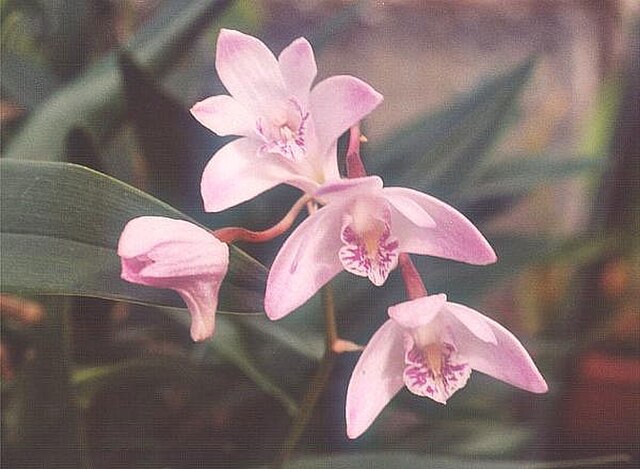
Dendrobium is one of the world's largest orchid genera, with over 1,800 species. Distributed across broad regions including Southeast Asia, Australia, and India, it is characterized by thick, fleshy stems called pseudobulbs (or bulbs) that store moisture and nutrients. Due to this diversity, native climates vary considerably, and cultivation methods differ significantly depending on the type.
The most widely distributed types in Japan are "Dendrobium phalaenopsis types" (year-round flowering orchids) and "Nobile dendrobiums" (blooming in spring all at once, the familiar type in Japan). Nobile types produce stunning flowers year after year when managed correctly, and because they are hardy and easy to grow, they are popular with beginners. A single pseudobulb can produce over 20 flowers, and the spectacle of flowering is unmatched by other orchids. This article focuses primarily on Nobile dendrobiums, explaining year-round management in detail. Learning about differences from phalaenopsis can also serve as a reference when choosing varieties.
Location and Light Management
Dendrobium requires more light than phalaenopsis orchids. Insufficient light causes pseudobulbs to become thin and weak, making flower bud formation difficult. Therefore, location selection holds the key to successful cultivation.
Spring to Autumn (Growth Period) Outdoor semi-shade to bright shade is optimal. An environment receiving 2-3 hours of sunlight in the morning is ideal, and areas like eaves or the top of bright shelves are well-suited. Direct summer sunlight can cause leaf scorch, but using a shade cloth with approximately 50-60% light reduction ensures adequate light safely. For indoor management, choose a south-facing window (through lace curtains), and exposing the plant to outdoor light 1-2 times per week keeps the plant more compact.
Winter (Dormancy and Flower Bud Formation Period) Move indoors to a well-lit window before minimum temperatures drop below 5°C. However, as discussed later, a period of cold temperature stimulus is necessary for flower buds to form, so abruptly moving the plant into a heated room should be avoided.
Annual Watering and Fertilizer Program
Spring to Summer (April to Early September: Vigorous Growth Period) Water thoroughly until water drains from the bottom of the pot, 1-2 days after the soil surface has dried. Growth is most vigorous in the high-temperature period after the rainy season ends, with watering approximately twice per week as a guide. Poor-draining soil causes root rot, so always check drainage after watering. See orchid watering guide for detailed watering tips.
Apply liquid fertilizer at the recommended concentration once every two weeks during the growth period from April to August. A balanced fertilizer containing nitrogen (N) is effective for developing thick, robust pseudobulbs. From late August, switch to a "flowering promotion type" fertilizer that reduces nitrogen and emphasizes phosphorus (P) and potassium (K), which promotes autumn flower bud formation. Detailed fertilizer application methods are summarized in orchid fertilizer schedule.
Autumn Onward (From Late September: Preparation Period) Beginning in late September, gradually reduce watering and discontinue fertilizing. This "drying management" is an essential step for winter flower bud formation. Water only after the soil has completely dried, waiting a few days to a week before watering.
Autumn to Winter Management for Reliable Flower Bud Production
Nighttime cold temperature stimulus is an absolute requirement for Nobile dendrobium flowering. Managing only in a warm indoor environment can result in plantlets called "high shoots" (keiki) appearing from pseudobulb nodes instead of flower buds forming. Solutions for dealing with high shoots are explained in orchid high shoot (keiki) propagation guide.
Autumn (September to November): Create a Day-Night Temperature Difference Place the plant in an environment where nighttime temperatures drop to 10-15°C. A temperature difference of approximately 25°C during the day and 10°C at night effectively promotes flower bud formation. The following methods are effective:
- Expose to night dew outdoors (outdoor management until just before frost is ideal)
- Indoors, slightly open windows at night to allow cold air in
- Bring indoors before minimum temperatures drop below 5°C
Flower buds begin to develop with 3-4 weeks of nighttime temperatures around 5-10°C. In mild winters, fewer flower buds may form, so consider managing the plant in a cool corridor or entryway at night if needed.
Winter (December to February): Stable Management Period Once flower buds are visible, manage the plant indoors at a bright window. If pseudobulbs become noticeably wrinkled, water lightly once or twice per month. Avoid complete water withholding, as this causes flower buds to yellow and drop. Maintain a minimum temperature above 5°C and keep the plant away from direct warm air from heaters.
Spring Flowering and Post-Bloom Management
Flowering Period (February to April) Flower buds elongate and bloom. During flowering, avoid direct sunlight and maintain moderate watering. Flower longevity varies by variety, but in cool environments flowers can be enjoyed for 3-6 weeks. Once all flowers have faded, cut the flower stem that emerged from the node of the blooming pseudobulb at its base.
Post-Bloom New Shoot Development (April to June) Shortly after blooming, new pseudobulbs (new shoots) emerge near the base of old pseudobulbs. These new shoots become the star players in next year's flowers, so it is important to provide sufficient light and fertilizer to develop them fully. The more new shoots that develop, the more flowers will appear next year. After flowering is also an ideal time for repotting.
Repotting and Soil Selection
Repot dendrobium every 2-3 years when pseudobulbs protrude significantly from the pot. Checking how to determine the right time to repot orchids together will reduce mistakes.
- Timing: Spring (March to April) when new shoots begin to emerge is optimal. Repotting before roots start moving allows for faster recovery
- Soil: Choose materials with high drainage like bark (cedar or pine bark), pumice, and sphagnum moss. Commercially available "orchid bark soil" is convenient to use
- Pot: Terracotta pots have high drainage and reduce root rot risk. Plastic pots have high water retention, so reduce watering frequency
- Planting method: Remove old roots and damaged pseudobulbs, and position new shoots toward the center of the pot. For one week after repotting, avoid direct sunlight and reduce watering to promote root establishment
Finding Dendrobium on GrowerDirect
On GrowerDirect, you can purchase dendrobiums directly from growers, with a rich selection of flower colors and forms. With options ranging from white, pink, and purple to multicolored varieties, there is the joy of finding a plant suited to your preferences. Experienced growers will directly answer specific cultivation questions such as "How should I manage low temperatures in autumn?" and "High shoots have appeared—can I divide the plant?" If you would like to experience the joy of reliably flowering dendrobiums year after year, be sure to explore your preferred varieties on GrowerDirect.