Phalaenopsis vs. Dendrobium: Which Is Better for Beginners? A Thorough Comparison
A comprehensive comparison of Phalaenopsis and Dendrobium, two popular orchids for beginners. This guide explains the key points every beginner wants to know: bloom duration, ease of reblooming, temperature management, watering frequency, and more.
Key Takeaways
A comprehensive comparison of Phalaenopsis and Dendrobium, two popular orchids for beginners. This guide explains the key points every beginner wants to know: bloom duration, ease of reblooming, temperature management, watering frequency, and more.
Related Species
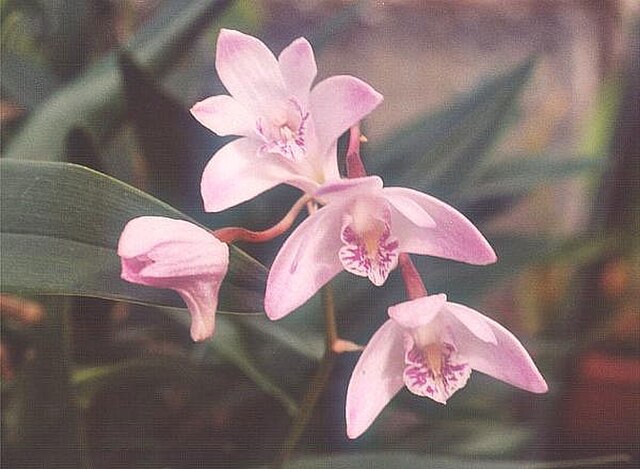
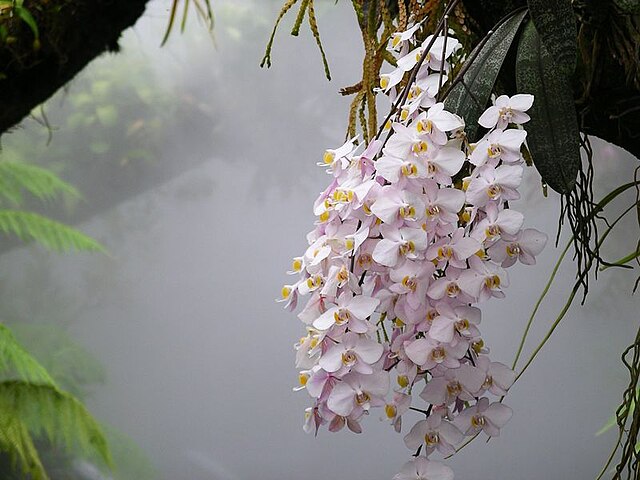
When you decide to grow orchids, the first two species that come to mind are Phalaenopsis and Dendrobium. Both are frequently seen at flower shops and garden centers, and their elegant blooms are undeniably attractive. However, their care requirements and characteristics differ considerably. For those wondering which to start with, here's a thorough comparison of the key growing points.
Basic Profile and Visual Differences
Let's first get a sense of each orchid's characteristics.
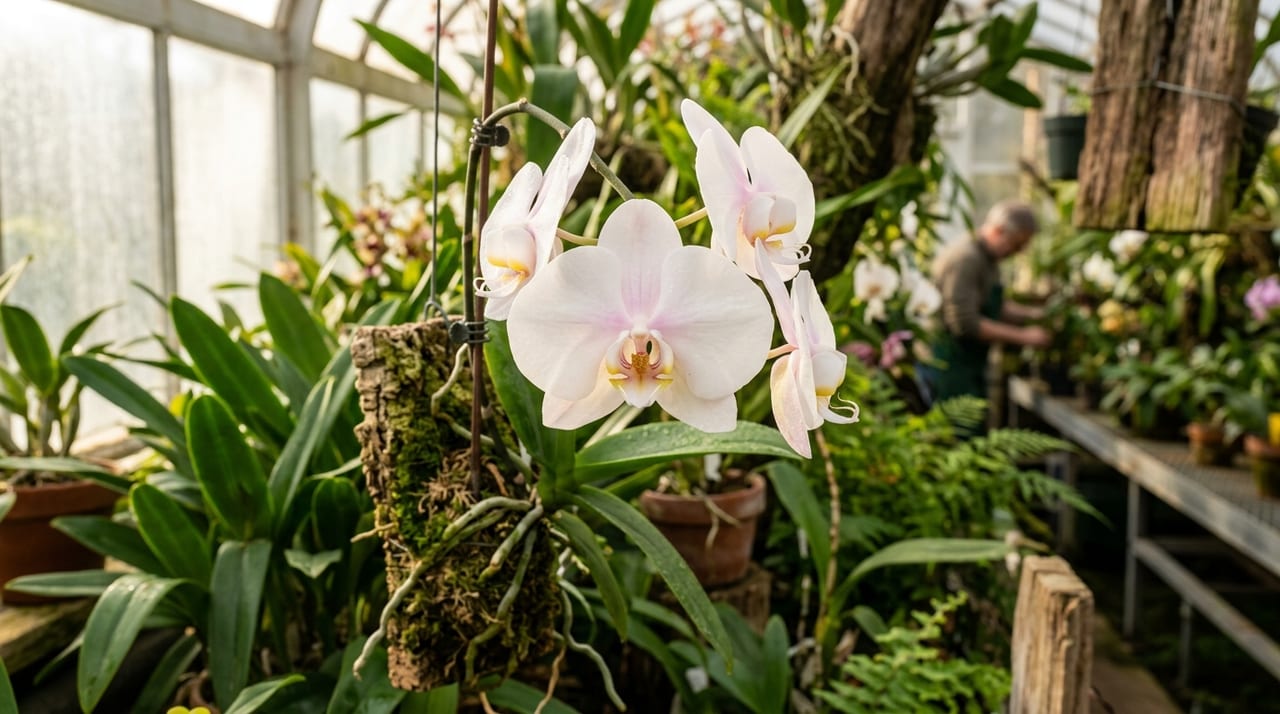
Phalaenopsis originates from the tropical rainforests of Southeast Asia. It produces elegant flowers in succession on long flower stems that resemble butterflies in flight. With abundant color variations in white, pink, purple, and more, it is widely appreciated as a standard gift. The leaves are thick and fleshy, and it characteristically develops air roots that extend into the air.
Dendrobium is a large group widely distributed from Asia to Oceania, with over 3,000 species. The type most commonly seen in Japan is called the 'Nobile type,' which produces small flowers in dense clusters along cane-like pseudobulbs with distinct nodes. Its appeal lies in the profusion of blooms all at once, and it is also popular as a cut flower.
Bloom Duration and Ease of Reblooming
For beginners, two key questions stand out: "How long can I enjoy the flowers?" and "Can I get it to bloom again next year?"
Bloom Duration
- Phalaenopsis: You can enjoy blooms for 1–3 months on a single flower stem. After the flowers fade, if you leave the nodes on the flower stem and manage it carefully, new flower stems may emerge from them, potentially allowing two blooms per year with good technique.
- Dendrobium: Individual flowers last about 2–4 weeks, which is relatively short. However, since each plant bears numerous flowers, the display during bloom time is spectacular.
For prolonged blooms, Phalaenopsis wins; for abundant flowers at once, Dendrobium has the edge.
Ease of Reblooming
- Phalaenopsis: The key to reblooming is creating a day-night temperature difference. In autumn, maintaining temperatures around 25°C during the day and about 15°C at night for 2–3 weeks will form flower buds. While it requires some technique, it is certainly not difficult.
- Dendrobium (Nobile type): Flower buds form when exposed to temperatures around 10–15°C from autumn through winter. With Japan's typical climate, simply placing it outdoors naturally creates these conditions, making consistent reblooming a major strength.
Dendrobium has the advantage if you want reliable blooms every year. In particular, it rarely fails with "it bloomed last year but not this year," which is a significant advantage.
Temperature Management and Placement
Temperature management is a crucial factor affecting ease of cultivation.
Phalaenopsis Temperature and Placement
Phalaenopsis is a tropical orchid and dislikes cold. It requires minimum temperatures above 15°C, with ideal growing temperatures of 18–25°C. In winter, place it in a warm indoor location. Direct sunlight causes leaf scorch, so bright indirect light (such as light through a lace curtain) is the ideal location. Since year-round indoor cultivation is required, it needs no moving and is relatively simple to manage.
Dendrobium Temperature and Placement
Nobile-type Dendrobium is hardy enough to tolerate temperatures down to around 5°C. From spring through autumn, you can place it outdoors in partial shade, and exposing it to outdoor air actually strengthens the plant. Since exposure to cool temperatures in autumn is necessary for flower bud formation, this ability to move it outdoors is an advantage. However, frost will damage it, so in deep winter, bring it indoors or place it under an eave.
Watering and Fertilizer Basics
Root rot is the main failure risk for both. Be careful not to overwater.
Watering Tips
| Item | Phalaenopsis | Dendrobium |
|---|---|---|
| Basic Rule | Water when moss is completely dry | Water when substrate is dry |
| Frequency (Growing Season) | Once or twice per week | 2–3 times per week |
| Winter Watering | Reduce to 2–3 times per month | Drastically reduce to 1–2 times per month |
For Phalaenopsis, it's recommended to water while checking root color through a clear pot. Roots that turn white or gray indicate underwatering. If they are green, moisture remains.
For Dendrobium, winter drought is critical—overwatering during this period promotes the growth of "high shoots" instead of flower buds.
Regarding Fertilizer
For both types, liquid fertilizer applied once or twice per month during the growing season (spring–autumn) is effective. In winter, withhold fertilizer and allow the plant to rest.
Price and Availability
- Phalaenopsis: Premium gift plants range from 5,000–30,000 yen, but seedlings commonly found at garden centers and flower shops are reasonably priced at around 1,000–3,000 yen.
- Dendrobium: Even flowering plants are relatively affordable at 1,000–5,000 yen. Seedlings can be started for around 500–2,000 yen.
If you prioritize value for money, go with Dendrobium; if you want to nurture a special specimen, Phalaenopsis is a good choice.
Which Is Right for You?
Phalaenopsis is recommended for those who:
- Want to enjoy blooms for an extended period (1–3 months)
- Want to display it elegantly as indoor décor
- Have a warm room year-round
- Received it as a gift and want to treasure it
Dendrobium is recommended for those who:
- Want to experience the satisfaction of reliably achieving blooms each year
- Want to grow it in outdoor space (balcony or garden)
- Seek a cold-hardy, robust orchid
- Want to collect multiple plants while prioritizing value
If choosing between the two, Dendrobium is better for beginners due to its compatibility with Japan's climate and ease of care. However, Phalaenopsis is not difficult if you focus on indoor cultivation.
The Safety and Security of GrowerDirect
GrowerDirect offers a platform where you can purchase directly from orchid specialists and growers. By bypassing middlemen, you can easily obtain fresh, vibrant plants at fair prices.
You can check seller profiles and transaction history, so even first-time buyers can purchase with confidence. You can ask sellers directly about varieties and care before purchase, and inquiries like "I'm a beginner and would like advice" are welcome. You'll find flowering plants, seedlings, rare varieties, and color variations—be sure to visit!