Tips for Getting Orchids to Bloom Again | Flower Bud Formation Conditions in Phalaenopsis and Dendrobium
How to make orchids bloom again after flowers fade. Detailed guide covering temperature management for phalaenopsis, dormancy treatment for dendrobium, conditions necessary for cymbidium flower bud formation, and pruning techniques.
Key Takeaways
How to make orchids bloom again after flowers fade. Detailed guide covering temperature management for phalaenopsis, dormancy treatment for dendrobium, conditions necessary for cymbidium flower bud formation, and pruning techniques.
Related Species
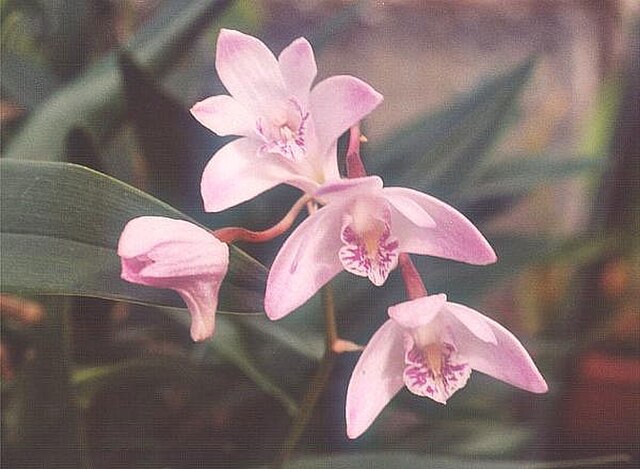
Many people worry that orchids won't bloom again once their flowers fade, but with proper care you can enjoy beautiful blooms every year. The key to successful reblooming is understanding the "trigger for flower bud formation" and implementing care tailored to each variety's characteristics. This article explains the conditions necessary for reblooming and specific care methods for phalaenopsis, dendrobium, and cymbidium.
Reblooming Phalaenopsis (Moth Orchids)
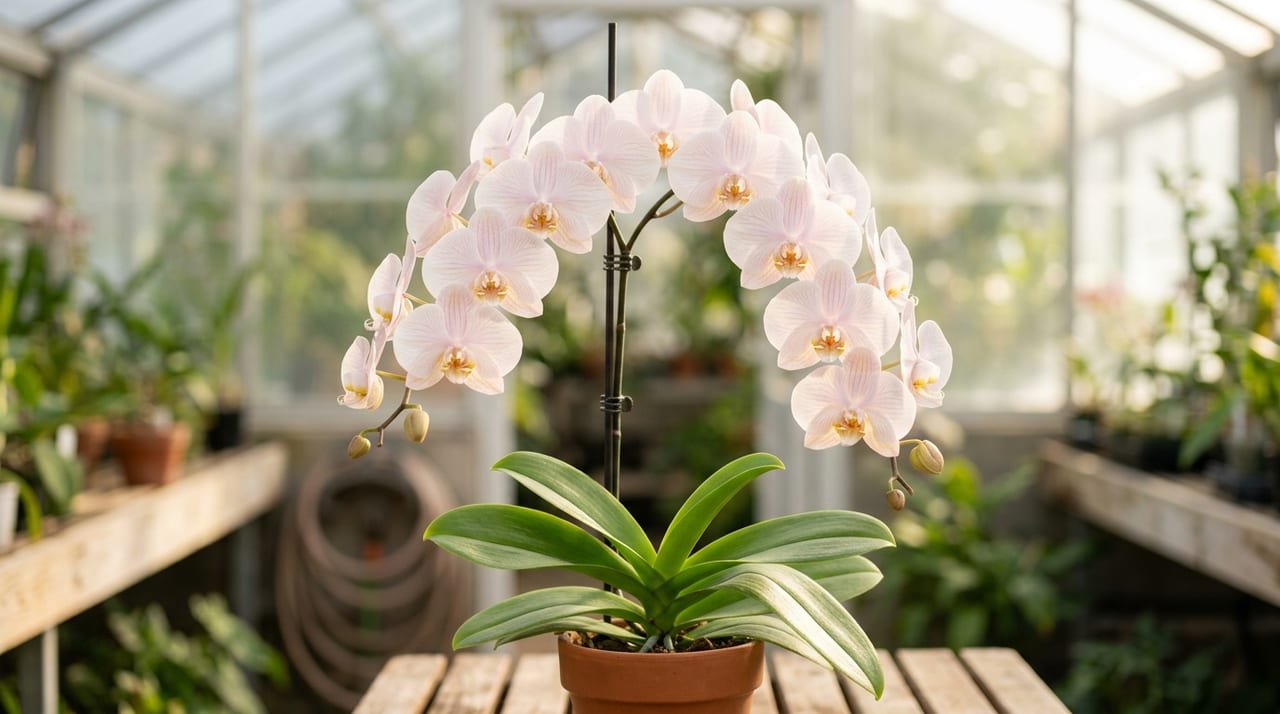
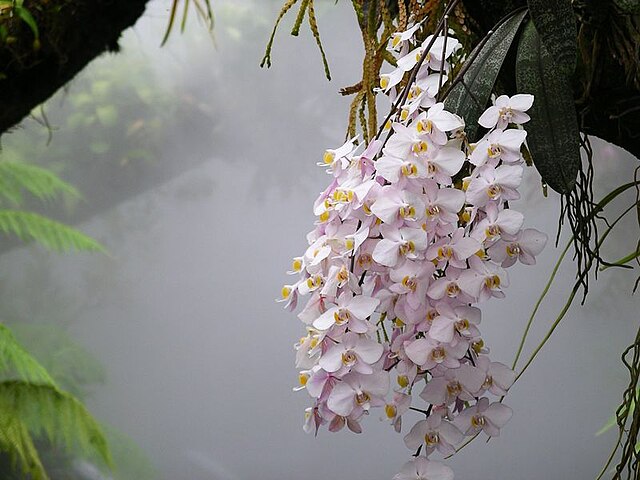
Phalaenopsis are often given as gifts and are often thought of as "one-time bloomers," but with proper care they can bloom every year. The key is "the temperature difference between day and night."
Temperature Conditions: Cold Exposure to Trigger Flower Bud Formation
For phalaenopsis to form flower buds, it's necessary to maintain daytime temperatures around 25°C and nighttime temperatures of 15–18°C for 3–4 weeks in autumn (September–November). This temperature difference stresses the plant and triggers a signal to "bloom and reproduce."
If nighttime temperatures stay above 20°C, flower buds are unlikely to form, so moving the plant to a cool spot by the window is effective during this period. However, be careful as temperatures below 10°C risk causing cold damage. In apartments where the temperature doesn't drop much, simply moving the plant to a sunny windowsill during the day and near the floor by the window at night can make a difference.
Pruning Flower Stems: Keep Nodes or Cut at the Base?
How you handle the flower stem after blooms fade affects reblooming. Cutting the flower stem 1–2 cm above a node may cause a new flower branch (lateral shoot) to emerge from that node, producing a second bloom. However, lateral shoots consume the plant's energy, so if the plant is weak, it's better long-term to cut near the base and prioritize plant recovery. Assess the plant's condition and decide accordingly.
Fertilizer Management: Switching Between Growth and Induction Phases
From the end of blooming through summer is the growth phase for developing leaves and roots. Apply liquid fertilizer with a slightly higher nitrogen content once every two weeks to encourage full plant development. Once autumn arrives and the flower bud induction period begins (September onward), stop fertilizing and reduce watering. This stress triggers flower bud formation.
Reblooming Dendrobium
Dendrobium care varies significantly depending on the type. Nobile dendrobium, the most common type in Japan, absolutely requires cold treatment in winter to rebloom.
Cold Treatment: The Critical Factor Determining Flower Buds vs. Keikis
Exposing the plant to minimum temperatures of 10–13°C from October through December triggers flower bud differentiation. Only by experiencing this temperature range can you expect blooms in the following spring.
Be aware that keeping the plant indoors in warmth will cause "keikis" (aerial plantlets) to develop instead of flower buds. Keikis can be used for propagation as baby plants, but the parent plant won't bloom. In areas where you can keep the plant outdoors, you can achieve natural cold treatment by placing it outside down to frost-free temperatures. In the lowlands west of Tokyo, the practical approach is to keep it on a sunny eave until around November.
Water Restriction: Dry Until Pseudobulbs Wrinkle
Drastically reduce watering from autumn through winter. Drying the plant until the pseudobulbs (stems) begin to show fine wrinkles is crucial for promoting flower bud formation. You might worry the plant will die without water, but dendrobium is drought-tolerant and stores water in its pseudobulbs. However, don't dry it so much that leaves yellow and drop.
Spring Care: Resume Watering as Temperatures Warm
Once flower buds appear in February–March, bring the plant indoors to a warm location and gradually resume watering. Giving large amounts of water suddenly risks root rot, so start with small amounts and observe the plant. Begin fertilizing after the bloom fades to encourage full development of new pseudobulbs. The fuller the new pseudobulbs develop, the more flowers you'll get next year.
Reblooming Cymbidium
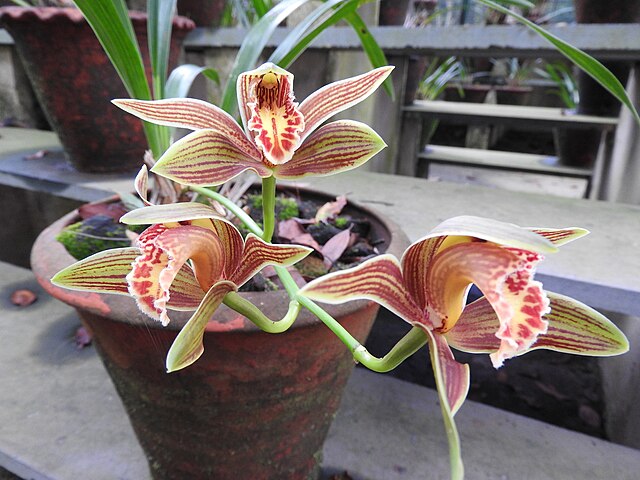
Cymbidium is an orchid where the drop in nighttime temperatures in autumn triggers flower bud formation. As the plant grows larger, it produces more flowers, so with long-term cultivation you can enjoy abundant blooms every year.
Summer Outdoor Care: Ensure Adequate Temperature Variation
From June through October, keep the plant outdoors in a lightly shaded, well-ventilated location. Summer sun causes leaf burn, so provide 30–50% shade with a shade cloth, but don't shade too much or the plant will weaken.
Exposing the plant to nighttime temperatures of 18°C or below outdoors in summer is essential for flower bud formation. In high-rise apartments in urban areas where nighttime temperatures don't drop much, try placing the plant near ground level on a balcony or in a garden.
Fertilizer Switch: Transition to Bloom-Promoting Formula
Use nitrogen-rich fertilizer in spring and summer to encourage vigorous growth, then switch to bloom-promoting formula with more phosphorus and potassium from mid-August onward. From October onward, reduce fertilizer and wait for flower spikes to develop and bloom. Once flower spikes appear, stake them to prevent drooping.
Common Care Points for Reblooming Any Orchid
Regardless of type, there are common points to keep in mind for successful reblooming.
- Adequate Light: To form flower buds, you must ensure sufficient light before blooming to develop a robust plant. Insufficient light weakens the plant and makes flower buds difficult to form, no matter how carefully you manage temperature.
- Maintain Healthy Roots: Damaged roots reduce water and nutrient absorption, making reblooming difficult. Use clear plastic pots to regularly check root condition. Remove any brown, rotted roots during repotting.
- Proper Repotting: Repot after blooming once roots fill the pot. Aged bark and moss lose water retention and drainage, so replacing with fresh medium is effective for root recovery. Since repotting stresses the plant, always do it right after blooming to prepare for the next growing season.
- Pest and Disease Prevention: Bacterial soft rot and scale insects are major orchid pests. Regularly check the undersides of leaves and the bases of new growth for early detection and treatment.
How GrowerDirect Ensures Safe, Reliable Sourcing
Starting with a healthy plant is the surest path to successful reblooming. On GrowerDirect, you can purchase healthy plants directly from orchid specialists, allowing you to consult directly about care methods and blooming history before buying.
While it's often hard to get detailed information from garden center staff, GrowerDirect's strength is that you can get specific details from the growers who actually grow the plants—like "how many flower spikes came last year" and "what conditions we grow in."
Choose a robust plant with a proven blooming history and enjoy beautiful orchid blooms year after year.