How to Grow Epidendrum | Colorful and Hardy Small Orchids
Epidendrum is a colorful and easy-to-grow small orchid. Light management and seasonal temperature variation are key to flower bud differentiation.
Key Takeaways
Epidendrum is a colorful and easy-to-grow small orchid. Light management and seasonal temperature variation are key to flower bud differentiation.
Related Species
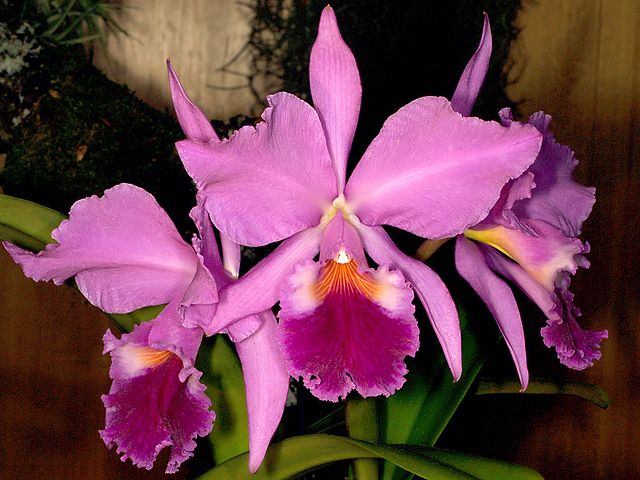
What Kind of Orchid Is Epidendrum?
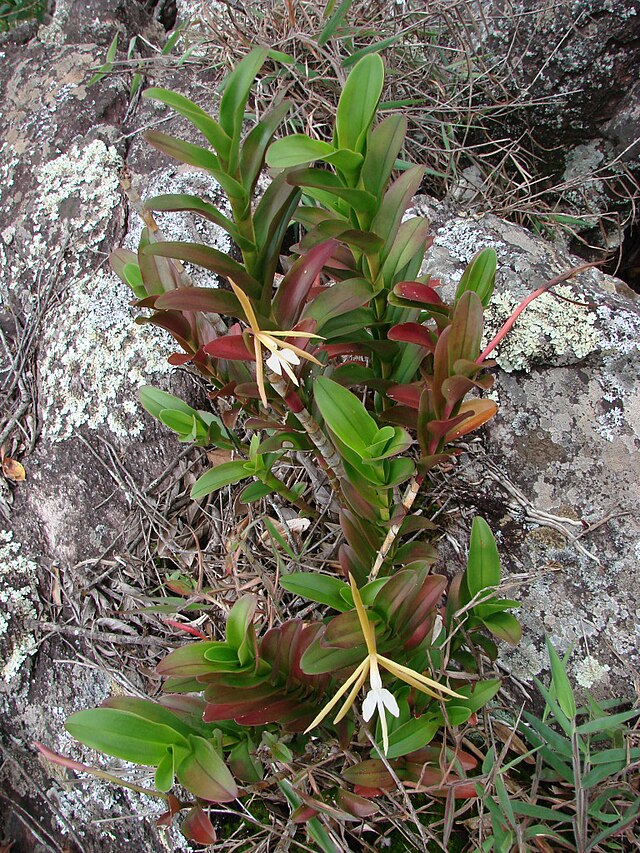
Epidendrum is a plant from the genus Epidendrum in the Orchidaceae family, native to tropical and subtropical regions spanning Central America, the Caribbean islands, and northern South America. The genus name derives from Greek meaning "living on trees," referring to the fact that many species have an epiphytic habit, with roots adhering to tree bark and rock surfaces. Wild species are said to number over 1,000, making it one of the largest genera within the Orchidaceae family.
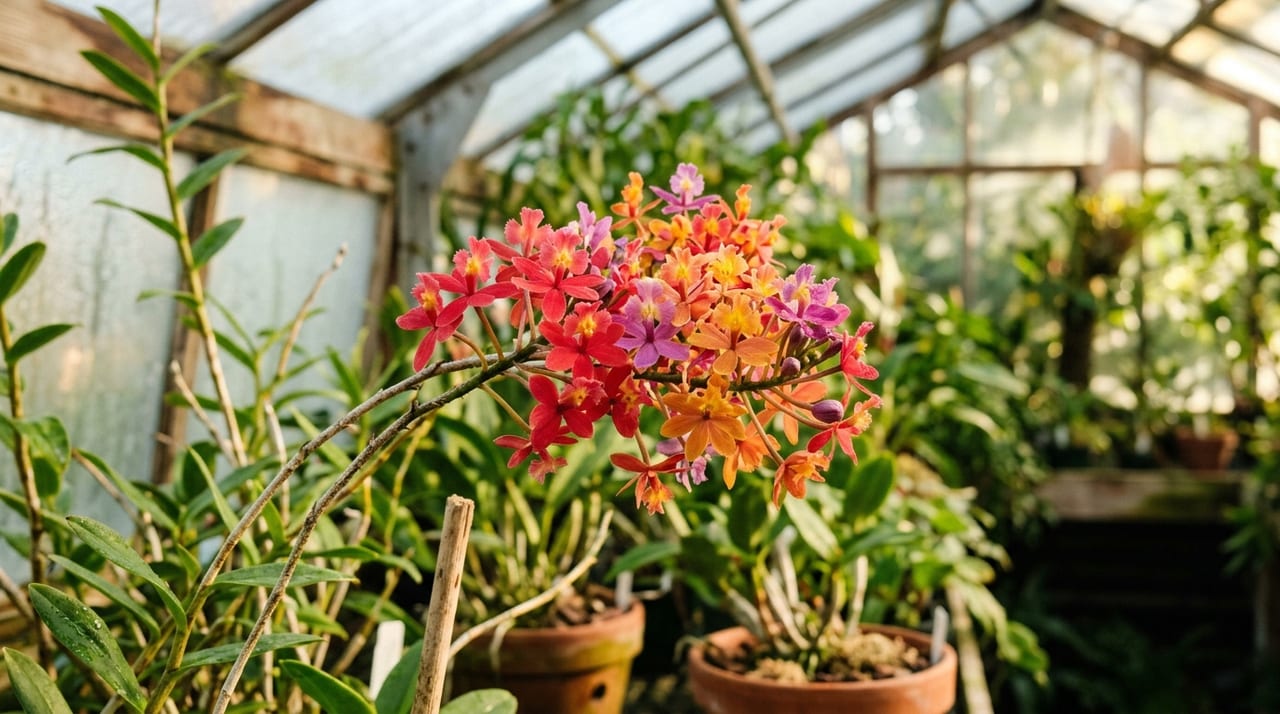
In the horticultural market, hybrid cultivars dominate distribution, with their greatest appeal being abundant flower colors—red, pink, orange, yellow, purple, and white—and long-lasting blooms. Plant height varies by cultivar, but most specimens form compact plants around 15–50 cm, making them well-suited to indoor management. They are less demanding than Phalaenopsis or Cattleya orchids, and are widely loved as a type suitable even for beginners growing orchids for the first time. Additionally, the distinctive appearance of dozens of small flowers blooming in clusters on a single inflorescence creates visual impact and has increased demand as indoor greenery.
Placement and Light Management
The primary environmental factor to establish for Epidendrum cultivation is "light." In their native habitat, plants grow under bright indirect light filtering through the canopy, so indoors they should be placed by a bright window. An east-facing or southeast-facing windowsill is ideal, and gentle direct morning sunlight is welcome. Conversely, harsh western sun in summer or midday direct light through a south-facing window causes leaf scorch, so shade these areas with sheer curtains or shades from May to September.
Insufficient light darkens foliage, causes internodes on new shoots to elongate, and ultimately prevents flower bud formation. During winter when daylight hours are short, move the plant to the brightest available location, and if light levels remain a concern, supplement with an LED grow light. The target is approximately 2,000–3,000 lux for 12–14 hours per day.
Air circulation is also important. Stagnant air in enclosed spaces invites pests and disease. Gentle air movement from a small fan promotes transpiration, leading to healthy roots and disease prevention.
Watering and Humidity
Water management for epiphytic orchids follows the principle of "alternating wet and dry periods." Epidendrum roots should be watered when the bark or sphagnum moss has begun to dry slightly; keeping the medium constantly moist causes root rot.
During the growing season (April–September), water thoroughly once every 1–2 days after the substrate surface dries, letting water drain from the pot base. Watering in the cool evening allows excess moisture to evaporate by morning, leaving roots appropriately dry. In winter, when growth slows, reduce watering frequency to about once per week and maintain slightly dry soil.
Maintain indoor humidity at 40–70%. Japanese winter heating creates dry conditions, making methods such as placing a water-filled tray under the pot for natural evaporation or using a humidifier effective. Misting foliage in the morning and evening also prevents pests like spider mites that thrive in dry air. However, on flowering specimens, be careful not to splash water directly on petals, as water damages the delicate flowers.
Temperature Management and Tips for Flower Bud Formation
Epidendrum grows comfortably in the temperature range of 18–28°C during the day and 12–18°C at night. Though tropical, the mountain regions of their native habitat experience cooler nights, and this "day-night temperature difference" triggers flower bud formation. Consciously recreating this variation at home is the most reliable path to stable flowering.
In autumn (September–October), when nighttime temperatures drop to around 15°C, flower buds begin to differentiate in most hybrid cultivars. Turning off the air conditioning during lingering heat to allow natural temperature fluctuations at night, or placing plants outdoors in partial shade during the day to expose them to seasonal changes, proves effective.
Maintain a minimum winter temperature of 10°C or higher. Below 10°C, root activity nearly halts and forming flower buds may drop. Avoid drafty entryways or windowsills; move the plant to the back of the living room where room temperature is stable. Flowering plants in particular are sensitive to sudden cold and it significantly shortens flower life.
Substrate, Repotting, and Fertilizer
Substrate and Pot Selection
Epidendrum thrives in substrate mixed for airflow and drainage. Commercial orchid bark alone works, but mixing in perlite or sphagnum moss at 20–30% makes roots establish even more readily. Terracotta pots or plastic pots with slits facilitate root respiration.
Repotting Timing and Procedure
Repot every 2 years during spring (March–April) when new growth begins. If roots protrude from the pot or substrate darkens and loses airflow, repot promptly regardless of season. During the procedure, gently remove old substrate, trim darkened rotted roots with clean scissors, and transfer to fresh substrate. For 1–2 weeks after repotting, keep the plant out of direct light and water sparingly to allow root recovery.
Fertilizing Schedule
- Growing season (April–September): Every 2 weeks, apply orchid liquid fertilizer diluted to half strength as a water substitute.
- When buds swell: Switch to a bloom-promoting fertilizer with higher phosphorus and potassium to intensify flower color.
- Late growth season: Excess nitrogen causes leaf overgrowth and poor flowering, so reduce application.
- Autumn onward: Stop fertilizing.
- Winter: Stop completely.
Pest and Disease Checks and Management
| Pest / Disease | Symptoms | Management |
|---|---|---|
| Spider Mite | Develops in dry indoor conditions; fine white specks appear on leaf undersides and the entire leaf becomes pale and dull | Daily misting is the best prevention; if detected early, remove by spraying forcefully with water |
| Mealybug | Appears as white cottony masses at the base or leaf axils | Wipe away with an ethanol-soaked cotton swab and rinse the entire pot with water. Reinfection is common, so monitor consistently every 1–2 weeks |
| Root Rot | Caused primarily by excess moisture and poor drainage. When lifted, the pot should feel light with minimal moisture; prolonged heaviness signals a need to review drainage | Repot promptly and remove damaged portions with clean scissors |
| Leaf Spot and Anthracnose | Fungal diseases appearing as black or brown marks on foliage | Remove affected leaves early and apply commercial horticultural fungicide to cut edges |
These diseases spread readily in sealed, humid environments, so maintaining daily air circulation is the most effective preventive measure.