Denphale Care Guide: Tips for Enjoying Long-Lasting Cluster Flowers with Year-Round Warm Management
This guide explains the characteristics of Denphale, a warm-climate hybrid of Dendrobium, how it differs from Nobile types, temperature and watering management, and how to propagate using high growths.
Key Takeaways
This guide explains the characteristics of Denphale, a warm-climate hybrid of Dendrobium, how it differs from Nobile types, temperature and watering management, and how to propagate using high growths.
Related Species
Denphale is a warm-climate hybrid of Dendrobium that thrives in high temperature and humidity, and is an orchid prized for its showy flowers arranged in clusters. It is often sold as cut flowers or potted gift plants, and is known as one of the more easy-to-grow orchid types. This article explains Denphale's characteristics, year-round care, propagation methods, and tips for enjoying its flowers for a long time.
Characteristics of Denphale
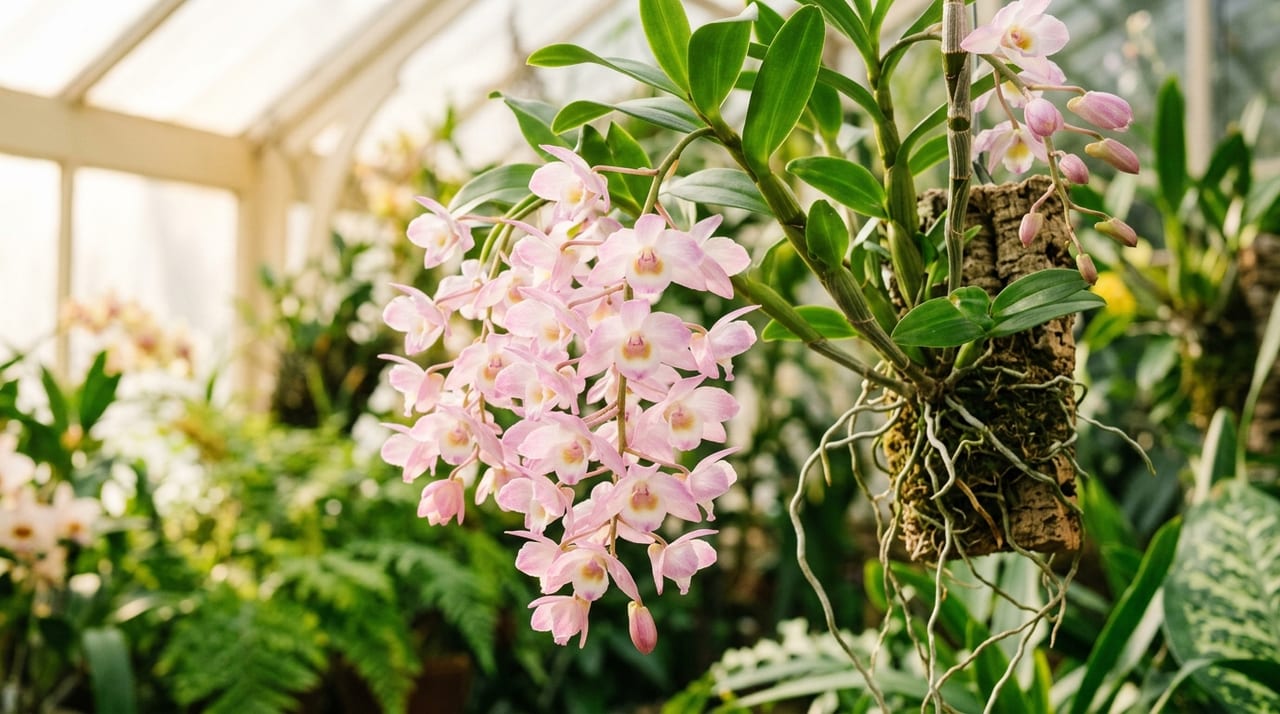
Denphale is a collective term for hybrids created primarily from warm-climate Dendrobium species native to Southeast Asia and northern Australia (such as Dendrobium bigibbum and related types). It is characterized by pendulous flower spikes arranged in clusters that emerge from slender pseudobulbs, with many flowers blooming simultaneously over an extended period.
Unlike the "Nobile type" Dendrobium, which is kept cool and dry in winter to induce dormancy, Denphale prefers warm, humid conditions year-round. Understanding this difference is the first step to successful cultivation.
Location and Temperature Management
Denphale is sensitive to cold and should be kept in an environment that maintains a minimum temperature of around 15°C even in winter. A bright windowsill indoors is ideal, but intense direct summer sun can cause leaf burn, so adjust to soft light filtered through sheer curtains.
If placing outdoors, do so only from early summer (when late frosts are no longer a concern) through early autumn (before temperatures begin to drop), and bring the plant indoors promptly once temperatures cool in morning and evening.
Watering and Humidity Management
Because Denphale does not have a distinct dormancy period like Nobile types, it requires consistent moisture throughout the year. Water thoroughly until water drains from the bottom of the pot when the potting medium surface becomes dry, and avoid letting it dry completely.
However, constantly wet soil can cause root rot, so vary the watering intervals appropriately. During dry periods, misting the leaves and pseudobulbs provides humidity while also helping prevent pests.
Fertilizing
Fertilizing differs between the growing season and winter.
| Season | Application |
|---|---|
| Growing season (spring–autumn) | Dilute orchid fertilizer to recommended strength and apply approximately once every two weeks |
| Winter | Reduce or suspend fertilizing since growth slows, to avoid stressing the plant |
Excessive fertilizer can damage roots, so follow package directions and when in doubt, apply at half strength for safety.
Propagation: Using High Growths (Keiki)
Denphale can be propagated using two methods:
- High growths (keiki): When roots on high growths that develop from pseudobulb nodes after flowering extend several centimeters, they can be separated from the mother plant and potted individually to grow as new plants
- Division: Large plants can be divided into groups of several pseudobulbs and each potted separately
Both division and keiki separation are easiest when performed in spring when growth is most active.
Managing for Long-Lasting Flowers
Denphale flowers open in succession on each flower spike, with individual flowers blooming for an extended period. Avoiding extreme environmental changes (sudden temperature drops or frequent relocation) during flowering improves flower longevity.
Once flowers fade, cut the flower spike near the base to conserve the plant's energy. When enjoying as cut flowers, make a fresh cut and use orchid cut-flower preservative to maintain freshness and beauty longer.
Potting Medium and Repotting
Denphale is typically grown in potting media such as sphagnum moss or bark that provide balanced drainage and air circulation. As old potting medium breaks down, it increases the risk of root rot, so repot every 2–3 years in spring when growth begins.
When repotting, clean up damaged roots, remove old pseudobulb roots, check plant balance, and pot into a pot one size larger or of similar size with fresh medium. Immediately after repotting, water somewhat sparingly until roots establish for easier recovery.
Common Problems
Common symptoms with Denphale and their causes and remedies are listed below:
| Symptom | Main Cause | Solution |
|---|---|---|
| Black spots appear on leaves, new shoots wilt without developing | Poor air circulation or waterlogging due to poor drainage | If potting medium breakdown or compaction is suspected, consider repotting soon |
| Leaves yellow and drop | Cold temperatures (especially sudden nighttime temperature drops at windowsills in winter) | Check for sudden temperature drops at night and move to a warmer location indoors if needed |
Using as a Gift
Because of its long flower life and showy appearance, Denphale is often chosen as a gift for celebrations such as business openings and birthdays. While often given as a potted plant, the flower spikes can also be cut and used in floral arrangements.
To enjoy a gifted plant long-term, avoid sudden changes in location right after arrival; instead, first acclimate it to a bright indoor spot, then continue with the temperature and watering management described in this article.
Denphale combines showy flowers with hardy nature, making it an excellent choice for beginners to orchid cultivation. Master the key points of temperature and watering to enjoy its beautiful cluster flowers for years to come.