[Beginner's Guide] How to Grow Houseplants: A Complete Introduction
For beginners looking to start growing houseplants. A comprehensive guide covering basics like placement, watering, fertilizing, repotting timing and methods, pest and disease management, and beginner-friendly varieties like pothos and monstera.
![[Beginner's Guide] How to Grow Houseplants: A Complete Introduction](https://img.botachoku.com/column-images/foliage-beginner-guide/hero-1778969258887.jpg)
Key Takeaways
For beginners looking to start growing houseplants. A comprehensive guide covering basics like placement, watering, fertilizing, repotting timing and methods, pest and disease management, and beginner-friendly varieties like pothos and monstera.
Related Species
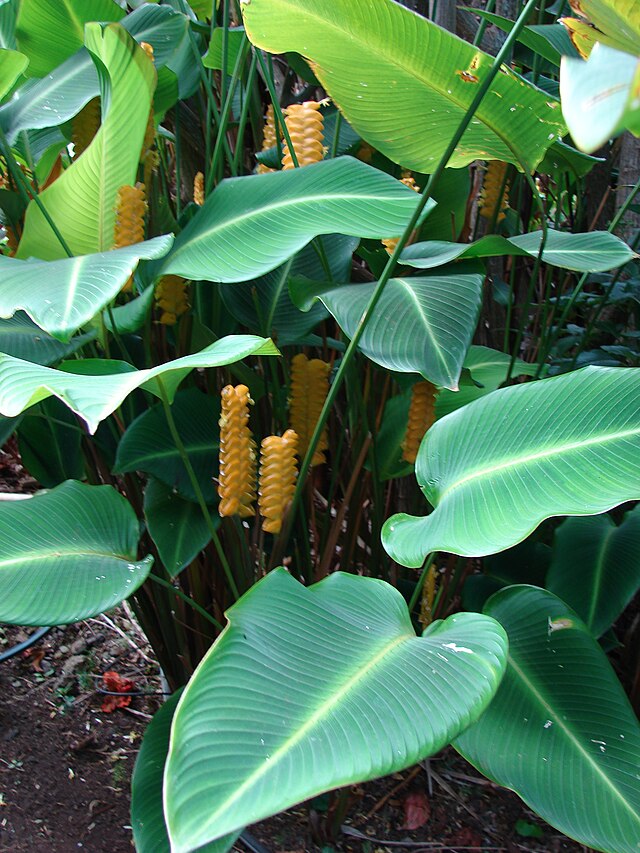
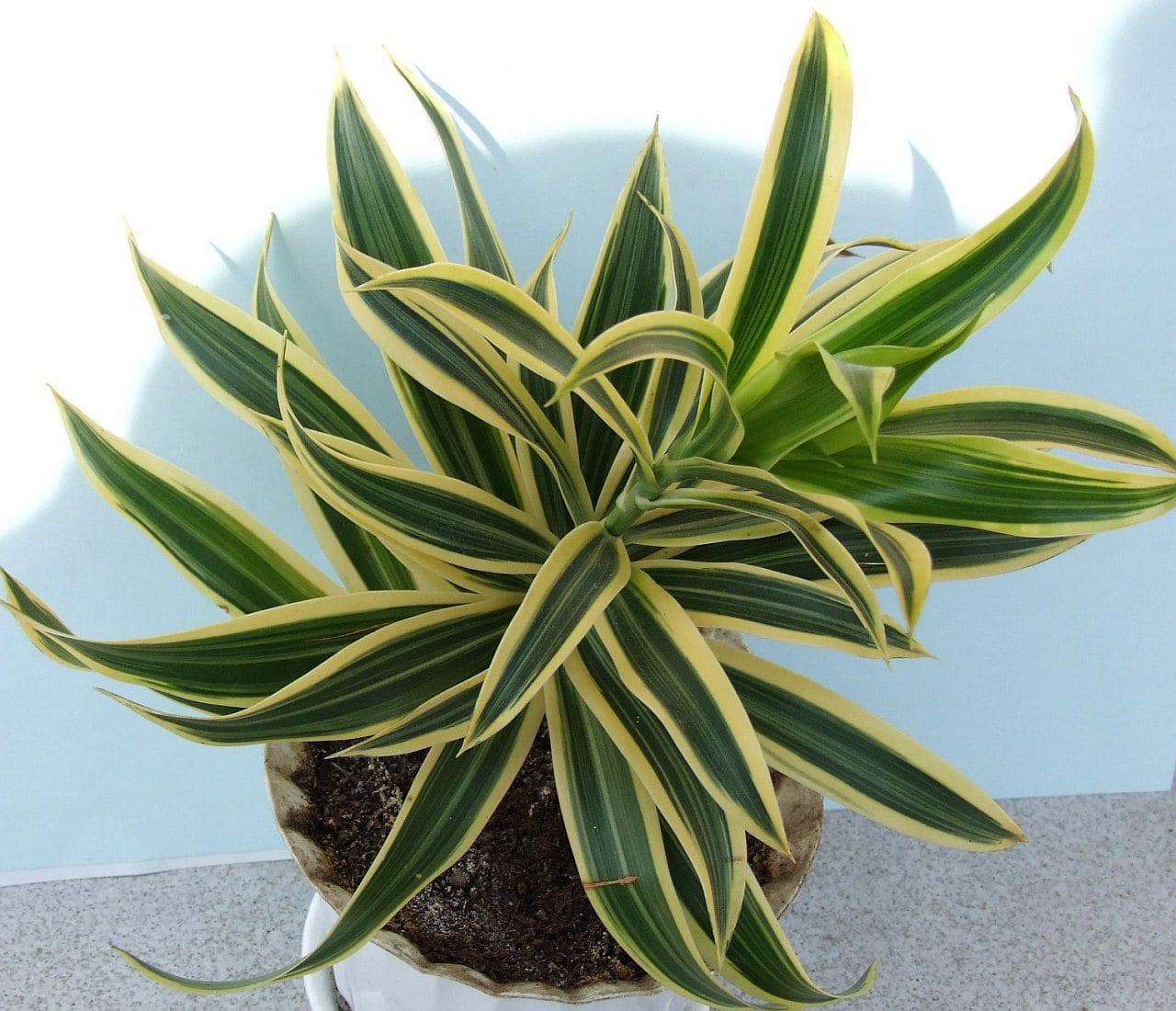
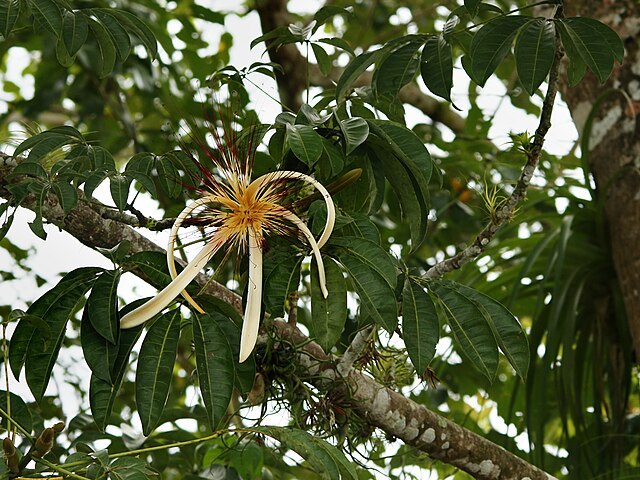
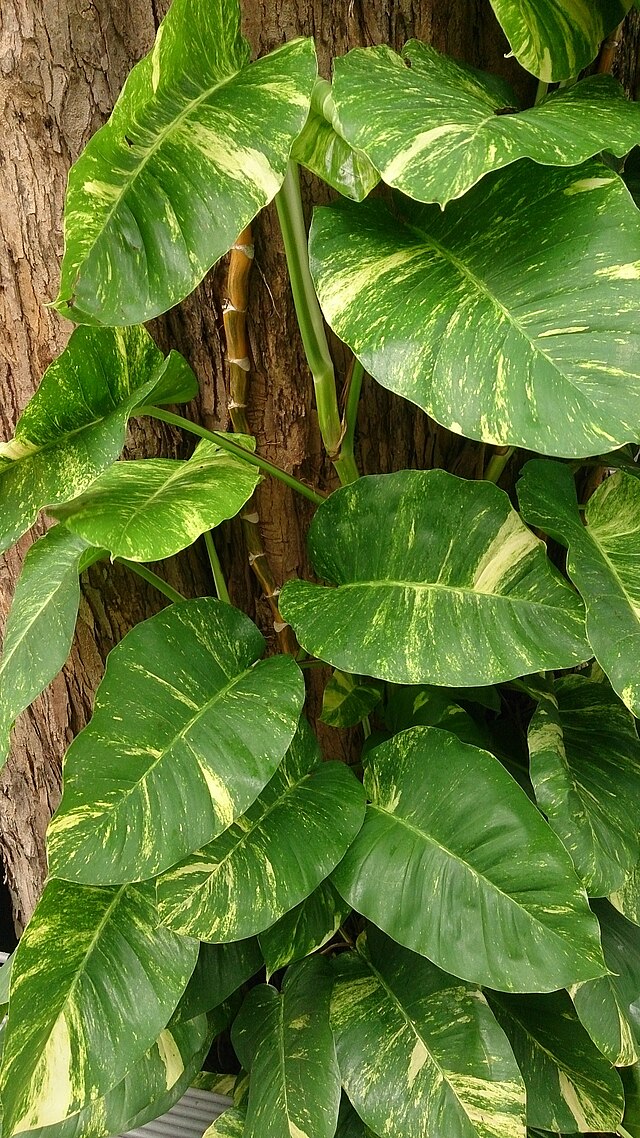

Houseplants offer not only aesthetic beauty as interior decor but also purify the air and bring healing to our daily lives. However, we often hear complaints like "I always kill them quickly" and "I don't know what went wrong." In fact, most reasons why houseplants die come down to not knowing a few basics. In this article, we provide clear explanations of the fundamental knowledge needed to avoid failure when growing houseplants for the first time—covering placement, watering, fertilizing, and repotting.
Choosing the Right Location—Light and Air Circulation Are Key
The most important factor determining houseplant health is "light conditions." Since different plants prefer different amounts of light, it's important to first confirm the compatibility between your room's environment and your plant.
Plants Suited to Different Light Levels
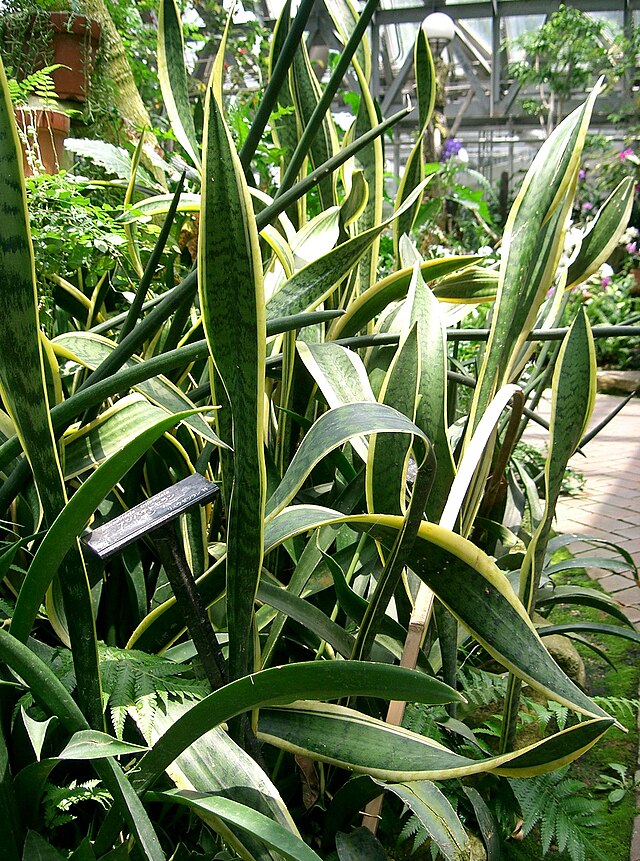
- Bright windowsill (with direct sunlight): Suitable for species that prefer strong light, such as sansevieria, strelitzia, and pachira. However, be careful of the afternoon sun in summer, as it can cause leaf scorch.
- Soft light through a sheer curtain: Many houseplants prefer this environment, including monstera, pothos, ficus, and calathea. This is the most common lighting in Japanese homes and works well for a wide variety of species.
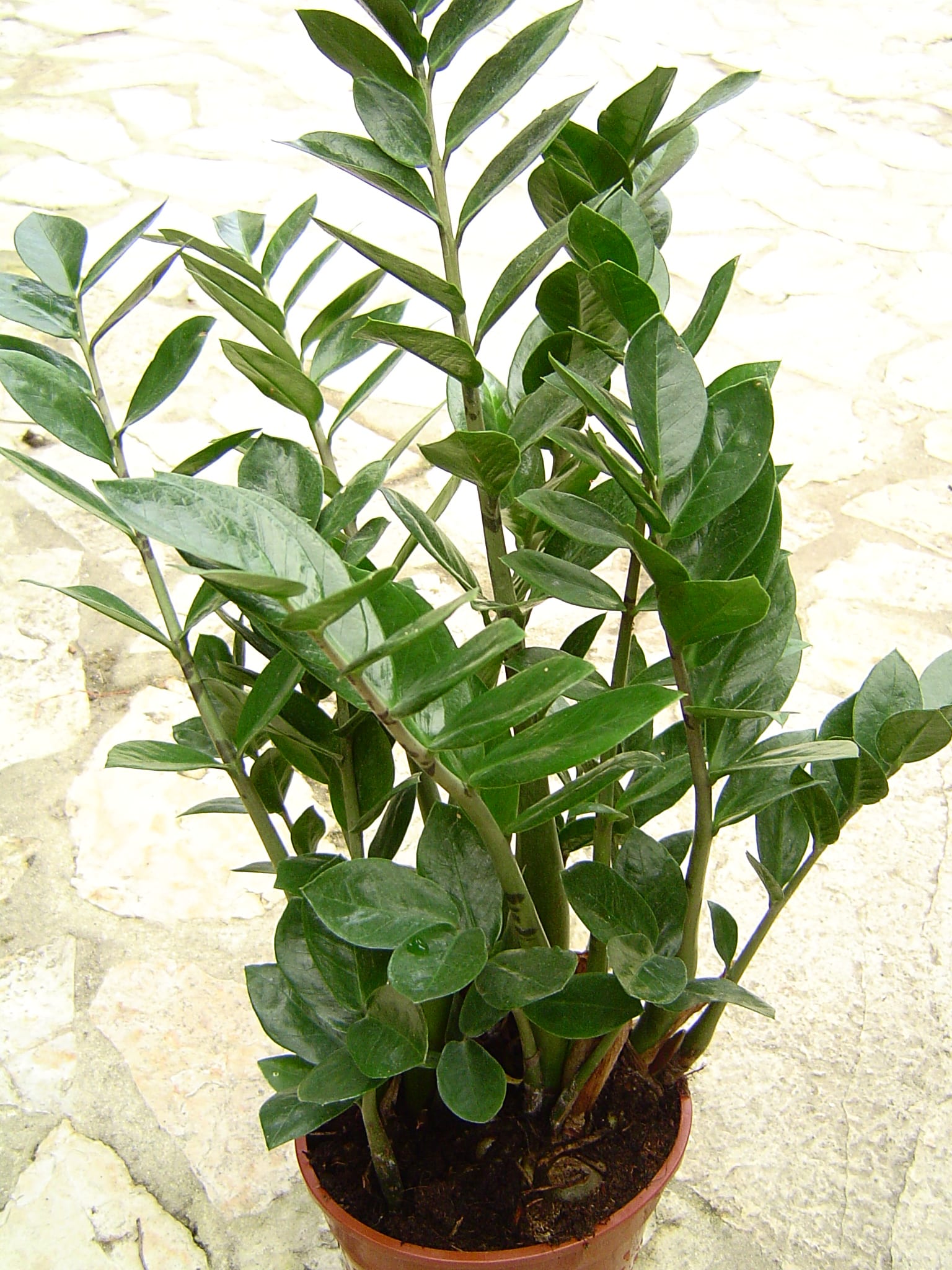
- Low-light interior: Limited to shade-tolerant varieties such as aglaonema, zamioculcas, and dracaena. However, shade tolerance doesn't mean the plant needs no light—moving it to a brighter spot periodically will stabilize its growth.
Locations to Avoid
Locations where direct air from air conditioners or fans hits will cause leaves to lose moisture rapidly and become damaged. Also, windowsills in winter can drop too low at night, so move tropical plants sensitive to cold to another spot or use an insulating sheet.
Watering Basics—Overwatering is the Greatest Enemy
The #1 cause of houseplant death is "root rot," and the #1 cause of root rot is "overwatering." Watering generously every day out of care often backfires.
When and How to Water
- Basic timing: Water thoroughly once the soil surface has dried. Stick your finger 1-2cm into the soil; if it feels dry, it's time to water.
- How to water: Water until it flows clearly from the drainage holes at the bottom. Simply wetting the surface won't reach the roots.
- Water in the saucer: Empty any water that collects in the saucer immediately. Leaving it can cause root rot and pest infestations.
Seasonal Adjustments
| Season | Watering Frequency |
|---|---|
| Spring & Summer (active growth) | Immediately when soil dries (about 1-2x per week) |
| Fall | 1-2 days after soil dries |
| Winter (dormancy) | 2-3 days after soil dries |
In winter, most houseplants slow their growth, so it's important to significantly reduce watering. Also, in dry indoor environments, misting leaves is effective. Spraying water on both sides of leaves with a misting bottle simultaneously prevents leaf drying, spider mites, and dust accumulation.
Fertilizing and Repotting—For Long-Term Healthy Growth
How to Fertilize
Fertilizer is not essential for houseplants, but proper application increases leaf luster and vigorous growth.
- Timing: Apply fertilizer during the active growth period (April-September). Basically not needed in winter when plants are dormant.
- Liquid fertilizer: Apply about once every two weeks when watering. It's fast-acting and easy to use, making it ideal for beginners.
- Slow-release granular fertilizer: Just place it on the soil and it works for 2-3 months. Perfect for those who want minimal effort.
- Caution: Always follow package directions. Overdoing it causes "fertilizer burn," damaging roots and leaves.
When and How to Repot
As houseplants grow, their roots expand, and when the pot becomes crowded, growth stalls and drainage worsens.
- Signs it's time to repot: Roots protruding from drainage holes, soil drying quickly even after watering, yellowing leaves.
- Best time: Spring (May-June) is ideal. Roots become active and the plant recovers from repotting stress more easily.
- Pot size: Choose one 2-3cm larger in diameter than the current pot. Avoid too-large pots, as they retain excess moisture.
- Soil: Commercial "houseplant potting mix" is convenient and recommended. It balances drainage and water retention well.
- Post-repotting care: Avoid direct sunlight and let it recover for 1-2 weeks in bright, indirect light.
5 Beginner-Friendly Plant Varieties
If you're new to growing houseplants, starting with hardy, easy-to-care-for varieties is the fastest path to success.
- Pothos — So hardy it can grow in water alone. Shade-tolerant and fits any room. Long-time favorite as the #1 beginner plant.
- Monstera — Distinctive split leaves that look striking in any space. Fast-growing and rewarding for beginners to nurture.
- Sansevieria — Extremely drought-tolerant; watering once or twice a month is enough. Recommended especially for those who struggle with plant care.
- Ficus Umbellata — Heart-shaped leaves that make a statement, perfect for Scandinavian decor. Popular as a statement plant that becomes the focal point of any room.
- Ivy (Hedera) — Shade-tolerant and works as a hanging basket or trailing display. Vigorous growth is rewarding, yet easy to manage.
GrowerDirect's Safe & Reliable System
Where you purchase houseplants is also crucial to cultivation success. While you can buy them at garden centers and flower shops, transport stress and management during distribution are often unclear.
GrowerDirect offers a system for purchasing houseplants directly from producers and specialists.
- Direct shipment of healthy plants: Expert-cared plants arrive directly at your door. Bypassing distribution minimizes damage to the plant.
- Find rare and unusual varieties: Varieties rarely seen in regular shops and collector-specific types are available.
- Consult directly with producers before and after purchase: Ask experts questions like "Can I grow this variety in my room?" and "How often should I water it?" Getting care advice from professionals as you grow is a unique GrowerDirect advantage.
- Fair pricing with no middleman markup: Direct producer sales mean no intermediary commissions. You get quality plants at reasonable prices.
With the basics down, even beginners can enjoy houseplants for years to come. Find your favorite plant on GrowerDirect today.