Pothos Care Guide | Hardy Beginner-Friendly Foliage Plant Management and Interior Styling
A guide to growing Pothos, a popular foliage plant easy enough for beginners. Covers variety characteristics (Golden Pothos, Marble Queen, etc.), basics of light, watering, and fertilizer, and interior styling ideas including hanging and shelf displays.
Key Takeaways
A guide to growing Pothos, a popular foliage plant easy enough for beginners. Covers variety characteristics (Golden Pothos, Marble Queen, etc.), basics of light, watering, and fertilizer, and interior styling ideas including hanging and shelf displays.
Related Species
Why Pothos is Called "The Ultimate Beginner-Friendly Foliage Plant"
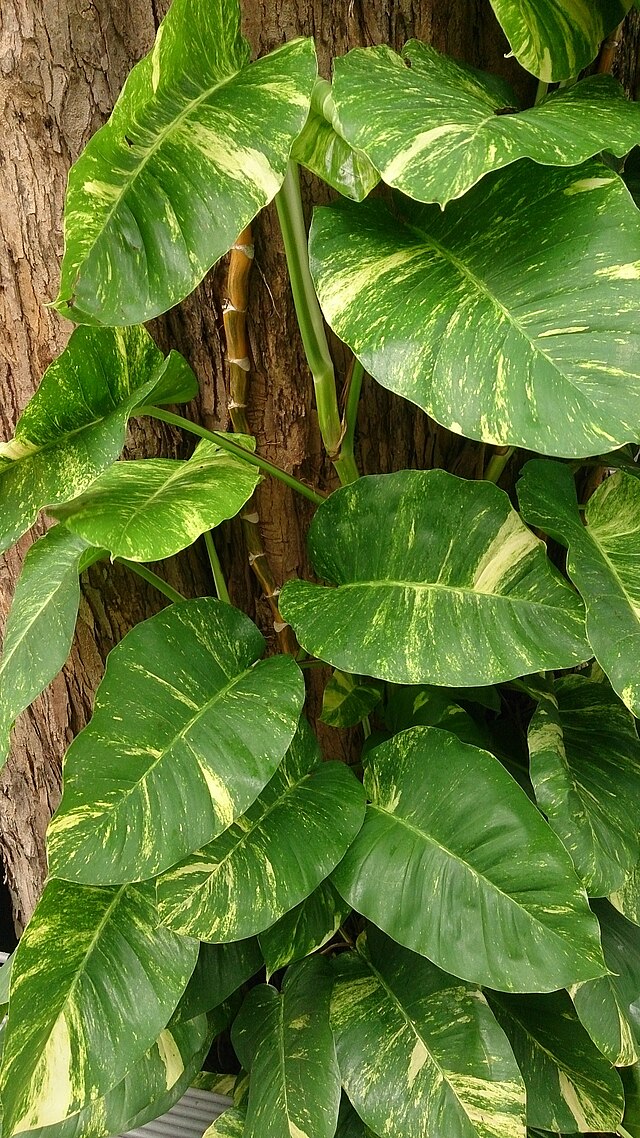
Pothos (Epipremnum aureum) is a classic foliage plant in the Araceae family and is known as "the easiest to grow" and is an exceptionally hardy plant. It originates from the Solomon Islands in the South Pacific, where it grows on rainforest floors and climbs up tree trunks in tropical rainforests. Its adaptability to low light, drought tolerance, and heat resistance—all traits derived from this natural habitat—make it exceptionally well-suited to indoor growing.
Whether in dimly lit rooms, with occasional watering lapses, or placed where air conditioning drafts reach it, Pothos thrives in diverse indoor conditions. While it's popular as a first foliage plant, even experienced growers appreciate its depth—offering endless styling possibilities such as hanging displays and living walls depending on how you train it.
Another major appeal is that it's easy to propagate through stem cuttings and water propagation, so you can multiply a single plant into many and decorate your entire room.
Variety Characteristics and Selection Guide
Pothos comes in many varieties, each with distinct appearances and care difficulty levels. Choosing the right variety for your purpose is key.
Golden Pothos: The classic variety with beautiful green-and-yellow contrast. It's the hardiest and easiest to grow even in low light, making it ideal for beginners.
Marble Queen (Variegated): An elegant variety with green-and-white mottled patterns. The variegated portions contain fewer chloroplasts, so growth is slightly slower, and the variegation becomes less pronounced in low light.
Neon Pothos: A distinctive variety with bright, fluorescent yellow-green foliage. It displays its most vibrant color under bright indirect light and makes an eye-catching accent against monochrome interiors.
Satin Pothos (Scindapsus): Features distinctive silvery, lustrous leaves. While technically a different genus, it can be cared for similarly to Pothos.
Newer Varieties (Global Green, Enjoy, etc.): Recently becoming more widely available, these varieties feature complex variegation patterns, offering the bonus of rarity if you can source them.
As a general rule, remember that "the more variegated a variety is, the brighter the environment it needs"—this will help you choose the right placement.
Basic Watering, Soil, and Fertilizer Management
Although Pothos is drought-tolerant, overwatering and root rot are the most common reasons for failure. The key to long-term success is following the rule: "water only after the soil dries out."
Watering Timing
Once you confirm the soil surface is dry, wait another 2–3 days, then water thoroughly until it drains from the bottom of the pot. Always discard any water that collects in the saucer. Slightly drooping leaves are a sign the plant is thirsty. In winter, growth slows, so reduce watering frequency to about half that of spring and summer.
Suitable Soil and Pots
Commercial "foliage plant potting mix" works fine. To improve drainage, mixing in about 20% small red lava rock is effective. Always choose pots with drainage holes. Terracotta pots are highly breathable and resist root rot, making them ideal if you're uncertain about watering practices. For more detailed soil guidance, see Foliage Plant Soil Selection Guide.
Fertilizer
During the growing season (April–September), apply liquid fertilizer about once every two weeks for vibrant leaf color. Use a balanced "foliage plant fertilizer" containing nitrogen, phosphorus, and potassium at the recommended rate. Overdoing it causes "fertilizer burn" and damages roots, so start with a small amount and adjust. Skip fertilizer in winter.
Light, Placement, and Troubleshooting
While Pothos's ability to grow in low light is genuine, the leaf color and growth rate do vary with light levels. Knowing the ideal placement will help you grow a more vibrant plant.
Placement Guide
- Green varieties: Can tolerate low light in hallways, bathrooms, or north-facing windowsills
- Variegated and Neon types: Bright indirect light filtered through sheer curtains is ideal
- Avoid direct sunlight, which causes leaf scorch
Common Problems and Solutions
| Symptom | Cause | Solution |
|---|---|---|
| Yellow leaves | Overwatering / root rot | Reduce watering frequency and check root condition |
| Variegation disappears, leaves turn all-green | Insufficient light | Move to a brighter location |
| Brown leaf tips | Dryness / AC drafts | Mist leaves for moisture; move away from direct air flow |
| Leggy growth | Insufficient light | Move to a brighter environment |
In winter, be mindful of cold air near windows. Growth stops below 50°F (10°C), and the plant risks dying below 41°F (5°C), so move it away from windows to the center of the room.
Propagation and Training: Interior Styling Ideas
Pothos is ideal for experiencing the joy of propagation through cuttings. You can multiply your plant at minimal cost and style your space with countless training techniques.
Water Propagation (Beginner-Friendly)
- Cut the stem about 2 cm below a node (the small bump where the leaf attaches)
- Remove lower leaves, leaving only 1–2 leaves at the top
- Place the cutting in a glass or jar of clean water
- Keep in bright, indirect light and change the water about once per week
- White roots appear in 2–3 weeks; once roots reach 3–5 cm, transplant to potting soil
You can continue water propagation indefinitely as "hydroponic cultivation." Using a clear container lets you watch the roots grow and enhances the decorative appeal. For guidance on soil-free cultivation, see Foliage Plant Hydroculture Basics.
Training Style Variations
Hanging Style: Leverage its trailing nature by hanging it from ceilings or shelves. With time, it cascades over a meter, creating a lush botanical atmosphere. Pairing it with a macramé hanging pot looks especially stylish. For more training ideas, see Top 10 Hanging Plant Recommendations.
Moss Pole / Sphagnum Support: Train it up a moss pole (which aerial roots cling to) to encourage leaves to reach their full natural size. This mimics its native growth habit and produces larger foliage.
Living Wall: Train it along a wall using clips or hooks to create a green wall effect. Renters can use removable adhesive hooks to enjoy this style damage-free.
Toxicity and Safe Display
Pothos contains calcium oxalates, so careful placement is essential in homes with pets and children. Ingestion can cause oral irritation, swelling, and vomiting.
Cats are particularly sensitive and may experience severe symptoms. Place it in hanging displays at heights out of reach, or in dedicated rooms where it cannot be accessed. If accidental ingestion is suspected, consult a veterinarian or physician immediately. To enjoy plants safely with pets, check Pet-Safe Foliage Plant Guide for alternative options.
Research suggests Pothos also has air-purifying properties, absorbing formaldehyde and carbon monoxide. However, the effect is limited at household scale, so it's best to focus on the joy of growing rather than relying on air purification benefits.
Summary
Pothos is a hardy, beautiful foliage plant that beginners and experienced growers alike can enjoy. By following the rule "water only when dry" and providing light appropriate to your variety, you'll keep it healthy for years. Propagate it through cuttings to fill your home, or use hanging displays and living walls as interior accents—the possibilities are endless. Start with a single plant and embrace a life enriched by Pothos.