Foliage Plant Soil Selection Guide | Recommended Blends by Type
Explains suitable soil types for foliage plants and blending ratios. Introduces recommended blends for both drainage-focused and water-retention-focused types, plus how to choose commercial potting soils.
Key Takeaways
Explains suitable soil types for foliage plants and blending ratios. Introduces recommended blends for both drainage-focused and water-retention-focused types, plus how to choose commercial potting soils.
Related Species
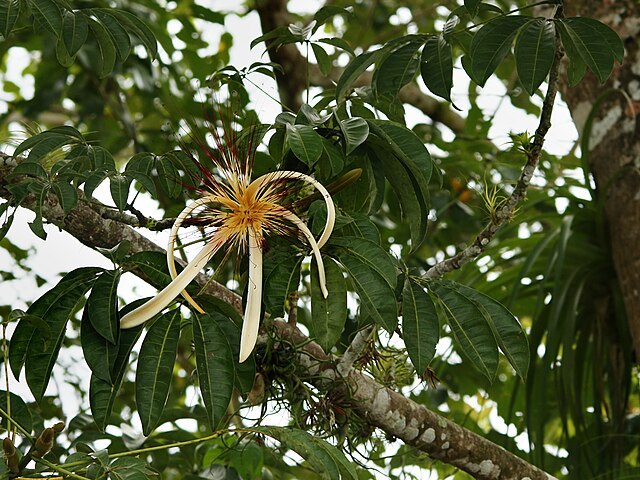
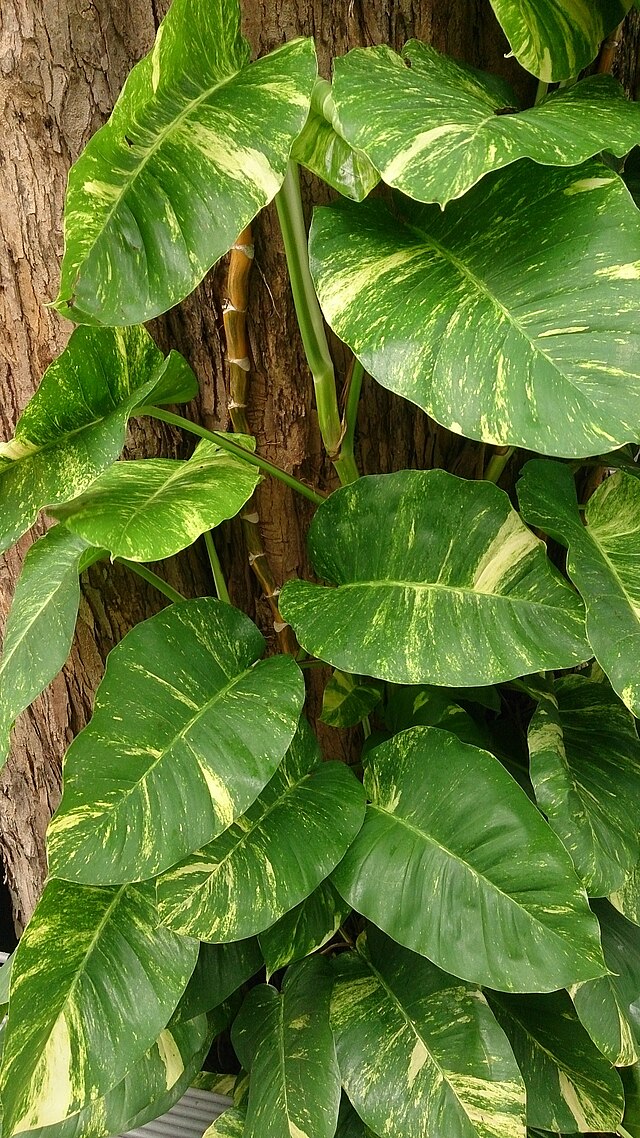
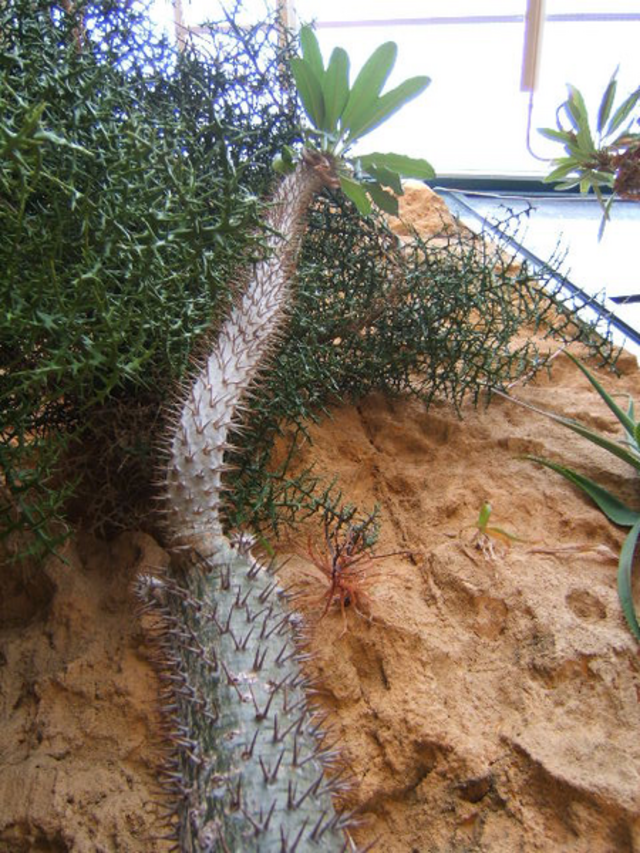
To grow foliage plants vibrantly for years, choosing the right soil is essential. While as important as watering and fertilizing, soil quality is something beginners often overlook. Roots are the "heart" of a plant—when roots are healthy, leaves and stems naturally become lush and vigorous. Conversely, if the soil doesn't suit the plant, even careful watering can lead to root rot or nutrient deficiency.
This article covers a wide range of topics: the basic requirements for foliage plant soil, the characteristics of major soil components, recommended blends for different plant types, and how to choose commercial potting soils. Whether you're growing plants for the first time or a more advanced grower looking for greater control, please refer to this guide.
Three Basic Requirements for Soil
When choosing soil for foliage plants, it's important to first understand these three key properties.
1. Drainage
The property that excess water flows smoothly out of the pot bottom after watering. When water remains pooled in the pot, oxygen becomes depleted and root rot develops. Tropical foliage plants in particular prefer distinct cycles of drying and moisture, making drainage one of the most important conditions to prioritize.
2. Water Retention
The property that soil holds an appropriate amount of water after watering. While it may seem to contradict drainage, balancing both is ideal. Soil with too little water retention requires frequent watering, making plants susceptible to drought stress.
3. Aeration (Oxygen Supply to Roots)
Roots need to breathe. Mixing granular materials creates air spaces in the soil, allowing oxygen to reach the roots more easily. Poor aeration promotes anaerobic bacteria, increasing disease risk.
To balance these three conditions, combining multiple soil components is the basic principle of soil "blending." Even with proper soil, root rot can occur if watering frequency or timing is off. For added confidence, also check out our Foliage Plant Watering Guide.
Major Soil Components and Their Characteristics
Foliage plant soil typically uses a blend of multiple components. Understanding the role of each component helps you create blends tailored to your plant's needs.
Akadama Soil
The most widely used standard component in Japanese foliage and horticulture. Made from dried volcanic ash soil extracted from the Kanto loam layer, it is clean, inorganic, and offers both adequate water retention and drainage. As granules break down, drainage decreases, so replacement is needed over time. Available in small, medium, and large grades to match your pot size and plant size.
Leaf Mold
Organic soil created when fallen leaves are decomposed by microorganisms. It supplies nutrients and water retention, and when mixed with akadama soil, promotes plant growth. Because it contains organic matter, it harbors abundant microbes that support healthy root development. However, it has poor drainage and aeration on its own, so always mix it with other components.
Perlite
A white pumice-like material made by firing obsidian and similar materials at high temperatures. It significantly improves drainage and aeration. Mix 10–30% into the total soil for plants prone to root rot or when drainage is a priority. It's very lightweight and creates dust easily, so wearing a mask during handling is recommended.
Vermiculite
A material made by expanding mica-based minerals at high temperatures. It excels at water retention and nutrient retention, making it ideal for delicate-rooted plants and for propagation and seed sowing. Its softness minimizes root damage, making it suitable for plants with fine roots.
Pumice
A volcanic, porous stone with excellent drainage and aeration. It's widely used in soil mixes for drought-tolerant plants, cacti, and succulents. Granules resist breakdown, so its properties remain stable even with long-term use. It can also serve as a pot-bottom drainage layer.
Peat Moss
Sphagnum moss and reed material that has accumulated and decomposed. It is highly acidic and excels at water retention. It's effective for plants like ferns and caladiums that prefer acidic, moist conditions. However, overuse reduces overall soil drainage, so pay attention to blending ratios.
Recommended Blends by Plant Type
Soil blending works best when based on the plant's natural habitat. Below are example blends for representative plant types.
General Foliage Plants (Monstera, Pachira, Pothos, etc.)
Akadama 6 : Leaf Mold 3 : Perlite 1
The most standard balanced blend. It provides adequate water retention and drainage, suitable for a wide range of foliage plants. Beginners should start with this blend. Note that Araceae plants like Monstera and Pothos develop aerial roots, so a blend emphasizing aeration may be preferable. Detailed information is available in our Aroid Soil Blend Guide.
Drought-Tolerant Plants (Sansevieria, Agave, Yucca, etc.)
Akadama 6 : Pumice 3 : Leaf Mold 1
A drainage-focused blend. Organic matter is minimized to prevent overwatering. This blend allows longer intervals between watering, making it ideal for busy growers.
Humidity-Loving Plants (Ferns, Caladiums, Marantas, etc.)
Leaf Mold 5 : Peat Moss 3 : Vermiculite 2
An organic-rich blend emphasizing water retention and nutrient supply. Suitable for plants sensitive to drought. Monitor carefully to prevent water stress.
Succulents and Caudex Plants (Agave, Pachypodium, etc.)
Akadama 4 : Pumice 4 : Leaf Mold 2
A drainage-maximized blend. For this group, where root rot is often fatal, the key is to increase the proportion of inorganic materials and minimize organic matter.
Choosing and Improving Commercial Potting Soils
Checklist for Choosing Commercial Potting Soil
Many manufacturers offer potting soil for foliage plants. When selecting, pay attention to these points:
- Choose soil explicitly labeled "for foliage plants"
- Select based on your needs (e.g., "excellent drainage," "fertilizer-enriched")
- Premium products balance water retention, drainage, and nutrient retention
- Feel the bag to ensure it's not overly moist
- After opening, seal and store to prevent pest and microbial contamination
Tips for Customizing Soil to Your Needs
You can customize commercial potting soil by adding components to suit your plant's needs.
- To improve drainage: Mix perlite or pumice into 20–30% of the total
- To improve water retention: Add 10–20% vermiculite or leaf mold
- To maintain cleanliness: Increase the proportion of inorganic materials (akadama and pumice)
- To reduce weight (for balconies and high-rise homes): Use perlite or vermiculite to lighten the overall blend
Using "pot-bottom drainage stone" also helps ensure a drainage layer and prevents waterlogging at the base. Adding a small amount of zeolite can help suppress root rot and reduce odor. However, even with quality soil, plants won't thrive if lacking nutrition. As the next step after preparing proper soil, be sure to check our Complete Guide to Foliage Plant Fertilizing.
GrowerDirect's Safety and Quality Assurance
GrowerDirect's Foliage Plants category features growers with diverse experience levels, from hobbyists to serious cultivators. The health of plants you purchase is heavily influenced by daily care practices and soil quality.
With GrowerDirect, you can message growers before purchasing to ask about their care methods, such as "What soil blend do you use?" and "How often do you water?" Knowing the actual blends growers use helps you recreate the same environment after purchase, minimizing plant stress.
Plants grown from healthy roots are vigorous and adapt well to new environments. Purchasing from growers who take soil selection seriously is the best way to start a long-lasting relationship with your foliage plants.