Complete Guide to Propagating Houseplants | Cuttings, Division, Air Layering
A guide to propagating houseplants by method, including cuttings, water propagation, division, air layering, and leaf cuttings. Learn the optimal propagation methods for popular varieties like Monstera, Pothos, and Ficus.
Key Takeaways
A guide to propagating houseplants by method, including cuttings, water propagation, division, air layering, and leaf cuttings. Learn the optimal propagation methods for popular varieties like Monstera, Pothos, and Ficus.
Related Species
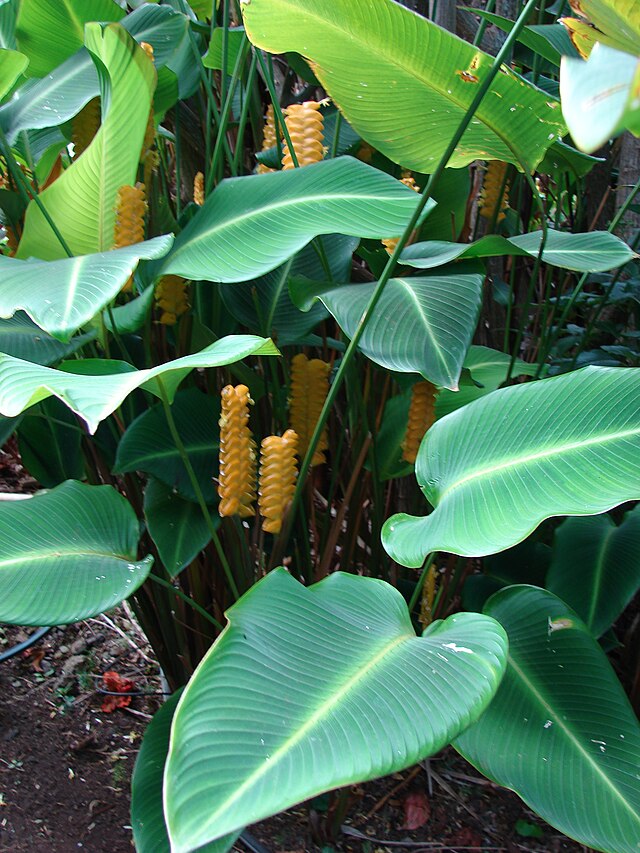
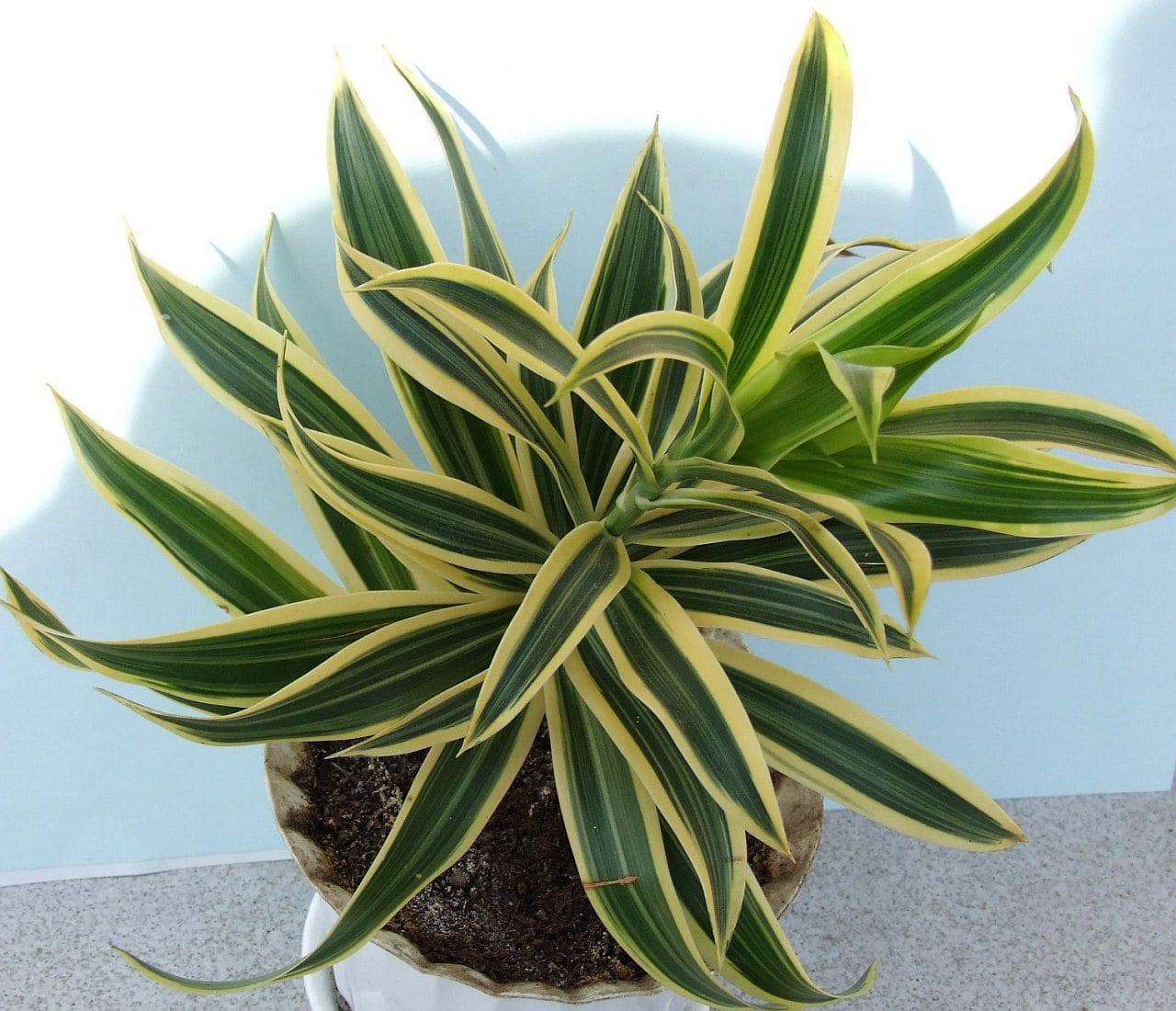
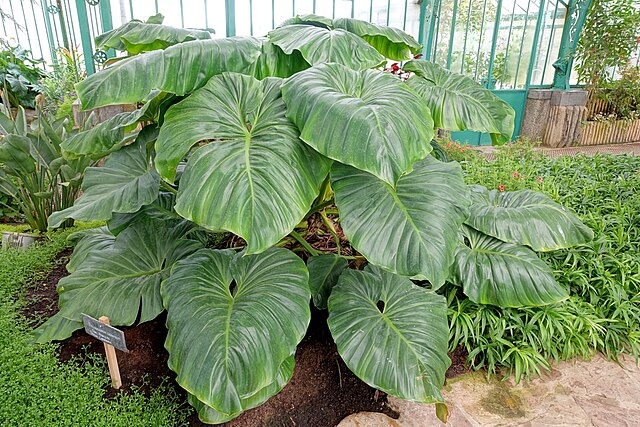
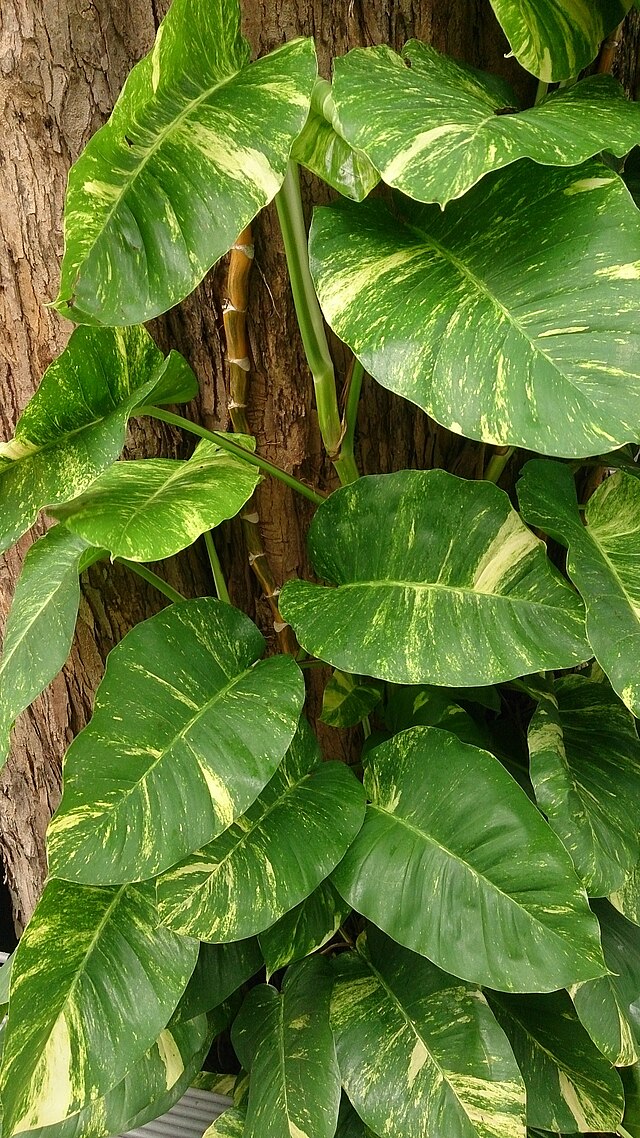
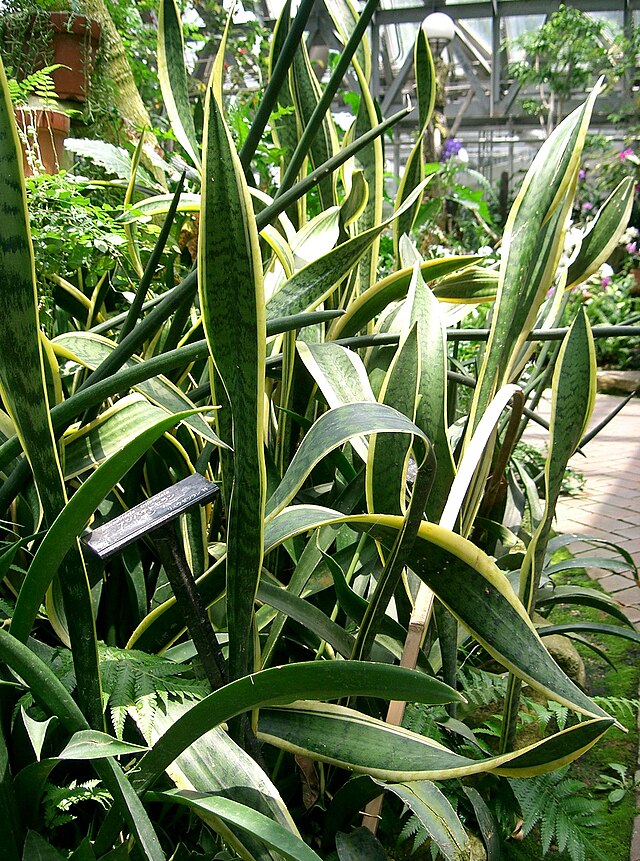
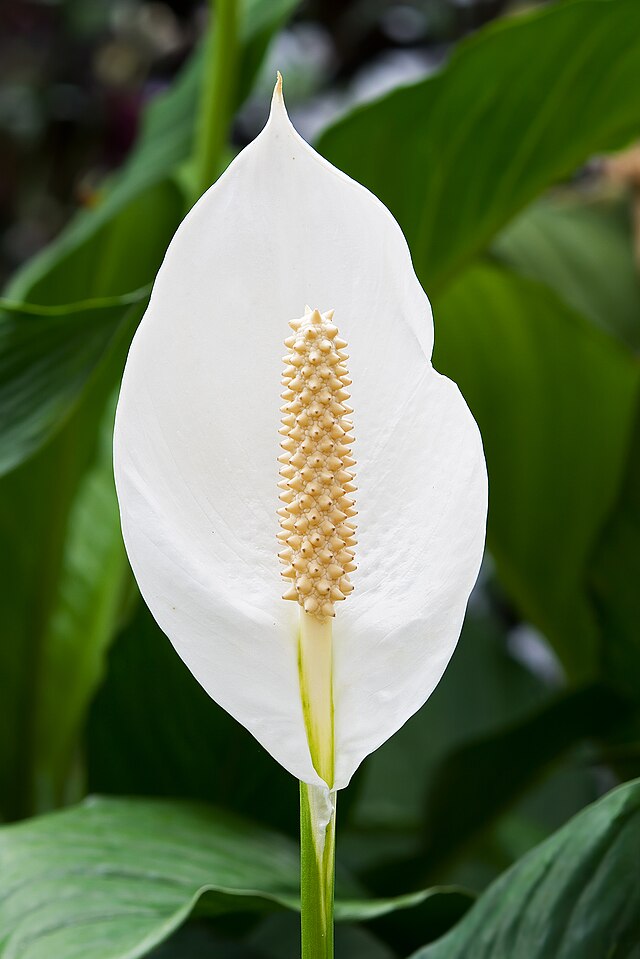
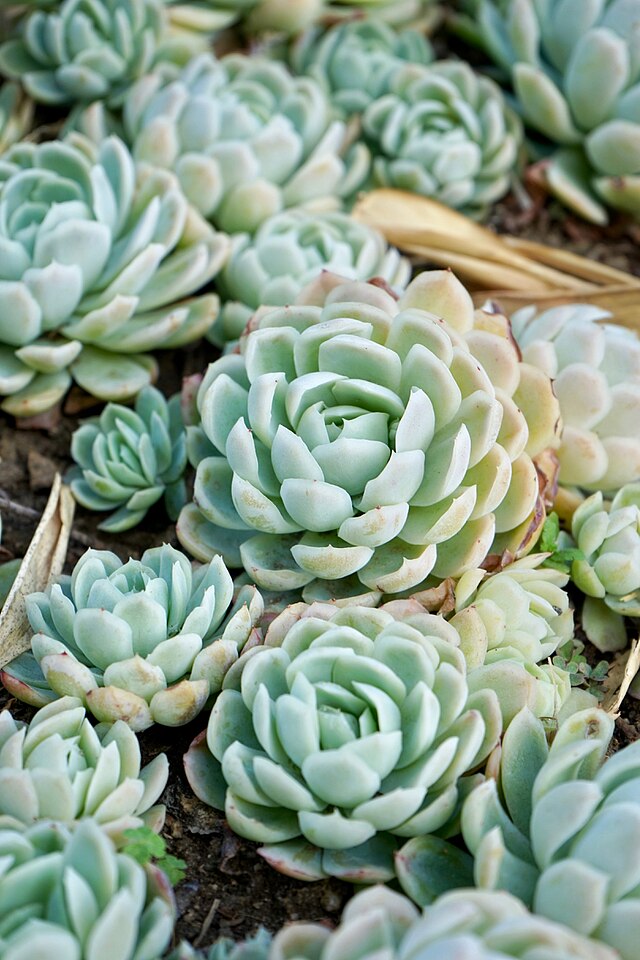
When your favorite houseplant thrives and grows beautifully, many of us think, "I'd like to propagate it" or "I want to share it with friends." Houseplants can be propagated in various ways depending on the species, and with the right techniques, even beginners can succeed. This article explains four representative propagation methods in detail, along with practical tips for each.
Cuttings and Water Propagation | The Most Convenient Basic Method
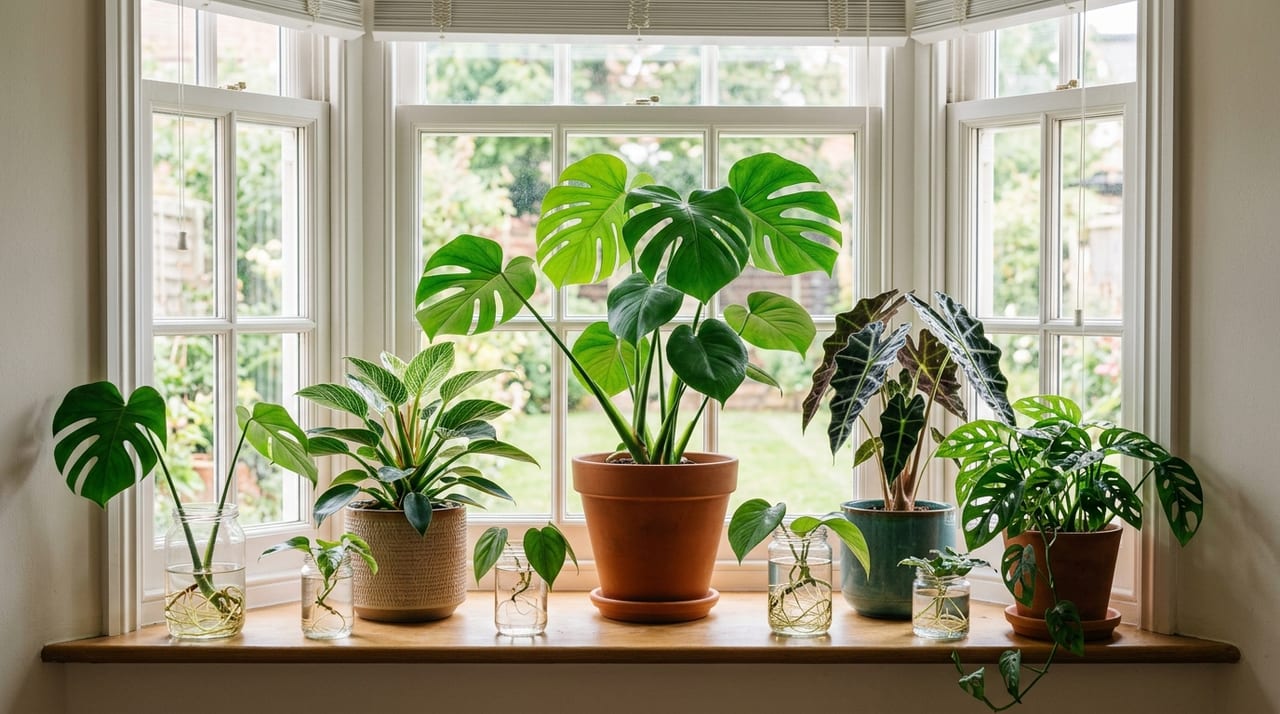
Cuttings are the most widely used propagation method for houseplants. Plants with nodes or aerial roots on their stems—such as Monstera, Pothos, Philodendron, and Schefflera—work well with this method.
Steps for Stem Cuttings
- Identify the cutting position — Cut just below a node (where the leaf attaches). The stem length should ideally be 10–15 cm.
- Remove lower leaves — Strip leaves from the bottom half of the cutting to reduce water loss through transpiration.
- Apply rooting hormone — Applying rooting hormone (such as Rootone) thinly to the cut end greatly increases success rates.
- Insert into growing medium — Place the cutting in moist vermiculite, sphagnum moss, or clean water.
Tips for Water Propagation
Water propagation is popular with beginners because you can visually monitor root development. Simply place the stem in a clear glass jar filled with water. However, to prevent the water from becoming stagnant, change it to fresh water every 2–3 days. Once roots reach 5 cm or longer, transplant to clean potting soil. During the transition from water to soil, avoid sudden environmental changes—keep the soil consistently moist for the first 1–2 weeks.
Division | Separating Rooted Offsets into Independent Plants
For plants with multiple stems emerging from the base, division is the most reliable propagation method. Spathiphyllum, Calathea, Bird of Paradise, and ferns are common examples.
Steps for Division
- Remove from the pot — Withhold water for a few days beforehand to make the soil easier to loosen.
- Gently separate the roots — Carefully untangle the roots by hand. Rather than forcefully pulling them apart, look for natural separation points.
- Divide the plant — Ensure each section has rooted portions. Distribute the roots evenly—sections with too few roots may struggle to establish.
- Plant in new containers — Pot each divided section in appropriately sized containers and keep in bright, indirect light for a while.
Right after division, roots are vulnerable, so avoid direct sunlight and strong winds for 1–2 weeks while the plant recovers. Once established, return to normal care.
Air Layering | Effective for Woody, Large Plants
For plants with woody stems that root poorly from cuttings—such as Ficus (rubber plant), Dracaena, and Dracaena fragrans (lucky bamboo)—air layering is ideal. This technique involves wounding the stem to encourage rooting and is more advanced, but beginners can succeed with proper steps.
Steps for Air Layering
- Make an incision on the stem — Remove a 2–3 cm wide ring of bark from the stem section where you want roots to develop, or make a diagonal cut.
- Apply rooting hormone — Coat the wound with rooting hormone to promote rooting.
- Wrap with moist sphagnum moss — Wrap the wound tightly with well-moistened sphagnum moss and seal with plastic wrap to prevent drying.
- Wait 1–2 months — When roots become visible through the plastic wrap, it's time to cut. Sever the stem below the roots and plant in soil with the moss still attached.
Air layering takes time, but has a high success rate and the rooted section becomes an independent plant immediately—a significant advantage.
Leaf Cuttings | A Unique Method to Propagate from a Single Leaf
This method works well for succulents such as Sansevieria (snake plant), Sedum, and Echeveria. It's a unique propagation technique where a single leaf can develop into a new plant, and it's a rewarding process once you get the hang of it.
Steps for Sansevieria Leaf Cuttings
- Select healthy leaves — Use disease-free, full leaves.
- Cut into segments and mark the top — Cut leaves into 5–10 cm pieces. If you reverse the orientation, the leaf won't root, so mark the top side with a pen before cutting.
- Let the cut dry — Allow the cut surface to dry for half a day to a full day to prevent fungal growth.
- Insert into soil — Place 2–3 cm into dry, clean soil (red volcanic soil or succulent mix) and keep in bright, indirect light.
Root and shoot development can take 1–3 months, but success depends on keeping water levels low to prevent root rot.
Common Success Factors for Propagation
Regardless of which method you choose, these basic conditions greatly improve success rates.
- The ideal period is May–August — Late spring through summer, when temperatures rise and plants grow vigorously, offers the best conditions. Rooting speed is faster during this season.
- Maintain humidity above 60% — In dry environments, moisture evaporates quickly, and cuttings may die before rooting. Creating a mini greenhouse with a plastic bag is effective.
- Avoid direct sunlight — Cuttings without roots subjected to intense light experience excessive transpiration and weaken. Bright, indirect light (such as filtered through sheer curtains) is ideal.
- Use clean soil and sterilized tools — Reused soil or unsterilized scissors can introduce fungi and disease.
Safety and Assurance at GrowerDirect
Learning propagation techniques is one thing, but "you need a healthy parent plant first." At GrowerDirect, you can purchase houseplants directly from specialist growers, ensuring minimal damage during distribution and healthy plants delivered to your door.
Rare variegated varieties and large specimens of Monstera and Ficus—plants rarely found in typical garden centers—are available. You can also message growers directly to ask questions like "How should I propagate this plant?" or "What's the best timing for cuttings?"—creating a supportive environment for learning.
The joy of propagating plants truly begins with quality parent plants. Find your trusted grower at GrowerDirect, bring home your new plant, and experience the satisfaction of propagation yourself.