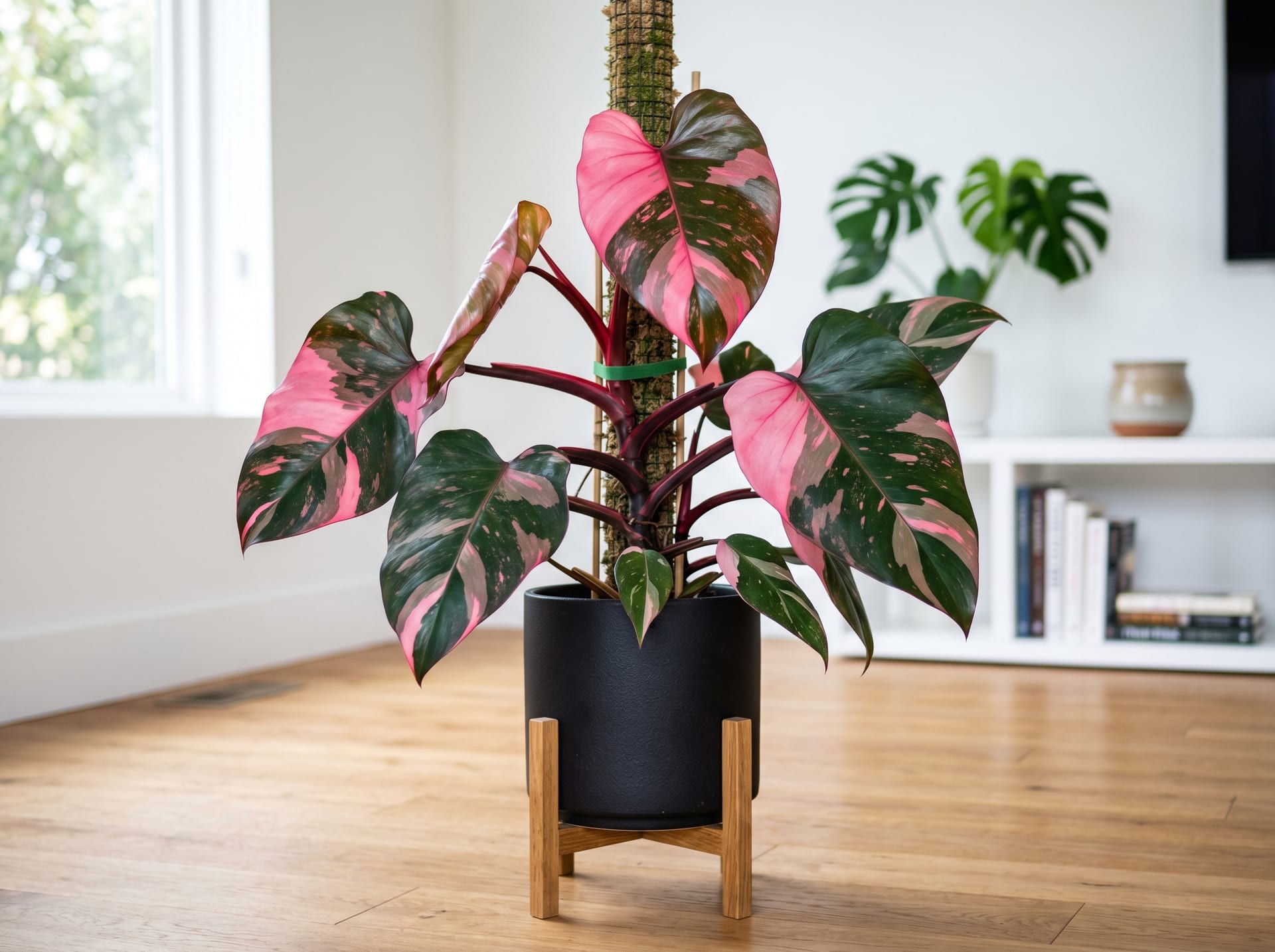
AI-generated image
Philodendron
BeginnerPhilodendron spp.
A massive genus of ~500 species ranging from vining to rosette forms. Rare species and variegated specimens are popular with collectors. Thrives in warm, humid indoor conditions.
About
Philodendron is a large genus of flowering plants in the family Araceae, native to the tropical rainforests of Central and South America. With over 625 accepted species, it is the second-largest genus in Araceae after Anthurium. The name derives from the Greek words philo- ('love') and dendron ('tree'), reflecting the climbing habit of many species. Leaf shapes vary enormously — from heart-shaped to arrow-shaped to deeply pinnate — and can change dramatically between juvenile and adult stages. Many species produce aerial roots and thrive when provided with a moss pole or board to climb. They prefer bright indirect light and well-draining soil, watering thoroughly once the top layer has dried. Philodendrons encompass both straightforward green varieties and highly sought-after variegated cultivars, making the genus a cornerstone of the modern houseplant hobby.
Source: Wikipedia (CC BY-SA 4.0)
Lifespan of the Philodendron
The Philodendron lives 15+ years.
Size of the Philodendron
The Philodendron grows to 30cm-2m (varies by species).
Temperature & humidity for the Philodendron
The ideal temperature for the Philodendron is 22〜28℃. Ideal humidity is 60〜80%.
Basic Info
Origin
Central and South America
Lifespan
15+ years
Size
30cm-2m (varies by species)
Temperature
18〜30℃
Humidity
60〜80%
Watering & Fertilizer
Liquid fertilizer twice monthly in spring-fall
Growing Tips
Placement
Bright indirect light. Train vining types on poles or tree fern boards
Watering
Water when topsoil dries. Use well-draining mix to prevent root rot
Temperature & Overwintering
Optimal range is 22-28°C, growing actively above 20°C. In winter keep a minimum of 15°C and maintain 60-80% humidity.
Fertilizer
Feed liquid fertilizer twice a month from spring to autumn. Growth is moderate to fast, so do not let it run short during this period.
Propagation
Easy via stem or water cuttings. Cut to include a node
Notes
Contains calcium oxalate throughout. Keep away from pets and children
Philodendron FAQ
QWhat is the growing difficulty level for Philodendron?
Beginner. A variety suitable for beginners. No special equipment or experience is required—you can grow it without problems by setting up a basic cultivation environment.
QWhat is the ideal temperature for Philodendron?
The ideal temperature for Philodendron is 22〜28℃. Recommended humidity is 60〜80%. Avoid sudden temperature changes and maintain a stable environment.
QWhat is the lifespan of Philodendron?
The average lifespan of Philodendron is 15+ years. With proper cultivation environment and nutrient management, you can keep it healthy for a long time.
QHow large does Philodendron get?
The mature size of Philodendron is 30cm-2m (varies by species). This may vary slightly depending on cultivation environment and individual differences.
QHow should I water and fertilize Philodendron?
Philodendron: watering & fertilizer — Liquid fertilizer twice monthly in spring-fall. Aim for appropriate frequency and amount.
QWhat is the typical price for Philodendron?
The price of Philodendron varies significantly by variety, characteristics, size, and lineage. Please check GrowerDirect's price guide for the latest market information.
Last updated: June 23, 2026
References & Sources
Edited & verified by: GrowerDirect Editorial Team
The classifications, regulations, and growing data on this page are created and verified based on the primary information database below.
Primary sources
Related Species
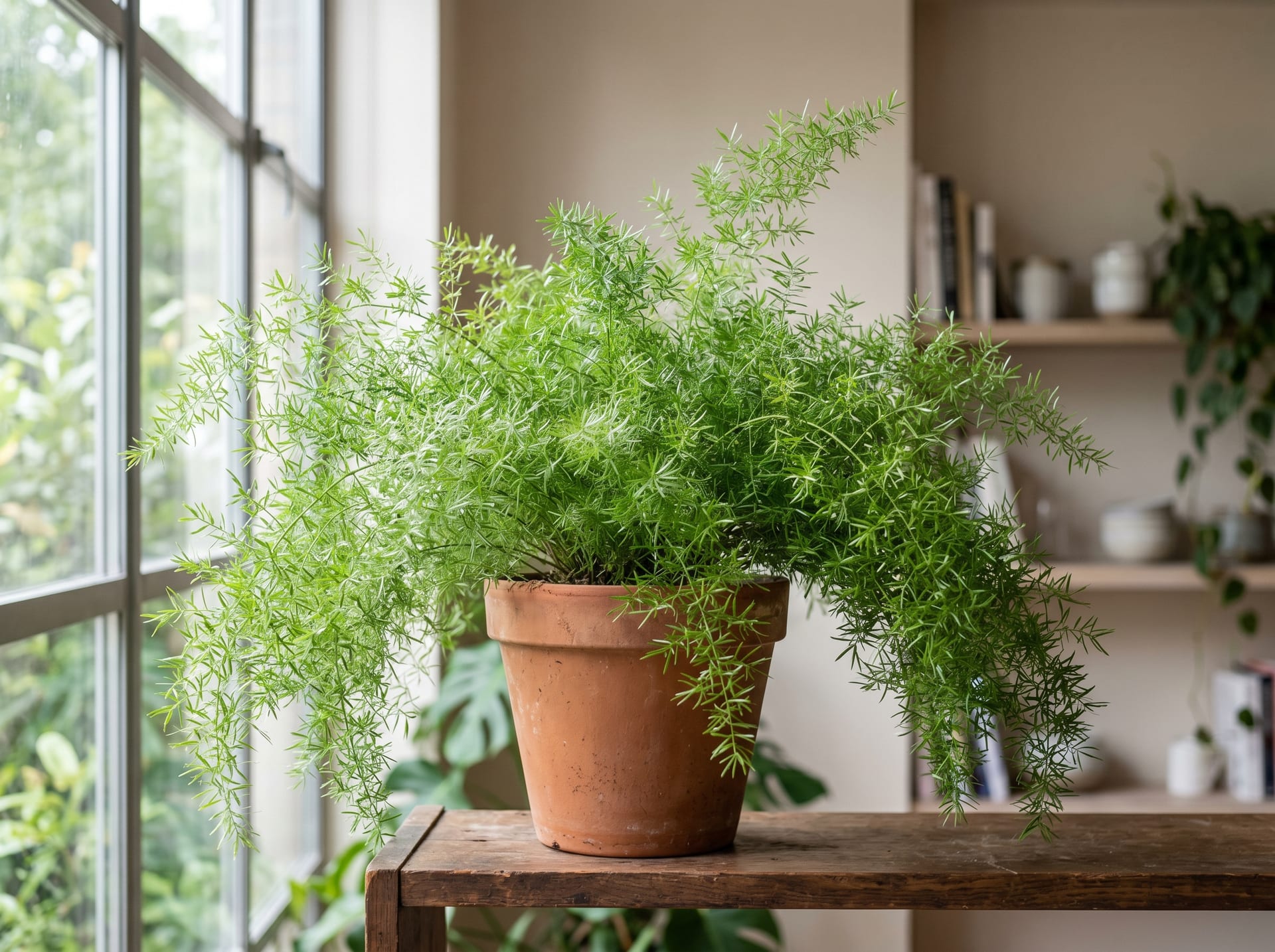
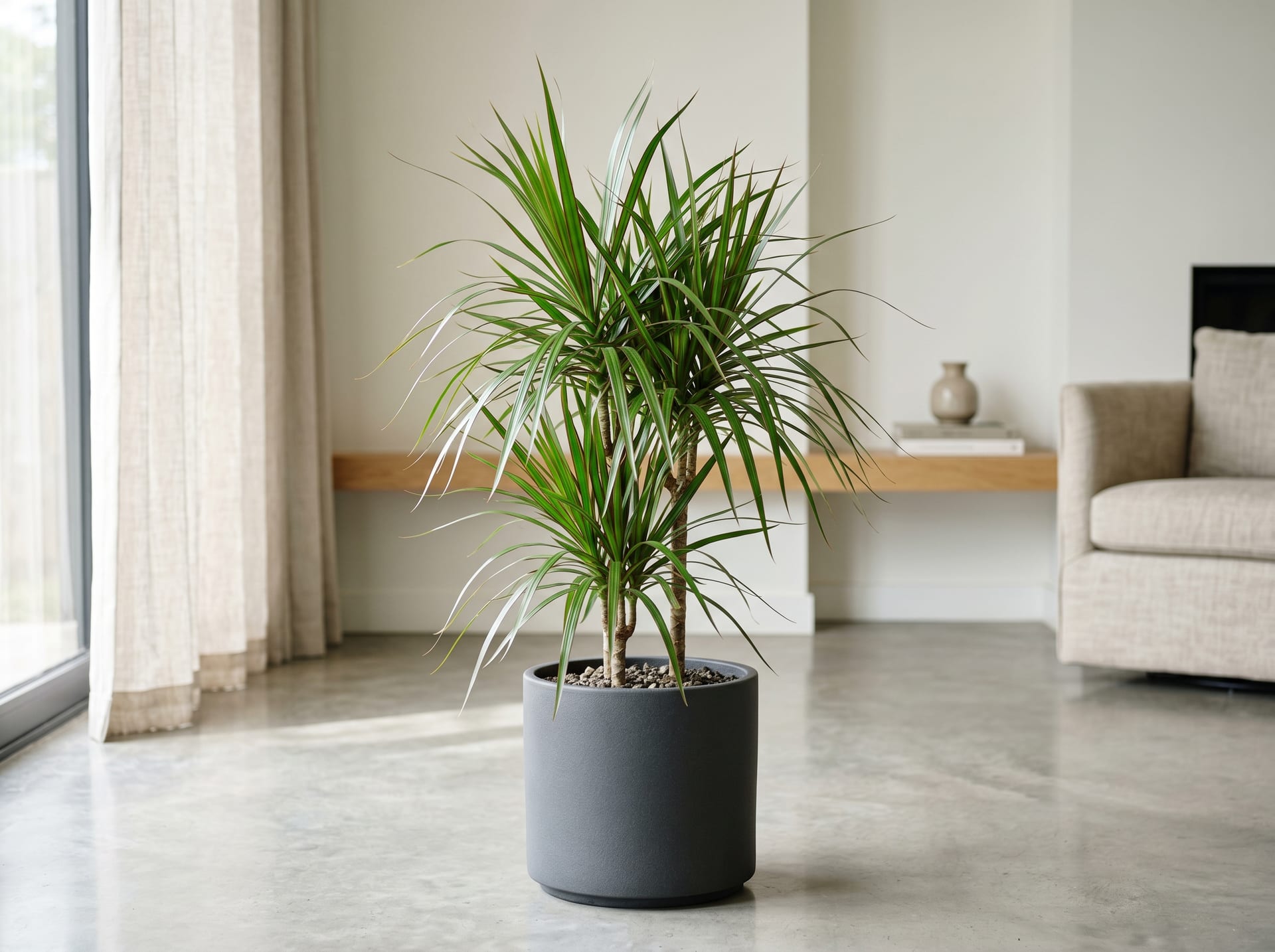
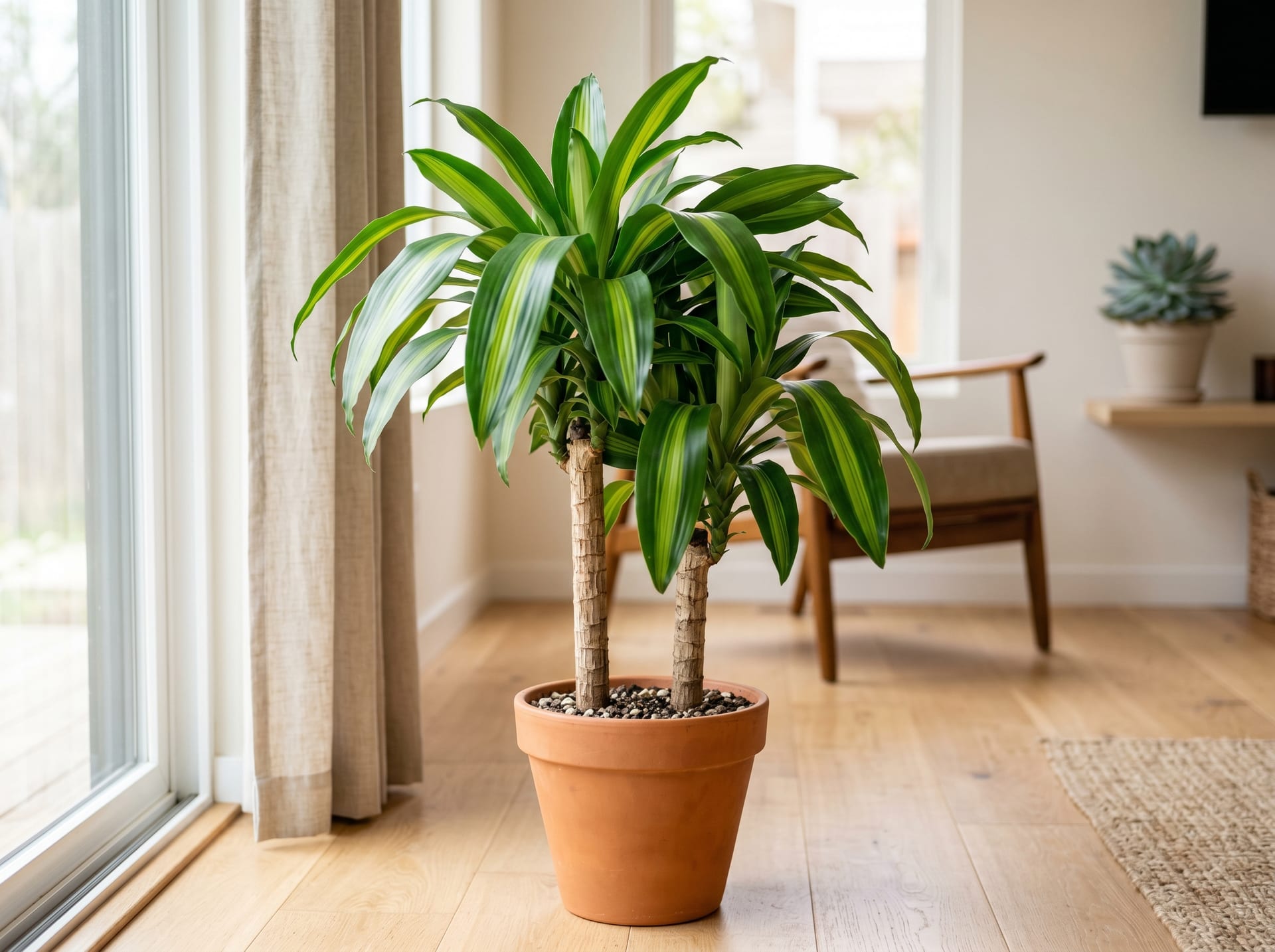
Find listings for this species
Related Articles
Philodendron Care Complete Guide | Characteristics of Popular Varieties and Cultivation Tips
A detailed explanation of how to care for Philodendrons, a popular foliage plant in the Araceae family. We introduce the characteristics of popular varieties, watering and light management methods, soil care, and tips for propagation.
Philodendron Types and Growing Guide | Comprehensive Guide to Rapidly Rising Popular Varieties
Comprehensive explanation of popular Philodendron varieties and growing methods. Features variety comparisons (Birkin, Pink Princess, Gloriosum, etc.), propagation techniques, pest and disease control, and tips for identifying plants at purchase.
Growing Philodendron Pink Princess from Seed | From Sowing to Mature Plant, Pink Variegation Development Conditions and Artificial Pollination
Explaining how to grow Pink Princess Philodendron from seed, the conditions for pink variegation development, and the procedure for artificial pollination.
Optimizing Foliage Plant Leaf Shine | Humidity Management to Achieve Gloss and Plant Health
Environmental management techniques to bring out glossy shine on foliage plant leaves. Techniques to achieve healthy and beautiful leaf expression through optimizing light, humidity, and water quality.
🩺 Common diseases
Can't find the plant you're looking for?
Post your wishes for free and growers with matching plants will contact you with introductions.