Growing Philodendron Pink Princess from Seed | From Sowing to Mature Plant, Pink Variegation Development Conditions and Artificial Pollination
Explaining how to grow Pink Princess Philodendron from seed, the conditions for pink variegation development, and the procedure for artificial pollination.
Key Takeaways
Explaining how to grow Pink Princess Philodendron from seed, the conditions for pink variegation development, and the procedure for artificial pollination.
Related Species
Philodendron Pink Princess: Overview
Philodendron Pink Princess (Philodendron erubescens 'Pink Princess', hereafter PPP) is a variegated cultivar in the genus Philodendron of the family Araceae. Its distinctive appearance, featuring rich chocolate-brown to green leaves marked with vivid pink to magenta variegation, has captivated plant collectors worldwide. Known for explosive popularity in the early 2020s, it once commanded prices of tens of thousands to hundreds of thousands of yen per plant.
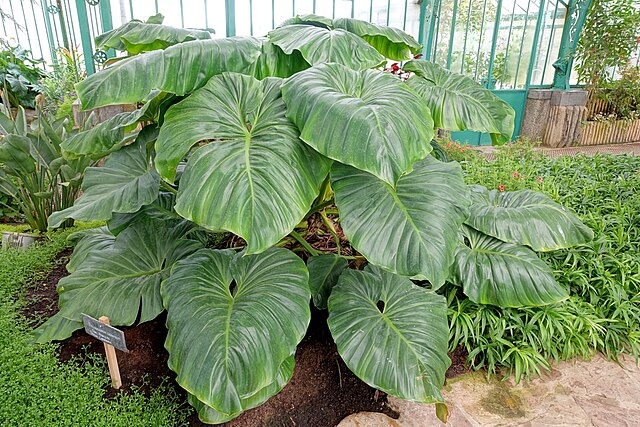
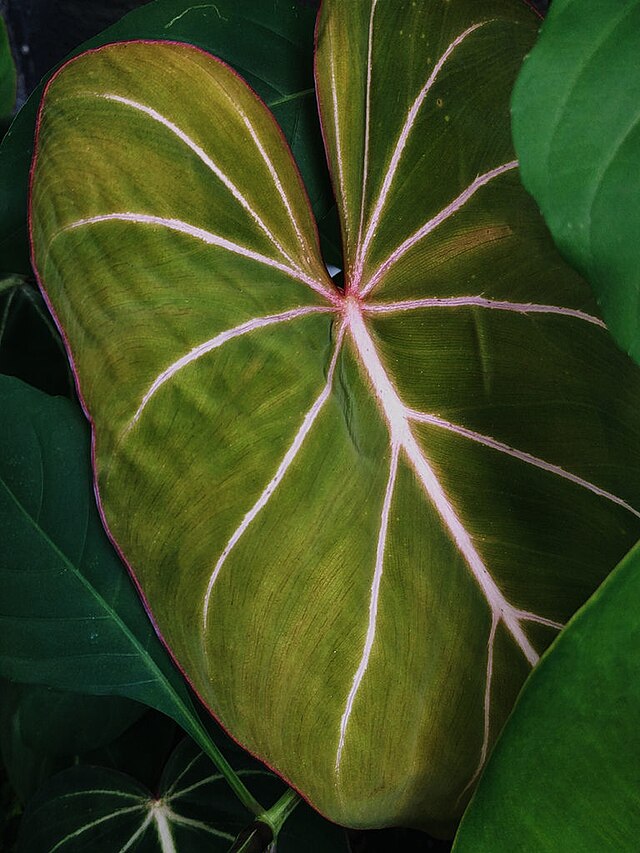
While prices have moderated with the widespread availability of tissue culture (TC) propagated seedlings, growing from seed remains a rare method with its own unique appeal: the pleasure of enjoying unpredictable variegation patterns. Within the same Philodendron genus, cultivars such as Philodendron gloriosum and Philodendron birkin—featuring different patterns on petioles and leaf veins—are also popular, and it's worth noting them as a comparison to understand the appeal of seed propagation. This article explains in detail how to grow PPP from seed and the conditions affecting pink variegation development.
Obtaining PPP Seeds and the Necessity of Artificial Pollination
In their natural habitat, Philodendron species rely on nocturnal insects such as beetles and moths for pollination, but in typical indoor environments, natural pollination is virtually impossible. Obtaining seeds requires artificial pollination.
Steps for Artificial Pollination
Philodendron inflorescences (spadices) are enclosed in white spathes and employ a protogynous mechanism where the female and male phases occur at different times. This strategy prevents self-pollination and maintains genetic diversity.
The artificial pollination process:
- Identifying the female phase: The first 1–2 days after the inflorescence opens marks the female phase. Receptivity is indicated by a shiny, sticky stigma.
- Pollen preparation: Coordinate the timing so that a different plant (ideally with good variegation quality) enters its male phase (2–3 days after the female phase, when powdery pollen is released from the stamens). If coordinating flowering times between plants is difficult, pollen can be collected in a small bag during the male phase and frozen (-18°C with desiccant) for later use.
- Pollination: Carefully apply pollen to the stigma using a soft brush or cotton swab. Applying uniformly across the entire spadix improves seed set.
- Protecting the spathe: After pollination, return the spathe to its original position and cover it with thin non-woven fabric to prevent insect entry.
If pollination succeeds, the fruit swells within 2–3 months and can be harvested when it turns red to orange. A single fruit can yield dozens to over 100 seeds.
Seed Processing and Germination Management
Seed Pretreatment
Seeds extracted from ripe fruit are covered by an aril (seed coat). Since the aril contains germination-inhibiting substances, the first step is to wash thoroughly and completely remove it. After cleaning, sow seeds immediately without drying (drying significantly reduces germination rates).
Sowing and Germination Conditions
For sowing medium, sphagnum moss or a mix of vermiculite and coconut husk (peat) work well. Choose clean, moisture-retentive materials with low pathogen load.
- Sowing depth: Cover seeds lightly (0.5–1 cm)
- Temperature: 25–28°C is optimal. Bottom heat via a heating mat improves germination rates.
- Humidity: Maintain 80–90% humidity. Use a clear container with a lid to create a miniature greenhouse environment.
- Light: Avoid direct sunlight until germination; low-level fluorescent or LED light is fine.
Under proper conditions, germination begins within 2–4 weeks. After cotyledons emerge and 2–3 true leaves develop, transplant into individual pots.
Conditions for Pink Variegation Development
The biggest question with PPP is likely "when and how will pink variegation appear?"
Unpredictability of Pink Variegation in Seedlings
PPP's pink variegation arises from the presence of mesophyll cells that cannot synthesize chlorophyll. This results from genetic mutations in plastids within cells (chimeric phenomenon), meaning that not all seedlings will display equivalent variegation. Even if the parent plant has high-quality pink variegation, seedlings can produce diverse individuals—some without variegation (entirely green), some with faint variegation, and others with abundant pink. This unpredictability is both the charm and challenge of seed propagation.
Environmental Conditions for Maximizing Pink Color Expression
Although variegation is genetically determined, the environment significantly affects the intensity and extent of coloration.
Light intensity: Bright, indirect light (avoid intense direct sun, which causes leaf scorch) promotes the most stable pink coloration. Insufficient light tends to reduce pink areas or make them pale. Low light may even cause complete reversion to green.
Temperature: Maintaining 25–30°C promotes vigorous growth and stable, vibrant variegation. Below 20°C, growth slows and variegation becomes unstable.
Fertilization (nitrogen and potassium balance): Excess nitrogen tends to promote overall green leaf color. When using liquid fertilizer, use a balanced N:P:K ratio (such as 20:20:20) at about half-strength to avoid excessive nitrogen.
Stress management: Sudden temperature fluctuations, drying, and root-bound conditions destabilize variegation. Maintaining healthy roots is fundamental to stable, beautiful pink variegation.
Growth Period from Seedling to Mature Plant
PPP is a fast-growing cultivar, but reaching maturity (woody stems with multiple impressive pink-variegated leaves) typically takes 2–4 years. For the first 1–2 years, only small juvenile leaves appear; by year 3 and beyond, leaves approach the parent plant's size. Training stems onto a moss pole or support induces climbing behavior and can accelerate growth.
Summary
Growing Philodendron Pink Princess from seed is a long journey from artificial pollination through germination management to observing variegation development. While labor-intensive, it offers unique charm: producing genetically diverse individuals impossible to obtain through cuttings or TC propagation. Consistent attention to light, temperature, and balanced fertilization unlocks full pink variegation potential. The pleasure of seed propagation lies in enjoying the process and discovering your own one-of-a-kind plant—an experience unique to PPP seed growing.